Thoracic Endovascular Aortic Repair (TEVAR)
Minimally invasive repair of thoracic aortic aneurysms and dissections.
Thoracic Endovascular Aortic Repair (TEVAR): A Minimally Invasive Treatment Option
Thoracic endovascular aortic repair (TEVAR) represents a significant advancement in cardiovascular medicine, offering patients a safer alternative to traditional open surgery for treating thoracic aortic conditions. This minimally invasive procedure has revolutionized the management of thoracic aortic aneurysms, dissections, and traumatic injuries since its FDA approval in 2005. TEVAR allows physicians to repair the aorta—the largest blood vessel in the body—through small incisions rather than requiring extensive surgical access, resulting in shorter recovery times and reduced hospital stays for eligible patients.
Understanding the Thoracic Aorta and Aortic Disease
The aorta is the primary artery that carries oxygen-rich blood from the heart to all parts of the body. The thoracic aorta specifically refers to the portion of this vessel located within the chest cavity, behind the breastbone and ribs. When the walls of the thoracic aorta weaken, they can develop a bulge or aneurysm, which is a dangerous condition that requires careful monitoring and treatment to prevent life-threatening complications.
Thoracic aortic disease can manifest in several forms, including aneurysms (abnormal bulges in the artery wall), dissections (tears in the artery layers), traumatic injuries from accidents, and penetrating ulcers. Without appropriate treatment, these conditions can lead to aortic rupture, which is often fatal. TEVAR offers an effective solution for managing these serious cardiovascular conditions while minimizing surgical trauma to the patient’s body.
What is Thoracic Endovascular Aortic Repair?
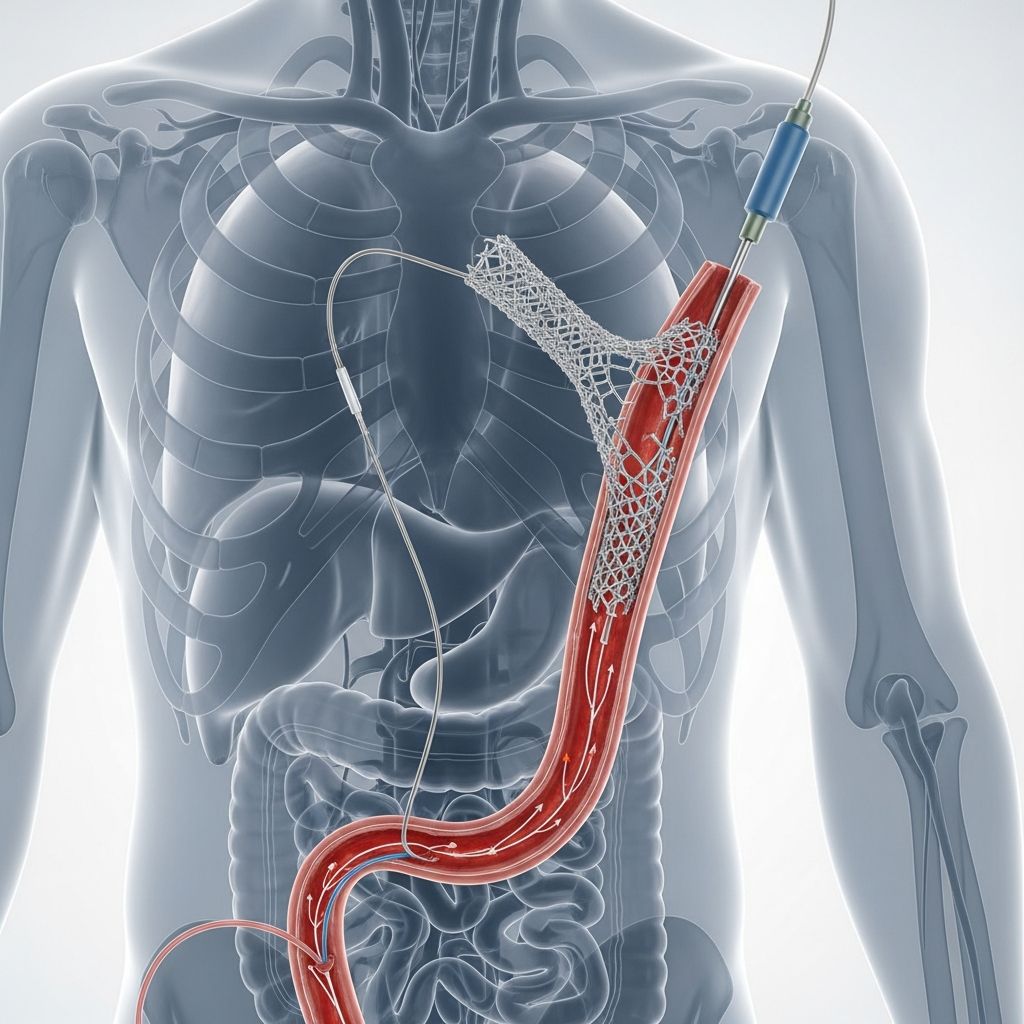
Thoracic endovascular aortic repair is a minimally invasive procedure designed to treat thoracic aortic aneurysms, dissections, and other aortic pathologies. The procedure involves placing a covered stent-graft—a tubular device consisting of metal mesh supported by a fabric covering—into the weakened area of the aorta. This device acts as an internal bypass, creating a new channel for blood to flow through while isolating the diseased portion of the artery wall.
Unlike traditional open surgery, which requires large incisions through the chest wall, TEVAR uses the body’s existing vascular system to deliver the repair device. A small incision is made in the groin to access the femoral artery, and the stent-graft is carefully threaded through the blood vessels to the site of disease under real-time imaging guidance. This approach significantly reduces surgical trauma, blood loss, and recovery time while maintaining excellent clinical outcomes.
Indications for TEVAR Treatment
TEVAR is recommended for patients with various thoracic aortic conditions that meet specific clinical criteria. The procedure is typically indicated when:
- A thoracic aortic aneurysm exceeds 6 centimeters in diameter, as larger aneurysms carry an increased risk of rupture
- An aneurysm has expanded by more than 0.5 millimeters within a six-month period, indicating rapid growth
- The patient is not a suitable candidate for traditional open surgical repair due to age, overall health status, or comorbid conditions
- The aneurysm is causing symptoms such as chest or back pain, difficulty breathing, or abnormal bleeding
- There is aortic dissection with complications such as malperfusion or rupture
- The patient has suffered traumatic aortic injury from accidents or blunt trauma
- A penetrating aortic ulcer is present in the thoracic aorta
- There is aortic narrowing or stenosis affecting blood flow
Your vascular surgeon will assess your specific condition and determine whether TEVAR is the most appropriate treatment approach for you, considering factors such as the size and location of your aortic disease, your overall health status, and the anatomy of your blood vessels.
The TEVAR Procedure: Step-by-Step Process
Understanding what occurs during a TEVAR procedure can help patients prepare mentally and physically for their treatment. The procedure typically takes approximately two hours to complete and can be performed under either local or general anesthesia, depending on your specific clinical situation and physician preference.
Initial Access and Preparation
The surgeon begins by making a small incision, usually in the groin area, to access the femoral artery. This access point allows the surgeon to introduce the catheter and delivery system without requiring any incisions in the chest. The surgical team uses sterile technique and imaging guidance to ensure proper access to the arterial system.
Related Stories



Imaging and Mapping
Once vascular access is established, the surgical team inserts a small catheter into the aorta and injects contrast dye to create detailed images of the blood vessels and the aortic disease. This imaging step is crucial, as it allows the surgeon to precisely map the location, size, and shape of the aneurysm or other pathology and plan optimal stent-graft placement. Real-time imaging throughout the procedure ensures accurate device positioning.
Device Delivery and Deployment
The stent-graft is carefully loaded into a delivery catheter in its collapsed state, which allows it to fit through the blood vessels without damaging them. Under fluoroscopic (X-ray) guidance, the surgeon threads the device through the femoral artery and into the thoracic aorta, positioning it precisely at the site of disease. Once properly positioned, the stent-graft is deployed, expanding to create a snug fit against the aortic wall on both sides of the affected area.
Final Steps and Closure
After confirming proper device positioning and ensuring adequate blood flow through the stent-graft, the surgeon removes the delivery catheter. The small incision in the groin is then closed, typically with sutures or a special closure device. In many cases, patients have only a small bandage covering the entry site rather than a surgical incision requiring extensive closure.
TEVAR Compared to Traditional Open Surgery
The choice between TEVAR and open surgical repair depends on various clinical factors, but TEVAR offers several significant advantages when appropriate:
| Aspect | TEVAR (Endovascular) | Open Surgery |
|---|---|---|
| Incision Size | Small groin incision (1-2 inches) | Large chest incision (8-12 inches or more) |
| Surgical Trauma | Minimal muscle and tissue damage | Significant chest wall disruption |
| Blood Loss | Minimal bleeding | Moderate to significant bleeding |
| Hospital Stay | 1-7 days typically | 5-14 days typically |
| Recovery Time | 2-4 weeks | 6-12 weeks |
| Perioperative Mortality | 1.9-2.1% | 5.7-11.7% |
| Pain Level | Minimal postoperative pain | Moderate to significant pain |
| Return to Normal Activity | Faster, typically 2-4 weeks | Slower, typically 6-12 weeks |
Benefits of Thoracic Endovascular Aortic Repair
- Minimally invasive approach: The small groin incision causes minimal trauma to surrounding tissues and muscles compared to the extensive chest incisions required for open surgery
- Shorter hospital stays: Most patients go home within one week and many within just one or two days, depending on the treated area and individual recovery
- Faster recovery: Patients typically return to normal daily activities within 2-4 weeks rather than the 6-12 weeks required after open surgery
- Reduced blood loss: The endovascular approach eliminates the need for extensive surgical dissection, resulting in minimal bleeding during and after the procedure
- Lower infection risk: Smaller incisions mean fewer opportunities for surgical site infections compared to large open chest incisions
- Decreased postoperative pain: Patients experience significantly less pain after TEVAR, resulting in reduced need for pain medications and faster mobilization
- Better outcomes in elderly patients: TEVAR has particularly favorable outcomes for older patients or those with multiple medical conditions who may not tolerate open surgery well
- Avoidance of thoracotomy or sternotomy: The procedure eliminates the need to cut through the breastbone or rib cage, avoiding the morbidity associated with these incisions
- Excellent technical success rates: TEVAR has a technical success rate of up to 98%, with excellent long-term outcomes in appropriately selected patients
Potential Risks and Complications
- Endoleak (blood leaking around or through the stent-graft), which may require monitoring or additional intervention
- Stent-graft migration or movement from its intended position
- Infection at the groin access site
- Bleeding or hematoma at the access site
- Spinal cord ischemia (decreased blood flow to the spinal cord), occurring in 3-5.6% of patients, which may cause temporary or permanent paralysis in rare cases
- Perioperative stroke, occurring in 4-8% of patients, though most are minor and resolve
- Kidney injury from contrast dye exposure, particularly in patients with pre-existing kidney disease
- Allergic reactions to contrast material or anesthesia
Hospital Stay and Post-Procedure Recovery
After TEVAR, patients typically spend one to two days in the intensive care unit (ICU) for close monitoring of vital signs and early detection of any complications. During this time, the surgical team carefully observes patients for signs of problems and manages pain and other symptoms. Following the ICU stay, patients are usually transferred to a regular hospital room for continued monitoring before discharge home.
Long-Term Outcomes and Follow-Up Care
TEVAR provides excellent long-term outcomes for the majority of patients. Depending on the type of disease treated, the procedure typically provides a cure or significant disease management. Studies demonstrate that TEVAR is associated with decreased morbidity compared with open repair, and the endovascular approach continues to gain wider acceptance as technology advances and experience increases.
Frequently Asked Questions
Q: How long does the TEVAR procedure take?
A: The procedure typically takes approximately two hours to complete, though this may vary depending on the complexity of the case and specific anatomical factors.
Q: Will I have visible scars after TEVAR?
A: TEVAR results in minimal scarring, as the procedure uses only a small groin incision. Most patients have either no visible scar or a very small one that is easily concealed by normal clothing.
Q: When can I return to normal activities after TEVAR?
A: Most patients can gradually return to normal daily activities within 2-4 weeks. However, you should avoid strenuous exercise and heavy lifting for several weeks following the procedure. Your surgeon will provide specific guidelines based on your recovery.
Q: Is TEVAR a permanent solution?
A: For most patients, TEVAR provides a durable, long-term solution for aortic disease. However, long-term follow-up imaging is necessary to monitor stent-graft function and detect any late complications.
Q: What is the success rate of TEVAR?
A: TEVAR has an excellent technical success rate of up to 98%, with low perioperative mortality rates of 1.9-2.1% compared to 5.7-11.7% for open surgical repair.
Q: Can TEVAR be performed in all patients with thoracic aortic aneurysms?
A: Not all patients are candidates for TEVAR. Factors such as aortic anatomy, vessel size, and overall health status determine candidacy. Your vascular surgeon will assess whether TEVAR is appropriate for your specific condition.
Q: What happens if I experience complications after TEVAR?
A: Complications are generally uncommon but should be reported immediately to your surgeon. Warning signs include chest or back pain, shortness of breath, fever, wound drainage, or any concerning symptoms.
References
- Thoracic Endovascular Aortic Repair (TEVAR) — University of Michigan Health. 2024. https://www.uofmhealth.org/our-care/specialties-services/thoracic-endovascular-aneurysm-repair-tevar
- Thoracic Endovascular Aortic Repair (TEVAR) — Cleveland Clinic. 2024. https://my.clevelandclinic.org/health/treatments/16962-endovascular-repair-of-thoracic-aortic-aneurysms
- TEVAR: Endovascular Repair of the Thoracic Aorta — National Institutes of Health, PubMed Central. 2015. https://pmc.ncbi.nlm.nih.gov/articles/PMC4540616/
- Thoracic Endovascular Aortic Repair (TEVAR) — CIRSE (Cardiovascular and Interventional Radiology Society of Europe). 2024. https://www.cirse.org/patients/general-information/ir-procedures/thoracic-endovascular-aortic-repair-tevar/
- Thoracic Endovascular Aortic Repair (TEVAR) — Society for Vascular Surgery. 2024. https://vascular.org/your-vascular-health/your-care-journey/treatments/thoracic-endovascular-aortic-repair
- Perioperative Management of Patients Undergoing Thoracic Endovascular Aortic Repair — Annals of Cardiothoracic Surgery. 2024. https://www.annalscts.com/article/view/16874/html
Similar Articles








Read full bio of medha deb