Thoracic Outlet Syndrome: Causes, Symptoms & Treatment
Complete guide to thoracic outlet syndrome: understanding compression, symptoms, and effective treatment options.
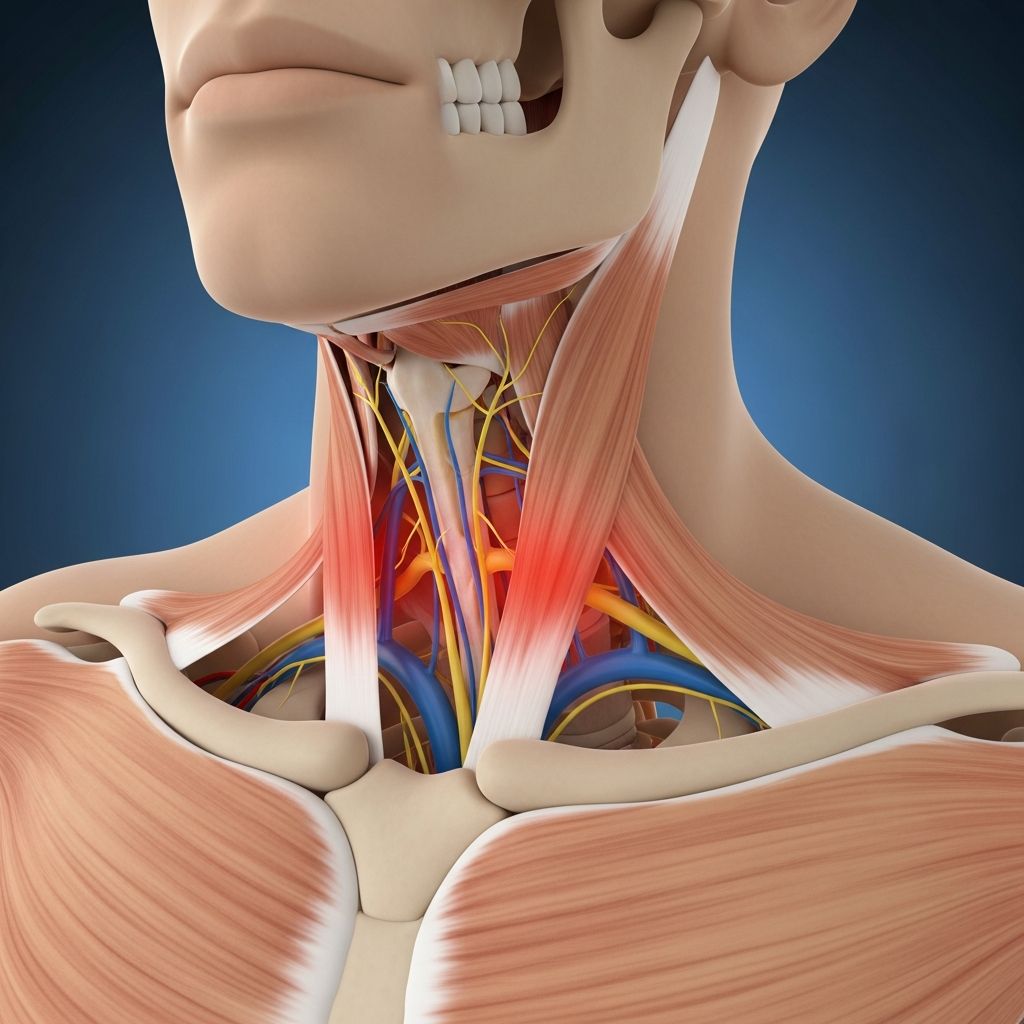
Understanding Thoracic Outlet Syndrome
Thoracic outlet syndrome (TOS) is a medical condition characterized by the compression of nerves and blood vessels that pass through the thoracic outlet—the space between the collarbone and the first rib at the top of the chest. This compression can occur in a narrow passageway in the upper chest and neck region, leading to a variety of symptoms that affect the shoulder, arm, and hand. The condition affects individuals across different age groups and can significantly impact quality of life if left untreated. Understanding the underlying mechanisms, types, and treatment options is essential for managing this condition effectively.
What Is the Thoracic Outlet?
The thoracic outlet is a narrow space located between the collarbone, the first rib, and the surrounding muscles and tissues. Through this opening, important structures pass, including the brachial plexus—a network of nerves that controls movement and sensation in the shoulder, arm, and hand—as well as the subclavian artery and vein that supply blood to the upper extremity. When tissues in this region become compressed or enlarged, they can place pressure on these vital structures, resulting in the symptoms associated with thoracic outlet syndrome.
Types of Thoracic Outlet Syndrome
Thoracic outlet syndrome is classified into three main types based on which structures are being compressed. Understanding these distinctions is important because treatment approaches may vary depending on the specific type.
Neurogenic Thoracic Outlet Syndrome
Neurogenic TOS, the most common form accounting for the majority of cases, occurs when the brachial plexus nerve bundle is compressed. Individuals with this type typically experience pain, numbness, and tingling sensations in the neck, shoulder, and arm. This type often responds well to conservative treatment approaches such as physical therapy and lifestyle modifications.
Venous Thoracic Outlet Syndrome
Venous TOS develops when compression affects the subclavian vein, which carries blood from the upper extremity back to the heart. This can lead to swelling, discoloration, and a feeling of heaviness in the affected arm. In some cases, blood clots may form in the compressed vein, requiring more urgent intervention.
Arterial Thoracic Outlet Syndrome
The rarest form of thoracic outlet syndrome involves compression of the subclavian artery. Arterial TOS can be particularly serious because it may result in reduced blood flow to the arm and hand, potentially causing pain, coolness, and color changes in the affected limb. This type typically requires more aggressive intervention to prevent complications.
Causes of Thoracic Outlet Syndrome
The underlying causes of thoracic outlet syndrome are diverse and often multifactorial. Various structural, traumatic, and lifestyle factors can contribute to the development of this condition.
Anatomical Factors
Certain anatomical variations can predispose individuals to TOS. Some people are born with an extra rib, known as a cervical rib, which can narrow the thoracic outlet. Additionally, variations in muscle structure, particularly abnormalities in the scalene muscles or pectoralis minor, can contribute to compression. Trauma from accidents, falls, or sports injuries can damage tissues and lead to scarring or inflammation that narrows the thoracic outlet.
Lifestyle and Environmental Factors
Related Stories



Repetitive activities and poor ergonomics play significant roles in TOS development. Jobs that require repetitive arm movements, poor posture at workstations, or activities involving overhead arm positioning can strain the muscles and tissues surrounding the thoracic outlet. Poor posture, characterized by rounded shoulders and forward head position, increases pressure on the structures passing through this space. Additionally, carrying heavy bags or backpacks can contribute to symptom development.
Trauma and Injury
Motor vehicle accidents, sports injuries, and falls can cause direct trauma to the shoulder and upper chest region. These injuries may result in inflammation, muscle tension, and tissue damage that narrows the thoracic outlet. In some cases, TOS symptoms may not appear immediately after an injury but can develop gradually as scar tissue forms.
Other Contributing Factors
Pregnancy can sometimes trigger or worsen TOS symptoms due to postural changes and hormonal effects on ligament laxity. Additionally, conditions causing muscle tightness or inflammation, as well as obesity and excess weight gain, can increase compression in the thoracic outlet region.
Symptoms and Signs
The symptoms of thoracic outlet syndrome vary depending on which structures are compressed and the severity of compression. Symptoms often develop gradually and may worsen with certain activities or positions.
Neurogenic TOS Symptoms
Individuals with neurogenic thoracic outlet syndrome commonly experience pain, numbness, and tingling sensations that radiate from the shoulder down through the arm to the hand and fingers. Some patients report weakness in the hand and arm, making it difficult to grip objects or perform fine motor tasks. Symptoms often worsen when the arm is elevated or when engaging in repetitive activities.
Vascular TOS Symptoms
Venous compression may cause swelling, discoloration, and a feeling of heaviness or fullness in the affected arm. The arm may appear pale or bluish. Arterial compression typically results in pain, coolness, and color changes in the hand and fingers. In severe cases, patients may notice weakness or tissue damage due to reduced blood flow.
General Symptom Characteristics
Symptoms may be intermittent or constant, and they often worsen with certain activities such as reaching overhead, typing, or carrying heavy objects. Some individuals experience symptoms primarily at night or after prolonged activity. Pain may be described as a dull ache or sharp and shooting sensation, and symptoms may fluctuate throughout the day.
Diagnosis of Thoracic Outlet Syndrome
Diagnosing thoracic outlet syndrome can be challenging because symptoms overlap with other conditions. A comprehensive approach involving clinical evaluation and specialized testing is typically necessary.
Clinical Evaluation
Healthcare providers begin with a detailed history of symptoms and physical examination. Special maneuvers and tests, such as the Roos test, elevated arm stress test, and scalene muscle palpation, can help reproduce or elicit symptoms. The provider will also assess posture, muscle strength, and range of motion to identify contributing factors.
Imaging and Diagnostic Tests
X-rays may reveal anatomical abnormalities such as an extra rib or abnormal bone structures. Ultrasound can help visualize nerve and blood vessel compression, while MRI provides detailed images of soft tissues and may identify muscle abnormalities or swelling. Electromyography and nerve conduction studies can assess nerve function and help confirm neurogenic involvement. In vascular cases, duplex ultrasound or angiography may be performed to visualize blood flow.
Injection Testing
Injection of local anesthetic into the anterior scalene muscle can serve as both a diagnostic and therapeutic intervention. If symptoms improve significantly following injection, this suggests that the scalene muscle is a major contributor to compression. Studies have shown that patients with positive response to such blocks have a high success rate with surgical decompression if conservative treatment fails.
Treatment Options
Treatment approaches for thoracic outlet syndrome vary based on the type of TOS, severity of symptoms, and underlying causes. A multimodal, personalized approach typically yields the best outcomes.
Conservative Treatment Approaches
Conservative management is the first-line treatment for most cases, particularly neurogenic TOS. Physical therapy forms the cornerstone of nonsurgical management and includes exercises to strengthen and stretch shoulder muscles, improve posture, and enhance range of motion. These exercises help decompress the thoracic outlet by correcting postural abnormalities and reducing muscle tension.
Physical Therapy and Exercise
Physical therapists develop individualized exercise programs targeting the specific muscles contributing to compression. Typical exercises include scalene stretches, pectoralis muscle stretching, postural corrective exercises, and progressive strengthening of the upper back and shoulder stabilizer muscles. Patients are also educated on proper ergonomics, activity modification, and relaxation techniques. Consistent adherence to a physical therapy program over several months is often necessary, with studies showing symptomatic improvement in a significant proportion of patients following 6 months of therapy.
Lifestyle Modifications
Addressing lifestyle factors is crucial for long-term symptom management. Key modifications include:
– Maintaining good posture throughout daily activities- Taking frequent breaks to stretch and move during work- Creating an ergonomic work environment that promotes proper posture- Maintaining a healthy weight to reduce compression- Avoiding activities that trigger symptoms- Gently massaging tight muscles- Using heating pads to promote muscle relaxation- Practicing relaxation techniques such as deep breathing and meditation
Pharmacological Interventions
Medications can help manage pain and inflammation associated with thoracic outlet syndrome. Nonsteroidal anti-inflammatory drugs (NSAIDs) such as ibuprofen, aspirin, and naproxen can reduce pain and swelling. Muscle relaxants help alleviate muscle tension contributing to compression. For neuropathic pain, anticonvulsants and antidepressants may be prescribed. Selective serotonin reuptake inhibitors (SSRIs) can also provide symptom relief in some cases. For vascular TOS with blood clots, blood-thinning medications may be necessary to prevent clot formation or progression.
Injection Therapies
Injections of local anesthetic, steroids, or botulinum toxin (Botox) into the anterior scalene or pectoralis muscles can provide temporary symptom relief. These injections can help reduce pain and muscle tension, potentially allowing patients to engage more effectively in physical therapy. However, injection effects are temporary and do not address the underlying anatomical causes. Studies show varying levels of success with these interventions, and they are typically considered when conservative measures need additional support.
Surgical Treatment
Surgery is considered when conservative measures fail after 4-6 months of consistent treatment or when there is significant neurological or vascular compromise requiring urgent intervention. Vascular TOS typically requires earlier surgical intervention due to the risk of complications. Surgical procedures aim to remove structural causes of compression, such as removing an extra cervical rib, releasing tight muscles or ligaments, or decompressing the thoracic outlet. Before surgery is recommended, diagnostic testing such as positive response to scalene muscle injection blocks may help predict surgical success.
Managing Symptoms at Home
Beyond formal treatment, patients can implement various home management strategies to reduce symptoms and prevent exacerbation:
– Apply heat to tight, tense muscles to promote relaxation- Perform prescribed stretching and strengthening exercises regularly- Maintain proper posture, especially during work and screen time- Avoid heavy lifting and carrying until symptoms resolve- Take frequent breaks to change positions and move- Use ergonomic devices and furniture to support proper positioning- Practice stress management and relaxation techniques- Maintain adequate sleep and rest- Gradually return to normal activities as symptoms improve
Prognosis and Outcomes
Most individuals with thoracic outlet syndrome respond well to conservative treatment with physical therapy and lifestyle modifications. Many patients experience significant symptom improvement within several weeks to months of consistent adherence to treatment. However, some individuals may experience recurring symptoms after treatment, requiring ongoing management or consideration of surgical intervention. Early diagnosis and intervention generally lead to better outcomes and faster resolution of symptoms.
Frequently Asked Questions
Q: How long does it take to recover from thoracic outlet syndrome?
A: Recovery timelines vary considerably depending on the severity of the condition and adherence to treatment. Many patients experience improvement within several weeks to months with conservative treatment, though some may require 6 months or longer of consistent physical therapy and lifestyle modifications.
Q: Can thoracic outlet syndrome be prevented?
A: While anatomical factors cannot be changed, maintaining good posture, practicing proper ergonomics, avoiding excessive repetitive activities, and maintaining a healthy weight can help reduce the risk of developing thoracic outlet syndrome.
Q: Is surgery always necessary for thoracic outlet syndrome?
A: No. Surgery is typically reserved for cases that do not respond to conservative treatment after 4-6 months or when there is significant vascular compromise. The majority of patients improve with physical therapy and lifestyle modifications alone.
Q: Can thoracic outlet syndrome recur after treatment?
A: Yes, some patients may experience recurring symptoms, particularly if they return to activities that triggered the condition without maintaining proper posture and ergonomics. Continued adherence to preventive measures and exercises can help minimize recurrence.
Q: What specialist should I see for thoracic outlet syndrome?
A: A multidisciplinary approach often works best, involving primary care physicians, physical therapists, and specialists such as vascular surgeons, thoracic surgeons, or neurologists depending on the type and severity of thoracic outlet syndrome.
References
- Thoracic Outlet Syndrome: Diagnosis and Treatment — Mayo Clinic. 2024. https://www.mayoclinic.org/diseases-conditions/thoracic-outlet-syndrome/diagnosis-treatment/drc-20353994
- Thoracic Outlet Syndrome: A Comprehensive Review — National Center for Biotechnology Information. 2019. https://pmc.ncbi.nlm.nih.gov/articles/PMC6514035/
- Thoracic Outlet Syndrome — National Health Service (NHS). 2024. https://www.nhs.uk/conditions/thoracic-outlet-syndrome/
- Thoracic Outlet Syndrome (TOS): Symptoms and Treatment — Cleveland Clinic. 2024. https://my.clevelandclinic.org/health/diseases/17553-thoracic-outlet-syndrome-tos
- Thoracic Outlet Syndrome — Yale Medicine. 2024. https://www.yalemedicine.org/conditions/thoracic-outlet-syndrome
- Thoracic Outlet Syndrome: Symptoms and Causes — Mayo Clinic. 2024. https://www.mayoclinic.org/diseases-conditions/thoracic-outlet-syndrome/symptoms-causes/syc-20353988
- Thoracic Outlet Syndrome (TOS): Symptoms & Treatments — Hospital for Special Surgery (HSS). 2024. https://www.hss.edu/health-library/conditions-and-treatments/list/thoracic-outlet-syndrome-tos
Similar Articles








Read full bio of medha deb