Thoracoscopy: Procedure Details and Recovery
Learn about thoracoscopy, a minimally invasive procedure to diagnose and treat chest conditions.
What Is a Thoracoscopy?
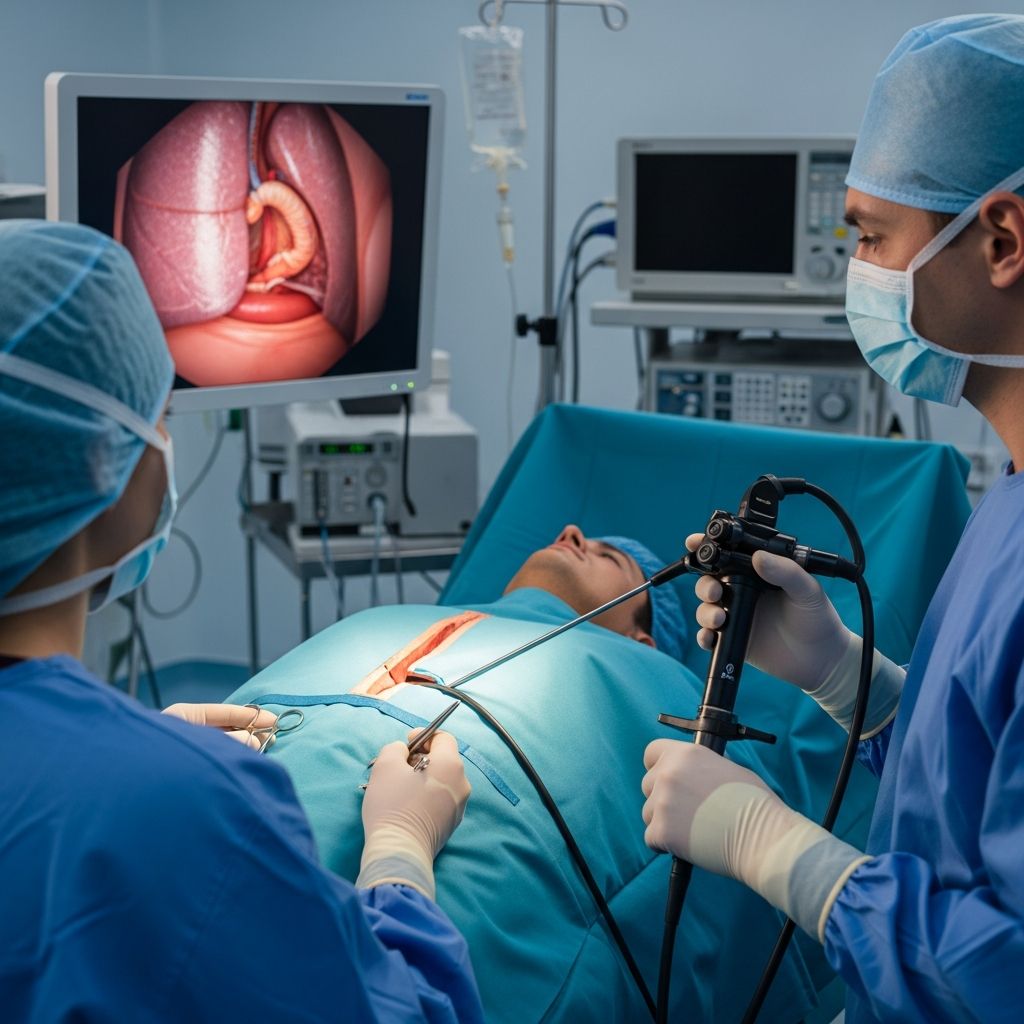
A thoracoscopy is a medical or surgical procedure that healthcare providers use to diagnose or treat issues affecting your lungs, esophagus, or thymus gland. This minimally invasive technique involves inserting a thin tube with a small camera, known as a thoracoscope, through small incisions in your chest wall. The camera allows your surgeon to visualize the internal structures of your thoracic cavity and perform necessary diagnostic or therapeutic interventions.
Thoracoscopy is also commonly referred to as pleuroscopy, particularly when focusing on the pleural space surrounding the lungs. The procedure represents a significant advancement in chest surgery, offering patients a less traumatic alternative to traditional open-chest surgery (thoracotomy), which requires much larger incisions.
Types of Thoracoscopy Procedures
There are two primary types of thoracoscopy procedures that your healthcare provider may recommend:
Diagnostic Thoracoscopy
Diagnostic thoracoscopy is performed to examine the chest cavity and obtain tissue samples for analysis. This type helps identify the presence of disease, cancer, or infection. A pulmonologist can perform diagnostic thoracoscopy, and the procedure typically involves local or general anesthesia depending on whether it’s conducted as an outpatient or inpatient procedure.
Therapeutic Thoracoscopy
Therapeutic thoracoscopy is used as part of minimally invasive surgery to treat a specific problem. Video-assisted thoracoscopy surgery (VATS) falls into this category and must be performed by a thoracic surgeon who has specialized training in chest surgery. This type of procedure allows surgeons to remove tissue, treat infections, drain fluid, or address other thoracic conditions while minimizing tissue trauma.
When Thoracoscopy Is Recommended
Your healthcare provider may recommend a thoracoscopy when they need to:
- Diagnose lung cancer, mesothelioma, or other chest malignancies
- Obtain tissue samples (biopsies) from suspicious lesions or masses
- Treat infections in the pleural space
- Remove fluid accumulation (pleural effusion) from around the lungs
- Evaluate thymus gland disorders
- Address esophageal conditions
- Perform tumor staging and assessment
- Treat pneumothorax (collapsed lung)
If you have lung cancer, mesothelioma, or cancer in your thymus gland or esophagus, your provider may recommend this procedure as part of your diagnostic or treatment plan.
Advantages of Thoracoscopy Over Traditional Surgery
A thoracoscopy procedure is significantly less invasive than a thoracotomy, which involves a much larger incision to open the chest cavity. This minimally invasive approach offers several important advantages:
| Advantage | Description |
|---|---|
| Smaller Incisions | Requires only small incisions (often less than one centimeter) compared to thoracotomy’s large surgical opening |
| Reduced Pain | Less tissue trauma results in significantly less postoperative pain |
| Faster Recovery | Most patients return to normal activities within two weeks, with full recovery in four to six weeks |
| Lower Infection Risk | Smaller incisions mean reduced risk of infection and complications |
| Shorter Hospital Stay | Often performed as outpatient procedures or with minimal hospitalization required |
| Improved Cosmetic Outcome | Minimal scarring compared to traditional open surgery |
You may need a thoracotomy if your provider determines they cannot safely accomplish what they need to do with a thoracoscopy, but this is increasingly rare as minimally invasive techniques continue to advance.
Related Stories



Who Performs Thoracoscopy
The type of healthcare provider performing your thoracoscopy depends on the procedure being done. A pulmonologist can perform diagnostic thoracoscopy for examination and biopsy purposes. However, a thoracic surgeon who has additional specialized training in thoracic surgery must perform video-assisted thoracoscopy surgery. These surgeons have expertise in diagnosing and treating conditions affecting the chest area and are trained in minimally invasive surgical techniques.
At specialized medical centers like Cleveland Clinic, thoracic surgeons are leaders in performing various thoracoscopic procedures and are increasingly using these advanced minimally invasive techniques.
Before Your Thoracoscopy Procedure
Proper preparation is essential for a successful thoracoscopy. Your healthcare provider will give you specific instructions to follow before your procedure. Here’s what you can typically expect:
Pre-Operative Instructions
Your surgeon may instruct you to:
- Fast (avoid eating or drinking) for several hours before the procedure
- Stop taking certain medications, including vitamins and herbal supplements
- Quit smoking before surgery to improve healing and reduce complications
- Arrange for transportation, as you won’t be able to drive after anesthesia
- Wear comfortable, loose-fitting clothing to your appointment
Pre-Operative Testing
Before video-assisted thoracoscopic surgery, you may receive tests such as:
- Chest X-rays to visualize lung anatomy
- CT scans for detailed imaging of the thoracic cavity
- Blood tests to assess your overall health status
- Pulmonary function tests to evaluate breathing capacity
- Electrocardiogram (EKG) to assess heart function
These tests help your surgical team plan the procedure and identify any potential risks or complications.
The Thoracoscopy Procedure Step-by-Step
Understanding what happens during your thoracoscopy can help ease any anxiety about the procedure. Here’s what you can typically expect:
Anesthesia Administration
You’ll receive general anesthesia to sleep through the procedure, or local anesthesia if it’s performed as an outpatient diagnostic procedure. If you receive general anesthesia, a breathing tube will be inserted to assist with ventilation during surgery. Your anesthesiologist will be a specialist in thoracic operations and may perform single lung ventilation, where your breathing occurs only in the lung not being operated on.
Patient Positioning
Your surgical team will position you on your nonsurgical side with one arm over your head. The team will adjust the arm over your head into a padded holder and support the other arm and shoulder with a rolled blanket to ensure your comfort and stability during the procedure.
Incision and Thoracoscope Insertion
Your surgeon will make small incisions (typically one to three) between your ribs, usually on the side where the condition exists. The thoracoscope, a thin tube equipped with a camera and light, is inserted through one of these incisions. This allows your surgeon to see inside your chest cavity clearly.
Air Insufflation
The thoracic surgeon introduces a small amount of air into the pleural space to separate the lung from the chest wall, improving visibility without damaging the lung tissue.
Examination and Treatment
Depending on your specific condition and the type of procedure being performed, your surgeon will:
- Examine the lungs, pleural space, and surrounding structures
- Take tissue samples (biopsy) for laboratory analysis
- Remove diseased tissue or organs
- Drain fluid accumulation
- Treat infections or inflammation
- Perform surgical interventions as planned
Robotic Assistance (When Available)
Some surgeons use robotic technology to perform video-assisted thoracoscopy. Your surgeon views images from the thoracoscope and operates robotic arms placed through small incisions to remove tissue or the diseased organ, offering enhanced precision and control.
Closure and Recovery Initiation
Once the procedure is complete, your surgeon will remove any instruments, ensure proper lung re-expansion, and close the incisions. A chest tube may be placed to help drain fluid and air from the thoracic cavity during initial recovery.
Procedure Duration
A VATS or robotic procedure usually takes two to three hours for lung cancer operations. Times for video-assisted thoracoscopic surgeries vary significantly based on how complex the operation is and what specific conditions are being treated. Minimally invasive surgery often takes less time to perform than an open-chest surgery (thoracotomy), and because there’s no large incision, the recovery is less painful and typically quicker.
Pain Management During Thoracoscopy
Because you’re receiving anesthesia during your thoracoscopy, you won’t feel any pain during the procedure itself. Afterward, you can take medicine for pain at your incisions as needed, and your healthcare team will help manage discomfort as part of your recovery care.
Recovery and Post-Operative Care
Proper post-operative care is crucial for a smooth recovery after thoracoscopy:
Immediate Post-Operative Period
After surgery, your healthcare team will help you manage pain and encourage mobility. It’ll take time to feel alert after getting sedation or anesthesia. Your throat and mouth may be numb, and you can’t eat or drink while they feel that way. Because of the breathing tube, you may be hoarse or have a sore throat the day after your thoracoscopy procedure.
Initial Recovery Activities
Your healthcare team will:
- Encourage you to do deep breathing exercises to prevent complications
- Help you walk around to improve circulation and prevent blood clots
- Monitor your vital signs and wound healing
- Manage pain with appropriate medications
- Remove the chest tube before you go home
Physical Therapy
Your healthcare provider may ask you to do physical therapy to help you recover faster and lower your chances of complications. This may include guided exercises and activity progression.
Return to Normal Activities
You can start doing normal activities again within two weeks of your thoracoscopy. Full recovery usually takes four to six weeks, allowing time for complete healing of the incisions and full restoration of chest wall function.
Risks and Complications
While thoracoscopy is generally safe, as with any surgical procedure, there are potential complications to be aware of:
The estimated mortality rate for a medical thoracoscopy is 0.3%. The mortality rate for video-assisted thoracoscopy is slightly higher. Complication rates for both types range from 2% to 11%, including minor and major complications.
Possible side effects may include:
- Pain or soreness at incision sites
- Infection at the surgical site
- Bleeding
- Collapsed lung (pneumothorax)
- Air leaks
- Persistent cough
- Fluid accumulation
- Temporary breathing difficulties
When Thoracotomy May Be Necessary
In some cases, your surgeon may determine that a thoracotomy (open chest surgery) is necessary instead of thoracoscopy. This occurs when:
- Complications arise during the minimally invasive procedure
- The extent of disease is greater than anticipated
- Critical structures are at risk
- The condition cannot be safely treated with minimally invasive techniques
Frequently Asked Questions About Thoracoscopy
Q: Is thoracoscopy painful?
A: No, you won’t feel pain during the procedure because you receive anesthesia. After the procedure, you may experience soreness at the incision sites, which can be managed with prescribed pain medications.
Q: How long does recovery take after thoracoscopy?
A: You can typically return to normal activities within two weeks, with full recovery taking four to six weeks. This is significantly faster than recovery from open-chest surgery.
Q: What are the main advantages of thoracoscopy over open surgery?
A: Thoracoscopy offers smaller incisions, reduced pain, faster recovery, lower infection risk, shorter hospital stays, and better cosmetic outcomes compared to traditional thoracotomy.
Q: Can thoracoscopy be performed as an outpatient procedure?
A: Yes, some diagnostic thoracoscopy procedures can be performed on an outpatient basis, allowing patients to go home the same day after recovery from anesthesia.
Q: What conditions can be diagnosed or treated with thoracoscopy?
A: Thoracoscopy can diagnose and treat lung cancer, mesothelioma, pleural effusion, thymus gland disorders, esophageal conditions, infections, and other thoracic conditions.
Q: Who should perform thoracoscopy procedures?
A: A pulmonologist can perform diagnostic thoracoscopy, while a thoracic surgeon with specialized training must perform therapeutic thoracoscopy (VATS).
Q: What should I expect regarding anesthesia?
A: For video-assisted thoracoscopy, you’ll receive general anesthesia and sleep through the procedure. For diagnostic procedures done as outpatient surgery, local anesthesia may be used while you remain awake.
References
- Video-Assisted Thoracic Surgery (VATS) — Cleveland Clinic. Accessed December 2024. https://my.clevelandclinic.org/health/treatments/17617-video-assisted-thoracic-surgery-vats
- Thoracic Surgery Department — Cleveland Clinic. Accessed December 2024. https://my.clevelandclinic.org/departments/heart/depts/thoracic-surgery
- Thoracotomy: What It Is, Purpose, Procedure & Recovery — Cleveland Clinic. Accessed December 2024. https://my.clevelandclinic.org/health/treatments/22981-thoracotomy
- Thoracoscopy: Procedure Details and Recovery — Cleveland Clinic. Accessed December 2024. https://my.clevelandclinic.org/health/diagnostics/23463-thoracoscopy
- Thoracoscopy for Mesothelioma Diagnosis — Mesothelioma Hope. Accessed December 2024. https://www.mesotheliomahope.com/mesothelioma/diagnosis/biopsy/thoracoscopy/
Similar Articles








Read full bio of Sneha Tete