Threadworms: Causes, Signs, and Treatment
Discover how to identify, prevent, and eliminate threadworms – the common intestinal parasite affecting children and adults alike.
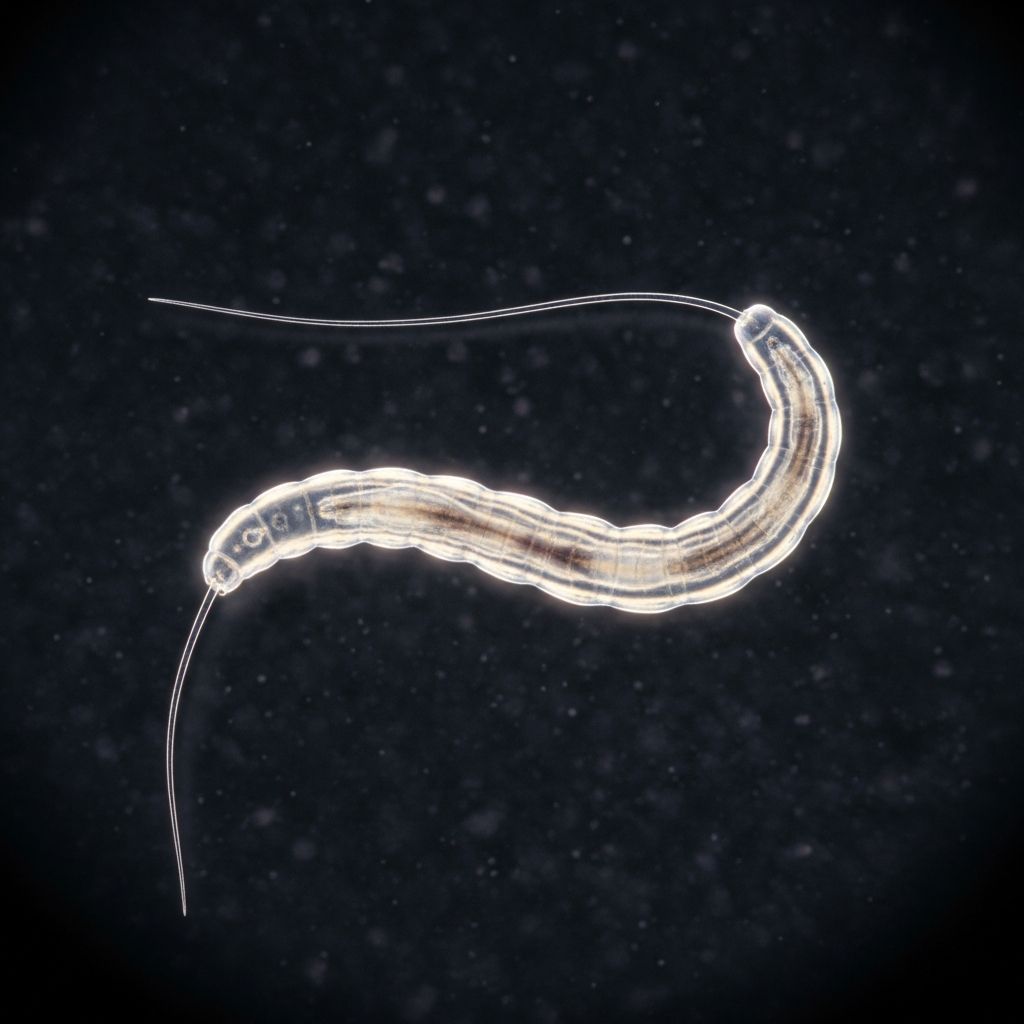
Threadworms, scientifically known as Enterobius vermicularis or pinworms, represent one of the most prevalent parasitic infections worldwide, particularly among children. These small, white, thread-like worms reside in the human intestines and can lead to significant discomfort through their lifecycle and egg-laying habits. Understanding their biology, transmission routes, and management strategies is essential for effective control, especially in household or school settings where spread is rapid.
Biology and Lifecycle of Threadworms
Adult threadworms are minuscule parasites, with females measuring 8-13 mm in length and males 2-5 mm. They inhabit the large intestine and rectum, where they feed on intestinal contents. The lifecycle begins when a person ingests microscopic eggs, which hatch in the small intestine and mature into adults within 2-6 weeks. At night, gravid females migrate to the perianal skin to deposit thousands of eggs, accompanied by an irritating mucus that triggers intense itching. These eggs become infectious within hours, surviving up to two weeks on surfaces, and can spread via contaminated hands, objects, or even airborne particles.
This nocturnal egg-laying is key to both symptoms and transmission. Eggs are nearly invisible to the naked eye but resilient, sticking to skin, clothing, bedding, and dust. Unlike other worms, threadworms are human-specific and do not infect animals, making person-to-person contact the primary vector.
Common Symptoms and Complications
The hallmark symptom of threadworm infection is perianal itching, worst at night due to female worms laying eggs. This can disrupt sleep, leading to irritability, restlessness, and fatigue in affected individuals. Many infections are asymptomatic, especially light ones, but heavier infestations amplify discomfort.
Additional signs include:
- Visible worms in stool, underwear, or around the anus – resembling tiny white threads.
- Abdominal discomfort or pain.
- Vaginal irritation or discharge in females if worms migrate.
- Secondary bacterial infections from scratching-induced skin breaks.
- Rarely, bedwetting, teeth grinding, or weight loss in children.
While rarely serious, untreated infections can cause chronic sleep issues and psychological distress. In girls, ectopic migration may lead to vulvovaginitis or urinary tract issues.
How Threadworms Spread in Homes and Communities
Transmission occurs via the fecal-oral route when eggs are swallowed. Scratching transfers eggs from the anus to fingers, then to mouths directly or indirectly via contaminated items. Common fomites include:
- Bedding, towels, and pajamas.
- Toys, furniture, and doorknobs.
- Kitchen surfaces, utensils, and food.
- Toilet seats and bathroom fixtures.
Eggs can linger on surfaces for 2-3 weeks and become airborne when disturbed, increasing risk in crowded environments like daycare centers or families sharing bathrooms. Children are most susceptible due to habits like thumb-sucking or poor hand hygiene.
| High-Risk Setting | Why It’s Risky | Prevention Focus |
|---|---|---|
| Schools/Daycares | Crowded play, shared toys | Handwashing, toy cleaning |
| Households | Shared bedding/bathrooms | Daily laundry, hygiene routines |
| Adults with Kids | Caregiving contact | Treat whole family |
Diagnosis Methods for Accurate Identification
Diagnosis relies on history and visual confirmation rather than routine stool tests, as eggs are rarely found in feces. The gold standard is the Scotch tape test: Apply clear adhesive tape to the perianal area first thing in the morning, before bathing or defecating, then examine under a microscope for eggs. Worms may be spotted directly on underwear, in stool, or during sleep by gently parting the anal folds 2-3 hours after bedtime.
Related Stories



Home checks involve using a flashlight at night. If symptoms persist without visuals, consult a healthcare provider for tape submission or presumptive treatment, especially in endemic areas.
Effective Treatment Options
Treatment is straightforward with over-the-counter or prescription anthelmintics like mebendazole or albendazole, which kill adult worms but not eggs. A standard regimen is two doses: one immediately, repeated after 2 weeks to eradicate hatched eggs. All household members should treat simultaneously to prevent ping-pong reinfection.
Medication Table
| Drug | Dosage (Adults/Children >2 yrs) | Notes |
|---|---|---|
| Mebendazole | 100mg single dose, repeat in 2 weeks | Safe for ages 2+; chewable |
| Albendazole | 400mg single dose, repeat | Prescription often needed |
| Pyarantel Pamoate | 11mg/kg single dose, repeat | Alternative OTC option |
Pregnant individuals or infants under 2 require medical advice. Combine drugs with rigorous hygiene to break the cycle.
Prevention Strategies to Stop Reinfection
Hygiene is paramount during and after treatment:
- Wash hands thoroughly with soap after toilet use, before eating, and bedtime.
- Trim fingernails short; discourage nail-biting/thumb-sucking.
- Daily showers or baths, focusing on anal area; girls sit in shallow baths.
- Change underwear, pajamas, and bedsheets daily; wash in hot water (>60°C).
- Vacuum carpets, damp-dust surfaces; avoid shaking bedding outdoors.
- Cook food thoroughly; clean toys/utensils regularly.
Treat the entire household preemptively if one member is infected. Symptoms often recur without these measures, as eggs persist environmentally.
Special Considerations for Children and Families
Children under 10 account for most cases due to close contact and hygiene challenges. Schools should educate on handwashing without stigma, as infections aren’t linked to poor parenting. In families, simultaneous treatment prevents reservoirs. Monitor for 4-6 weeks post-treatment; repeat if needed. Rarely, heavy loads warrant doctor follow-up for complications like appendicitis (extremely uncommon).
For girls experiencing vaginal symptoms, topical treatments may supplement oral meds. Always consult pharmacists or GPs for tailored advice.
Frequently Asked Questions (FAQs)
Can threadworms go away on their own?
Light infections may self-resolve as worms die (lifespan 4-6 weeks), but reinfection is common without hygiene changes. Treatment accelerates clearance.
Are threadworms dangerous?
Generally not; they cause discomfort but no long-term harm in healthy people. Rare complications include infections from scratching.
How long are threadworms contagious?
From egg ingestion to treatment; post-treatment, follow hygiene for 2-3 weeks as eggs linger.
Can adults get threadworms?
Yes, often from infected children; symptoms mirror those in kids.
Is there a vaccine for threadworms?
No vaccine exists; prevention relies on hygiene and prompt treatment.
When to Seek Medical Help
Consult a doctor if OTC treatments fail after two rounds, symptoms worsen (e.g., severe pain, fever), or for vulnerable groups like pregnant women/immunocompromised. Persistent infections may indicate resistance or co-infections.
References
- Pinworms (threadworms): Symptoms, causes, and treatments — Medical News Today. 2023-10-15. https://www.medicalnewstoday.com/articles/175134
- Threadworms — NHS UK. 2023-08-01. https://www.nhs.uk/conditions/threadworms/
- Threadworm infection — UCLH NHS. 2024-01-10. https://www.uclh.nhs.uk/patients-and-visitors/patient-information-pages/threadworm-infection
- Pinworms (Threadworms): Symptoms, How You Get Them — Cleveland Clinic. 2024-05-20. https://my.clevelandclinic.org/health/diseases/21137-pinworms
- Doctor explains HOW TO TREAT PINWORMS (aka threadworms) — YouTube (Doctor O’Donovan). 2023-06-12. https://www.youtube.com/watch?v=Q7moQvWoLs0
- Pinworm infection – Symptoms & causes — Mayo Clinic. 2024-02-28. https://www.mayoclinic.org/diseases-conditions/pinworm/symptoms-causes/syc-20376382
- About Pinworm Infection — Centers for Disease Control and Prevention (CDC). 2024-11-05. https://www.cdc.gov/pinworm/about/index.html
Similar Articles








Read full bio of medha deb