3 Research-Backed Natural Drinks To Lower Blood Pressure
Discover three simple, natural drinks backed by science to help manage and lower high blood pressure effectively.
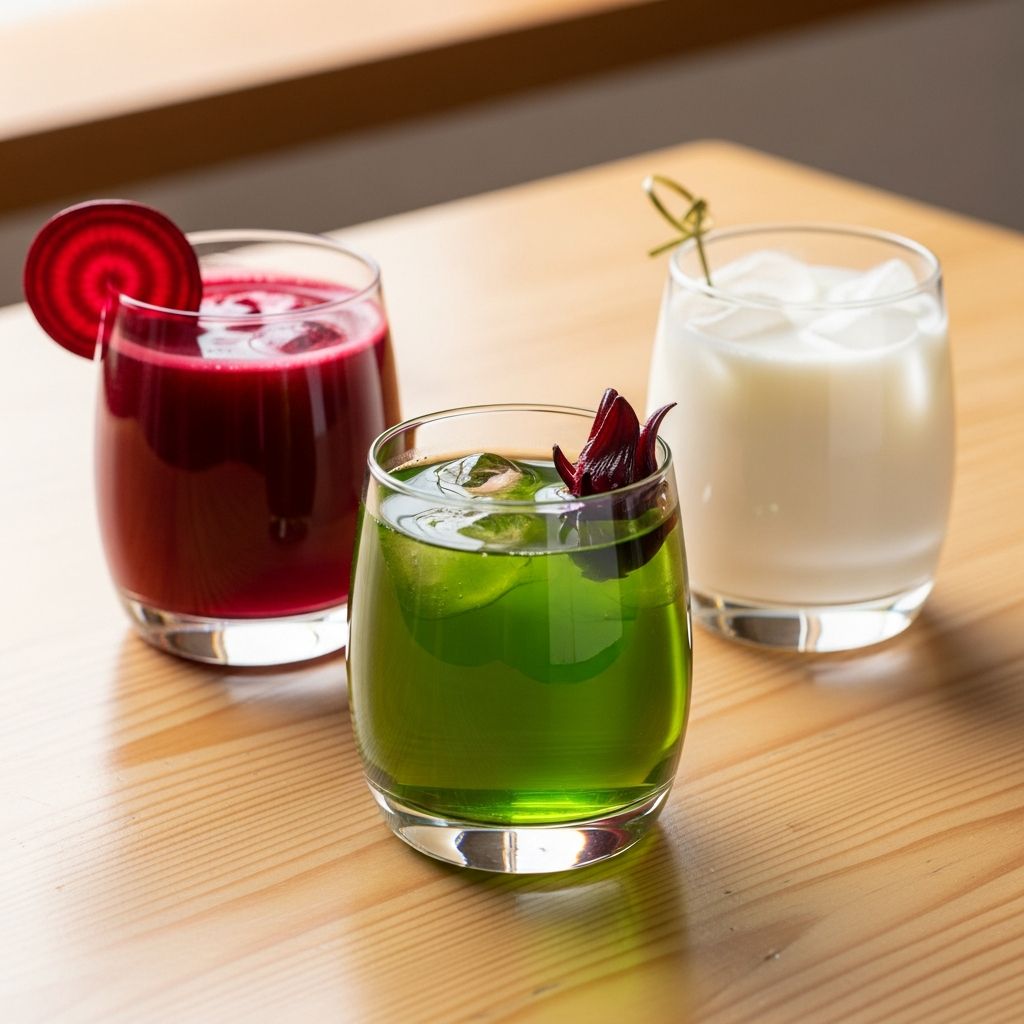
High blood pressure, or hypertension, affects millions worldwide and is a major risk factor for heart disease, stroke, and other complications. Often called the “silent killer,” it typically shows no symptoms until serious damage occurs. While medications and lifestyle changes are essential, certain natural drinks can support blood pressure management. This article explores three research-backed beverages: beet juice, hibiscus tea, and unsalted tomato juice. These drinks offer nitrates, antioxidants, and other compounds that promote vascular relaxation and reduce inflammation. Incorporating them into a balanced diet may yield noticeable benefits, but they are not substitutes for medical treatment. Always consult your healthcare provider before making changes, especially if you’re on medications.
What Is Blood Pressure and Why Does It Matter?
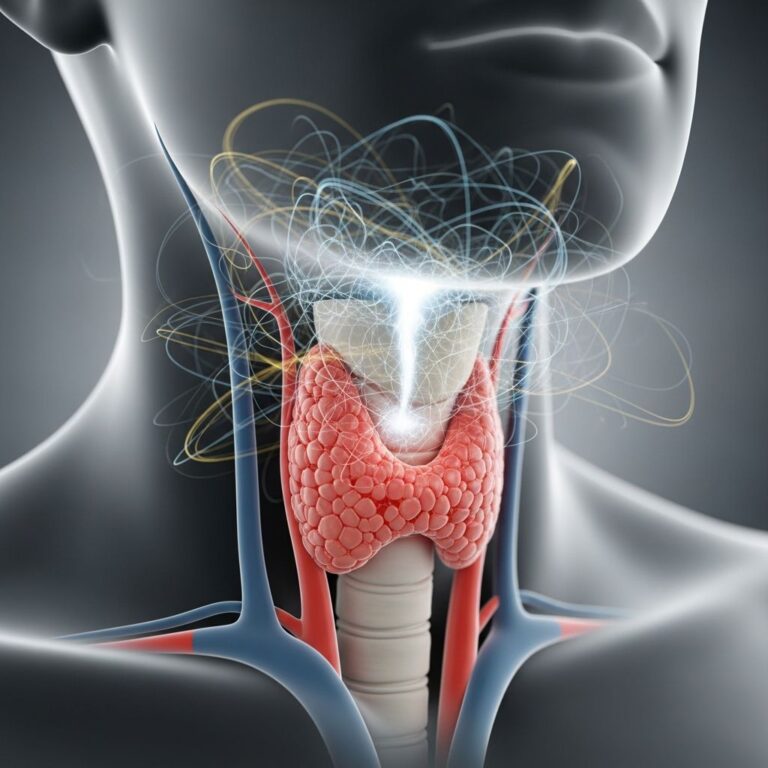
Blood pressure measures the force of blood against artery walls as the heart pumps. It’s recorded as two numbers: systolic (top, during heartbeats) and diastolic (bottom, between beats). Normal is less than 120/80 mmHg; hypertension starts at 130/80 mmHg or higher. Chronically elevated levels strain the heart, damage vessels, and increase risks of cardiovascular events. Factors like diet, stress, exercise, and genetics contribute. Dietary nitrates from beets convert to nitric oxide, relaxing vessels; anthocyanins in hibiscus act like ACE inhibitors; lycopene and potassium in tomatoes counter sodium effects.
1. Beet Juice
Beet juice stands out for its high nitrate content, which the body converts to nitric oxide—a potent vasodilator that relaxes blood vessels, improves blood flow, and lowers pressure. Studies show effects within 30 minutes, lasting up to 24 hours. One trial found 250 mL (about 1 cup) daily reduced systolic pressure by 4-10 mmHg in hypertensives. Raw beets yield more potent juice than cooked, maximizing benefits. Beyond pressure, it enhances exercise performance and cuts cardiovascular death risk by 10% with modest reductions.
How Beet Juice Works
- Nitrates to Nitric Oxide: Dietary nitrates transform into nitric oxide, expanding vessels and easing heart workload.
- Rapid Onset: Pressure drops start in 30 minutes; consistent intake sustains effects.
- Additional Perks: Boosts stamina, supports endothelial function, rich in betalains (antioxidants).
Recipe: Simple Morning Beet Juice
- Juice 2 medium beets, 1 apple, 1 carrot, and a thumb-sized ginger piece.
- Strain if desired; drink 1 cup fresh on an empty stomach.
- Yield: 250 mL. Prep time: 10 minutes. Store refrigerated up to 24 hours.
Start with half a cup if new to its earthy taste; dilute with water or lemon. Women with hypertension saw improved vessel function post-exercise.
2. Hibiscus Tea
Hibiscus sabdariffa tea, vibrant red and tart, mimics blood pressure drugs. Its anthocyanins and polyphenols inhibit ACE enzymes, preventing vessel constriction, while anti-inflammatory properties protect the heart. Research on prehypertensives showed 3 cups daily dropped systolic pressure by 7.2 mmHg over weeks—comparable to medication in some. Calorie-free and refreshing, it’s ideal for morning rituals. Effects build with regularity; vascular relaxation keeps arteries open.
Benefits Breakdown
| Compound | Effect | Evidence |
|---|---|---|
| Anthocyanins | ACE inhibition, vessel relaxation | 7.2 mmHg systolic drop |
| Polyphenols | Reduce inflammation, oxidative stress | Protects cardiovascular health |
| Low calorie | Weight management aid | Suitable for daily use |
Recipe: Refreshing Hibiscus Tea
- Steep 2 tsp dried hibiscus flowers (or 1 tea bag) in 8 oz boiling water for 5-10 minutes.
- Add lemon or a cinnamon stick; strain and sip warm or iced.
- Aim for 3 cups daily, starting mornings.
Related Stories



Freshly brewed maximizes potency; avoid sweetened versions to preserve benefits.
3. Unsalted Tomato Juice
Tomatoes pack lycopene (antioxidant) and potassium, which balance sodium, lower LDL cholesterol, and ease pressure. A year-long study in older adults found 200 mL daily improved systolic readings and lipid profiles. Opt for unsalted to avoid sodium spikes—processed versions often hide excess salt. Lycopene combats oxidative stress; potassium flushes excess sodium. Convenient for breakfast, it supports sustained management.
Key Nutrients and Impacts
- Lycopene: Fights vessel damage, lowers LDL.
- Potassium: Counters sodium, relaxes vessels.
- Study Results: 200 mL/day for 1 year reduced systolic BP in 55+ group.
Recipe: Homemade Unsalted Tomato Juice
- Blend 6 ripe tomatoes, 1 celery stalk, dash of black pepper, and lemon juice.
- Strain for smoothness; chill and serve 1 cup.
- No salt—flavor with herbs like basil.
Buy low-sodium store brands if short on time; check labels.
Other Drinks Worth Trying
Expand options with these evidence-based beverages:
- Pomegranate Juice: Polyphenols reduce systolic/diastolic pressure; ACE-like inhibition.
- Green/Black Tea: Catechins relax vessels; daily intake lowers BP in healthy adults.
- Skim Milk: Potassium, magnesium, calcium aid heart pumping; effects in 4 weeks for 55+.
- Berry Juices (Cranberry/Cherry): Polyphenols decrease inflammation and BP.
- Grapefruit Juice: Potassium and lycopene help, but avoid with certain meds.
Choose unsweetened; sugar negates gains.
How to Incorporate These Drinks
Maximize benefits with smart habits:
- Drink on empty stomach mornings for optimal absorption.
- Alternate: Beet Mon, hibiscus Tue, tomato Wed.
- Pair with DASH diet: fruits, veggies, low sodium (<2,300 mg/day).
- Hydrate: 8+ cups water daily; dehydration raises BP.
- Avoid: Caffeine, alcohol, sugary/energy drinks.
| Drink | Daily Amount | Best Time | Cautions |
|---|---|---|---|
| Beet Juice | 1 cup | Morning | May turn urine red; start slow |
| Hibiscus Tea | 3 cups | Throughout day | Diuretic effect |
| Tomato Juice | 1 cup unsalted | Breakfast | Check sodium |
Combine with 150 min/week exercise, stress reduction.
Precautions and When to See a Doctor
These drinks complement—not replace—meds. Interactions possible (e.g., grapefruit with statins). Monitor BP; seek care if >180/120 or symptoms like headaches, chest pain. Pregnant? Diabetics? Consult pros. Kidney issues may limit potassium-rich drinks. Track progress with home monitor.
Frequently Asked Questions (FAQs)
Q: How quickly do these drinks lower blood pressure?
A: Beet juice acts in 30 minutes (up to 24 hours); hibiscus/tomato show effects in weeks with daily use.
Q: Can I drink them if on BP medication?
A: Yes, but consult doctor—some enhance effects or interact.
Q: Are sweetened versions okay?
A: No—sugar raises BP; stick to unsweetened.
Q: What’s the best daily routine?
A: Morning empty stomach; rotate drinks, pair with low-sodium diet.
Q: Do they work for everyone?
A: Best for prehypertension; results vary. Lifestyle key.
References
- Heart Health: 3 morning drinks that can reduce Blood Pressure — Times of India. 2025-10-01. https://timesofindia.indiatimes.com/life-style/health-fitness/heart-health-3-morning-drinks-that-can-reduce-blood-pressure/articleshow/125501385.cms
- What You Drink Can Raise or Lower Your Blood Pressure — Banner Health. 2023-05-15. https://www.bannerhealth.com/healthcareblog/better-me/what-you-drink-can-raise-or-lower-your-blood-pressure
- 9 Drinks That Can Lower Blood Pressure Quickly — GoodRx. 2024-08-20. https://www.goodrx.com/conditions/hypertension/what-drinks-lower-blood-pressure-quickly
- What to Drink When You Have High Blood Pressure — National Council on Aging. 2024-03-12. https://www.ncoa.org/article/what-to-drink-when-you-have-high-blood-pressure/
- The best and worst foods for high blood pressure — British Heart Foundation. 2023-11-05. https://www.bhf.org.uk/informationsupport/heart-matters-magazine/nutrition/foods-that-lower-blood-pressure
Similar Articles








Read full bio of Sneha Tete