Thriving After 60: Essential Wellness Strategies
Unlock vitality in your 60s and beyond with proven strategies for nutrition, movement, mental sharpness, rest, and social connections to live longer and stronger.
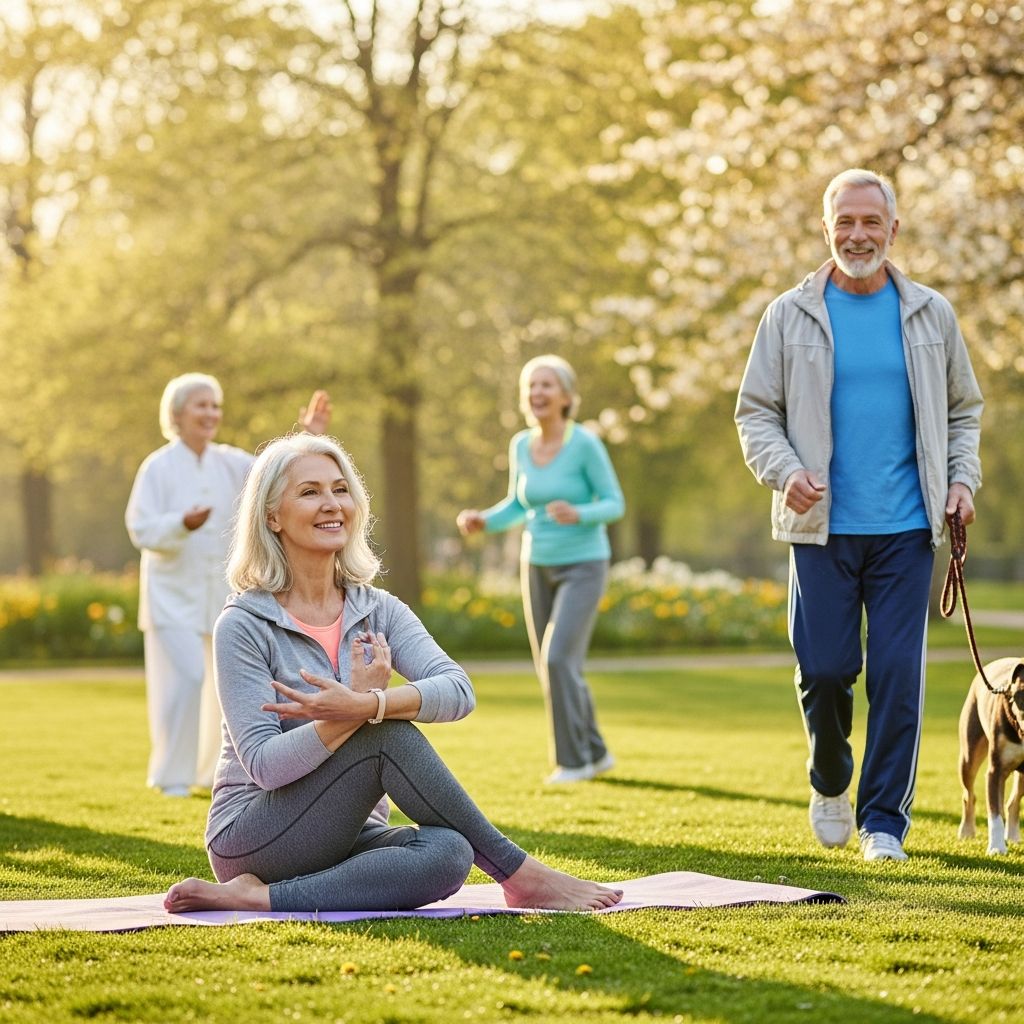
Entering your 60s marks a phase of life rich with opportunity for sustained health and fulfillment. Adopting targeted habits in nutrition, physical activity, cognitive maintenance, sleep, and relationships can significantly elevate quality of life, reduce chronic disease risks, and foster independence. This guide draws from authoritative health recommendations to outline actionable steps tailored for this age group.
Building a Nutrient-Rich Foundation
Nutrition forms the cornerstone of vitality post-60. As metabolic needs shift, prioritizing whole, nutrient-dense foods supports muscle preservation, bone density, and immune function. Focus on patterns like those emphasizing plant-based foods, lean proteins, and healthy fats, which align with guidelines from federal health resources.
Key principles include incorporating at least five servings of fruits and vegetables daily, opting for whole grains over refined options, and selecting proteins from seafood, legumes, nuts, and low-fat dairy or fortified alternatives. These choices help combat age-related declines in muscle mass and provide essential nutrients like potassium, calcium, vitamin D, and B12.
- Fruits and Vegetables: Aim for variety—berries for antioxidants, leafy greens for fiber, and citrus for vitamin C. Frozen or canned low-sodium options ease preparation.
- Proteins: Include beans, peas, lentils, fish twice weekly, and dairy to sustain muscle health and prevent sarcopenia.
- Whole Grains: Swap white bread for oats or quinoa to stabilize blood sugar and support heart health.
- Hydration: Consume 8-10 glasses of water daily, enhanced with lemon or cucumber if plain water feels unappealing. Hydrating foods like soups and yogurt count toward intake.
Gradual changes yield lasting results: replace sugary snacks with fruit, or trial a Mediterranean-style plate half-filled with produce. Such diets lower cardiovascular risks and promote longevity, as evidenced by studies on antioxidant-rich eating.
Dynamic Movement for Strength and Balance
Regular physical activity is non-negotiable for countering age-related losses in strength, flexibility, and coordination. The CDC advises 150 minutes of moderate aerobic exercise weekly, plus muscle-strengthening twice weekly and balance work three times. This regimen fortifies bones, enhances circulation, and mitigates fall risks.
| Type of Exercise | Frequency | Examples | Benefits |
|---|---|---|---|
| Aerobic | 150 min/week | Brisk walking, swimming, cycling | Heart health, endurance, weight management |
| Strength | 2 days/week | Light weights, resistance bands, bodyweight squats | Muscle mass, bone density, metabolism boost |
| Balance/Flexibility | 3 days/week | Yoga, tai chi, single-leg stands | Fall prevention, joint mobility, stress reduction |
Start small: 10-minute walks thrice daily build to 30 minutes. Gardening or chair exercises suit limited mobility. Consistency trumps intensity, improving chronic conditions like diabetes and uplifting mood.
Sharpening Cognitive Edges
Brain health thrives on stimulation and lifestyle synergy. Physical activity boosts cerebral blood flow, while diet supplies neuroprotective nutrients. Engage in lifelong learning to build cognitive reserve against decline.
- Mental Challenges: Puzzles, reading, or learning instruments keep neural pathways active.
- Social Learning: Join classes or discussion groups for combined intellectual and relational gains.
- Daily Integration: Apps for languages or memory games offer convenient brain workouts.
Research links regular exercise and heart-healthy diets to preserved memory and decision-making. Limit alcohol and manage stress to safeguard cognition.
Related Stories



Restorative Sleep: The Unsung Hero
Adults over 60 need 7-9 hours nightly for repair, hormone balance, and immunity. Poor sleep heightens disease risks; quality rest enhances daytime function.
Optimize with routines: consistent bedtimes, dim pre-sleep lighting, and daytime light exposure. Avoid screens and heavy meals late. Outdoor walks regulate circadian rhythms.
- Establish a wind-down ritual: herbal tea, light reading.
- Keep bedroom cool, dark, quiet.
- Track patterns; consult doctors for persistent issues.
Social Connections and Emotional Resilience
Loneliness rivals smoking in health tolls. Nurture ties through meals with friends, clubs, or volunteering. These buffer stress, combat depression, and extend lifespan.
Prioritize mental health: mindfulness, therapy if needed. Community programs offer structured engagement.
Preventive Health Oversight
Annual check-ups catch issues early. Monitor weight, blood pressure; adhere to screenings for cancers, osteoporosis. Vaccinations and medication reviews are vital.
FAQs
What’s the best diet for over 60?
A balanced intake with fruits, veggies, whole grains, lean proteins, and hydration, akin to MyPlate guidelines.
How much exercise is enough?
150 minutes moderate aerobic plus strength/balance work weekly, per CDC.
Can I start exercising late?
Yes, benefits accrue anytime; begin gently.
How to improve sleep?
Consistent schedules, light exposure, relaxing routines.
Why prioritize social life?
Reduces isolation risks, boosts well-being.
References
- Healthy Habits for Adults Over 60 — FamilyDoctor.org. 2023. https://familydoctor.org/healthy-habits-at-age-60-and-beyond/
- Healthy Aging Tips for Older Adults — National Institute on Aging, NIH.gov. 2024-10-01. https://www.nia.nih.gov/health/caregiving/healthy-aging-tips-older-adults-your-life
- Nutrition Information for Older Adults — MyPlate.gov (USDA). 2025. https://www.myplate.gov/life-stages/older-adults
- Aging: What to Expect — Mayo Clinic. 2024-05-15. https://www.mayoclinic.org/healthy-lifestyle/healthy-aging/in-depth/aging/art-20046070
- Promote Physical Activity in Older Adults — Centers for Disease Control and Prevention (CDC). 2024. https://www.cdc.gov/physicalactivity/basics/older_adults/index.htm
Similar Articles








Read full bio of medha deb