Thriving Solo With Parkinson’s: Practical Living Tips
Discover practical strategies, home adaptations, and community resources to maintain independence and well-being when living alone with Parkinson's disease.

Living independently with Parkinson’s disease demands proactive planning and adaptive strategies to address both physical limitations and emotional hurdles. By implementing targeted home improvements, fostering connections, and optimizing routines, individuals can sustain autonomy and improve daily life satisfaction.
Navigating Physical Hurdles in Daily Life
Parkinson’s often introduces mobility restrictions, tremors, and fatigue that complicate solo living. Freezing episodes, balance instability, and diminished fine motor control can heighten fall risks and hinder routine chores like meal prep or laundry.
- Mobility aids: Walkers with laser guides help interrupt freezing by providing visual cues for stepping.
- Balance support: Tai chi or balance-training exercises, recommended by physical therapists, reduce fall incidents by up to 50% in PD patients.
- Fatigue management: Energy-conserving techniques, such as batch-cooking meals weekly, preserve stamina for essential activities.
These adaptations allow solo dwellers to handle physical demands without constant external aid, promoting confidence.
Designing a Secure Home Environment
A hazard-free living space is foundational for safety. Strategic modifications minimize accident risks associated with PD symptoms.
| Area | Recommended Changes | Benefits |
|---|---|---|
| Bathroom | Grab bars by toilet and shower; fold-down shower bench; non-slip flooring | Prevents slips during transfers; supports weight during weakness episodes |
| Kitchen | Lower cabinets with pull-out shelves; lever faucets; rocker knives | Eases access and grip for cooking; reduces strain on trembling hands |
| Hallways/Bedroom | Clear pathways; motion-sensor lights; bed rails | Eliminates tripping; improves nighttime navigation |
Installing smart home tech, like automated lighting and voice-activated appliances, further enhances accessibility without physical effort. Regular occupational therapy assessments ensure modifications evolve with symptom progression.
Combating Emotional Isolation Effectively
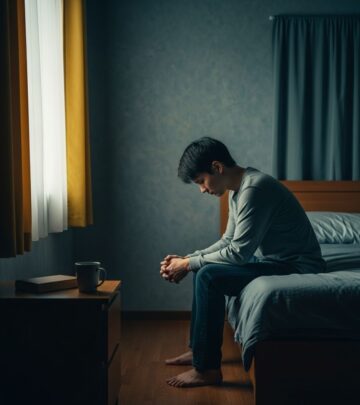
Social disconnection exacerbates PD symptoms, worsening motor function and quality of life. Loneliness correlates with heightened depression risk and cognitive decline in PD patients.
- Daily check-ins via apps with family or neighbors build routine reassurance.
- Mindfulness apps offering guided sessions alleviate anxiety spikes.
- Pet companionship provides unconditional interaction, lowering stress hormones.
Proactively addressing these feelings through structured outreach prevents escalation into severe mental health issues.
Building a Reliable Support Ecosystem
No one thrives entirely alone; a curated network provides backup without dependency. Start by identifying local PD chapters for peer insights.
The Parkinson’s Foundation offers PD Solo groups, virtual meetings for those living independently, sharing tips on everything from symptom tracking to vendor services.
- Neighbor alliances: Mutual aid pacts for tasks like yard work or emergency alerts.
- Professional allies: Home health aides for periodic chores; telehealth neurologists for remote monitoring.
- Community hubs: Senior centers or PD exercise classes foster friendships organically.
Diversifying connections ensures coverage for varied needs, from emotional venting to practical assistance.
Mastering Daily Routines for Efficiency
Streamlining tasks conserves energy and reduces frustration. Prioritize high-energy periods for demanding activities, like morning mobility exercises before fatigue sets in.
Related Stories



- Meal planning: Use delivery subscriptions for pre-portioned ingredients; slow cookers for hands-free cooking.
- Hygiene hacks: Electric toothbrushes, adaptive clothing with magnetic closures.
- Household maintenance: Robot vacuums and laundry baskets on wheels minimize bending.
Digital tools, such as medication reminder apps synced to smartwatches, prevent missed doses that could worsen symptoms.
Advanced Tech for Independent Living
Technology bridges gaps in solo management. Wearable fall detectors alert contacts instantly; voice assistants handle calls, thermostats, and entertainment.
- Smart pill dispensers lock until proper dispensing, combating forgetfulness.
- Video doorbells enable safe visitor screening.
- AI companions simulate conversation, combating isolation during off-hours.
These innovations, often covered by insurance or PD grants, extend safe solo living durations significantly.
Financial and Legal Preparedness
Anticipating progression safeguards assets and wishes. Early estate planning, including powers of attorney and living wills, prevents crises.
Consult social workers for benefit navigation: Medicaid waivers fund home mods; veterans’ programs offer aide stipends. Budget for adaptive equipment via low-interest loans from PD nonprofits.
Holistic Wellness Practices
Beyond meds, lifestyle tweaks optimize function. Plant-based diets rich in antioxidants may slow progression; consistent sleep hygiene counters PD-related insomnia.
Weekly yoga sustains flexibility; journaling tracks mood patterns for therapy adjustments. These self-directed practices empower ongoing control.
Recognizing When to Adapt
Independence evolves; monitor via self-assessments or annual MD reviews. Signs like frequent falls or untreated depression signal need for increased support, such as part-time aides or community housing.
Embracing change preserves dignity while enhancing safety.
Frequently Asked Questions
Can I live alone forever with Parkinson’s?
Many do for years with adaptations, but progression varies. Regular evaluations guide transitions.
What if I fall and no one’s around?
Wearable alerts and floor mats with sensors notify emergency contacts automatically.
How do I fight loneliness daily?
Schedule virtual coffees, join PD Zoom groups, or volunteer remotely to stay engaged.
Are there free resources for home safety?
Parkinson’s organizations provide audits and grant-funded grab bars.
Does living alone worsen symptoms?
Isolation can amplify them; active socializing mitigates this per research.
References
- Loneliness and Risk of Parkinson Disease — PMC. 2023-10-01. https://pmc.ncbi.nlm.nih.gov/articles/PMC10546293/
- How Prolonged Isolation Affects People With Parkinson Disease — JAMA Network. 2023-01-01. https://jamanetwork.com/journals/jama/fullarticle/2789055
- Maintaining Independence When Living Alone with Parkinson’s — Parkinson’s Foundation. 2025-05-28. https://www.parkinson.org/library/podcast/178
- Episode 178: Maintaining Independence When Living Alone with Parkinson’s — Parkinson’s Foundation. 2025-05-28. https://www.youtube.com/watch?v=AmFtnGIJfYQ
- Parkinson’s Disease Coping Tips for Solo Agers — Right at Home. 2024-01-01. https://www.rightathome.net/blog/parkinsons-coping-tips-solo-agers
Similar Articles








Read full bio of medha deb