Thriving with Parkinson’s: Practical Strategies
Discover actionable strategies to manage Parkinson's symptoms, boost independence, and improve daily life quality.
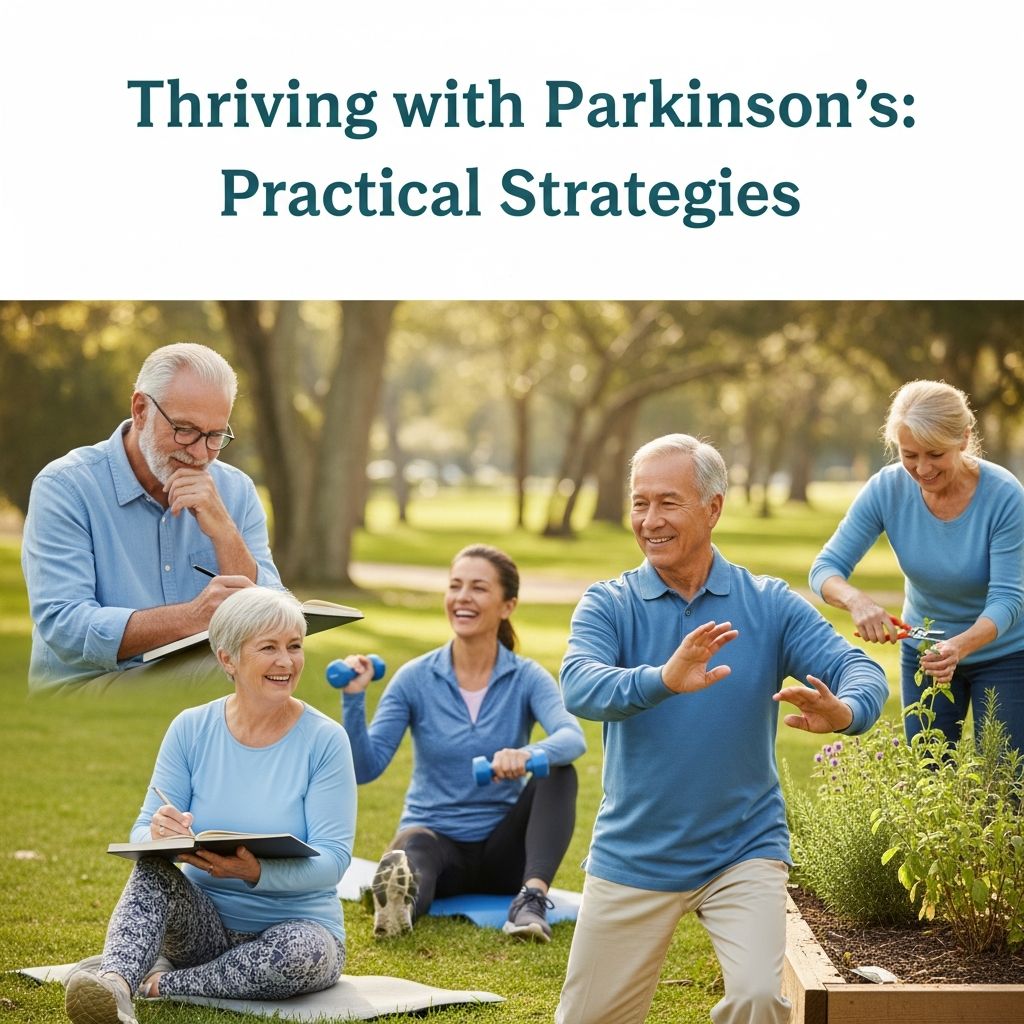
Parkinson’s disease presents unique challenges to everyday routines, but targeted approaches can significantly improve comfort, mobility, and overall satisfaction. By integrating physical activity, nutritional choices, environmental tweaks, and mental wellness practices, individuals can reclaim control and foster a vibrant lifestyle.
Building a Foundation with Movement
Regular physical engagement stands as a cornerstone for countering Parkinson’s effects like stiffness and reduced balance. Research underscores that consistent activity preserves motor function and elevates mood through endorphin release.
- Begin mornings with gentle stretches in bed, targeting neck, shoulders, and ankles to loosen overnight rigidity.
- Incorporate short walks or marches in place during breaks to combat prolonged sitting.
- Opt for Parkinson-specific programs like tai chi or boxing, aiming for 20-30 minutes most days.
These habits not only enhance coordination but also mitigate fatigue, allowing for sustained energy throughout the day. Consult a physical therapist to customize routines safely.
Nourishing the Body for Optimal Function
A thoughtfully planned diet supports neurological health and stabilizes energy, crucial amid Parkinson’s fluctuations. Prioritize nutrient-dense foods that combat oxidative stress and promote steady blood sugar.
| Food Group | Benefits | Examples |
|---|---|---|
| Antioxidant-rich | Protect brain cells | Berries, dark leafy greens |
| Healthy fats | Sustain energy | Avocado, salmon |
| Proteins | Muscle maintenance | Nuts, lean meats |
| Fiber sources | Digestion aid | Whole grains, vegetables |
Shift to smaller, frequent meals to avoid dips, and time protein intake around medications for better absorption. Hydration remains key, as dehydration exacerbates tremors.
Mastering Restorative Sleep Patterns
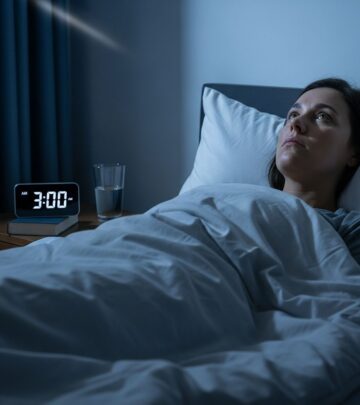
Quality sleep rejuvenates the body, yet Parkinson’s often disrupts it via restlessness or medication side effects. Establishing rituals fosters deeper rest and daytime alertness.
- Adhere to consistent bed and wake times, even on weekends.
- Craft a serene bedroom: cool, dark, and screen-free.
- Wind down with warm baths, light reading, or breathing exercises.
- Restrict naps to early afternoon, under 30 minutes.
Avoid evening stimulants like caffeine. If issues persist, track patterns and discuss with a specialist for tailored interventions.
Simplifying Personal Care Routines
Tasks like dressing and grooming can frustrate due to tremors or bradykinesia, but adaptive techniques restore ease. Patience and preparation transform these into manageable steps.
- Dress during peak medication efficacy; start with the stiffer side.
- Sit on a sturdy chair with arms for stability while donning clothes.
- Select garments with Velcro, magnets, or elastic for quick fastening.
- For shaving or hygiene, use electric tools and supportive grips.
Occupational therapy provides personalized tools like weighted utensils or button aids, promoting dignity and speed.
Optimizing Mealtimes for Independence
Eating should nourish without stress. Adjustments to setup and tools make dining smoother, reducing spill risks and effort.
- Position elbows on a stable, elbow-height table for wrist leverage.
- Secure plates with non-slip mats; choose swivel or built-up handle utensils.
- Allocate ample time per meal, savoring without rush.
- Pre-plan weekly menus to minimize decision fatigue.
Related Stories



Voice-to-text apps aid in grocery lists, preserving energy for enjoyment. These tweaks enhance nutrition intake and social meal times.
Enhancing Home Safety and Accessibility
A modified living space prevents accidents and eases navigation, vital as mobility wanes. Small investments yield substantial independence gains.
- Install grab bars near toilets, showers, and stairs.
- Clear pathways of clutter; use contrasting tape on step edges.
- Add raised seats, reachers, and lever handles.
- Organize essentials in accessible spots with labeled storage.
Daily planners and reminders streamline tasks, curbing overwhelm. Professional assessments ensure comprehensive safety.
Cultivating Mental Sharpness and Calm
Cognitive fog and anxiety accompany Parkinson’s; proactive stimulation and mindfulness counteract them. Daily practices sharpen focus and resilience.
- Dedicate slots for puzzles, reading, or learning apps.
- Practice breathwork or sensory awareness during transitions.
- Join discussion groups to challenge thoughts and build connections.
Mindfulness reduces stress amplification of physical symptoms, fostering presence.
Fostering Connections and Community
Social isolation worsens mood; intentional outreach combats this. Relationships buffer emotional strain and provide practical support.
- Schedule regular calls or visits with loved ones.
- Participate in Parkinson’s support groups or virtual events.
- Volunteer or share experiences to gain perspective.
These bonds remind individuals of their value beyond the disease.
Holistic Approaches and Professional Guidance
Complement core strategies with therapies like acupuncture or yoga, under medical oversight. Track symptoms via apps to inform adjustments.
Multidisciplinary teams—neurologists, therapists, nutritionists—optimize outcomes. Embrace adaptability as symptoms evolve.
Frequently Asked Questions
How often should I exercise with Parkinson’s?
Aim for daily movement, 20-30 minutes of moderate activity, tailored by a professional.
What diet changes help most?
Focus on antioxidants, balanced proteins, and frequent small meals for steady energy.
Can home modifications be done affordably?
Yes, start with non-slip mats, grab bars, and organizers; seek occupational therapy for priorities.
How do I improve sleep?
Maintain schedules, optimize environment, and limit stimulants.
Is mindfulness effective?
Yes, it lowers stress and enhances focus when practiced routinely.
References
- 10 Ways to Manage Your Parkinson’s Symptoms — PhotoPharmics. 2023. https://photopharmics.com/10-ways-to-manage-your-parkinsons-symptoms-and-enhance-your-life/
- 5 Simple Ways to Make Daily Life with Parkinson’s Easier — Michael J. Fox Foundation. 2023. https://www.michaeljfox.org/news/5-simple-ways-make-daily-life-parkinsons-easier
- Tips to Make Daily Living with Parkinson’s Easier — HealthXchange.sg. 2024. https://www.healthxchange.sg/how-to-manage/parkinsons-disease-and-movement-disorders/how-to-make-daily-living-with-parkinsons-easier
- Daily Routines That Help Manage Parkinson’s Symptoms — Antidote. 2024. https://www.antidote.me/blog/daily-routines-that-help-manage-parkinsons-symptoms
- Activities of Daily Living — Parkinson’s Foundation. 2025. https://www.parkinson.org/living-with-parkinsons/management/activities-daily-living
- Parkinson’s Disease Self-Care: 5 At-Home Tips — Stony Brook Medicine. 2024. https://health.stonybrookmedicine.edu/parkinsons-disease-self-care/
- Living with Parkinson’s Disease — American Parkinson Disease Association. 2025. https://www.apdaparkinson.org/living-with-parkinsons-disease/
Similar Articles








Read full bio of Sneha Tete