Undefined Psoriatic Arthritis: Expert Guide To Living Well
Expert strategies for managing symptoms, treatment options, and daily life with psoriatic arthritis to improve quality of life.

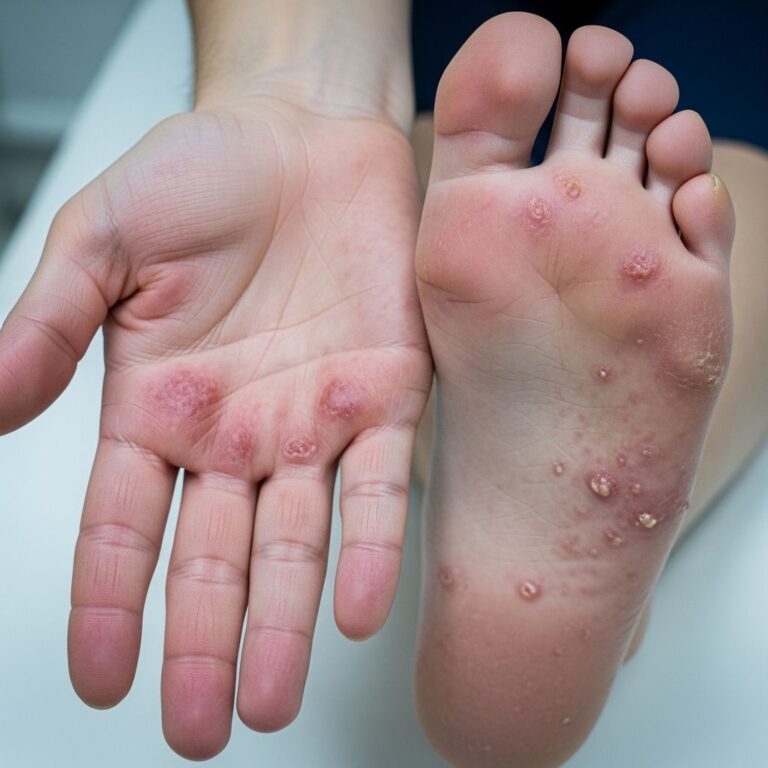
Psoriatic arthritis (PsA) is a chronic inflammatory condition that links psoriasis skin disease with joint inflammation, affecting approximately 20-30% of people with psoriasis. It manifests through joint pain, stiffness, swelling, and skin symptoms, requiring a multifaceted approach to management for optimal outcomes.
Understanding the Fundamentals of Psoriatic Arthritis
PsA arises from an overactive immune response that targets both skin and joints, leading to persistent inflammation. Unlike rheumatoid arthritis, it often spares rheumatoid factor and presents unique patterns such as asymmetric joint involvement. The condition can emerge at any age but typically appears between 30 and 50 years old, impacting entheses—where tendons attach to bones—and potentially the spine.
Early recognition is crucial as untreated PsA can lead to joint damage within the first two years in nearly half of cases. Radiographic signs include erosions, new bone formation, and the distinctive “pencil-in-cup” deformity, highlighting bone destruction alongside proliferation.
Recognizing Diverse Symptom Patterns
Symptoms fluctuate in cycles, with flares of intense pain alternating with periods of remission. Common manifestations include:
- Joint pain and stiffness: Primarily in fingers, toes, knees, and lower back, worsening after inactivity.
- Dactylitis: Sausage-like swelling of entire digits due to tendon inflammation.
- Enthesitis: Pain at tendon insertion sites like heels or elbows.
- Skin and nail changes: Psoriasis plaques, pitting, or separation from nail beds.
- Fatigue and eye inflammation: Uveitis causing redness and light sensitivity.
PsA subtypes vary: oligoarticular (few asymmetric joints, 60% initial cases), polyarticular (multiple joints), distal interphalangeal (fingertip joints), spondylitis (spine-focused), and arthritis mutilans (severe digit destruction).
Diagnostic Approaches and Tools
Diagnosis relies on clinical evaluation since no single test confirms PsA. Rheumatologists use criteria like CASPAR (Classification Criteria for Psoriatic Arthritis), assessing psoriasis history, nail dystrophy, dactylitis, juxta-articular new bone formation, and rheumatoid factor negativity.
Key diagnostic steps include:
- Physical exam for joint counts, skin assessment, and enthesitis scoring.
- Blood tests to rule out other arthritides (e.g., negative RF, elevated CRP/ESR).
- Imaging: X-rays for erosions, ultrasound/MRI for early inflammation.
Screening psoriasis patients is recommended, as up to 30% develop PsA.
Comprehensive Treatment Landscape
Treatment targets remission or low disease activity, tailored to affected domains (peripheral joints, axial, skin, entheses). Guidelines from ACR and NPF emphasize early intervention with DMARDs over NSAIDs alone.
| Treatment Type | Examples | Primary Use | Notes |
|---|---|---|---|
| NSAIDs | Ibuprofen, Naproxen | Symptom relief | First-line for mild cases; not disease-modifying. |
| Conventional DMARDs | Methotrexate, Sulfasalazine | Moderate disease | Oral small molecules; monitor liver function. |
| Biologics | TNF inhibitors (Etanercept), IL-17/IL-23 inhibitors | Severe or refractory | ACR prefers over OSMs for active PsA. |
| Targeted Synthetics | Apremilast (PDE4 inhibitor) | Skin/joint symptoms | Oral option for milder cases. |
| Local Therapies | Steroid injections | Enthesitis, dactylitis | Avoid systemic steroids long-term. |
Therapy escalates based on response: start with NSAIDs/CSM, advance to biologics if needed. Regular monitoring using tools like DAPSA (Disease Activity in Psoriatic Arthritis) ensures adjustments.
Non-Drug Strategies for Symptom Control
Lifestyle interventions complement medications, enhancing joint protection and reducing flares.
Related Stories



- Exercise: Low-impact activities like swimming, yoga, or tai chi improve flexibility and strength. Aim for 150 minutes weekly.
- Physical/Occupational Therapy: Customized splints, adaptive tools, and joint mobilization techniques.
- Weight Management: Obesity exacerbates inflammation; 5-10% loss yields significant benefits.
- Diet: Anti-inflammatory foods (Mediterranean style) with omega-3s may help, though evidence is moderate.
- Smoking Cessation: Tobacco worsens psoriasis and PsA progression.
Navigating Complications and Comorbidities
PsA elevates risks for metabolic syndrome, cardiovascular disease, diabetes, and depression. Uveitis affects 10-15% of patients, necessitating ophthalmology referral. Bone loss and joint destruction underscore the need for bone density screening.
Multidisciplinary care involving rheumatologists, dermatologists, and therapists optimizes outcomes. Patient education on flare triggers (stress, infections) empowers proactive management.
Daily Life Adaptations and Emotional Well-Being
Maintaining employment, relationships, and hobbies requires practical adjustments. Ergonomic workspaces, pacing activities, and assistive devices preserve function.
Mental health support is vital: PsA links to higher anxiety/depression rates. Cognitive behavioral therapy and support groups foster resilience.
Monitoring Progress and Long-Term Outlook
Quarterly assessments track disease activity across domains. Treat-to-target strategies achieve low activity in 50-70% with biologics. While incurable, modern therapies enable most patients to lead active lives between flares.
Frequently Asked Questions (FAQs)
What triggers PsA flares?
Common triggers include stress, infections, skin trauma, alcohol, and medication changes. Tracking patterns helps in prevention.
Can PsA affect the spine?
Yes, up to 20-30% experience axial involvement resembling ankylosing spondylitis, treated with TNF/IL-17 inhibitors.
Is surgery ever needed for PsA?
Rarely; joint replacement may be considered for severe destruction unresponsive to meds.
How does PsA differ from osteoarthritis?
PsA is inflammatory/autoimmune with skin involvement; osteoarthritis is degenerative from wear-and-tear.
Are there pregnancy considerations?
Plan with providers; some biologics are safe, but monitor closely for flares.
References
- Psoriatic Arthritis Patient Guidelines — CreakyJoints. 2023. https://creakyjoints.org/education/psoriatic-arthritis-patient-guidelines/
- Psoriatic Arthritis – StatPearls — NCBI Bookshelf. 2023-10-01. https://www.ncbi.nlm.nih.gov/books/NBK547710/
- Psoriatic arthritis – Symptoms & causes — Mayo Clinic. 2023. https://www.mayoclinic.org/diseases-conditions/psoriatic-arthritis/symptoms-causes/syc-20354076
- A Comprehensive Review Of Psoriatic Arthritis — Spondylitis.org. 2023. https://spondylitis.org/spondylitis-plus/a-comprehensive-review-of-psoriatic-arthritis-symptoms-diagnosis-and-treatment/
- Psoriatic Arthritis: Symptoms and Treatments — Cleveland Clinic. 2023-11-15. https://my.clevelandclinic.org/health/diseases/13286-psoriatic-arthritis
Similar Articles








Read full bio of medha deb