Thrombocythemia: Causes, Symptoms & Treatment
Understanding thrombocythemia: Essential information on causes, symptoms, diagnosis, and effective treatment options.
Thrombocythemia: Understanding Elevated Platelet Counts
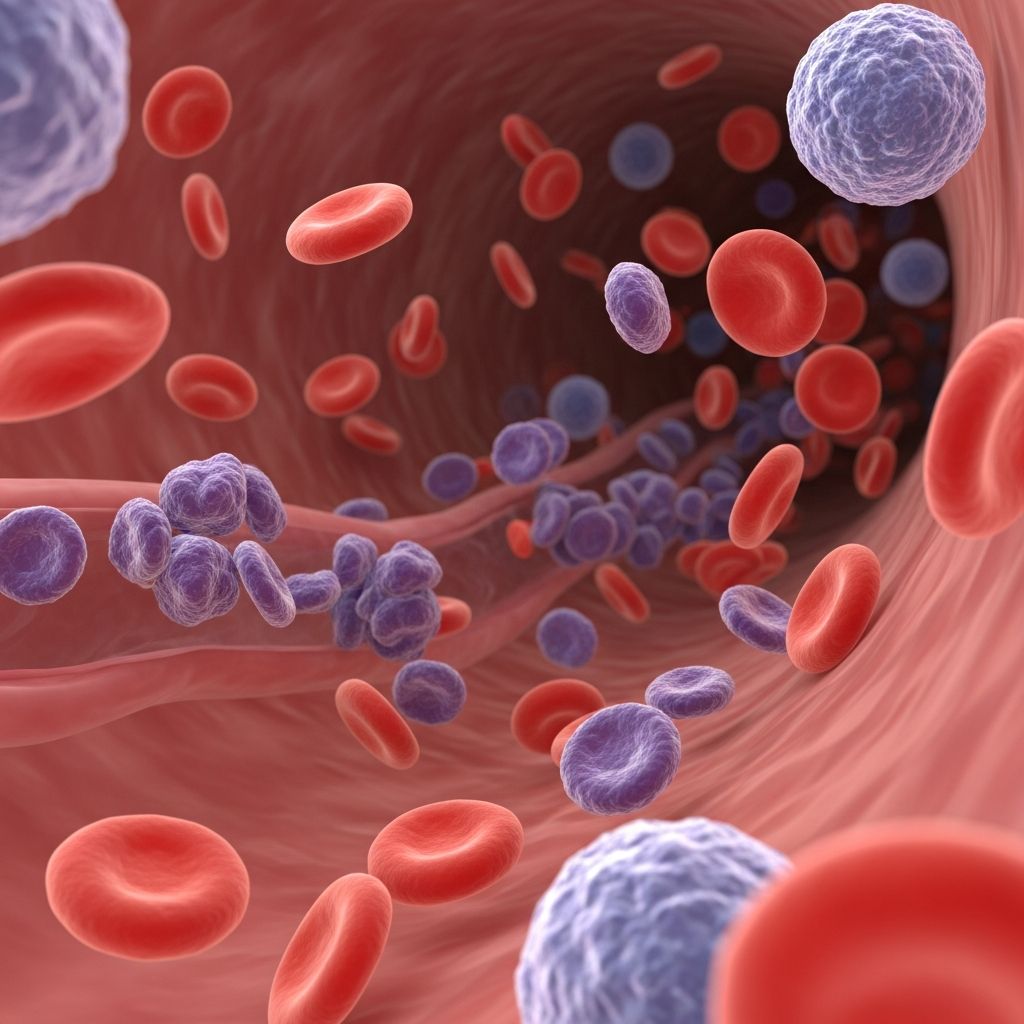
Thrombocythemia, also known as thrombocytosis, is a condition characterized by an abnormally high number of platelets in the bloodstream. Platelets are small cell fragments in the blood that play a crucial role in clotting and stopping bleeding when you have an injury. While platelets are essential for normal blood function, having too many can lead to serious complications, including abnormal blood clot formation and, in some cases, bleeding problems. Understanding this condition is important because it can significantly impact your health and requires appropriate medical management.
The normal platelet count ranges from 150,000 to 400,000 platelets per microliter of blood. When your platelet count exceeds 450,000 per microliter, you may be diagnosed with thrombocythemia. This elevated count can occur for different reasons, leading to two main types of the condition: primary (essential) thrombocythemia and secondary (reactive) thrombocytosis.
Types of Thrombocythemia
Thrombocythemia presents in two distinct forms, each with different causes, risk levels, and treatment approaches. Understanding which type you have is essential for proper management and predicting outcomes.
Essential Thrombocythemia
Essential thrombocythemia (ET), also called primary thrombocythemia, is a myeloproliferative neoplasm in which the bone marrow produces too many platelets. In this condition, the elevated platelet count results from a disorder within the bone marrow cells themselves, rather than a response to another underlying condition. The exact cause of essential thrombocythemia remains unclear, though it often appears to be connected to genetic changes in bone marrow cells.
Patients with essential thrombocythemia often have platelets that don’t function properly, which paradoxically increases the risk of both clotting and bleeding complications. This makes essential thrombocythemia more serious than reactive thrombocytosis, as it carries a much higher risk of life-threatening blood clots or bleeding events. The condition typically requires ongoing monitoring and often necessitates pharmaceutical intervention to manage platelet counts and reduce complication risks.
Reactive Thrombocytosis
Reactive thrombocytosis, also called secondary thrombocythemia, is the more common form of elevated platelets. In this type, the bone marrow produces excess platelets in response to various underlying medical conditions or circumstances. The elevated platelet count is essentially the body’s natural response to stress, infection, inflammation, or other medical challenges.
Unlike essential thrombocythemia, reactive thrombocytosis typically resolves once the underlying cause is treated or resolved. The prognosis is generally more favorable, as the elevated platelet count itself is not the primary disorder but rather a symptom of another condition requiring treatment.
Causes of Thrombocythemia
The causes of thrombocythemia differ significantly depending on whether you have the primary or secondary form. Identifying the underlying cause is critical for determining appropriate treatment strategies.
Causes of Essential Thrombocythemia
Essential thrombocythemia develops due to genetic mutations in bone marrow cells that cause abnormal platelet production. The specific genetic basis of this condition often involves mutations in genes such as JAK2, CALR, or MPL. These genetic changes cause the bone marrow to continuously overproduce platelets without any external trigger or underlying disease. Because this is a primary bone marrow disorder, it typically cannot be cured, though it can be managed.
Related Stories



Causes of Reactive Thrombocytosis
Reactive thrombocytosis has multiple potential causes, as the body increases platelet production in response to various stressors and conditions:
- Iron deficiency — with or without anemia
- Infections — acute or chronic bacterial, viral, or fungal infections
- Recent surgery or trauma — the body increases platelet production during healing
- Inflammatory diseases — such as rheumatoid arthritis or inflammatory bowel disease
- Certain cancers — particularly lung, gastric, and lymphoid malignancies
- Spleen removal or dysfunction — since the spleen normally filters and destroys aging platelets
- Blood loss — acute or chronic hemorrhage triggers increased platelet production
- Hemolytic anemia — conditions where red blood cells are destroyed faster than produced
Symptoms of Thrombocythemia
The symptoms of thrombocythemia vary considerably depending on the type and severity of the condition. Many patients with elevated platelet counts have no symptoms at all and discover the condition during routine blood work.
Symptoms in Reactive Thrombocytosis
Reactive thrombocytosis typically does not directly cause symptoms. When symptoms are present, they generally result from the underlying condition causing the elevated platelet count, not from the high platelet levels themselves. For example, if iron deficiency is causing reactive thrombocytosis, symptoms would include fatigue and shortness of breath related to anemia rather than to the elevated platelets.
Symptoms in Essential Thrombocythemia
Patients with essential thrombocythemia may experience symptoms related to blood clot formation or, less commonly, bleeding complications. These symptoms include:
- Headaches — often severe and sometimes with vision disturbances or silent migraines
- Chest discomfort — potentially indicating a blood clot in the lungs or heart
- Shortness of breath — particularly when exerting yourself
- Leg swelling — often from deep vein thrombosis (blood clots in leg veins)
- Burning pain — in the hands and feet, a condition called erythromelalgia
- Coldness or blueness — of the fingers or toes due to poor circulation
- Dizziness or lightheadedness — from blood flow changes
- Easy bruising — with minimal or no apparent injury
- Unusual bleeding — from the nose, mouth, or gums
- Fatigue and weakness — general tiredness despite adequate rest
It is important to note that some patients with essential thrombocythemia remain completely asymptomatic and are diagnosed only when a routine blood test reveals the elevated platelet count.
Diagnosis of Thrombocythemia
Diagnosing thrombocythemia begins with a complete blood count (CBC) that reveals the elevated platelet levels. However, determining the type and underlying cause requires additional testing.
Initial Testing
Your healthcare provider will start with a CBC blood test to measure your platelet count. A count above 450,000 per microliter suggests thrombocythemia. Your provider will also evaluate other blood components, including red blood cells and white blood cells, as well as check for signs of iron deficiency, infection, or inflammation.
Identifying the Type
To distinguish between essential thrombocythemia and reactive thrombocytosis, your doctor may order additional tests:
- Bone marrow biopsy — to examine bone marrow cells for abnormalities characteristic of essential thrombocythemia
- Genetic testing — to identify JAK2, CALR, or MPL mutations associated with essential thrombocythemia
- Philadelphia chromosome testing — to rule out chronic myeloid leukemia, which can present with elevated platelets
- Tests for underlying conditions — including iron studies, inflammatory markers, infection screening, and imaging to identify causes of reactive thrombocytosis
Treatment Options for Thrombocythemia
Treatment approaches differ significantly based on whether you have essential thrombocythemia or reactive thrombocytosis, and the urgency depends on your symptom severity and complication risk.
Treatment of Essential Thrombocythemia
Treatment for essential thrombocythemia focuses on managing the elevated platelet count to reduce the risk of blood clots and bleeding complications. Management is individualized based on risk factors and symptoms.
Risk Stratification
Your healthcare provider will assess your risk of complications, considering factors such as age, prior blood clots, and platelet count levels. Patients at high risk may have a risk of experiencing significant clotting events exceeding 3.5% per year.
Medication Options
Low-Dose Aspirin: Many patients with essential thrombocythemia receive low-dose aspirin to reduce the risk of blood clot formation. Aspirin may also help relieve burning sensations in the hands and feet associated with erythromelalgia and other vasomotor symptoms.
Hydroxyurea: For patients considered at high risk for clotting, hydroxyurea (also called hydroxycarbamide) is frequently prescribed. This oral medication has been proven to meaningfully reduce the risk of essential thrombocythemia-related complications such as clots. The most common side effect is lowering of blood counts, with less common side effects including mouth sores and leg ulcers.
Anagrelide: This oral medication selectively reduces platelet production and is used in patients who cannot tolerate or don’t respond adequately to hydroxyurea.
Interferon: Pegylated interferon is sometimes prescribed for essential thrombocythemia patients, particularly women of childbearing age, since it hasn’t been shown to cause birth defects. Pegylated versions have fewer side effects and easier administration than standard interferon.
Busulfan: This chemotherapy medication is occasionally used for essential thrombocythemia management.
Blood Thinners: Some patients, particularly those who have had clots in liver veins or similar serious events, may require blood-thinning medications such as warfarin.
Plateletpheresis
In severe cases with extremely high platelet counts, plateletpheresis may be used to temporarily remove excess platelets from the blood. This procedure is typically reserved for emergency situations or when other treatments are insufficient.
Treatment of Reactive Thrombocytosis
Treatment for reactive thrombocytosis focuses on addressing the underlying condition causing the elevated platelet count. Once the root cause is managed, platelet levels typically return to normal.
Managing the Underlying Condition: Depending on the cause, treatment may include:
- Treating infections with antibiotics or antiviral medications
- Managing iron deficiency with iron supplementation
- Addressing inflammatory conditions with appropriate therapies
- Treating cancer with chemotherapy, radiation, or other oncologic interventions
- Controlling bleeding or replacing lost blood when needed
Monitoring: Once the underlying cause is addressed, regular monitoring of platelet levels ensures they return to and remain within a normal range.
Prognosis and Outlook
The prognosis for thrombocythemia depends significantly on the type and underlying cause. Reactive thrombocytosis often improves on its own or resolves once the underlying condition is treated. For example, thrombocytosis related to an infection typically goes away after your body successfully fights off the infection.
Essential thrombocythemia is not curable, but it can be effectively managed to reduce complication risks. Many patients live for decades with the condition under appropriate medical supervision. The outlook is more complex if a chronic condition like cancer is causing reactive thrombocytosis, as the underlying disease determines long-term prognosis.
Frequently Asked Questions
Q: What is the difference between thrombocythemia and thrombocytosis?
A: These terms are often used interchangeably. Thrombocythemia typically refers to primary bone marrow disorders causing elevated platelets, while thrombocytosis may be used more broadly to describe elevated platelet counts from any cause.
Q: Can essential thrombocythemia be cured?
A: No, essential thrombocythemia cannot be cured because it results from genetic mutations in bone marrow cells. However, it can be effectively managed with medications and monitoring to reduce complication risks.
Q: Is thrombocythemia life-threatening?
A: Essential thrombocythemia carries risks of serious blood clots or bleeding, making medical management essential. Reactive thrombocytosis is typically less dangerous and often resolves once the underlying cause is treated.
Q: How often do I need monitoring if I have essential thrombocythemia?
A: Monitoring frequency depends on your risk level and treatment plan. Your healthcare provider will determine the appropriate schedule of blood tests and appointments based on your individual situation.
Q: Can I get pregnant if I have essential thrombocythemia?
A: Yes, pregnancy is possible with essential thrombocythemia, though it requires careful medical management. Interferon is often preferred during pregnancy since it hasn’t been shown to cause birth defects. Discuss pregnancy planning with your healthcare provider.
Q: What should I do if I have elevated platelets on a blood test?
A: Don’t panic. Many causes of elevated platelets are temporary and resolve on their own. Schedule an appointment with your healthcare provider to determine the cause and appropriate follow-up testing and management.
References
- Thrombocytosis – Symptoms, Causes & Treatments — SingHealth. Accessed 2025. https://www.singhealth.com.sg/symptoms-treatments/thrombocytosis
- Thrombocytosis – Symptoms and Causes — Mayo Clinic. Accessed 2025. https://www.mayoclinic.org/diseases-conditions/thrombocytosis/symptoms-causes/syc-20378315
- Secondary Thrombocythemia – Blood Disorders — MSD Manuals. Accessed 2025. https://www.msdmanuals.com/home/blood-disorders/myeloproliferative-disorders/secondary-thrombocythemia
- Essential Thrombocythemia – Symptoms, Causes, Treatment — National Organization for Rare Disorders (NORD). Accessed 2025. https://rarediseases.org/rare-diseases/essential-thrombocythemia/
- Essential Thrombocythemia (ET) — MPN Research Foundation. Accessed 2025. https://mpnresearchfoundation.org/essential-thrombocythemia-et/
- Thrombocytosis: Symptoms, Causes & Treatment — Cleveland Clinic. Accessed 2025. https://my.clevelandclinic.org/health/diseases/13350-thrombocytosis
- Essential Thrombocythemia: Definition, Symptoms & Treatment — Cleveland Clinic. Accessed 2025. https://my.clevelandclinic.org/health/diseases/24031-essential-thrombocythemia
Similar Articles








Read full bio of medha deb