Thrombocytosis: Causes, Symptoms, Diagnosis & Treatment
Complete guide to understanding thrombocytosis, its causes, symptoms, and effective treatment options.
What Is Thrombocytosis?
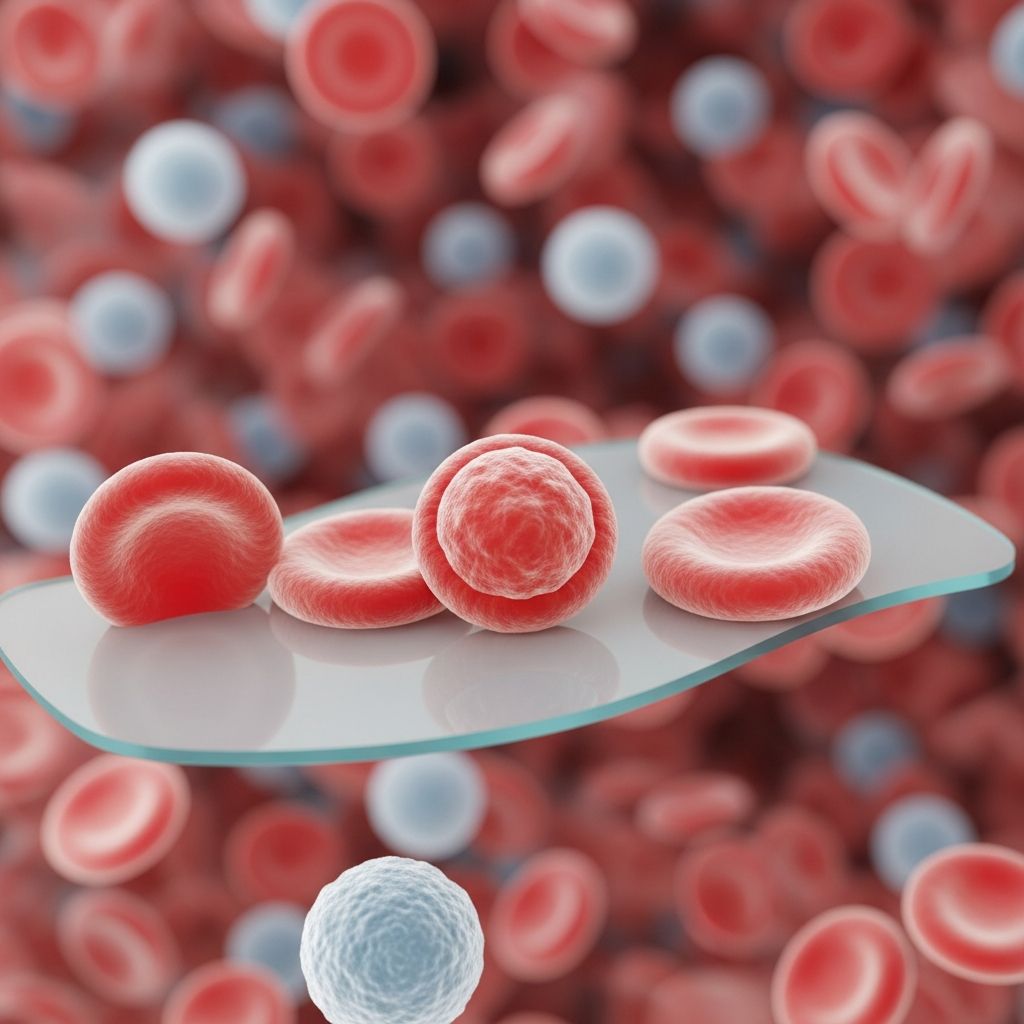
Thrombocytosis is a medical condition characterized by an abnormally elevated platelet count in the bloodstream. Platelets are small, sticky blood cells that play a crucial role in the clotting process, helping to stop bleeding when blood vessels are damaged. Under normal circumstances, a healthy platelet count ranges from 150,000 to 450,000 platelets per microliter of blood. When this count exceeds 450,000 platelets per microliter, the condition is diagnosed as thrombocytosis.
This condition is distinct from thrombocytopenia, which refers to an abnormally low platelet count. While thrombocytosis involves too many platelets, thrombocytopenia involves too few, creating opposite health risks and complications. Understanding the difference between these conditions is essential for proper diagnosis and treatment.
Types of Thrombocytosis
Thrombocytosis is classified into two primary categories based on its underlying cause: primary thrombocytosis and secondary thrombocytosis.
Primary Thrombocytosis
Primary thrombocytosis, also known as essential thrombocythemia (ET), is a rare genetic disorder that develops due to problems within the bone marrow itself. In this condition, the bone marrow produces an excessive number of platelets without an external trigger or underlying cause. Essential thrombocythemia is characterized as a clonal disorder, meaning it originates from a single abnormal cell in the bone marrow that produces multiple offspring with the same genetic abnormality. This is an acquired genetic disorder, not an inherited one, meaning the genetic mutation occurs after birth rather than being passed down from parents. While not curable, this condition can be managed effectively to reduce the risk of serious complications such as blood clots, heart attacks, and strokes.
Secondary Thrombocytosis
Secondary thrombocytosis, also referred to as reactive thrombocytosis, occurs when elevated platelet counts develop as a response to an underlying condition or external trigger. Unlike primary thrombocytosis, secondary thrombocytosis is not a disease itself but rather a symptom of another health issue. Once the underlying cause is identified and treated, platelet counts typically return to normal levels. This type of thrombocytosis is more common than primary thrombocytosis and generally carries a better prognosis.
Causes of Thrombocytosis
Understanding the underlying causes of thrombocytosis is essential for proper treatment and management. The causes vary depending on whether the condition is primary or secondary.
Primary Thrombocytosis Causes
Primary thrombocytosis results from genetic mutations affecting bone marrow function. The most common genetic mutation associated with essential thrombocythemia involves genes that regulate platelet production. This genetic alteration causes the bone marrow to produce platelets excessively without any external stimulus or underlying medical condition triggering the response.
Secondary Thrombocytosis Causes
Secondary thrombocytosis can be triggered by numerous medical conditions and factors, including:
Inflammatory and Systemic Conditions: Rheumatoid arthritis, inflammatory bowel disease, and other chronic inflammatory disorders can stimulate increased platelet production as part of the body’s inflammatory response.
Infections: Acute and chronic infections can trigger reactive thrombocytosis as the body mobilizes resources to fight infection.
Related Stories



Blood Loss and Iron Deficiency: Significant blood loss or iron deficiency anemia prompts the bone marrow to increase platelet production in an attempt to compensate for lost blood cells.
Malignancy: Various cancers, including lung, ovarian, and gastrointestinal cancers, are associated with elevated platelet counts.
Hemolytic Anemia: Conditions causing destruction of red blood cells can stimulate platelet production.
Renal Dysfunction: Kidney failure can result in increased platelet production due to altered hormone regulation.
Surgical Procedures: Surgery, particularly abdominal surgery or spleen removal, can cause reactive thrombocytosis.
Medications: Certain medications can cause elevated platelet counts as a side effect.
Vitamin B12 Deficiency Treatment: Paradoxically, treatment of vitamin B12 deficiency can temporarily elevate platelet counts.
Symptoms of Thrombocytosis
Many people with thrombocytosis, particularly in early stages, experience no symptoms at all. The condition is often discovered incidentally during routine blood tests performed for other reasons. However, as platelet levels rise, symptoms may develop. Symptoms of thrombocytosis are primarily related to abnormal blood clotting and include:
Thrombotic Symptoms: Blood clots can form in various locations throughout the body, most commonly in the brain, hands, and feet. Symptoms related to clot formation may include chest pain, shortness of breath, or signs of stroke.
Bleeding Symptoms: Paradoxically, extremely elevated platelet counts can impair normal clotting function, leading to bleeding complications such as easy bruising, nosebleeds, or bleeding gums.
Neurological Symptoms: Some individuals experience headaches, dizziness, or visual disturbances related to blood clots affecting blood vessels in the brain.
Extremity Issues: Burning, redness, or swelling in the hands and feet can occur due to blood vessel involvement.
Diagnosis of Thrombocytosis
Accurate diagnosis of thrombocytosis involves a comprehensive evaluation using multiple diagnostic tools and assessments. The diagnostic process aims to determine the platelet count, examine blood cell characteristics, and identify any underlying genetic mutations or causative conditions.
Diagnostic Methods
Complete Blood Count (CBC): This is the primary test for diagnosing thrombocytosis. A CBC measures the total number of platelets in a blood sample and provides the platelet count needed to confirm diagnosis.
Peripheral Blood Smear: A blood smear allows microscopic examination of blood cells to identify abnormalities in platelet appearance and characteristics.
Bone Marrow Biopsy: When essential thrombocythemia is suspected, a bone marrow biopsy may be performed to examine bone marrow cells for abnormalities and confirm the diagnosis.
Genetic Testing: Molecular testing can detect specific genetic mutations associated with essential thrombocythemia, such as JAK2, CALR, and MPL mutations.
Iron Studies: These tests help identify iron deficiency as a potential cause of reactive thrombocytosis.
Inflammatory Markers: Tests for inflammatory markers can help identify underlying inflammatory conditions contributing to elevated platelet counts.
Risk Factors and Complications
Certain factors increase the risk of developing thrombocytosis or experiencing serious complications. Understanding these risk factors helps guide treatment decisions and monitoring strategies.
Risk Factors for Essential Thrombocythemia
Age: Advanced age increases the risk of essential thrombocythemia and associated complications.
Previous Thrombotic Events: Individuals with a history of heart attack, stroke, or blood clots have increased risk for future thrombotic complications.
Genetic Mutations: The presence of specific genetic mutations increases disease severity risk.
Potential Complications
Blood Clots: The most serious complication of thrombocytosis is thrombosis, or blood clot formation. These clots can lodge in blood vessels, restricting blood flow to vital organs.
Stroke: Blood clots in cerebral vessels can cause ischemic stroke, potentially resulting in disability or death.
Heart Attack: Coronary artery thrombosis can precipitate myocardial infarction.
Bleeding: Paradoxically, extremely elevated platelet counts can impair normal hemostasis, leading to excessive bleeding.
Treatment and Management Strategies
Treatment approaches for thrombocytosis depend on the underlying cause, severity of symptoms, and individual risk factors. Treatment goals differ between primary and secondary thrombocytosis.
Treatment for Secondary Thrombocytosis
The primary treatment approach for secondary thrombocytosis focuses on addressing the underlying cause. Once the causative condition is treated effectively, platelet counts typically normalize. For example, iron supplementation can restore normal platelet levels in individuals with iron deficiency anemia and inflammatory bowel disease.
Treatment for Essential Thrombocythemia
Watchful Waiting: For individuals without symptoms or those at low risk for complications, healthcare providers may recommend watchful waiting, which involves regular monitoring without immediate medication.
Antiplatelet Therapy: Aspirin is frequently prescribed to reduce platelet aggregation and lower the risk of thrombotic events. This medication is particularly beneficial for women with essential thrombocythemia or those with very high platelet counts.
Platelet-Reducing Medications: Interferon-alpha and other medications can normalize platelet counts by reducing bone marrow platelet production.
Plateletpheresis: For patients with critically high platelet counts requiring immediate reduction, plateletpheresis uses a special machine to mechanically remove platelets from the bloodstream, providing rapid platelet count reduction.
Living with Thrombocytosis
Individuals diagnosed with thrombocytosis require ongoing medical management and lifestyle modifications to minimize complications and maintain quality of life. Regular follow-up appointments with healthcare providers are essential for monitoring platelet levels and assessing for symptoms of thrombosis or bleeding.
Patients should maintain awareness of warning signs including chest pain, severe headaches, visual changes, or signs of stroke, and seek immediate medical attention if these symptoms occur. Adherence to prescribed medications and attendance at scheduled appointments significantly impacts long-term outcomes and complications prevention.
Frequently Asked Questions
Q: Is thrombocytosis curable?
A: Essential thrombocythemia is not curable; however, secondary thrombocytosis resolves when the underlying cause is treated. Essential thrombocythemia can be effectively managed with medications and monitoring to prevent serious complications.
Q: How often should I have blood tests if I have thrombocytosis?
A: Your healthcare provider will recommend appropriate monitoring intervals based on your specific diagnosis, platelet count, and risk factors. Regular checkups and blood tests help ensure early detection of changes in platelet levels and assessment for complications.
Q: Can thrombocytosis cause bleeding?
A: While thrombocytosis typically increases clotting risk, extremely elevated platelet counts can paradoxically impair normal hemostasis, potentially leading to bleeding complications. Your healthcare provider can assess your individual bleeding and clotting risk.
Q: What lifestyle changes help manage thrombocytosis?
A: Follow your healthcare provider’s recommendations regarding medications, maintain regular appointments, report new symptoms promptly, and discuss any questions about your condition. Some patients benefit from stress reduction and maintaining a healthy lifestyle.
Q: Does essential thrombocythemia reduce life expectancy?
A: Life expectancy with essential thrombocythemia varies considerably based on individual factors, including age at diagnosis, presence of symptoms, and complication history. Your healthcare provider can discuss your individual prognosis based on your specific situation.
References
- Platelet Count (PLT): Normal Range, Test Results & Meaning — Cleveland Clinic. 2024. https://my.clevelandclinic.org/health/diagnostics/21782-platelet-count
- Thrombocytosis – LEVY Health — LEVY Health. 2024. https://levy.health/resource-center/lexicon/thrombocytosis/
- Essential Thrombocythemia: Definition, Symptoms & Treatment — Cleveland Clinic. 2022. https://my.clevelandclinic.org/health/diseases/24031-essential-thrombocythemia
- Thrombocytosis: When is an incidental finding serious? — Cleveland Clinic Journal of Medicine, 2006. https://www.ccjm.org/content/ccjom/73/8/767.full.pdf
- What Do High Platelets Mean: Comprehensive Guide for Patients and Practitioners — Rupa Health. 2024. https://www.rupahealth.com/post/what-do-high-platelets-mean-comprehensive-guide-for-patients-and-practitioners
Similar Articles








Read full bio of medha deb