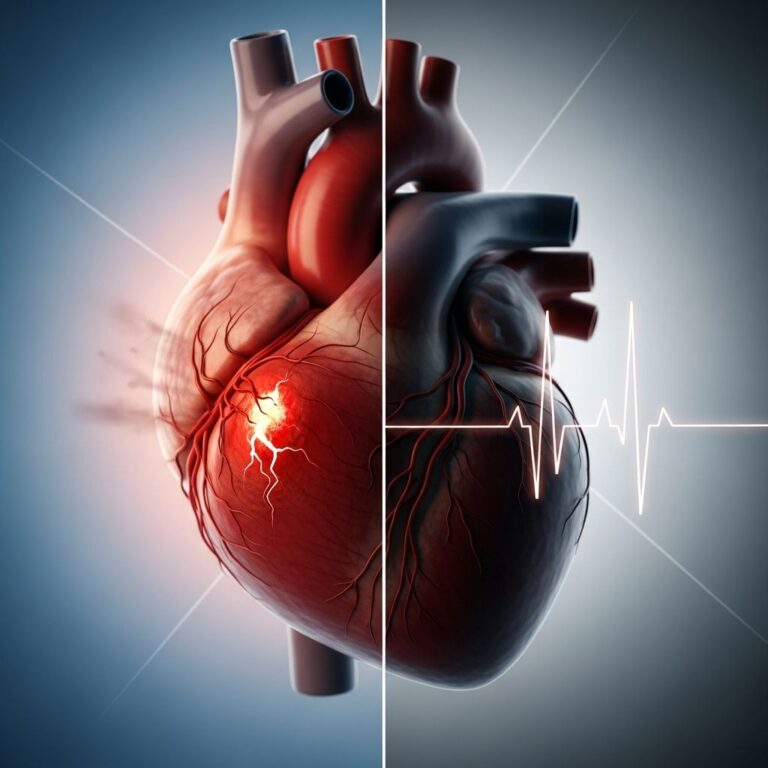
Thrombolytic Therapy: Emergency Treatment for Blood Clots
Life-saving medication dissolves dangerous blood clots to restore blood flow and prevent organ damage.
What Is Thrombolytic Therapy?
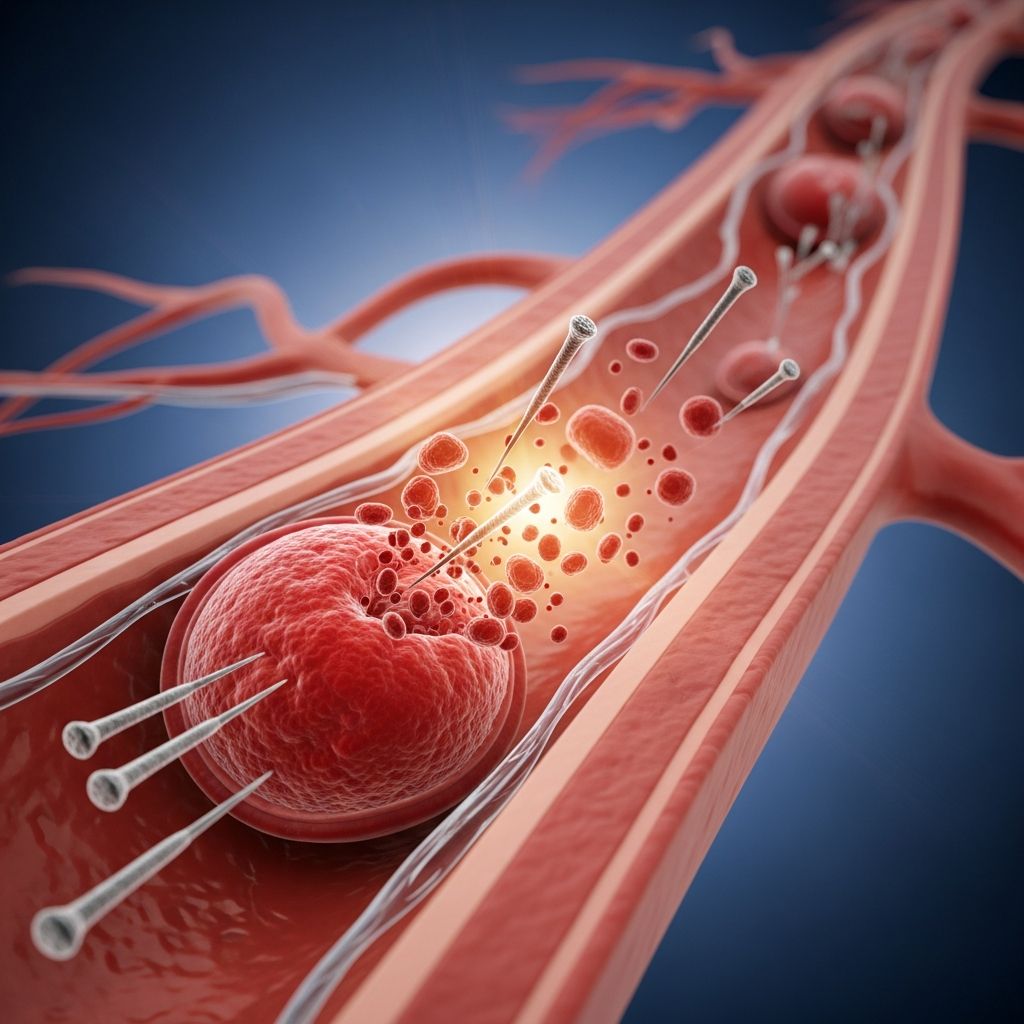
Thrombolytic therapy, also known as fibrinolytic therapy, is an emergency medical treatment that uses specialized medications to dissolve dangerous blood clots that obstruct blood flow through arteries and veins. These “clot-busting” drugs work by breaking down fibrin, the protein that forms the structural framework of blood clots, allowing blood to flow freely again to vital organs. Healthcare providers administer thrombolytic therapy through an intravenous (IV) line or a catheter placed directly at the site of the clot, delivering medication quickly to where it’s needed most.
This life-saving treatment represents a crucial intervention for acute medical emergencies where every minute counts. The faster thrombolytic therapy begins after a clot forms, the greater the chance of preventing permanent tissue damage and preserving organ function. For patients experiencing heart attacks, strokes, or pulmonary embolisms, thrombolytic therapy can mean the difference between recovery and severe disability or death.
When Is Thrombolytic Therapy Used?
Thrombolytic therapy is primarily used as an emergency treatment for acute vascular obstructions that threaten life or limb. Healthcare providers typically recommend this treatment when patients present with conditions caused by sudden blood clot formation that blocks critical blood vessels. The most common indications include acute myocardial infarction (heart attack), acute ischemic stroke, and pulmonary embolism.
Specific Conditions Treated
Healthcare providers may use thrombolytic therapy to treat the following conditions:
- Acute myocardial infarction (heart attack)
- Acute ischemic stroke (blockage in brain arteries)
- Pulmonary embolism (blood clot in lung arteries)
- Deep vein thrombosis (DVT)
- Peripheral arterial disease (PAD)
- Acute limb ischemia
- Other acute arterial or venous obstructions
For these emergencies, timing is absolutely critical. Healthcare providers aim to administer thrombolytic therapy within specific timeframes to maximize effectiveness: within 12 hours for heart attacks, within 4.5 hours for strokes, and as soon as possible for pulmonary embolisms. These narrow treatment windows reflect the urgency of preventing irreversible tissue damage from oxygen deprivation.
Types of Thrombolytic Medications
Several thrombolytic agents are available for clinical use, each with specific properties and applications. The main thrombolytic drugs include tissue plasminogen activator (tPA), streptokinase, urokinase, and tenecteplase. Tenecteplase, a fibrin-specific thrombolytic with a sufficiently long half-life, has proven to be as effective as tPA in reducing mortality rates in acute myocardial infarction patients, with similar safety profiles but fewer overall bleeding events.
These medications work through different mechanisms but all achieve the same goal: activating plasminogen to produce plasmin, which then breaks down fibrin and dissolves the blood clot. The choice of medication depends on the type of clot, location, patient factors, and institutional protocols.
Contraindications and Risk Factors
While thrombolytic therapy can be life-saving, it is not appropriate for all patients. Healthcare providers will not recommend thrombolytic therapy if you have conditions that significantly increase bleeding risk, including:
- Recent surgery or major trauma
- Active internal bleeding
- History of hemorrhagic stroke
- Severe uncontrolled high blood pressure
- Blood clotting disorders
- Recent use of anticoagulant medications
- Known intracranial abnormalities
Related Stories



Additionally, pregnant women and elderly patients face increased risks of complications from thrombolytic therapy and require careful individual assessment before treatment initiation.
Thrombolytic Therapy Procedures
The approach to administering thrombolytic therapy varies depending on whether systemic or catheter-directed thrombolysis is used. Understanding these different methods helps patients understand what to expect during treatment.
Systemic Thrombolysis
Systemic thrombolytic therapy is typically delivered through an IV line, usually in an arm vein, in an intensive care unit setting. During this procedure, the surgical team performs the following steps:
- Establishes an IV line for medication administration
- Administers thrombolytic medication through the IV
- Continuously monitors vital signs including heart rate, blood pressure, and oxygen levels
- Tracks blood clotting parameters through laboratory tests
- Observes for signs of bleeding or other complications
The systemic procedure typically takes about one hour, though medication may continue working to dissolve the clot for hours afterward.
Catheter-Directed Thrombolysis
For scheduled procedures or when more targeted treatment is needed, healthcare providers use catheter-directed thrombolysis. During this approach, the medical team:
- Makes a small incision to access an artery or vein
- Threads a long, thin catheter through the blood vessel to the clot location
- Delivers thrombolytic medication directly to the blood clot
- Uses X-ray imaging to monitor the clot as it dissolves
- Checks heart and lung function regularly
- Monitors blood pressure continuously
During catheter-directed thrombolysis, the clot dissolution process can take up to 48 hours. Healthcare providers use imaging tests to track progress and ensure the medication is working effectively. This method allows for more precise medication delivery directly to the problematic clot while minimizing systemic effects.
Effectiveness and Success Rates
Thrombolytic therapy successfully dissolves blood clots in most patients. However, outcomes vary based on multiple factors including clot characteristics, time to treatment, and individual patient factors. Research shows that patients who receive thrombolytics for stroke have significantly better chances of complete recovery compared to those who do not receive the medication within the critical time window after stroke onset.
Studies demonstrate that approximately 75% of patients achieve complete or near-complete clot dissolution with thrombolytic therapy. However, up to 25% of people still have a residual blood clot after treatment. Additionally, approximately 12% of patients develop a new blood clot or blood vessel blockage in the same location. In these cases, healthcare providers may recommend additional minimally invasive procedures or medications to treat the underlying cause and prevent recurrence.
Risks and Side Effects of Thrombolytic Therapy
While thrombolytic therapy can be life-saving, it carries significant risks that patients and healthcare providers must carefully consider. The primary risk is internal bleeding, which represents the most serious potential complication of this treatment.
Bleeding Complications
The most common side effect of thrombolytic therapy is bleeding. Approximately one-fourth of people who receive thrombolytics experience minor bleeding, typically from IV puncture sites or other recent wound locations. Spontaneous bleeding can also develop in the gastrointestinal tract, urinary system, or other locations.
More serious bleeding complications occur in approximately 5% of thrombolytic therapy patients. The most feared complication is intracranial hemorrhage (bleeding in the brain), which occurs in about 1% of patients and can cause a stroke. This devastating outcome represents the primary risk-benefit consideration in thrombolytic therapy decisions.
Other Potential Complications
Additional risks associated with thrombolytic therapy include:
- Embolization (small clot fragments traveling to other vessels)
- Low blood pressure
- Allergic reactions
- Reperfusion arrhythmias (abnormal heart rhythms)
- Heart rupture (rare)
Patients face higher bleeding risk if they have recent surgery, active bleeding, blood clotting disorders, liver disease, kidney disease, or are taking anticoagulant medications.
Post-Treatment Monitoring and Follow-Up
After thrombolytic therapy, healthcare providers use imaging tests to determine if they have completely removed the blood clot. These imaging studies may include:
- Computed tomography (CT) scans
- Magnetic resonance imaging (MRI)
- Ultrasound
- Angiography
- Electrocardiograms (ECGs)
Patients should report any concerning symptoms after thrombolytic therapy, including unusual bleeding, chest pain, shortness of breath, severe headache, weakness, or difficulty speaking. These symptoms may indicate serious complications requiring immediate medical attention.
Healthcare providers typically place patients on anticoagulant medications such as warfarin or heparin following successful thrombolytic therapy to reduce the risk of future blood clot formation. Long-term medication management and lifestyle modifications are essential components of preventing clot recurrence.
Preventing Complications from Untreated Blood Clots
Without thrombolytic therapy, untreated blood clots can cause severe complications including permanent tissue damage, organ dysfunction, limb loss, disability, and death. The tissue damage occurs due to oxygen deprivation when blood cannot flow to affected areas. In heart attacks, prolonged oxygen deprivation causes myocardial infarction with permanent heart damage. In strokes, brain tissue dies from lack of blood supply, potentially causing permanent neurological deficits. In pulmonary embolism, the lungs cannot exchange oxygen effectively, potentially causing respiratory failure and death.
Frequently Asked Questions About Thrombolytic Therapy
Q: How quickly does thrombolytic therapy work?
A: Thrombolytic medications begin working immediately upon administration, but visible clot dissolution may take one to 48 hours depending on the type of thrombolysis used. For systemic IV administration, significant improvement often occurs within one hour, though complete dissolution may take longer.
Q: Will I need additional treatment after thrombolytic therapy?
A: Many patients require additional treatment to address the underlying cause of blood clot formation. This may include coronary angioplasty, stenting, balloon angioplasty, open surgery, or other interventions. Your healthcare provider will discuss these options based on your specific condition.
Q: Can thrombolytic therapy be used at any hospital?
A: Thrombolytic therapy is typically administered in hospitals with intensive care units and appropriate monitoring capabilities. Some medications can be given by emergency medical services in the field or in smaller hospitals, but catheter-directed thrombolysis requires specialized interventional radiology facilities.
Q: What happens if thrombolytic therapy doesn’t dissolve the clot?
A: If thrombolytic therapy fails to adequately dissolve the clot, your healthcare provider may recommend mechanical thrombectomy, where a catheter with a rotating device and suction cup physically removes the clot. Additional interventions may also be necessary.
Q: How long does recovery take after thrombolytic therapy?
A: Recovery varies widely depending on the extent of tissue damage that occurred before treatment began, the specific condition being treated, and individual factors. Some patients recover fully, while others may experience long-term effects requiring ongoing rehabilitation and medication.
Q: Am I at risk for another blood clot after thrombolytic therapy?
A: Yes, approximately 12% of patients develop recurrent blood clots in the same location. This is why healthcare providers typically prescribe long-term anticoagulant medications and recommend lifestyle modifications to reduce clot risk.
References
- Thrombolytic Therapy: Uses and Side Effects — Cleveland Clinic. 2024. https://my.clevelandclinic.org/health/treatments/23345-thrombolytic-therapy
- Fibrinolytic (Thrombolytic) Therapy: Uses, Drugs & Side Effects — Cleveland Clinic. 2024. https://my.clevelandclinic.org/health/treatments/22772-thrombolytic-fibrinolytic-therapy
- Thrombolytics and Thrombolytic Therapy — Cleveland Clinic. 2024. https://my.clevelandclinic.org/health/treatments/23238-thrombolytics
- Tenecteplase (TNKase): A Clinical Review — Cleveland Clinic Medical Education. 2001. https://www.clevelandclinicmeded.com/medicalpubs/pharmacy/JanFeb2001/tenecteplase.htm
- Thrombolytic therapy — Cleveland Clinic Journal of Medicine, Vol. 56, No. 2. https://www.ccjm.org/content/56/2/189
- A history of thrombolytic therapy — PubMed/National Center for Biotechnology Information. https://pubmed.ncbi.nlm.nih.gov/15760256/
Similar Articles








Read full bio of medha deb