Thrombophilia: Causes, Symptoms, Diagnosis, and Treatment
Understanding thrombophilia: a blood clotting disorder that increases clot risk and strategies for effective management.
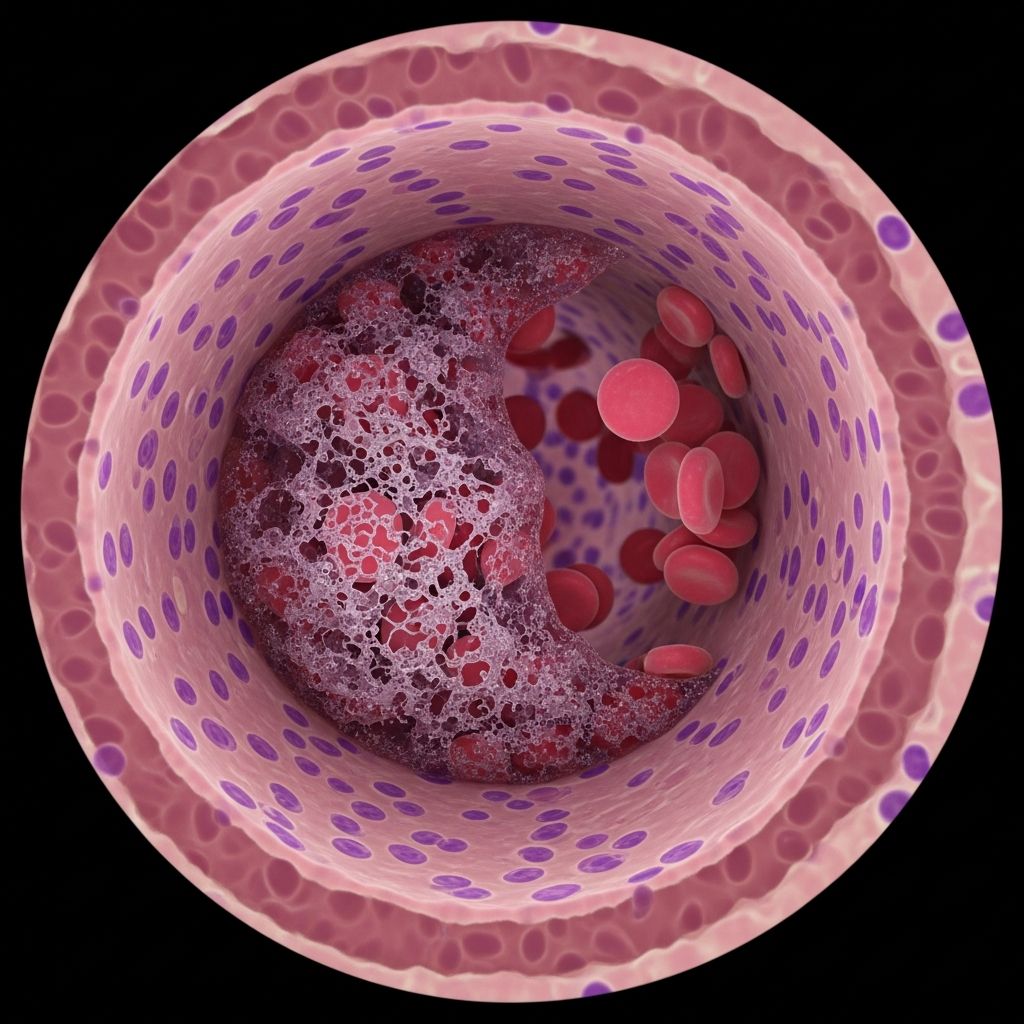
What Is Thrombophilia?
Thrombophilia is a medical condition where your blood has an increased tendency to form abnormal clots. These clots can partially or completely block blood vessels, potentially leading to serious complications such as deep vein thrombosis (DVT) or pulmonary embolism (PE).
Thrombophilia is also known as a hypercoagulable state because the blood coagulation system is abnormally active. It can be inherited (genetic) or acquired due to other medical conditions or medications. While it is not a disease in itself, thrombophilia significantly raises the risk of developing life-threatening venous thromboembolism (VTE).
Causes and Risk Factors
Thrombophilia can arise from both genetic defects in coagulation factors and acquired triggers that stimulate excessive clot formation. Some contributing factors include:
- Genetic variants: Mutations in genes involved in blood clotting, such as Factor V Leiden mutation and prothrombin gene mutation, are common inherited causes.
- Elevated levels of clotting factors: Such as factors II, VIII, IX, XI, and XII.
- Elevated homocysteine: High homocysteine levels or mutations in the MTHFR gene can increase risk.
- Elevated fibrinogen and lipoprotein (a): These blood proteins can promote clot formation.
- Acquired conditions: These include pregnancy, use of oral contraceptives or hormone replacement therapy (HRT), obesity, surgery, trauma, cancer, inflammatory diseases like inflammatory bowel disease, nephrotic syndrome, and autoimmune disorders such as Behcet’s syndrome and thrombotic thrombocytopenic purpura (TTP).
- Other risk factors: Prolonged immobility, economy class syndrome (due to long-distance travel), history of previous DVT or PE, and blood disorders like paroxysmal nocturnal hemoglobinuria (PNH) and disseminated intravascular coagulation (DIC).
Signs and Symptoms
Blood clots caused by thrombophilia can present with a variety of symptoms depending on location and severity. Common manifestations include:
- Deep vein thrombosis (DVT): Swelling, pain, tenderness, redness, and warmth, typically in one leg.
- Pulmonary embolism (PE): Sudden chest pain, shortness of breath, rapid heartbeat, coughing (sometimes with blood), and lightheadedness or fainting.
- Other signs: Unexplained recurrent miscarriages, strokes or heart attacks at a young age, or blood clots in unusual sites such as the abdomen or brain in rare cases.
Because symptoms can often be subtle or nonspecific, awareness of personal or family history of clotting events is important.
Diagnosis and Testing
Diagnosing thrombophilia involves a combination of clinical evaluation and laboratory testing. The process usually includes:
- Medical history and physical exam: Documenting prior clotting events, family history, risk exposures (e.g., pregnancy, surgery), and signs of blood clots.
- Laboratory testing panel: Specialized blood tests assess inherited and acquired clotting abnormalities. These tests may include:
| Test | Purpose | Notes |
|---|---|---|
| Factor V Leiden mutation | Detects common inherited mutation increasing clot risk | Genetic test |
| Prothrombin gene mutation (G20210A) | Another inherited mutation promoting clotting | Genetic test |
| Protein C and Protein S activity/antigen levels | Assess natural anticoagulant protein deficiencies | Functional and antigenic assays |
| Antithrombin activity and antigen levels | Detect deficiency of antithrombin, an anticoagulant | Functional and antigenic assays |
| Antiphospholipid antibodies (lupus anticoagulant, anticardiolipin) | Identify acquired autoimmune clotting disorder | Includes multiple assays and sometimes repeated testing |
| Homocysteine level | Evaluates elevated homocysteine | May influence clot risk |
| Clotting factor levels (e.g., VIII, IX) | Measures elevated procoagulant factors | Usually clot-based assays |
| C-reactive protein (CRP) | Detects inflammation that can impact clotting | Supports interpretation |
Important considerations for testing:
- Blood thinners (anticoagulants) may need to be discontinued prior to testing under medical guidance to avoid inaccurate results.
- Because clotting factors fluctuate with acute illness or inflammation, some tests require timing after recovery.
- Interpretation requires correlation with clinical
Similar Articles








Read full bio of medha deb