Thrush In Men: 5 Signs, Causes, And Treatment Options
Discover symptoms, causes, treatments, and prevention for male genital yeast infections caused by Candida.

Thrush in Men: A Comprehensive Guide to Symptoms, Causes, and Management
Male thrush, also known as genital yeast infection or Candida balanitis, is a common fungal condition affecting the penis, particularly the head (glans) and foreskin. Caused primarily by an overgrowth of Candida albicans, it leads to discomfort and requires prompt attention for relief. This article explores every aspect of the condition, from early signs to long-term prevention strategies.
Recognizing the Signs of Male Thrush
Early identification is key to avoiding complications. The condition often starts subtly but progresses to noticeable irritation in the genital area.
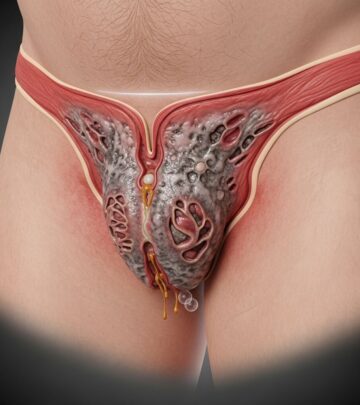
- Redness and inflammation: The glans penis and foreskin become red and swollen, signaling balanitis.
- Intense itching and burning: Persistent itchiness, especially under the foreskin, can disrupt daily activities and sleep.
- White, lumpy discharge: A thick, cottage cheese-like substance accumulates, often with a foul odor.
- Pain during urination or sex: Soreness makes urinating or intercourse uncomfortable.
- Foreskin difficulties: Tightening or pain when retracting the foreskin, more common in uncircumcised men.
These symptoms typically appear in warm, moist environments, worsening without intervention.
Root Causes Behind Genital Yeast Overgrowth
Candida albicans naturally resides on skin and mucous membranes but proliferates when conditions favor it. Understanding triggers helps in prevention.
| Risk Factor | Description | Impact |
|---|---|---|
| Uncircumcised status | Moisture trapped under foreskin | Ideal breeding ground for yeast |
| Poor hygiene | Inadequate cleaning of genital area | Allows fungal buildup |
| Diabetes | High blood sugar levels | Feeds yeast growth |
| Antibiotic use | Disrupts normal bacteria balance | Permits Candida dominance |
| Weakened immunity | HIV, cancer treatments, or steroids | Reduces defenses against overgrowth |
| Obesity | Skin folds create moist areas | Promotes infection |
Sexual contact with an infected partner can transmit it, though not classified as an STI. Harsh soaps, tight clothing, and infrequent drying also contribute.
Professional Diagnosis: Ruling Out Other Conditions
Self-diagnosis risks missing underlying issues. Consult a healthcare provider for accurate assessment.
Doctors examine the affected area for classic signs like redness and discharge. A swab test with potassium hydroxide confirms yeast presence under microscopy. If symptoms suggest STIs, additional lab tests are ordered. Blood sugar checks may uncover diabetes. Uncircumcised men benefit from foreskin retraction during exams.
Early diagnosis prevents spread or chronicity, especially in recurrent cases.
Effective Treatment Options for Quick Relief
Treatment targets the fungus directly, with most cases resolving in 7-14 days.
- Topical antifungals: Over-the-counter creams like clotrimazole or miconazole applied twice daily. Ideal for mild cases.
- Oral medications: Prescription fluconazole for severe or penile involvement.
- Steroid creams: Combined with antifungals to reduce inflammation, but use cautiously to avoid prolonging infection.
- Alternative creams: Nystatin for those intolerant to standard options.
Partners without symptoms rarely need treatment, but simultaneous management prevents reinfection. Complete the full course to eradicate the fungus.
Lifestyle Adjustments to Speed Recovery
Medications work best alongside hygiene changes.
- Daily gentle washing with warm water, avoiding scented products.
- Thorough drying, especially under foreskin.
- Breathable cotton underwear; avoid tight synthetics.
- Abstain from sex until cleared to prevent irritation.
Monitor for recurrence, seeking medical advice if symptoms persist.
Proven Prevention Strategies for Long-Term Protection
Preventive habits reduce risk significantly, particularly for high-risk individuals.
- Maintain hygiene: Clean and dry genitals daily.
- Manage health conditions: Control diabetes and limit antibiotics.
- Wear appropriate clothing: Loose, cotton fabrics promote airflow.
- Use mild products: Fragrance-free soaps only.
- Partner awareness: Treat concurrent infections.
Circumcision lowers incidence in some populations. Diet low in sugars may help, though evidence is limited.
When to Seek Urgent Medical Help
Not all genital issues are thrush. See a doctor immediately if:
- Symptoms worsen despite OTC treatment.
- Fever, swelling, or pus appears, indicating possible bacterial co-infection.
- Recurrent episodes suggest immune or metabolic issues.
- Pain hinders urination or foreskin retraction.
Urgent care ensures timely intervention.
Frequently Asked Questions (FAQs)
Can men get thrush from women?
Yes, through sexual contact, though it’s not an STI. Treat both partners if symptomatic.
Is thrush in men contagious?
It can pass during sex but resolves with treatment and hygiene.
How long does treatment take?
Typically 7-14 days with antifungals.
Does circumcision prevent thrush?
It reduces risk by eliminating foreskin moisture.
Can diabetes cause recurrent thrush?
Yes, high sugar promotes yeast; manage blood glucose.
Debunking Common Myths About Male Thrush
- Myth: Only women get yeast infections. Fact: Men experience it, especially uncircumcised.
- Myth: Thrush always requires prescription drugs. Fact: OTC creams suffice for most.
- Myth: It goes away on its own. Fact: Untreated cases may persist or recur.
Impact on Daily Life and Sexual Health
Thrush disrupts intimacy and confidence. Painful sex strains relationships, but resolution restores normalcy. Open communication with partners aids management. Long-term, addressing risks like obesity improves overall health.
In summary, thrush in men is manageable with awareness and action. Prioritize hygiene, seek diagnosis, and follow treatments for optimal outcomes.
References
- Thrush in Men: Symptoms, Treatment, and More — Healthline. 2018-12-07. https://www.healthline.com/health/mens-health/thrush-in-men
- Thrush in men (male candidiasis): Symptoms and treatment — Medical News Today. N/A. https://www.medicalnewstoday.com/articles/246615
- Male Yeast Infection (Candida Balanitis): Symptoms, Causes — Cleveland Clinic. N/A. https://my.clevelandclinic.org/health/diseases/23199-male-yeast-infection
- Yeast infection in men: Symptoms, causes, and treatment — GoHealth Urgent Care. N/A. https://www.gohealthuc.com/library/yeast-infection-in-men
- Thrush in men and women — NHS. N/A. https://www.nhs.uk/conditions/thrush-in-men-and-women/
- Oral thrush – Symptoms and causes — Mayo Clinic. N/A. https://www.mayoclinic.org/diseases-conditions/oral-thrush/symptoms-causes/syc-20353533
Similar Articles








Read full bio of Sneha Tete