Thrush: Causes, Symptoms, Treatment & Prevention
Complete guide to understanding, treating, and preventing oral thrush infections.
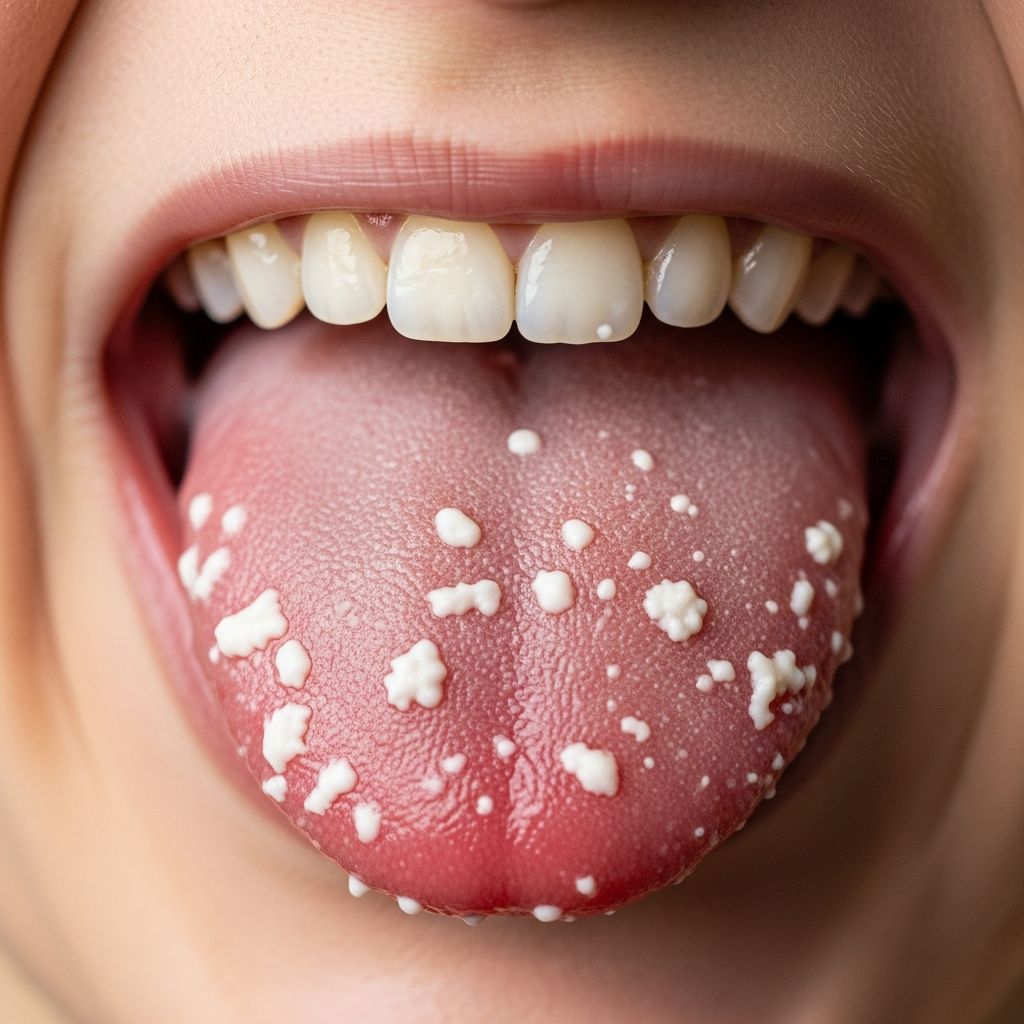
Understanding Thrush: A Complete Guide to Oral Candidiasis
Thrush, medically known as oral candidiasis, is a fungal infection that develops in the mouth when there is an overgrowth of a yeast organism called Candida albicans. This common condition can affect anyone, though it is particularly prevalent in individuals with weakened immune systems, those undergoing cancer treatment, and people living with HIV/AIDS. While thrush is typically not serious, it can cause significant discomfort and affect your ability to eat and speak properly. Understanding the causes, symptoms, and treatment options can help you manage this condition effectively.
What Causes Thrush?
Thrush develops when Candida albicans, a naturally occurring fungus in the mouth, grows excessively. Several factors can disrupt the natural balance of microorganisms in your mouth, creating an environment where Candida thrives.
Common causes of thrush include:
- Weakened immune system due to HIV/AIDS or other immunocompromised conditions
- Cancer chemotherapy and radiation therapy
- Prolonged use of broad-spectrum antibiotics that kill beneficial bacteria
- Corticosteroid medications, including inhalers used for asthma management
- Organ transplantation and associated immunosuppressive drugs
- Uncontrolled diabetes
- Denture use, particularly if dentures are not cleaned properly
- Xerostomia (dry mouth)
- Poor oral hygiene practices
- Hormonal changes during pregnancy or from oral contraceptive use
- Nutritional deficiencies, such as iron or B-vitamin deficiency
- Smoking
- Overuse of antiseptic mouthwash
Research has shown that maintaining a healthy balance of oral microorganisms is crucial for preventing thrush. When this equilibrium is disturbed, pathogenic organisms like Candida can proliferate, leading to infection.
Recognizing the Symptoms of Thrush
Thrush often develops rapidly, and recognizing its symptoms early can help you seek treatment promptly. The symptoms can vary depending on the severity of the infection and the individual’s immune status.
Typical symptoms of oral thrush include:
- White, raised spots or patches on the tongue, inside the cheeks, roof of the mouth, gums, tonsils, or back of the throat
- Redness and soreness inside the mouth
- Pain or burning sensation in the affected areas
- Difficulty swallowing or pain while swallowing
- Difficulty chewing
- Altered taste or loss of taste
- Mouth feeling unusually dry or cottony
- Redness and pain in the outer corners of the mouth
- Fever or chills in more severe cases
If you notice any of these symptoms, it is important to contact your healthcare provider for evaluation and diagnosis. Early detection and treatment can prevent the infection from spreading to other parts of your body.
Diagnosis of Thrush
Healthcare providers employ several methods to diagnose thrush accurately. The diagnosis often begins with a visual examination of the oral cavity.
Diagnostic procedures include:
- Visual examination: A provider can often diagnose thrush simply by looking inside the mouth
- Scraping test: If the white patches are gently brushed away, a red, sore spot is typically visible underneath
- Throat culture: If thrush is suspected in the throat and esophagus, a swab may be taken for microscopic examination
- Esophageal X-rays: Imaging studies may be performed to assess the extent of infection
- Endoscopy: A thin tube with a lighted camera may be used to visualize the esophagus, stomach, and small intestine
These diagnostic tools help determine the extent of the infection and guide treatment decisions.
Treatment Options for Thrush
The treatment of thrush depends on the severity of the infection, the patient’s immune status, and underlying health conditions. Various therapeutic approaches are available to eliminate the infection and restore oral health.
Medical Treatments
Antifungal medications are the primary treatment for thrush. These medications work by inhibiting the growth of Candida or killing the fungus directly. Common antifungal treatments include topical creams, lozenges, and systemic medications taken orally or intravenously for more severe infections.
Home Remedies and Supportive Care
Several home remedies can help alleviate thrush symptoms and support recovery. Salt-water rinses are commonly recommended to reduce inflammation and promote healing. Consuming unsweetened yogurt containing Lactobacillus acidophilus may help restore the normal bacterial flora in the mouth, thereby reducing Candida overgrowth. Baking soda rinses can also provide relief and help maintain an oral environment less favorable to fungal growth.
Related Stories



Innovative Treatment Approaches
Emerging research has identified promising new treatment avenues for thrush. Scientists at Case Western Reserve School of Medicine have discovered that Pichia, a beneficial fungal yeast, can inhibit the growth of harmful Candida. In studies, mice treated with Pichia supernatant showed nearly complete eradication of Candida in their mouths, with significantly better results than those treated with nystatin, a conventional topical treatment. These findings suggest that components in Pichia could one day become therapeutic agents not only for oral thrush but also for systemic fungal infections in immunocompromised patients, including those with HIV, cancer, and diabetes.
Prevention Strategies for Thrush
Preventing thrush is often more effective than treating it after infection develops. Several practical measures can significantly reduce your risk of developing oral candidiasis.
Oral Hygiene Practices
Maintaining excellent oral hygiene is fundamental to thrush prevention. Good oral hygiene practices can help prevent oral candidiasis in people with weakened immune systems, including regular brushing and careful attention to cleaning the tongue. Brush your teeth at least twice daily with a soft-bristled toothbrush, and don’t forget to gently clean your tongue where Candida frequently colonizes. Floss daily to remove food particles and plaque that could promote fungal growth.
Denture Care
If you wear dentures, proper cleaning and maintenance are crucial. Remove dentures before sleeping to allow your mouth to breathe, and clean them thoroughly with a denture brush and mild soap. Avoid wearing dentures continuously, as this creates a moist environment conducive to Candida growth.
Dietary Considerations
Limiting sugar and refined carbohydrates can help prevent thrush, as Candida thrives on sugar. Additionally, maintaining adequate nutrition, particularly ensuring sufficient iron and B-vitamin intake, supports immune function and reduces susceptibility to infection.
Medication Management
If you are prescribed broad-spectrum antibiotics, discuss the risks of thrush with your healthcare provider. They may recommend preventive measures or monitoring during antibiotic therapy. Similarly, if you use a corticosteroid inhaler for asthma or other respiratory conditions, rinse your mouth thoroughly after each use to prevent Candida colonization.
Immune System Support
For individuals with weakened immune systems, working closely with healthcare providers to manage underlying conditions and maintain appropriate immune support is essential. This may include adherence to antiretroviral therapy for HIV, optimal management of diabetes, and appropriate cancer treatment protocols.
When to Seek Medical Attention
While thrush often resolves on its own or with simple home remedies, certain situations warrant medical evaluation. You should contact your healthcare provider if:
- Symptoms persist for more than two weeks despite home treatment
- The infection spreads to your throat, esophagus, or other parts of your body
- You experience severe pain that interferes with eating or drinking
- You have a high fever accompanying thrush
- You are immunocompromised and develop thrush symptoms
- Symptoms recur frequently or severely
Special Considerations for At-Risk Populations
Certain populations face higher risks for thrush and may require more aggressive prevention and treatment strategies. Patients undergoing cancer chemotherapy should discuss thrush prevention with their oncology team. Those living with HIV/AIDS should maintain regular dental checkups and excellent oral hygiene. Very young children and elderly individuals with compromised immune systems also benefit from enhanced preventive measures and close monitoring.
Frequently Asked Questions About Thrush
Q: Is thrush contagious?
A: Thrush can be transmitted through oral contact, but it typically only develops in individuals with compromised immunity or disrupted oral flora. Healthy individuals with strong immune systems rarely develop thrush from exposure to Candida.
Q: Can thrush spread to other parts of my body?
A: Yes, if left untreated, thrush can spread to the throat, esophagus, and potentially to other areas of the body, particularly in severely immunocompromised individuals. This is why prompt treatment is important.
Q: How long does thrush typically last?
A: With appropriate treatment, thrush usually resolves within one to two weeks. However, without treatment or in cases of recurrent thrush, symptoms may persist longer.
Q: Can I prevent thrush while taking antibiotics?
A: Yes. Maintaining excellent oral hygiene, using an antibacterial mouthwash carefully, consuming probiotic-rich foods, and discussing preventive measures with your healthcare provider can help reduce thrush risk during antibiotic therapy.
Q: Are there natural remedies that effectively treat thrush?
A: While home remedies like salt-water rinses and yogurt can support recovery and alleviate symptoms, medical antifungal treatment is often necessary for complete resolution, particularly in moderate to severe cases.
Q: Is thrush a sign of a serious underlying condition?
A: Occasional thrush may not indicate a serious condition, but recurrent or persistent thrush can signal immunosuppression or other underlying health issues that warrant medical evaluation.
Q: What should I avoid if I have thrush?
A: Avoid sugary foods and drinks, hot or spicy foods that may irritate your mouth, alcohol-based mouthwashes, and smoking. These can worsen thrush symptoms or delay healing.
Q: Can dental work be performed if I have thrush?
A: Non-invasive dental hygiene procedures generally do not need to be postponed due to thrush. However, it is advisable to treat the thrush before undergoing invasive procedures to prevent complications and ensure optimal healing.
References
- Microorganism Shows Promise in Inhibiting Thrush — Case Western Reserve University School of Medicine. March 13, 2011. https://case.edu/medicine/about/newsroom/our-latest-news/microorganism-shows-promise-inhibiting-thrush
- Oral Candidiasis Fact Sheet — College of Dental Hygienists of Ontario. June 29, 2025. https://cdho.org/factsheets/candidiasis/
- How To Get Rid of Thrush: 8 Remedies — Cleveland Clinic Health. https://health.clevelandclinic.org/thrush-the-white-stuff-growing-in-your-mouth-and-how-to-get-rid-of-it
- Thrush Symptoms and Diagnosis — OncoLink Cancer Resources. https://www.oncolink.org/support/side-effects/gastrointestinal-side-effects/thrush
- Thrush (Infection) Overview — EBSCO Research Starters Consumer Health. https://www.ebsco.com/research-starters/consumer-health/thrush-infection
Similar Articles








Read full bio of Sneha Tete