Thrush: Symptoms, Causes, And Treatment, A Complete Guide
Comprehensive guide to oral thrush: symptoms, causes, risk factors, diagnosis, treatment, and prevention strategies for all ages.
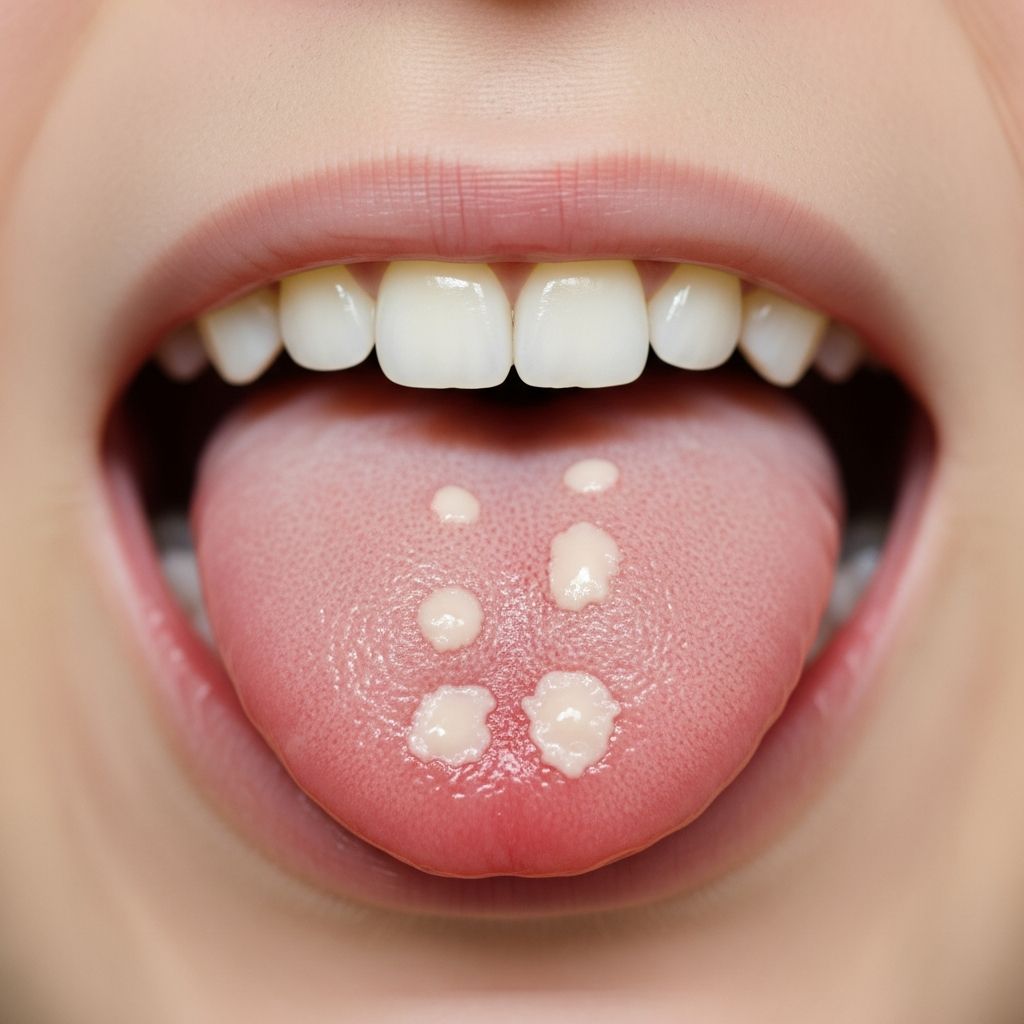
Oral thrush, also known as oral candidiasis, is a fungal infection caused by an overgrowth of Candida yeast in the mouth and throat. It commonly presents as creamy white lesions on the tongue, inner cheeks, gums, tonsils, or roof of the mouth, and can affect infants, children, adults, and particularly those with weakened immune systems. While generally not serious in healthy individuals, it can lead to discomfort, pain, and complications in vulnerable populations. Treatment typically involves antifungal medications, and good oral hygiene helps prevent recurrence.
What Is Thrush?
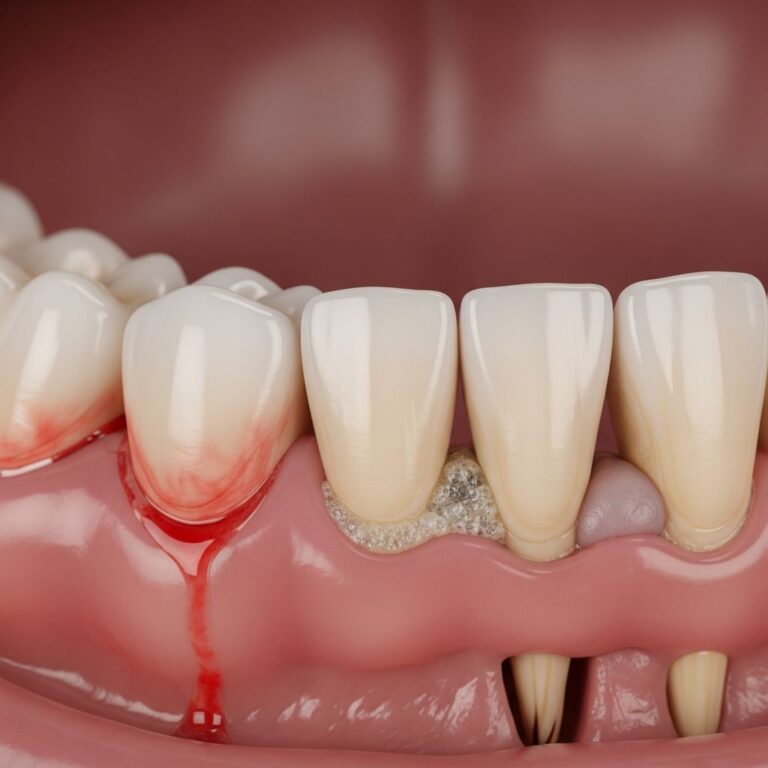
Thrush is a yeast infection primarily affecting the mucous membranes of the mouth, resulting in white, raised, cottage cheese-like lesions. These spots can be scraped off, revealing red, inflamed, and sometimes bleeding tissue underneath. Medically termed oropharyngeal candidiasis, it occurs when Candida albicans, a fungus naturally present in small amounts in the mouth, proliferates uncontrollably due to imbalances in the oral microbiome or immune function. Thrush can also spread to the throat (esophagus) or other body areas in severe cases, especially among immunocompromised patients.
In babies and toddlers, thrush is particularly common because their immune systems are still developing, and it can pass between nursing infants and breastfeeding parents. In adults, it often signals underlying issues like diabetes or medication side effects. The condition develops suddenly and is characterized by soreness, a cottony feeling in the mouth, and altered taste sensation.
Symptoms of Thrush
Recognizing thrush symptoms early is crucial for prompt treatment. The hallmark sign is the appearance of creamy white or yellow patches on the tongue, inner cheeks, gums, tonsils, or back of the throat. These lesions may resemble curdled milk and can be painful, especially when eating, drinking, or brushing teeth.
- White, velvety or cottage cheese-like sores in the mouth and on the tongue
- Redness, soreness, or burning sensation in the mouth
- Slight bleeding when scraping or brushing the lesions
- Cotton-like (fuzzy) feeling in the mouth
- Loss of taste or unpleasant metallic taste
- Pain or difficulty swallowing (dysphagia)
- Dry, cracked skin at the corners of the mouth (angular cheilitis)
- Loss of appetite or refusal to eat in infants
In severe cases, particularly in those with weakened immunity, thrush can spread to the esophagus, causing intense throat pain, nausea, or chest discomfort. Infants may exhibit fussiness, irritability, or a diaper rash from yeast overgrowth.
Causes of Thrush
Thrush results from an overgrowth of Candida species, most commonly C. albicans, which normally resides harmlessly in the mouth alongside beneficial bacteria. This balance is disrupted when the immune system weakens or oral conditions favor fungal proliferation. Normally, bacteria and immune defenses keep yeast in check, but certain triggers allow unchecked growth.
Key factors disrupting this balance include:
- Weakened immune system from HIV/AIDS, cancer treatments (chemotherapy, radiation), organ transplants, or autoimmune diseases
- Antibiotic use, which kills beneficial bacteria allowing yeast dominance
- Steroid inhalers or oral corticosteroids
- Diabetes, especially if poorly controlled, due to high blood sugar feeding yeast
- Dry mouth (xerostomia) from medications, Sjogren’s syndrome, or aging
- Infant-related factors: immature immunity, exposure via birth canal, or breast milk transmission
- Smoking or tobacco use, irritating oral tissues
- Ill-fitting dentures or poor oral hygiene
Related Stories



In nursing mothers, thrush can develop concurrently with infant thrush, passing back and forth through contact.
Risk Factors for Thrush
Anyone can develop thrush, but certain groups face higher risks:
| Group | Risk Factors |
|---|---|
| Infants & Toddlers | Immature immune systems, antibiotic use, pacifier overuse |
| Older Adults | Dry mouth, dentures, weakened immunity |
| Immunocompromised | HIV, cancer, transplants, chemotherapy |
| People with Diabetes | High glucose levels promote yeast growth |
| Nursing Parents | Yeast transmission from baby’s mouth to nipples |
Other contributors include prolonged antibiotic therapy, proton pump inhibitors reducing stomach acid, and conditions causing salivary gland dysfunction.
Complications of Thrush
In healthy individuals, thrush resolves quickly with treatment and rarely causes issues. However, untreated or recurrent thrush in immunocompromised people can lead to invasive candidiasis, where the fungus enters the bloodstream and spreads to organs like the heart, brain, eyes, lungs, liver, or joints. This systemic infection, known as candidemia, can result in septic shock, organ failure, or death if not addressed promptly.
Esophageal thrush causes odynophagia (painful swallowing) and may require endoscopy for diagnosis. Chronic thrush can erode oral tissues, leading to secondary bacterial infections or nutritional deficits from eating difficulties.
How Is Thrush Diagnosed?
Diagnosis is often clinical: healthcare providers inspect the mouth for characteristic white lesions, gently scraping them to reveal red, bleeding bases. Confirmation may involve:
- Microscopic exam (KOH prep) of lesion scrapings to visualize yeast hyphae
- Culture or PCR testing for Candida species identification
- Endoscopy or barium swallow for esophageal involvement
- Blood tests in suspected systemic cases
Differential diagnoses include leukoplakia, lichen planus, or viral infections, but thrush’s removable plaques are distinctive.
Treatment for Thrush
Treatment focuses on antifungal agents targeting Candida. Mild cases in healthy patients clear in 1-2 weeks; severe or recurrent cases may require longer therapy.
Topical Antifungals (First-line for mild cases):
- Nystatin suspension (swish and swallow) – safe for infants
- Clotrimazole lozenges
- Miconazole gel
Oral Systemic Antifungals (Moderate-severe or esophageal):
- Fluconazole tablets (preferred, once-daily)
- Itraconazole or posaconazole for resistant strains
For denture wearers, disinfect dentures nightly. Nursing mothers treat both breasts and baby simultaneously. Supportive care includes pain relief (acetaminophen), soft diets, and hydration.
Resistance is emerging; consult providers for non-responding cases.
Prevention of Thrush
Preventive strategies maintain oral microbial balance:
- Maintain excellent oral hygiene: brush twice daily, floss, use alcohol-free mouthwash
- Rinse mouth after steroid inhalers or antibiotics
- Control diabetes and blood sugar
- Clean pacifiers/dentures daily; remove dentures at night
- Quit smoking; limit alcohol
- Stay hydrated to prevent dry mouth
- For infants: sterilize bottles/nipples; treat breastfeeding dyads promptly
Prophylactic antifungals may be used in high-risk patients, like chemotherapy recipients.
When to See a Doctor
Seek medical attention if white mouth patches persist beyond 1-2 weeks, worsen, or are accompanied by fever, weight loss, difficulty swallowing, or spread beyond the mouth. Immediate evaluation is critical for immunocompromised individuals or neonates.
Frequently Asked Questions (FAQs)
Is thrush contagious?
Thrush itself isn’t highly contagious like viruses, but it can spread via direct contact, especially between nursing babies and mothers or through contaminated objects. Good hygiene prevents transmission.
Can thrush go away on its own?
In healthy individuals with mild cases, thrush may resolve without treatment, but antifungals speed recovery and prevent complications. Persistent cases require intervention.
How long does thrush last?
With proper antifungal treatment, symptoms improve in 3-7 days and fully resolve in 1-2 weeks. Continue medication as prescribed to eradicate residual yeast.
Can adults get thrush from babies?
Yes, particularly nursing parents; yeast can transfer bidirectionally. Treat both simultaneously.
Does thrush cause bad breath?
Yes, the infection can alter oral flora, leading to halitosis alongside other symptoms like soreness.
References
- Thrush: Symptoms, Causes & Treatment — Cleveland Clinic. 2023. https://my.clevelandclinic.org/health/diseases/10956-thrush
- Thrush – children and adults — MedlinePlus, U.S. National Library of Medicine. 2023. https://medlineplus.gov/ency/article/000626.htm
- Overview: Oral thrush — InformedHealth.org, NCBI Bookshelf. 2017 (updated 2023). https://www.ncbi.nlm.nih.gov/books/NBK367586/
- Oral Thrush: Symptoms, Causes, Treatments, and Prevention — Healthline (medically reviewed). 2023-06-26. https://www.healthline.com/health/thrush
Similar Articles








Read full bio of medha deb