Thumb Base Arthritis: Complete Guide To Symptoms And Treatment
Comprehensive insights into causes, symptoms, diagnosis, and effective management strategies for arthritis at the thumb's base.
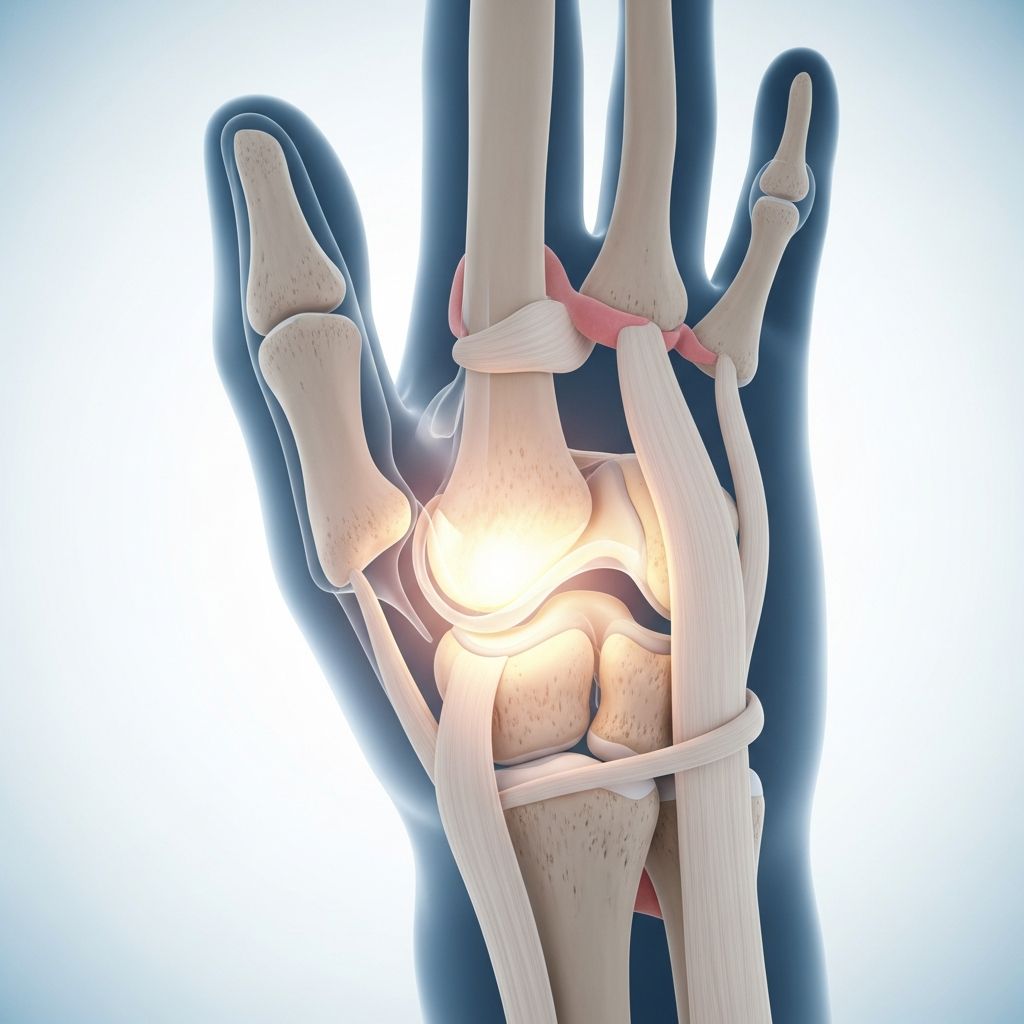
Thumb base arthritis, also known as carpometacarpal (CMC) joint osteoarthritis, affects the joint connecting the thumb to the wrist, leading to pain and functional limitations in daily activities. This condition arises from cartilage breakdown, primarily due to aging and repetitive stress, impacting grip strength and precision tasks.
Understanding the Anatomy Involved
The thumb’s base features the CMC joint, formed by the trapezium bone in the wrist and the first metacarpal bone of the thumb. This saddle-shaped joint enables wide-ranging movements like opposition, pinch, and grasp, essential for holding tools, writing, and buttoning clothes. Surrounding ligaments and muscles, including the thenar group, provide stability. When cartilage wears away, bones rub together, causing inflammation, bone spurs, and deformity.
Primary Causes and Risk Factors
Degeneration over time is the leading cause, with repetitive thumb use accelerating wear. Women over 50 are more prone due to hormonal changes post-menopause weakening ligaments. Genetic predisposition, prior injuries like fractures or sprains, and conditions such as rheumatoid arthritis heighten risk. Occupations or hobbies involving forceful gripping, like gardening or crafting, contribute significantly.
- Aging: Natural cartilage thinning after age 40.
- Repetitive stress: From pinching or twisting motions.
- Trauma history: Ligament laxity from past injuries.
- Hormonal influences: Estrogen decline in women.
- Systemic diseases: Inflammatory arthritides.
Recognizing Common Symptoms
Early signs include aching at the thumb’s base, worsened by use, and morning stiffness lasting under 30 minutes. As it advances, swelling forms a bony bump (Bouchard’s node-like), tenderness emerges, and a grinding sensation (crepitus) occurs during motion. Grip weakens, making jar opening or key turning painful. Fine motor tasks like texting or sewing become challenging.
| Stage | Symptoms | Impact |
|---|---|---|
| Early | Dull ache, mild stiffness | Intermittent discomfort during activity |
| Moderate | Swelling, tenderness, crepitus | Reduced pinch strength, daily task difficulty |
| Advanced | Severe pain, deformity, instability | Major functional loss, constant pain |
How It’s Diagnosed
Diagnosis starts with a clinical exam: the grind test compresses the joint to reproduce pain, while assessing thumb stability and strength. X-rays reveal joint space narrowing, sclerosis, and osteophytes, graded by Eaton stages (I-IV). Ultrasound or MRI may evaluate soft tissues if needed. Differential diagnosis rules out De Quervain’s or scaphoid issues.
Non-Surgical Management Options
Conservative care is first-line for 6+ months, aiming to reduce pain, enhance stability, and preserve motion. Success rates exceed 70% in early stages.
Splinting and Orthotics
Custom thumb spica splints immobilize the CMC joint, offloading stress during activities. Night splints prevent stiffness. Compliance yields pain reduction in weeks.
Medications and Injections
NSAIDs like ibuprofen curb inflammation orally. Topical diclofenac offers localized relief. Corticosteroid injections provide 3-6 months respite; hyaluronic acid lubricates.
Physical and Occupational Therapy
Therapists design programs strengthening abductor pollicis longus and opponens pollicis, improving opposition. Techniques include ultrasound, paraffin baths, and proprioceptive training. Home exercises focus on stability without overload.
Related Stories



- Thumb opposition slides.
- Resisted abduction with putty.
- Grip enhancement using rice buckets.
Lifestyle Modifications
Adapt tasks: use adaptive utensils, jar openers, ergonomic pens. Alternate hands, take breaks, apply ice/heat cycles.
Advanced and Regenerative Therapies
For persistent cases, platelet-rich plasma (PRP) from autologous blood promotes healing via growth factors. Stem cell injections from bone marrow aspire to regenerate cartilage, though evidence is emerging.
Surgical Interventions
Surgery suits advanced disease post-conservative failure, with 85-95% satisfaction. Options vary by stage.
Trapeziectomy Procedures
Removal of the trapezium (trapeziectomy) eliminates the arthritic source. Ligament reconstruction and tendon interposition (LRTI) using flexor carpi radialis prevents metacarpal subsidence, restoring 90% strength.
Other Techniques
Metacarpal osteotomy realigns bones. Arthroscopic partial trapeziectomy minimizes invasion. Joint arthroplasty or fusion for select cases.
| Procedure | Pros | Cons | Recovery |
|---|---|---|---|
| Trapeziectomy + LRTI | High success, durable | Longer rehab (12 weeks) | Cast 4-6 weeks |
| Arthroscopic | Minimally invasive | Higher revision risk | 4-8 weeks |
| Osteotomy | Preserves bone | For early stages only | 6-10 weeks |
Recovery and Rehabilitation Post-Surgery
Post-op involves immobilization, then protected motion. Therapy restores ROM, strength over 3-6 months. Most resume light activities by 8 weeks, full by 6 months.
Preventive Measures and Long-Term Outlook
Maintain hand fitness via strengthening, protect thumbs during high-risk activities, manage weight to lessen joint load. Early intervention halts progression. Prognosis excels with tailored care; many regain near-normal function.
Frequently Asked Questions
Is thumb base arthritis curable?
No cure exists, but symptoms manage effectively, slowing progression.
How long do splints take to work?
Relief in 2-4 weeks with consistent use.
When is surgery necessary?
After 6 months conservative failure with severe impairment.
Can exercises worsen it?
Only if improper; guided therapy is safe.
Does it affect both thumbs?
Often bilateral, starting dominantly.
Conclusion
Thumb base arthritis challenges hand function but responds well to layered interventions from splints to surgery. Consult specialists for personalized plans to reclaim comfort and dexterity.
References
- What Are the Causes, Symptoms, and Treatments of Basal Arthritis — Advanced Reconstruction. 2023. https://www.advancedreconstruction.com/blog/basal-arthritis-symptoms-and-treatments
- Basal thumb arthritis: Treatment strategies for managing pain — RACGP (Royal Australian College of General Practitioners). 2020-11-01. https://www1.racgp.org.au/ajgp/2020/november/basal-thumb-arthritis
- Thumb (Basal Joint) Arthritis: Pain, Tests & Treatment — Cleveland Clinic. 2023-10-20. https://my.clevelandclinic.org/health/diseases/thumb-arthritis
- Basal Joint Arthritis: Osteoarthritis of the Thumb — Hospital for Special Surgery (HSS). 2024. https://www.hss.edu/health-library/conditions-and-treatments/list/basal-joint-arthritis
- Basilar Thumb Arthritis — Orthobullets. 2024. https://www.orthobullets.com/hand/6054/basilar-thumb-arthritis
Similar Articles








Read full bio of medha deb