Thunder God Vine: Uses, Benefits, and Safety
Explore thunder god vine's traditional uses, scientific research, health benefits, and safety considerations.
Understanding Thunder God Vine
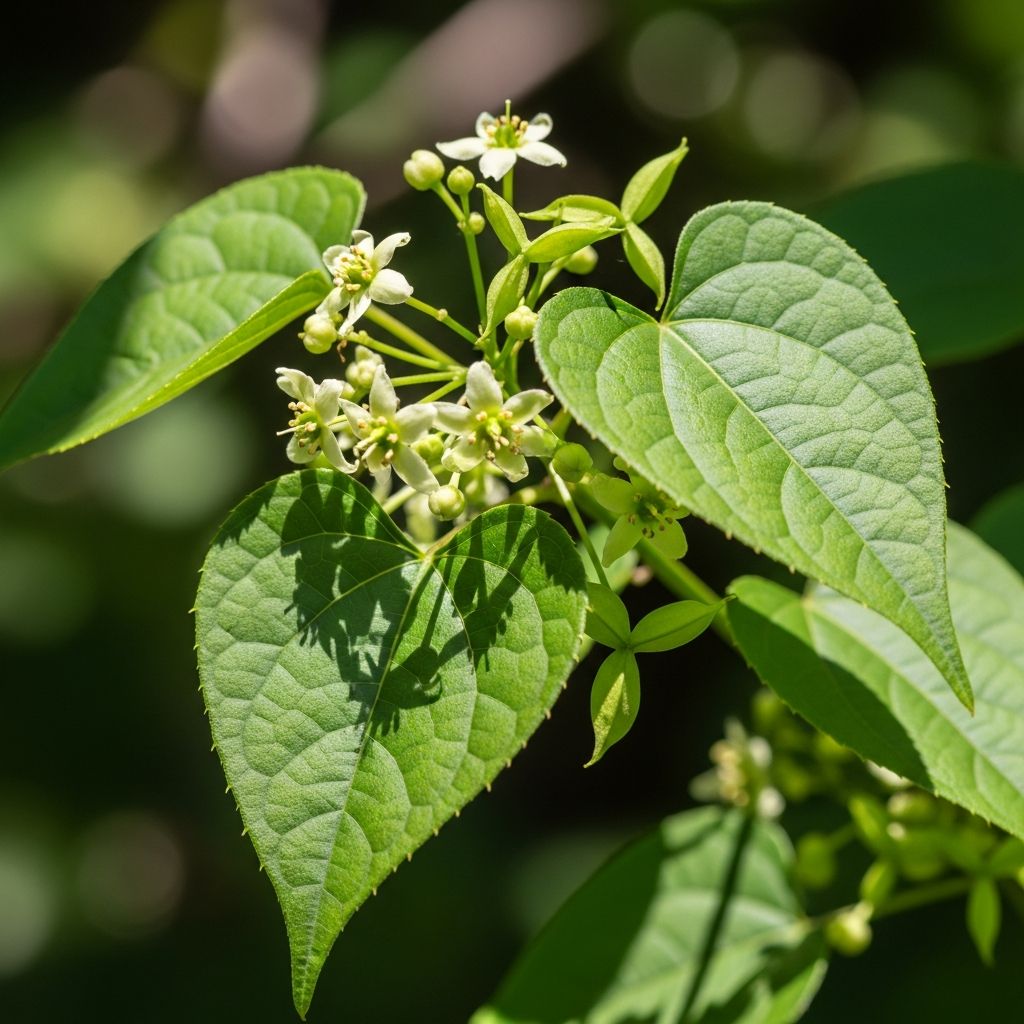
Thunder god vine, scientifically known as Tripterygium wilfordii Hook. F., is a traditional Chinese medicinal herb that has been used for centuries to treat various inflammatory and immune-related conditions. The plant, also known by its Chinese name lei gong teng, is a climbing vine native to East Asia and has gained significant attention in modern medical research for its potential therapeutic applications. The herb contains over 100 bioactive compounds, with more than 30 diterpenoids and various other secondary metabolites that contribute to its medicinal properties. Among its most studied active ingredients are celastrol and triptolide, which have demonstrated remarkable pharmacological activities in laboratory and clinical settings.
Historical and Traditional Uses
In traditional Chinese medicine, thunder god vine has been valued for centuries as a treatment for conditions involving inflammation and immune system dysfunction. The herb’s roots, leaves, and flowers are all utilized in medicinal preparations, each offering distinct therapeutic properties. Practitioners have traditionally prescribed thunder god vine for a wide range of conditions, including excessive menstrual bleeding, joint pain, and various autoimmune diseases. The herb’s reputation for addressing inflammatory conditions stems from its traditional application in treating arthritis, muscle injuries, and various skin conditions. This long history of use in Chinese medicine has provided the foundation for modern scientific investigation into its active compounds and mechanisms of action.
Key Bioactive Compounds
Thunder god vine’s therapeutic potential derives from its rich array of bioactive compounds. The two most extensively researched components are celastrol and triptolide, both of which exhibit potent anti-inflammatory and immunosuppressive properties. Celastrol, a quinone triterpene, has demonstrated exceptional efficacy in targeting multiple signaling pathways including NF-κB, endoplasmic reticulum calcium channels, and toll-like receptors. Triptolide, a diterpenoid epoxide, works through different but complementary mechanisms, inhibiting inflammatory cytokines and matrix metalloproteases. These compounds represent only a fraction of the herb’s active ingredients, which also include various flavonoids, alkaloids, and other triterpenoids that contribute to its multifaceted therapeutic effects.
Conditions Thunder God Vine May Help Treat
Rheumatoid Arthritis
Rheumatoid arthritis (RA) represents one of the most well-researched applications for thunder god vine. Multiple clinical studies have demonstrated that oral extracts of the herb can significantly improve RA symptoms, including joint swelling, pain, and functional impairment. A notable study funded by the National Institute of Arthritis and Musculoskeletal and Skin Diseases (NIAMS) showed that an oral extract of thunder god vine improved symptoms in RA patients, with effects comparable to conventional medications. The herb’s effectiveness appears to stem from its ability to inhibit pro-inflammatory signaling pathways and reduce the production of inflammatory cytokines that drive joint destruction in RA.
Inflammatory Bowel Disease
Thunder god vine shows promise for managing inflammatory bowel conditions, particularly Crohn disease. Evidence suggests that taking the herb orally may help prevent symptom recurrence in patients in remission and slow the progression of symptoms when they return. The anti-inflammatory properties of celastrol and triptolide help reduce intestinal inflammation and promote healing of damaged tissue lining the digestive tract.
Kidney Disease
For individuals with IgA nephropathy, a condition that gradually leads to kidney disease, thunder god vine appears beneficial. Research indicates that oral administration of the herb may help patients achieve remission and slow disease progression, offering a potential complementary approach to conventional kidney disease management.
Eye Disease from Thyroid Overactivity
Graves’ ophthalmopathy, an eye disease caused by an overactive thyroid, may benefit from thunder god vine when used alongside conventional treatments. Evidence suggests that the herb can improve eye-related symptoms in individuals with this autoimmune condition, contributing to better visual comfort and functional outcomes.
Additional Therapeutic Applications
Beyond its well-documented uses, thunder god vine has been investigated for potential benefits in lupus, diabetes, and various other autoimmune and inflammatory conditions. The herb’s immunosuppressive and anti-inflammatory properties suggest broader potential applications, though many of these uses require additional clinical validation.
How Thunder God Vine Works
Thunder god vine exerts its therapeutic effects through multiple interconnected mechanisms. The herb’s active compounds modulate inflammatory signaling pathways, particularly the NF-κB pathway, which plays a central role in inflammatory and immune responses. Additionally, thunder god vine affects calcium regulation in cells, influences toll-like receptor signaling, and modulates the production of pro-inflammatory chemokines and cytokines. Recent computational analysis has identified PPARG (peroxisome proliferator-activated receptor gamma) and PTGS2 (cyclooxygenase-2) as central therapeutic targets, suggesting the herb’s compounds activate PPARG and inhibit PTGS2, contributing to its anti-inflammatory effects. This multi-target approach distinguishes thunder god vine from many single-target pharmaceutical interventions and may explain its broad therapeutic applications.
Current Scientific Research
Modern scientific investigation has validated many traditional uses of thunder god vine while uncovering new therapeutic possibilities. Researchers have employed advanced techniques including network pharmacology, molecular docking, and computational chemistry to understand the herb’s mechanisms of action. Advanced algorithms like the TriDimensional Hierarchical Fingerprint Clustering with Tanimoto Representative Selection (3DHFC-TRS) have been used to systematically analyze 139 active compounds from thunder god vine, identifying those with exceptional binding affinity to disease-related targets. This computational approach has accelerated the identification of promising therapeutic candidates and provided theoretical support for developing obesity treatments and other applications.
Safety and Side Effects
While thunder god vine shows considerable promise, it is not without risks. The herb has been found to cause several adverse effects that warrant careful consideration before use:
- Gastrointestinal disturbances including diarrhea and upset stomach
- Hair loss
- Headaches
- Menstrual irregularities and menstrual changes
- Skin rash
- Decreased sperm production and reduced male fertility
- Decreased bone mineral density with long-term use (5 years or longer)
Notably, women who take thunder god vine for extended periods may experience a concerning decrease in bone mineral density, which could increase fracture risk and is particularly concerning for postmenopausal women and those at risk for osteoporosis.
Drug Interactions and Precautions
Thunder god vine interacts with several categories of medications processed by the liver. The herb can alter how quickly the body metabolizes medications that depend on Cytochrome P450 1A2 (CYP1A2) and Cytochrome P450 3A4 (CYP3A4) enzymes, potentially changing both the effectiveness and side effect profile of these medications. This metabolic interaction means that individuals taking medications such as certain statins, anticoagulants, and immunosuppressants should consult healthcare providers before using thunder god vine. Additionally, because the herb affects sperm production, men concerned about fertility should exercise caution before beginning treatment.
Dosage and Administration
Most clinical research on thunder god vine has utilized standardized oral extracts rather than whole plant preparations or decoctions. The dosages used in research studies have varied, but typically range from 20-180 mg daily of standardized extract. However, specific dosage recommendations should be determined in consultation with qualified healthcare practitioners, as appropriate dosing may vary based on individual factors, the specific condition being treated, and potential drug interactions. The extract used in NIAMS-funded studies was reported to be well tolerated, suggesting that properly standardized preparations offer reasonable safety when used under medical supervision.
Comparison with Conventional Treatments
| Aspect | Thunder God Vine | Conventional Treatments |
|---|---|---|
| Mechanism | Multi-target approach affecting multiple inflammatory pathways | Often single-target or limited pathway inhibition |
| Side Effects | Generally mild to moderate; includes GI upset, hair loss, menstrual changes | Varies; can include serious immunosuppression and infection risk |
| Drug Interactions | Significant interactions with liver-metabolized drugs | Varies depending on specific medication class |
| Cost | Generally more affordable | Often expensive, especially biologics |
| Research Evidence | Promising but limited high-quality human studies | Extensive clinical trial data for approved medications |
| Bioavailability | Variable depending on preparation and individual factors | Generally more standardized and predictable |
Emerging Research Areas
Recent research has opened new frontiers in understanding thunder god vine’s potential. Computational analysis has identified the herb’s compounds as promising candidates for obesity treatment through activation of PPARG and inhibition of PTGS2, suggesting applications beyond traditional inflammatory conditions. The herb’s diverse pharmacological activities, including anti-tumor effects, continue to attract researcher attention. Studies examining the herb’s potential in cancer treatment, autoimmune disorders beyond arthritis, and metabolic diseases represent important areas of ongoing investigation that could expand clinical applications significantly.
Frequently Asked Questions
Q: Is thunder god vine safe for long-term use?
A: While short-to-medium term use appears relatively well-tolerated, long-term use (especially beyond 5 years) carries risks including decreased bone mineral density. Women and others at risk for osteoporosis should be particularly cautious. Long-term use should be monitored by healthcare providers.
Q: Can thunder god vine be used alongside conventional medications?
A: Thunder god vine can potentially be used complementarily with conventional treatments, as demonstrated in studies of Graves’ ophthalmopathy. However, because the herb interacts with liver metabolism of many medications, medical supervision is essential to prevent adverse interactions.
Q: How long does it take to see benefits from thunder god vine?
A: Clinical effects typically become apparent within several weeks of consistent use, though individual responses vary. Some patients may require 4-8 weeks of treatment before experiencing noticeable improvement in symptoms.
Q: Is thunder god vine suitable for men?
A: While men can use the herb, they should be aware that it may decrease sperm production and affect fertility. Men concerned about fertility should discuss this risk with their healthcare provider before beginning treatment.
Q: Can thunder god vine be used during pregnancy?
A: Thunder god vine is not recommended during pregnancy or while breastfeeding due to potential effects on reproduction and hormonal changes. Women of childbearing age should use appropriate contraception if using this herb.
Q: How does thunder god vine compare to other herbal treatments for arthritis?
A: While other herbs like ginger and turmeric offer anti-inflammatory benefits, thunder god vine has demonstrated comparable or superior efficacy in clinical studies for rheumatoid arthritis. However, its stronger effects come with greater potential for side effects and drug interactions.
Q: Should I stop conventional arthritis medications to use thunder god vine?
A: No. Any changes to conventional medication regimens should only be made under medical supervision. Thunder god vine should be considered as a complementary approach, not a replacement for established treatments, unless explicitly recommended by your healthcare provider.
Q: What quality assurance should I look for when purchasing thunder god vine?
A: Look for products that specify the standardized extract content of active compounds (particularly celastrol and triptolide percentages), have been tested for contaminants, and come from reputable manufacturers. Third-party testing certifications provide additional assurance of quality and safety.
Conclusion
Thunder god vine represents a significant bridge between traditional Chinese medicine and contemporary pharmacology. With its rich array of bioactive compounds and multiple mechanisms of action, this herb offers promise for managing various inflammatory and autoimmune conditions. The scientific evidence supporting its use in rheumatoid arthritis and other autoimmune disorders continues to accumulate, though high-quality human studies remain limited compared to conventional pharmaceuticals. Individuals considering thunder god vine should approach it as part of a comprehensive healthcare strategy, undertaken only under qualified medical supervision. The herb’s potential benefits must be carefully weighed against its side effects and drug interactions, particularly for those with long-term health conditions or taking multiple medications. As research advances and computational approaches identify new therapeutic targets, thunder god vine’s role in modern medicine will likely expand, particularly in emerging areas such as obesity and metabolic disorders.
References
- Unveiling the Anti-Obesity Potential of Thunder God Vine: Network Pharmacology and Computational Insights into Celastrol-like Molecules — National Center for Biotechnology Information (NCBI). 2024-12-01. https://pmc.ncbi.nlm.nih.gov/articles/PMC11641352/
- Thunder God Vine — National Center for Complementary and Integrative Health (NCCIH), National Institutes of Health. 2020-12-01. https://www.govinfo.gov/content/pkg/GOVPUB-HE20_7250-PURL-LPS112647/pdf/GOVPUB-HE20_7250-PURL-LPS112647.pdf
- Therapeutic Targets of Thunder God Vine (Tripterygium Wilfordii Hook) — PubMed Central, National Center for Biotechnology Information. 2020-04-15. https://pubmed.ncbi.nlm.nih.gov/32323812/
- Thunder God Vine – Uses, Side Effects, and More — WebMD. 2024-11-01. https://www.webmd.com/vitamins/ai/ingredientmono-824/thunder-god-vine
- The Main Anticancer Bullets of the Chinese Medicinal Herb, Thunder God Vine — PubMed Central, National Center for Biotechnology Information. 2011-07-28. https://pubmed.ncbi.nlm.nih.gov/21701438/
Similar Articles







Read full bio of Sneha Tete