Thyroid Cancer Lump: Symptoms and Diagnosis
Understand thyroid cancer lumps: symptoms, diagnosis, and when to seek medical help for early detection and treatment.
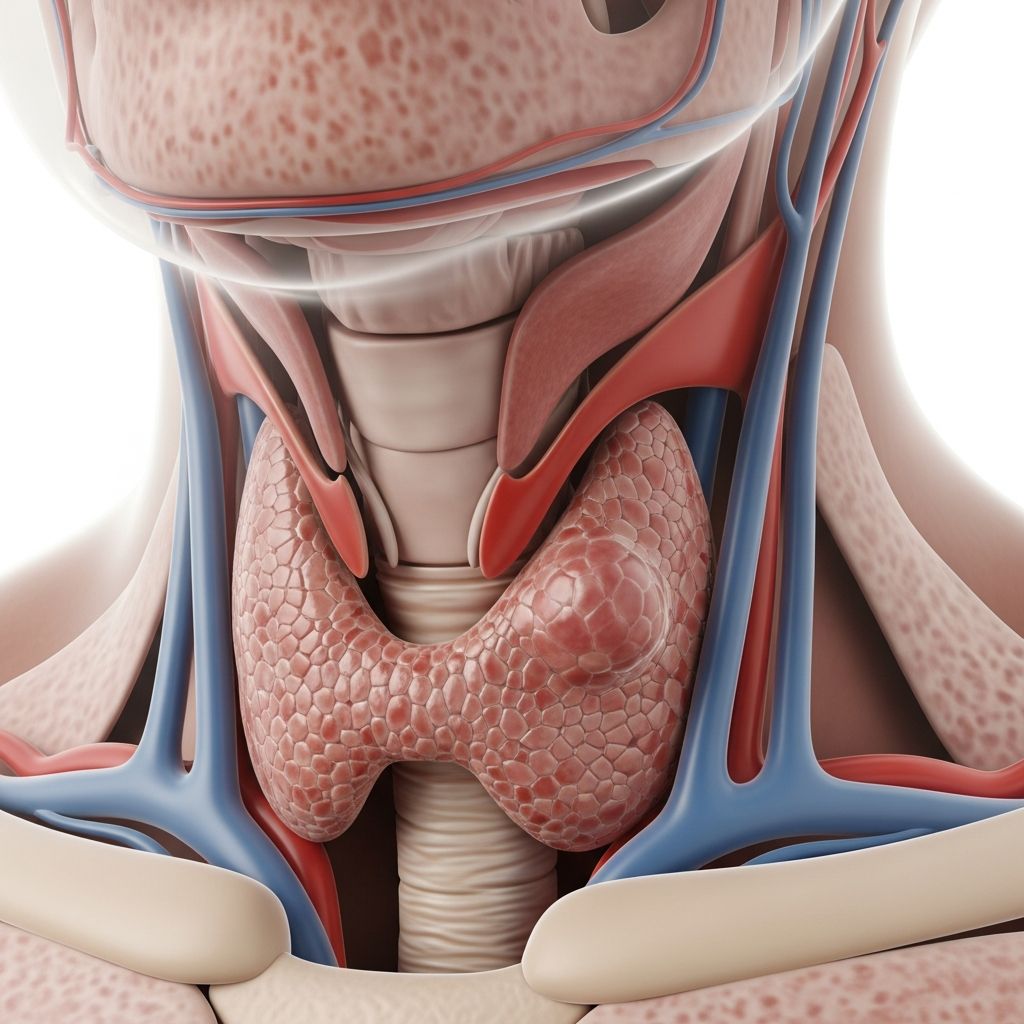
A thyroid cancer lump often appears as a painless swelling in the front of the neck, typically detected during routine exams or self-checks, though most such nodules are benign. Early detection through physical exams and imaging like ultrasound is crucial, as thyroid cancer is highly treatable when found promptly.
What Is a Thyroid Cancer Lump?
The thyroid gland, located at the base of the neck just below the Adam’s apple, produces hormones regulating metabolism, heart rate, and body temperature. A thyroid lump, or nodule, is an abnormal growth within this gland. While most nodules—about 90-95%—are non-cancerous, a small fraction may indicate thyroid cancer, which grows slowly in most cases but can be aggressive in rare types.
Thyroid cancer lumps usually develop silently in early stages, with no symptoms. As they grow, they may become palpable through the skin, feeling firm and slowly enlarging without pain. Factors like radiation exposure or genetic predispositions increase risk, but many cases occur without clear causes.
Signs and Symptoms of a Thyroid Lump
Many individuals with thyroid nodules experience no symptoms, discovering them incidentally during imaging for unrelated issues or routine physicals. When symptoms arise, they often relate to the lump’s size or pressure on nearby structures.
- A lump in the front of the neck: The most common sign, often painless, hard, and slowly growing; may feel like a nodule under the skin.
- Swelling in the neck: General enlargement around the thyroid area, sometimes making collars feel tight.
- Hoarseness or voice changes: Persistent changes lasting weeks, due to pressure on vocal cords.
- Difficulty swallowing (dysphagia): A sensation of something stuck in the throat.
- Trouble breathing: If the lump compresses the airway, especially in advanced cases.
- Pain in the front of the neck or throat: Sometimes radiating to the ears.
- Constant cough: Not related to a cold or respiratory infection.
- Swollen lymph nodes: Lumps on the sides of the neck if cancer spreads.
These symptoms overlap with benign conditions like goiters, infections, or cysts, so professional evaluation is essential. For instance, a hoarse voice persisting beyond two weeks warrants a check.
Causes and Risk Factors
Thyroid cancer arises from genetic mutations in thyroid cells, leading to uncontrolled growth. Exact causes are often unknown, but key risk factors include:
- Radiation exposure: Especially to the head/neck in childhood, from medical treatments or environmental sources.
- Family history: Genetic syndromes like familial medullary thyroid cancer.
- Gender and age: More common in women and those aged 25-65.
- Iodine deficiency: Rare in iodine-sufficient areas.
Rising diagnosis rates may stem from advanced imaging detecting small, incidental cancers rather than true increases.
Related Stories



How Thyroid Cancer Lumps Are Diagnosed
Diagnosis begins with a thorough physical exam where a doctor palpates the neck, feeling for lumps as the patient swallows to assess thyroid movement. This simple technique helps identify abnormalities.
Imaging Tests
Ultrasound is the primary tool, using sound waves to visualize nodule size, shape, borders, calcifications, and blood flow—features scored via TI-RADS to gauge cancer risk. High-risk nodules (irregular borders, microcalcifications) prompt further tests.
- CT/MRI/PET scans: For detailed views if ultrasound suggests spread.
Biopsy and Lab Tests
Fine-needle aspiration (FNA) biopsy samples cells from the nodule for microscopic analysis, often ultrasound-guided. Blood tests check thyroid function (TSH levels), and genetic testing identifies hereditary cases.
| Test | Purpose | What It Shows |
|---|---|---|
| Physical Exam | Palpate neck/thyroid | Lump presence, size, mobility |
| Ultrasound | Image nodule | TI-RADS risk score, features like calcifications |
| FNA Biopsy | Sample cells | Cancerous vs. benign cells |
| Blood Tests | Thyroid function | TSH, hormone levels |
No routine screening exists for the general population, but high-risk individuals should discuss evaluation.
When to See a Doctor
Seek immediate care if you notice a persistent neck lump, especially if growing, hard, or accompanied by hoarseness, swallowing/breathing issues, or neck pain. Even without symptoms, mention any family history or radiation exposure during checkups. Early diagnosis boosts success rates, with most thyroid cancers curable.
Treatment Overview
If cancerous, treatment typically involves surgery (thyroidectomy) to remove part or all of the gland, followed by radioactive iodine if needed, hormone therapy, and monitoring. Prognosis is excellent for early-stage cases.
Frequently Asked Questions (FAQs)
Is a lump in my neck always thyroid cancer?
No, most thyroid nodules (90%+) are benign; only biopsy confirms cancer.
How do doctors tell if a thyroid lump is cancerous?
Ultrasound assesses features like irregular borders, then FNA biopsy provides definitive diagnosis.
Does thyroid cancer cause pain?
Rarely in early stages; pain may occur if pressing on nerves or structures.
Can thyroid cancer be cured?
Yes, most types are highly treatable, especially when caught early.
Should I worry about a small thyroid nodule?
Not necessarily; monitoring via ultrasound is common for low-risk ones.
References
- Signs and Symptoms of Thyroid Cancer 2 American Cancer Society. 2023. https://www.cancer.org/cancer/types/thyroid-cancer/detection-diagnosis-staging/signs-symptoms.html
- Symptoms of thyroid cancer 2 NHS. 2023. https://www.nhs.uk/conditions/thyroid-cancer/symptoms/
- Thyroid Cancer: Early Diagnosis Is Key to Successful Treatment 2 Yale Medicine. 2023. https://www.yalemedicine.org/news/thyroid-cancer-early-diagnosis-key-to-treatment
- Thyroid cancer – Symptoms and causes 2 Mayo Clinic. 2025-01-10. https://www.mayoclinic.org/diseases-conditions/thyroid-cancer/symptoms-causes/syc-20354161
- Thyroid Cancer: Types, Symptoms, Causes & Treatment 2 Cleveland Clinic. 2023. https://my.clevelandclinic.org/health/diseases/12210-thyroid-cancer
Similar Articles








Read full bio of Sneha Tete