Thyroid Cancer Symptoms: Signs You Shouldn’t Ignore
Learn the warning signs of thyroid cancer, from neck lumps to voice changes, and when to seek medical evaluation.
Understanding Thyroid Cancer Symptoms
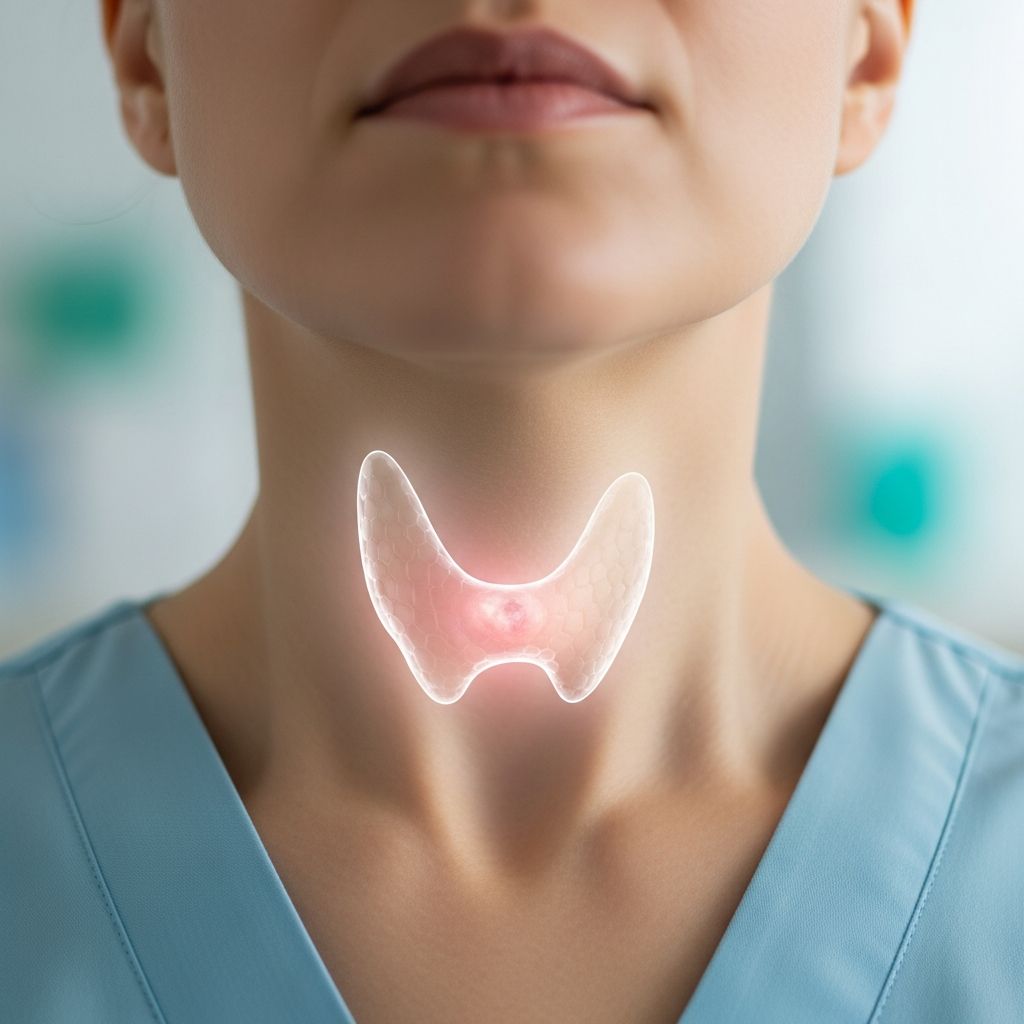
Thyroid cancer often develops silently without noticeable symptoms in its early stages. As the disease progresses, however, specific warning signs may emerge that warrant medical evaluation. Understanding these symptoms is crucial for early detection, as thyroid cancer diagnosed in its initial phases tends to be more treatable and manageable. The thyroid gland, located at the base of the neck, plays a vital role in regulating the body’s metabolism. When cancerous cells develop within this gland, they can trigger various physical changes that patients should not overlook.
Many individuals discover they have thyroid cancer unexpectedly during medical imaging performed for unrelated conditions. This incidental discovery highlights the importance of routine health screenings and attention to any unusual physical changes in the neck area. Early intervention significantly improves treatment outcomes and quality of life for patients diagnosed with thyroid cancer.
Common Early Symptoms of Thyroid Cancer
The most frequently reported symptom of thyroid cancer is a painless lump or nodule in the neck. This growth typically appears in the front of the neck and can often be felt through the skin. While thyroid nodules are common—particularly as people age—only approximately 1 in 10 to 20 nodules are actually cancerous. Nevertheless, any new or enlarging neck lump should be evaluated by a healthcare professional.
Patients may also experience a sensation that close-fitting shirt collars are becoming uncomfortably tight, even without a noticeable visible lump. This sensation results from thyroid enlargement or swelling due to the cancerous growth. Some individuals notice this symptom before detecting an actual palpable mass.
Voice and Swallowing Changes
Voice changes represent another significant symptom of thyroid cancer. Hoarseness, vocal strain, or a noticeably different tone of voice can indicate that the cancerous growth is affecting the nerves that control the vocal cords. These changes may develop gradually, and patients might initially attribute them to temporary conditions like allergies or throat irritation.
Difficulty swallowing, medically termed dysphagia, occurs when larger thyroid nodules press against the esophagus. Patients may experience discomfort when eating solid foods or even difficulty managing liquids. This symptom typically appears when the cancer has grown to a substantial size, as small cancers rarely cause swallowing difficulties. Some individuals describe a sensation of fullness in the neck that makes normal eating and drinking uncomfortable.
Neck and Throat Discomfort
While thyroid nodules and thyroid cancer typically do not cause pain, some patients report discomfort in the neck and throat area. This pain may result from the tumor pressing on surrounding tissues or from inflammation. It is important to note that thyroid pain is often associated with other non-cancerous conditions, making professional medical evaluation essential for accurate diagnosis.
Swollen lymph nodes in the neck represent another potential symptom, particularly if cancer has begun to spread. These enlarged nodes may be visible or palpable and can accompany other symptoms like voice changes or swallowing difficulties. The presence of swollen lymph nodes warrants prompt medical investigation.
Related Stories



Types of Thyroid Cancer and Their Symptom Profiles
Thyroid cancer presents in several distinct types, each with varying growth rates and symptom presentations:
Papillary Thyroid Cancer
Papillary thyroid cancer represents the most common form, accounting for approximately 80% of all thyroid cancer cases. This type generally grows slowly and responds well to treatment, making it the most treatable form of thyroid cancer. Patients with papillary thyroid cancer often experience subtle early symptoms, and many are diagnosed during routine imaging for unrelated conditions.
Follicular Thyroid Cancer
Follicular thyroid cancer comprises about 10% of thyroid cancer cases. This type is more likely to spread to other parts of the body compared to papillary cancer, which can complicate treatment and monitoring. Early symptoms may be minimal, similar to papillary cases, but the more aggressive nature of this cancer type necessitates careful follow-up care.
Medullary Thyroid Cancer
Medullary thyroid cancer originates in the thyroid’s C cells, which produce the hormone calcitonin. Representing less than 5% of thyroid cancer cases, this type can be hereditary. Elevated calcitonin levels in blood tests can indicate medullary thyroid cancer at very early stages, sometimes before physical symptoms develop. Some cases are linked to inherited genetic mutations, particularly the RET gene, which passes from parents to children.
Anaplastic Thyroid Cancer
Anaplastic thyroid cancer is the rarest and most aggressive form, accounting for approximately 2% of thyroid cancer cases. This cancer grows rapidly and can be challenging to treat. Patients typically experience severe, rapidly worsening symptoms, including pronounced neck swelling that may compromise breathing and swallowing ability. Anaplastic thyroid cancer predominantly affects people over age 60.
Hurthle Cell Thyroid Cancer
Previously classified as a variant of follicular cancer, Hurthle cell thyroid cancer is now recognized as a distinct type due to its unique cellular behavior and different treatment response patterns. This rare form tends to be aggressive and may spread to adjacent neck structures and distant body sites.
Risk Factors and Development
Thyroid cancer develops when normal thyroid cells mutate and multiply uncontrollably. While the exact cause remains unknown in most cases, certain risk factors increase susceptibility:
- High radiation exposure, particularly during childhood
- Inherited genetic mutations, especially involving the RET gene
- Family history of thyroid cancer or related genetic syndromes
- Pre-existing thyroid conditions
- Female gender—thyroid cancer is three times more common in women than men
Interestingly, thyroid cancer is 40–50% less common in Black individuals compared to other racial and ethnic groups, though the reasons for this disparity are not fully understood.
Detection and Diagnostic Methods
When a healthcare provider suspects thyroid cancer based on symptoms or physical examination findings, several diagnostic tests are employed to confirm the diagnosis:
Physical Examination
A thorough neck examination by a physician can reveal palpable lumps, enlarged lymph nodes, or signs of thyroid enlargement. Many patients discover their thyroid cancer when doctors detect abnormalities during routine check-ups for unrelated concerns.
Ultrasound Imaging
Ultrasound provides detailed visualization of thyroid nodules and helps determine characteristics that suggest malignancy. This non-invasive imaging technique uses sound waves to create detailed images of the thyroid gland and surrounding structures.
Biopsy
A fine-needle aspiration biopsy involves collecting a small sample of thyroid tissue for laboratory analysis. Pathologists examine the cells under a microscope to determine whether the growth is benign or cancerous. This definitive diagnostic tool confirms the presence of cancer and helps identify the specific cancer type.
Imaging Scans
CT and MRI scans help assess the extent of cancer and whether it has spread to lymph nodes or other body structures. Many thyroid cancers are discovered incidentally on imaging performed for completely unrelated medical reasons, highlighting how improved imaging technology facilitates early detection.
When to Seek Medical Evaluation
Certain symptoms and situations warrant immediate medical attention:
- Discovery of a new or enlarging lump in the neck
- Persistent hoarseness lasting more than a few weeks
- Difficulty swallowing that worsens over time
- Unexplained neck pain or swelling
- Visible or palpable lymph node enlargement in the neck
- Family history of thyroid cancer or hereditary cancer syndromes
- Previous radiation exposure to the neck area
Healthcare providers emphasize that early evaluation significantly improves treatment outcomes. As one expert notes, many people overlook potential thyroid cancer symptoms because they assume nothing serious is occurring or believe they are too young for cancer diagnosis. Prompt professional assessment ensures accurate diagnosis and timely initiation of appropriate treatment.
Monitoring for Recurrence
For patients who have undergone thyroid cancer treatment, ongoing surveillance is essential. Healthcare providers typically recommend periodic blood tests and thyroid scans to monitor for cancer recurrence. During follow-up appointments, patients should report any returning symptoms, including:
- Neck pain or new lumps
- Voice changes or hoarseness
- Difficulty swallowing
- Unusual fatigue or weight changes
Prognosis and Treatment Outlook
Most thyroid cancers respond well to treatment, particularly when detected early. Papillary thyroid cancer, the most common form, has excellent prognosis with appropriate management. Even more aggressive types may be effectively controlled with multimodal treatment approaches including surgery, radioactive iodine therapy, and external radiation therapy.
The increasing detection rate of thyroid cancer is partly attributed to improved imaging technology. Modern CT and MRI scans identify small, clinically insignificant thyroid cancers that might never cause symptoms. These incidentally discovered cancers typically respond favorably to treatment.
Frequently Asked Questions
Q: Can thyroid nodules cause pain?
A: Thyroid nodules, whether benign or cancerous, typically do not cause pain. If you experience thyroid pain, consult your doctor to rule out other conditions such as thyroiditis or infection.
Q: How common are thyroid nodules?
A: Thyroid nodules are very common, especially with advancing age. By age 50, most people have at least one thyroid nodule, though fewer than 10% are cancerous.
Q: Is thyroid cancer curable?
A: Yes, most thyroid cancers are highly treatable, particularly papillary and follicular types diagnosed in early stages. Treatment may include surgery, radioactive iodine therapy, and hormone suppression therapy.
Q: Why is thyroid cancer more common in women?
A: Thyroid cancer occurs three times more frequently in women than men. The exact biological reasons for this difference are not completely understood but may involve hormonal factors.
Q: Can thyroid cancer be detected early?
A: Yes, early detection significantly improves outcomes. Regular check-ups, attention to neck changes, and prompt evaluation of suspicious symptoms facilitate early diagnosis.
Q: Should I be concerned about every thyroid nodule?
A: Not all nodules are cancerous. However, any new or enlarging nodule should be professionally evaluated. Your doctor can determine whether further testing is necessary based on nodule characteristics.
References
- Thyroid Cancer—Symptoms and Causes — Mayo Clinic. 2024. https://www.mayoclinic.org/diseases-conditions/thyroid-cancer/symptoms-causes/syc-20354161
- Symptoms of Thyroid Cancer — UCLA Endocrine Center. August 17, 2023. https://www.youtube.com/watch?v=L7Q40PhaHEM
- The Medical Minute: The Thyroid Cancer Symptoms You Shouldn’t Ignore — Penn State Health. 2025. https://pennstatehealthnews.org/2025/09/the-medical-minute-the-thyroid-cancer-symptoms-you-shouldnt-ignore/
- 8 Top Thyroid Cancer Symptoms & Signs — MD Anderson Cancer Center. https://www.mdanderson.org/cancer-types/thyroid-cancer/thyroid-cancer-symptoms.html
Similar Articles








Read full bio of medha deb