Thyroid Cancer Treatment Side Effects: A Practical Guide
Understand common side effects of thyroid cancer treatments like surgery, RAI, and hormone therapy, and learn effective management strategies.

Thyroid cancer treatments, including surgery, radioactive iodine (RAI) therapy, hormone replacement, and radiation, are highly effective but can cause various side effects. These range from temporary discomforts like dry mouth and fatigue to more persistent issues like hormonal imbalances, which can often be managed with proper care and medical guidance.
What Are the Main Treatments for Thyroid Cancer?
Thyroid cancer is typically treated with a combination of approaches tailored to the cancer type, stage, and patient health. The primary treatments include:
- Surgery (Thyroidectomy): Removal of part or all of the thyroid gland, sometimes including nearby lymph nodes. This is the most common initial treatment.
- Radioactive Iodine (RAI) Therapy: Used post-surgery to destroy remaining cancer cells, especially if the cancer has spread to lymph nodes or nearby tissues.
- Thyroid Hormone Therapy: Lifelong medication to replace hormones lost from thyroid removal and suppress cancer recurrence.
- External Beam Radiation Therapy (EBRT): Less common, used for advanced cases causing issues like dry mouth and fatigue.
- Chemotherapy or Targeted Therapy: Rare for thyroid cancer, but may cause systemic effects like nausea and hair loss.
Understanding these treatments helps patients anticipate side effects and discuss risks with their healthcare team.
Side Effects After Thyroid Surgery
Thyroidectomy, whether partial or total, is generally safe but involves recovery challenges. Patients often feel tired or sore for days post-surgery, with neck and shoulder aches common due to incision and tissue manipulation.
Pain is typically managed with prescribed medications. Low calcium levels (hypocalcemia) can occur if parathyroid glands are affected, leading to tingling or muscle cramps—monitored via blood tests. Voice changes or hoarseness may result from nerve irritation, usually temporary but occasionally permanent.
Management Tips:
- Rest adequately and use ice packs for swelling.
- Avoid heavy lifting for weeks to prevent strain.
- Follow wound care to avoid infection.
Side Effects of Radioactive Iodine (RAI) Therapy
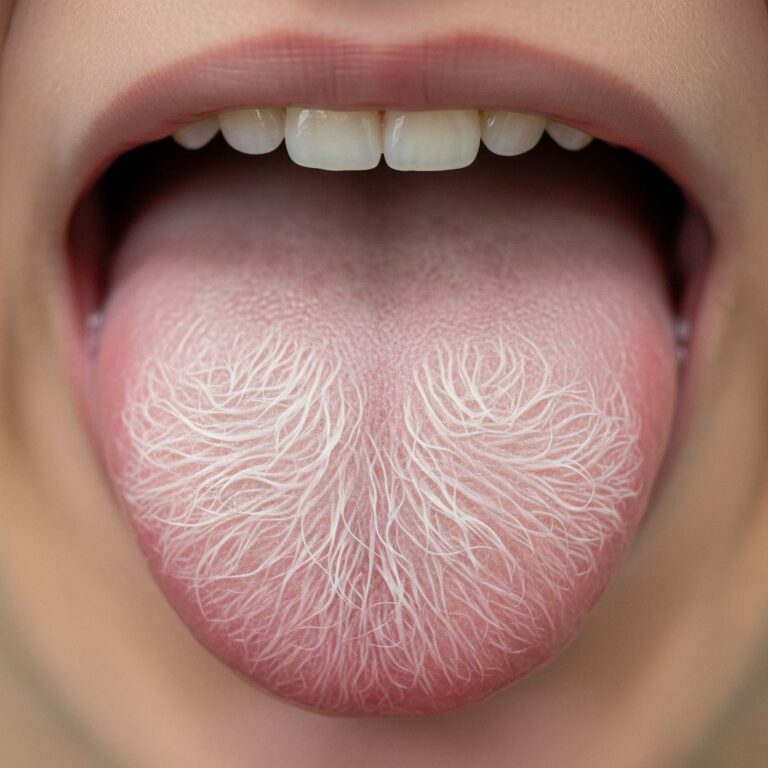
RAI targets residual thyroid cancer cells after surgery, particularly if spread to lymph nodes or nearby tissues. Common side effects include dry mouth, salivary gland swelling and tenderness, altered taste, neck pain, mild nausea, dry eyes, and temporary fertility issues. These often resolve over time.
Dry mouth and inflammation arise because salivary glands absorb iodine. Swelling may be brief or recurrent, lasting minutes to longer. There’s a very small risk (<1%) of secondary cancers like leukemia, outweighed by benefits in most cases.
Management Strategies:
- Drink plenty of fluids to flush iodine and reduce dryness.
- Use gentle mouth rinses (e.g., baking soda in water) and avoid alcohol-based products.
- Massage swollen glands; use pain relievers for tenderness.
- Wear glasses over contacts for dry eyes; use artificial tears.
- Discuss fertility preservation pre-treatment.
Patients should isolate briefly post-dose to minimize radiation exposure to others.
Thyroid Hormone Replacement Therapy Side Effects
Post-thyroidectomy, patients require levothyroxine to replace thyroid hormones regulating metabolism, energy, and more. Incorrect dosing causes imbalances: excess leads to rapid heartbeat, cramps, sweating, heat intolerance; deficiency causes fatigue, weight gain, cold sensitivity, dry skin, hair loss.
Related Stories



Dosage is adjusted via regular blood tests (TSH levels) throughout life, as needs change with age, weight, or health. Most patients thrive with proper management.
Tips for Balance:
- Report symptoms promptly for dose tweaks.
- Take medication consistently, ideally on an empty stomach.
- Monitor with periodic labs.
Side Effects of External Beam Radiation Therapy (EBRT)
EBRT is used for aggressive or recurrent thyroid cancer. Side effects depend on dose and include severe fatigue, dry mouth/throat, hoarseness, swallowing difficulties, and skin irritation.
Fatigue is profound, requiring rest and hydration. Throat issues improve post-treatment.
Coping Measures:
- Prioritize sleep and nutrition.
- Use humidifiers and soft foods for throat comfort.
- Apply prescribed creams to skin.
Rare and Long-Term Side Effects
Less common issues include chemotherapy-related nausea, hair loss, infection risk, or infertility. Long-term, thyroid cancer can recur despite treatment, especially if cells spread pre-surgery, though most types (papillary, follicular) have low recurrence rates.
RAI carries minimal secondary cancer risk. Lymphedema or nerve issues may occur post-lymph node removal.
Managing Side Effects: General Strategies
Preparation is key: Learn from your team, stay hydrated, rest, and use supportive care.
| Treatment | Common Side Effects | Management |
|---|---|---|
| Surgery | Neck pain, fatigue, hypocalcemia | Pain meds, rest, calcium monitoring |
| RAI | Dry mouth, gland swelling, nausea | Fluids, rinses, massage |
| Hormone Therapy | Imbalance symptoms | Blood tests, dose adjustments |
| EBRT | Fatigue, dry throat | Rest, hydration |
Join support groups for emotional relief and practical tips—research shows they improve coping and hope.
Frequently Asked Questions (FAQs)
Will side effects from RAI go away?
Yes, most like dry mouth and taste changes resolve over time, though some dryness may persist; manage with hydration and dental care.
Do I need hormone therapy forever?
If your entire thyroid is removed, yes—lifelong levothyroxine maintains hormone levels and prevents recurrence.
Can thyroid cancer return after treatment?
Possible but uncommon for most types; regular monitoring detects early recurrence.
How do I handle dry mouth from treatment?
Drink fluids, use saliva substitutes, gentle oral hygiene, and see a dentist regularly.
Is there a risk of other cancers from RAI?
Very low (<1% for leukemia); benefits usually outweigh risks—discuss with your doctor.
When to Contact Your Doctor
Seek immediate help for severe pain, breathing issues, persistent vomiting, signs of infection, or worsening fatigue. Regular follow-ups ensure optimal management.
References
- Side Effects of Radioactive Iodine | UCLA Endocrine Center — UCLA Health. 2023-01-31. https://www.youtube.com/watch?v=AoNOVi3wG7I
- How Do I Manage the Side Effects of Thyroid Cancer Treatment? — Moffitt Cancer Center. Accessed 2026. https://www.moffitt.org/cancers/thyroid-cancer/faqs/how-do-i-manage-the-side-effects-of-thyroid-cancer-treatment/
- Side Effects of Cancer Treatment — National Cancer Institute (NCI). Accessed 2026. https://www.cancer.gov/about-cancer/treatment/side-effects
- Thyroid Cancer: External Beam Radiation Therapy — Vidant Health Library. Accessed 2026. https://healthlibrary.vidanthealth.com/search/34,17676-1
- Tips to Handle Thyroid Cancer Treatment Side Effects — WebMD. Accessed 2026. https://www.webmd.com/cancer/handling-side-effects-thyroid-cancer-treatments
- Thyroid Cancer – Symptoms and Causes — Mayo Clinic. Accessed 2026. https://www.mayoclinic.org/diseases-conditions/thyroid-cancer/symptoms-causes/syc-20354161
Similar Articles








Read full bio of Sneha Tete