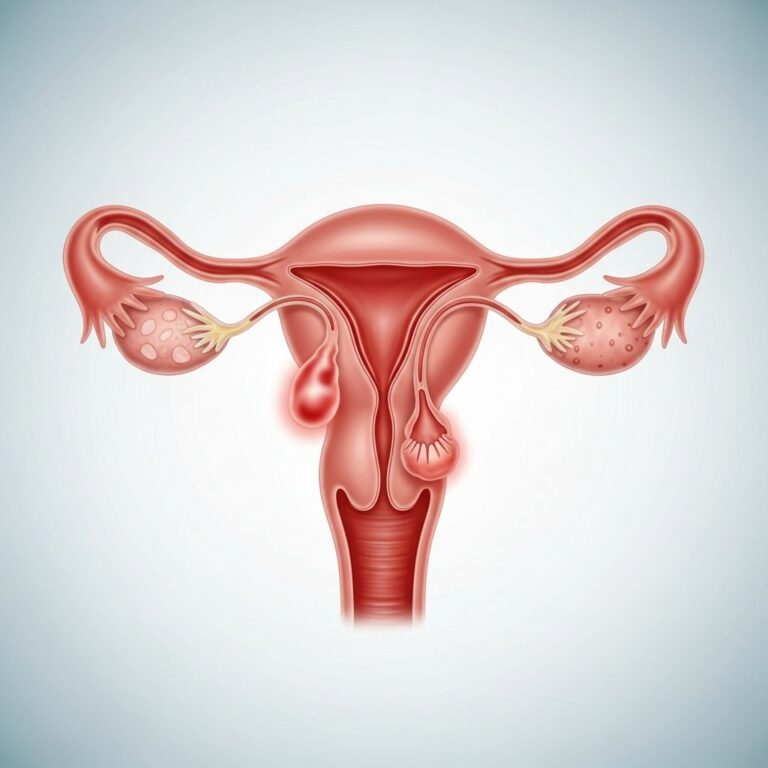
Thyroid Cancer in Women: Essential Facts & What You Should Know
Comprehensive guide to understanding thyroid cancer risks, symptoms, and treatment options for women.
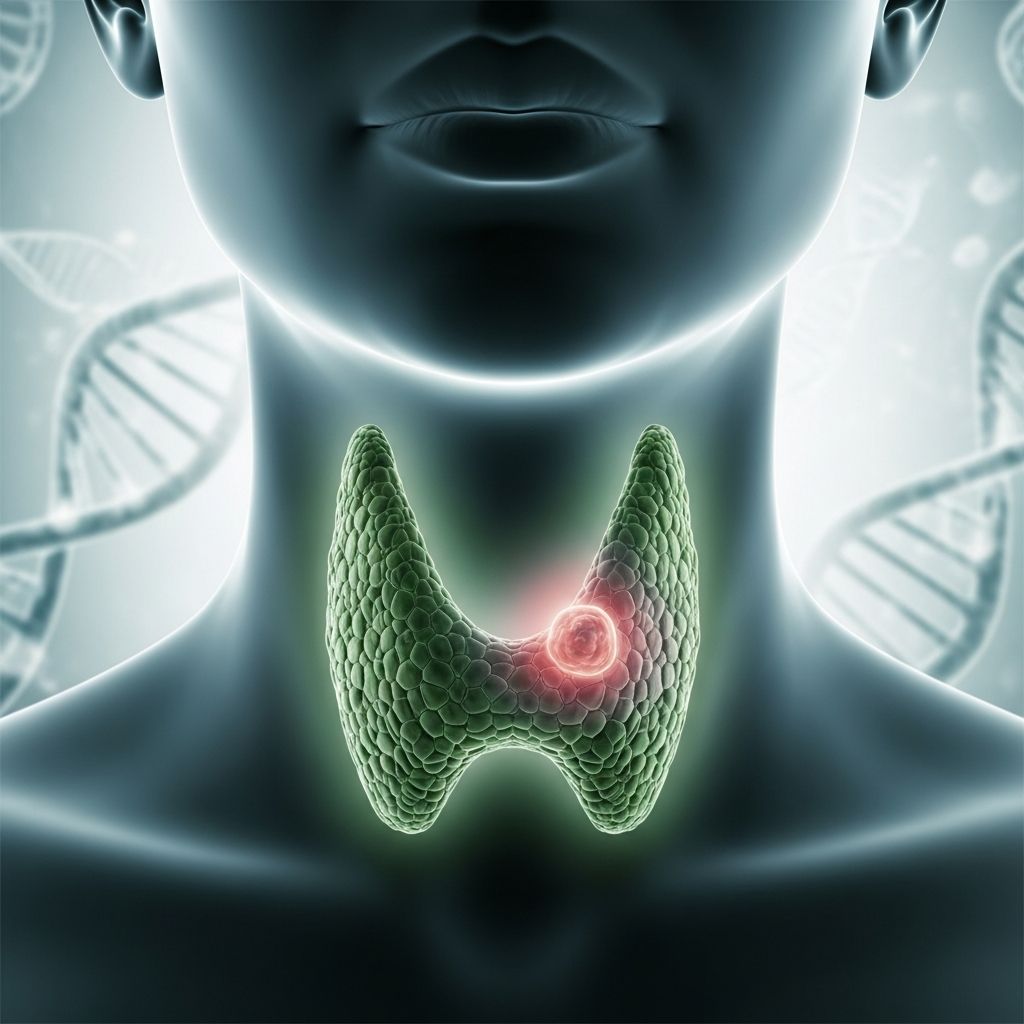
Thyroid Cancer: What Women Should Know
Thyroid cancer is a growing health concern that disproportionately affects women. Understanding the basics of this disease, including its types, risk factors, symptoms, and treatment options, empowers women to make informed decisions about their health. This comprehensive guide provides essential information about thyroid cancer specifically relevant to women, helping you recognize warning signs and navigate the healthcare system with confidence.
Understanding the Thyroid Gland
The thyroid is a small, butterfly-shaped gland located at the base of the neck, just below the Adam’s apple. This vital endocrine gland produces hormones that regulate metabolism, body temperature, heart rate, and numerous other critical body functions. The thyroid gland consists of two types of cells: follicular cells that produce thyroid hormones (T3 and T4), and C-cells that produce calcitonin, which helps regulate calcium levels in the blood. When these cells become cancerous and grow uncontrollably, thyroid cancer develops.
Types of Thyroid Cancer
Thyroid cancer is not a single disease but rather several distinct types, each with different characteristics, growth rates, and treatment approaches. Understanding the specific type is crucial for determining prognosis and appropriate treatment strategies.
Papillary Thyroid Cancer
Papillary thyroid cancer (PTC) is the most common form, accounting for approximately 80-85% of all thyroid cancer cases. It typically grows slowly and has an excellent prognosis when diagnosed early. Even though it spreads to lymph nodes, the overall survival rate remains high. Most patients with papillary thyroid cancer have a five-year survival rate exceeding 95%.
Follicular Thyroid Cancer
Follicular thyroid cancer represents about 10-15% of thyroid cancer cases. It grows more slowly than papillary cancer but can spread to distant organs like the lungs and bones. This type tends to spread through the bloodstream rather than through lymph nodes. When caught early, follicular thyroid cancer has favorable outcomes, though prognosis depends on the stage at diagnosis.
Medullary Thyroid Cancer
Medullary thyroid cancer (MTC) develops from the C-cells and accounts for approximately 3-5% of thyroid cancer cases. About 25% of medullary thyroid cancers are hereditary, associated with genetic syndromes such as multiple endocrine neoplasia (MEN) 2A and MEN 2B. This type can be more aggressive and may spread early to lymph nodes and distant organs.
Anaplastic Thyroid Cancer
Anaplastic thyroid cancer is the rarest and most aggressive form, representing less than 2% of thyroid cancer cases. It grows rapidly and spreads quickly to other parts of the body. Despite its aggressive nature, emerging treatment options have improved outcomes compared to historical data.
Thyroid Lymphoma
Lymphoma can originate in the thyroid gland, though this is uncommon. Primary thyroid lymphoma accounts for less than 1% of thyroid cancers and typically has a better prognosis than anaplastic cancer when treated appropriately.
Why Women Are at Greater Risk
Women are diagnosed with thyroid cancer three times more frequently than men. This increased incidence occurs across all age groups and all types of thyroid cancer. Several factors contribute to this gender disparity. First, women may be more likely to undergo screening due to higher rates of thyroid disease diagnosis generally. Second, hormonal factors, including estrogen levels and pregnancy-related changes, may influence thyroid cancer development. Third, women tend to seek medical attention more readily for health concerns, leading to earlier detection.
Related Stories



Risk Factors for Thyroid Cancer in Women
Multiple factors can increase a woman’s likelihood of developing thyroid cancer. Being aware of these risk factors allows for better vigilance and earlier detection.
- Radiation Exposure: Previous exposure to radiation, particularly during childhood, significantly increases thyroid cancer risk. This includes radiation from medical procedures such as head or neck X-rays, CT scans, or treatments for other conditions. Nuclear accidents and atomic bomb radiation also pose risks.
- Pre-existing Thyroid Disease: Women with benign thyroid conditions like goiter or thyroid nodules have an increased risk of developing thyroid cancer.
- Hormonal Factors: Estrogen and pregnancy-related hormonal changes may influence thyroid cancer development. Pregnancy within the five years before diagnosis has been associated with increased thyroid cancer risk in some studies.
- Obesity: Excess body weight may increase thyroid cancer risk in postmenopausal women.
- Genetic Factors: Family history of thyroid cancer or hereditary cancer syndromes significantly elevates risk, particularly for medullary thyroid cancer.
- Previous Cancer: Women who have had other cancers, particularly breast cancer, may have increased thyroid cancer risk.
Symptoms and Warning Signs
Many women with early-stage thyroid cancer have no symptoms at all. The cancer is often discovered incidentally during imaging for unrelated conditions or during routine physical examinations. However, as thyroid cancer progresses, various symptoms may develop. It is important to note that these symptoms are not specific to thyroid cancer and can result from benign conditions, but any persistent symptoms warrant medical evaluation.
Common Symptoms Include
- A painless lump or nodule in the front of the neck
- Neck swelling or enlargement
- Persistent cough or difficulty swallowing
- Hoarseness or voice changes
- Neck or throat pain
- Difficulty breathing
- Enlarged lymph nodes in the neck
Any persistent neck symptoms lasting more than a few weeks should be evaluated by a healthcare provider to rule out serious conditions.
Diagnosis and Screening
Diagnosis of thyroid cancer typically involves a combination of imaging studies and tissue evaluation. Early detection significantly improves treatment outcomes and survival rates.
Physical Examination
The initial evaluation involves a thorough physical examination of the neck. The healthcare provider palpates the thyroid gland to assess size, shape, and texture, and examines lymph nodes for enlargement or abnormalities.
Thyroid Ultrasound
Ultrasound is the most sensitive imaging technique for evaluating thyroid nodules. It provides detailed images of the thyroid gland and can identify characteristics suspicious for cancer. This non-invasive procedure uses sound waves and involves no radiation exposure, making it particularly suitable for women, especially those of childbearing age.
Fine-Needle Aspiration (FNA)
When ultrasound identifies a suspicious nodule, fine-needle aspiration biopsy is typically performed. This minimally invasive procedure involves inserting a thin needle into the nodule to obtain cell samples. The cells are then examined under a microscope to determine if cancer is present. FNA is accurate, safe, and can usually be performed in an outpatient setting.
Blood Tests
Thyroid function tests and thyroglobulin levels may be measured to assess thyroid health and detect recurrent disease. Calcitonin levels are particularly important for patients with medullary thyroid cancer.
Additional Imaging
Depending on the type and extent of cancer, additional imaging such as CT scans, MRI, or radioactive iodine scans may be recommended to determine whether cancer has spread to distant organs.
Treatment Options
Treatment approaches for thyroid cancer depend on the cancer type, stage, patient age, and overall health status. Most women with thyroid cancer have excellent long-term outcomes with appropriate treatment.
Surgery
Thyroidectomy, the surgical removal of the thyroid gland, is the primary treatment for most thyroid cancers. The extent of surgery may range from partial removal of one lobe (lobectomy) to complete removal of the entire gland (total thyroidectomy), depending on cancer characteristics. In many cases, lymph nodes in the neck are also removed to assess for cancer spread. Surgery is generally safe, though potential complications include temporary voice hoarseness due to nerve involvement and low calcium levels.
Radioactive Iodine Therapy
After thyroidectomy, many patients receive radioactive iodine (I-131) treatment. This therapy is effective for papillary and follicular thyroid cancers because thyroid cells naturally absorb iodine. Radioactive iodine is administered orally and concentrates in any remaining thyroid tissue or cancer cells, destroying them from within. This treatment has been used safely for decades with excellent outcomes.
Thyroid Hormone Replacement
After thyroid removal, women require lifelong thyroid hormone replacement therapy. Levothyroxine, a synthetic thyroid hormone, is taken daily to maintain normal metabolism and body functions. Additionally, TSH suppression therapy—using higher doses of thyroid hormone to keep TSH levels low—may be recommended to inhibit any remaining cancer cells’ growth.
External Beam Radiation
For select patients with advanced or aggressive cancers, external beam radiation therapy may be recommended to target cancer cells that have spread beyond the thyroid gland.
Targeted Therapy and Chemotherapy
For advanced thyroid cancers that do not respond to traditional treatments, newer targeted therapies and chemotherapy drugs may be considered. These medications target specific molecular pathways involved in cancer cell growth.
Prognosis and Survival Rates
Thyroid cancer generally has an excellent prognosis, particularly when diagnosed early. Five-year survival rates for all thyroid cancer types combined exceed 98%, reflecting the relatively slow growth and good treatment response of most thyroid cancers. However, survival rates vary considerably by cancer type and stage at diagnosis.
Papillary and follicular thyroid cancers have the most favorable outcomes. Even patients with lymph node involvement typically have excellent long-term survival. Medullary thyroid cancer has more variable outcomes depending on stage and genetic factors. Anaplastic thyroid cancer, while aggressive, has improved survival rates with modern multimodal treatment approaches.
Long-term follow-up is essential for all thyroid cancer patients. Periodic imaging, blood tests, and clinical evaluations help detect recurrent disease early, when treatment is most effective.
Special Considerations for Women
Pregnancy and Thyroid Cancer
Women of reproductive age diagnosed with thyroid cancer often have questions about pregnancy. In general, treatment decisions should consider reproductive goals. Surgery can typically be performed safely during pregnancy if necessary. Radioactive iodine therapy must be postponed during pregnancy and while breastfeeding due to potential fetal exposure. Many women successfully conceive and have healthy pregnancies after thyroid cancer treatment.
Hormonal Therapy and Menopause
Thyroid hormone replacement therapy interacts with hormonal changes during menopause. Some women may require dose adjustments during this life stage. Regular monitoring of thyroid function is particularly important for menopausal and postmenopausal women.
Breast Cancer Risk
Some research suggests a potential relationship between thyroid conditions and breast cancer risk in certain populations, highlighting the importance of comprehensive cancer screening in women with thyroid cancer history.
Emotional and Psychosocial Support
A thyroid cancer diagnosis can create emotional challenges including anxiety, fear of recurrence, and concerns about treatment side effects. Many healthcare centers offer support groups, counseling services, and educational resources specifically for thyroid cancer patients. Connecting with other survivors through support communities can provide valuable perspective and encouragement throughout the treatment journey and beyond.
Frequently Asked Questions
Q: Is thyroid cancer curable?
A: Yes, thyroid cancer is often highly curable, especially when diagnosed early. The vast majority of patients, particularly those with papillary and follicular types, achieve excellent long-term survival rates with appropriate treatment.
Q: Will I need to take medication for life after thyroid removal?
A: Yes, after thyroid removal, you will need lifelong thyroid hormone replacement therapy. This daily medication maintains normal metabolism and body functions and prevents cancer recurrence.
Q: Can I become pregnant after thyroid cancer treatment?
A: In most cases, yes. Many women successfully become pregnant after thyroid cancer treatment. Discuss your reproductive goals with your oncologist to plan treatment accordingly.
Q: How often do I need follow-up appointments?
A: Follow-up schedules vary based on cancer type and stage. Initially, appointments may be every few months, gradually spacing out to annually. Your healthcare team will establish a personalized follow-up plan.
Q: What are the side effects of radioactive iodine treatment?
A: Common side effects are mild and temporary, including dry mouth, changes in taste, and mild nausea. Serious side effects are rare when appropriate precautions are taken.
Q: Can thyroid cancer come back?
A: Recurrence is possible but depends on cancer type, stage, and treatment. Regular follow-up monitoring helps detect any recurrence early when treatment is most effective.
Q: Should I be screened for thyroid cancer if I have a family history?
A: If you have a family history of medullary thyroid cancer or hereditary cancer syndromes, genetic testing and thyroid screening may be recommended. Discuss this with your healthcare provider.
References
- Risk of Second Primary Malignancies in Women With Thyroid Cancer — Oxford Academic Journals (American Journal of Epidemiology). 2007-02-15. https://academic.oup.com/aje/article/165/4/473/110141
- A Woman’s Journey: Thyroid Disease – Often a Surprising Diagnosis — Johns Hopkins Medicine. 2021-07-13. https://events.jhu.edu/event/womans-journey-thyroid-disease-often-surprising-diagnosis
- Breast Cancer Risk in Postmenopausal Women with Medical History of Thyroid Disorder — Johns Hopkins University. 2024. https://pure.johnshopkins.edu/en/publications/breast-cancer-risk-in-postmenopausal-women-with-medical-history-o/
Similar Articles








Read full bio of medha deb