Thyroid Disease: Types, Causes, Symptoms & Treatment
Complete guide to thyroid disease: understanding hypothyroidism, hyperthyroidism, symptoms, diagnosis, and effective treatment options.
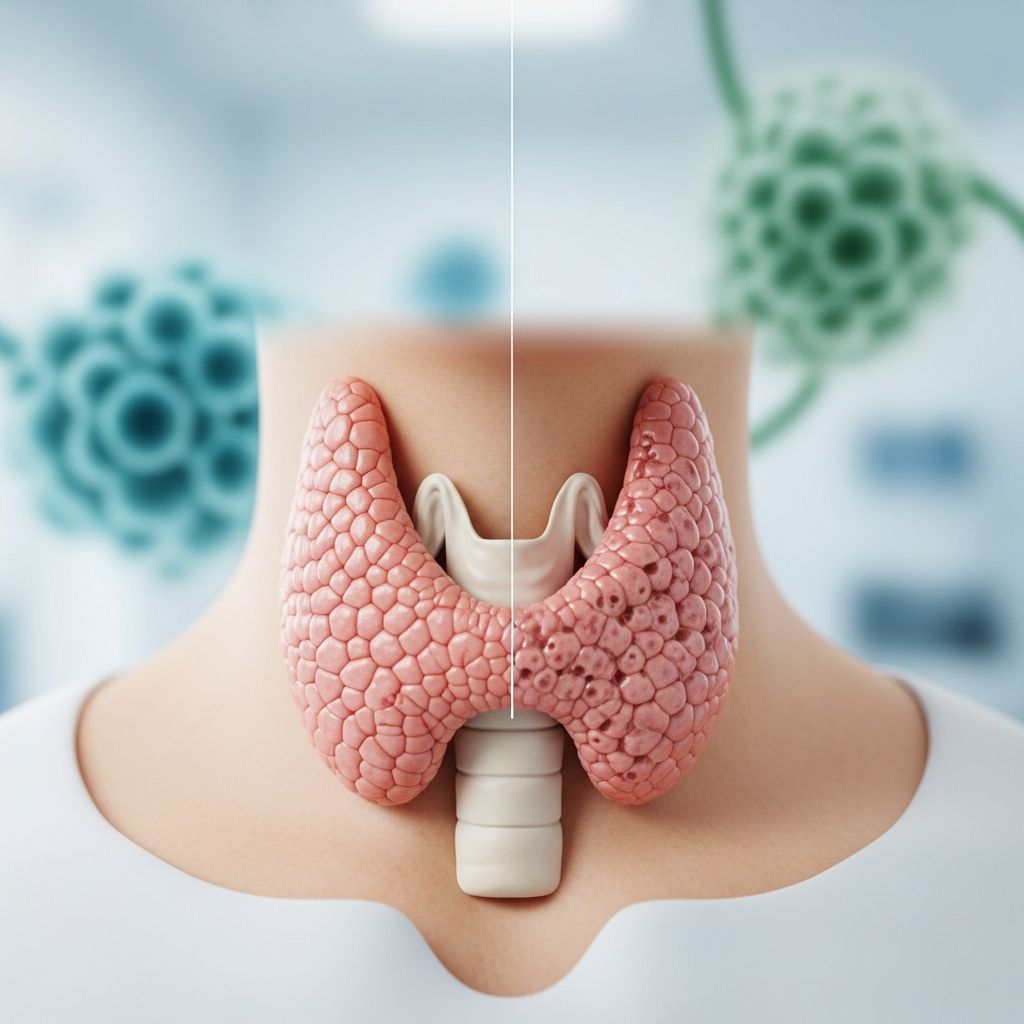
Understanding Thyroid Disease
Thyroid disease is an umbrella term that describes various medical conditions affecting how your thyroid gland functions. Your thyroid is a small, butterfly-shaped endocrine gland located in the front of your neck that produces hormones responsible for regulating your metabolism, energy levels, body temperature, and numerous other vital functions. When your thyroid doesn’t produce the right amount of hormones, it can significantly impact your overall health and quality of life.
Thyroid disease affects an estimated 20 million Americans, yet many remain unaware they have a condition. Women are approximately five to eight times more likely to be diagnosed with thyroid disease than men. The good news is that thyroid diseases are highly treatable, and with proper diagnosis and management, most people can live normal, healthy lives.
Main Types of Thyroid Disease
Thyroid disease primarily manifests in two main forms: hypothyroidism and hyperthyroidism. Each type represents different dysfunction patterns and requires distinct treatment approaches.
Hypothyroidism: Underactive Thyroid
Hypothyroidism occurs when your thyroid gland fails to produce sufficient thyroid hormones. This underproduction slows down your metabolism, affecting various bodily functions. Approximately 10 million people in the United States have hypothyroidism, making it a relatively common condition. Common causes include Hashimoto’s disease (an autoimmune condition), iodine deficiency, thyroid surgery, radiation therapy, certain medications, and congenital hypothyroidism.
Hyperthyroidism: Overactive Thyroid
Hyperthyroidism is the opposite condition, occurring when your thyroid produces excessive thyroid hormones. This overproduction speeds up your metabolism, causing various uncomfortable symptoms. Approximately one out of every 100 people over age 12 experience hyperthyroidism. Common causes include Graves’ disease (an autoimmune condition), thyroid nodules, thyroiditis, excessive iodine intake, and certain medications.
Conditions Causing Hypothyroidism
Multiple underlying conditions can trigger hypothyroidism. Understanding these causes helps with proper diagnosis and treatment planning:
– Hashimoto’s disease (autoimmune thyroiditis)- Iodine deficiency- Thyroid surgery or removal- Radiation therapy to the neck or chest- Certain medications (beta-blockers, lithium, interferon-alpha)- Pituitary gland disorders- Congenital hypothyroidism- Pregnancy-related thyroiditis
Conditions Causing Hyperthyroidism
Several different conditions can lead to hyperthyroidism development:
– Graves’ disease (autoimmune condition)- Toxic thyroid nodules (thyroid nodules producing excess hormone)- Thyroiditis (inflammation of the thyroid)- Excessive iodine consumption- Certain medications (amiodarone)- Pituitary adenoma- Gestational thyroiditis
Recognizing Thyroid Disease Symptoms
The symptoms of thyroid disease often appear as opposites between the two main types, reflecting how each condition affects your metabolism differently. This distinction helps healthcare providers differentiate between hypothyroidism and hyperthyroidism during diagnosis.
Symptoms of Hypothyroidism
When your thyroid slows down metabolism, you may experience:
– Persistent fatigue and low energy- Weight gain despite normal eating patterns- Slowed heart rate- Dry skin and hair- Hair loss- Cold intolerance- Constipation- Depression or mood changes- Memory problems and difficulty concentrating- Muscle weakness- Puffy face and hands- Elevated cholesterol levels
Related Stories



Symptoms of Hyperthyroidism
When your thyroid speeds up metabolism, you may experience:
– Significant weight loss despite increased appetite- Rapid or irregular heartbeat- Tremors or shakiness in hands- Anxiety and nervousness- Irritability and mood swings- Heat intolerance and excessive sweating- Frequent bowel movements or diarrhea- Weakness and fatigue- Difficulty sleeping or insomnia- Goiter (enlarged thyroid gland)- Eye problems (particularly in Graves’ disease)- Muscle weakness
Goiter: A Common Sign
Both hypothyroidism and hyperthyroidism can cause an enlarged thyroid gland, known as a goiter. However, this enlargement is more commonly associated with hyperthyroidism. A goiter may be visible as a swelling in the neck area and can sometimes be felt during a physical examination.
Risk Factors for Thyroid Disease
Certain factors increase your likelihood of developing thyroid disease:
– Family history of thyroid disease (genetics plays a significant role)- Female gender (women are at higher risk)- Age over 60- Pregnancy or recent childbirth- History of autoimmune diseases- Certain medications (lithium, interferon-alpha, amiodarone)- Radiation exposure- Iodine deficiency or excess- Previous thyroid surgery
Autoimmune Diseases and Thyroid Risk
Having an autoimmune disease significantly increases thyroid disease risk. Conditions that elevate this risk include Type 1 diabetes, celiac disease, rheumatoid arthritis, systemic lupus erythematosus, and Sjögren’s syndrome. If you have any autoimmune condition, discussing thyroid health with your healthcare provider is particularly important.
Diagnosis of Thyroid Disease
Proper diagnosis requires both clinical evaluation and specific testing. Your healthcare provider will follow a systematic diagnostic approach:
Initial Assessment
Your provider begins by discussing your symptoms, reviewing your medical history, and conducting a thorough physical examination. During the physical exam, they gently palpate your thyroid gland to assess for enlargement, nodules, or other abnormalities. They’ll also inquire about family history, as thyroid disease often runs in families.
Essential Thyroid Tests
Laboratory testing is crucial for confirming thyroid disease diagnosis. Key tests include:
– TSH (Thyroid Stimulating Hormone) test: measures how much hormone your pituitary gland produces- Free T4 test: measures unbound thyroxine hormone levels- Free T3 test: measures unbound triiodothyronine hormone levels- Thyroid antibody tests: identifies autoimmune thyroid conditions- TPO (thyroid peroxidase) antibodies: indicates Hashimoto’s disease- Thyroglobulin antibodies: helps diagnose autoimmune thyroiditis
Imaging Studies
If initial tests suggest thyroid problems, your provider may recommend imaging studies such as thyroid ultrasound to visualize the gland structure, identify nodules, or detect enlargement. In some cases, thyroid scans using small amounts of safe radioactive material may create detailed images for further evaluation.
Treatment Options for Thyroid Disease
Treatment approaches vary significantly depending on your specific condition and its severity. The goal of treatment is to restore thyroid hormone levels to a healthy range, alleviating symptoms and preventing complications.
Treating Hypothyroidism
The primary treatment for hypothyroidism is thyroid replacement medication. These synthetic hormones replace the insufficient natural hormones your thyroid produces. Levothyroxine is the most commonly prescribed thyroid replacement medication. Your healthcare provider determines the appropriate dosage based on your TSH levels and symptom response. Most patients require lifelong medication, though dosages may be adjusted over time as your needs change.
Finding the right medication dosage often requires patience and monitoring. Your provider typically checks your TSH levels six to eight weeks after starting medication or adjusting dosage, making further adjustments as needed until optimal levels are achieved.
Treating Hyperthyroidism
Hyperthyroidism treatment options include:
– Antithyroid medications (propylthiouracil or methimazole): reduce thyroid hormone production- Beta-blockers: manage symptoms like rapid heartbeat and anxiety while other treatments take effect- Radioactive iodine therapy: destroys thyroid tissue to reduce hormone production- Thyroid surgery: removes part or all of the thyroid gland (thyroidectomy)- Iodine solution (Lugol’s solution or SSKI): reduces thyroid hormone release before surgery
Choosing Your Treatment Plan
Your healthcare provider tailors treatment recommendations based on your specific thyroid condition, severity, age, other medical conditions, and personal preferences. Some treatments work better for certain types of hyperthyroidism, making individualized assessment essential.
Potential Complications of Untreated Thyroid Disease
When thyroid disease remains undiagnosed or improperly treated, serious complications can develop.
Complications from Untreated Hyperthyroidism
– Thyroid storm: a life-threatening condition with dangerously high thyroid hormone levels- Atrial fibrillation: irregular heart rhythm increasing stroke risk- Heart disease and congestive heart failure- Osteoporosis: weakened bones increasing fracture risk- Eye disease progression (thyroid eye disease)- Thyroid cancer (in some cases)
Complications from Untreated Hypothyroidism
– Myxedema: severe hypothyroidism causing swelling and decreased consciousness- Heart disease and high cholesterol- Infertility and pregnancy complications- Mental health issues including severe depression- Cognitive impairment and memory problems- Myxedema coma: a rare but life-threatening emergency
Living with Thyroid Disease
Thyroid disease is typically a lifelong condition requiring consistent management. However, with proper treatment adherence and regular monitoring, most people live normal, active lives. Key aspects of long-term management include:
– Taking medications exactly as prescribed- Regular follow-up appointments with your healthcare provider- Periodic thyroid function testing to monitor hormone levels- Adjusting medication dosages as needed- Maintaining open communication about symptoms and side effects- Managing related health conditions- Maintaining a healthy lifestyle including proper nutrition and exercise
Prevention of Thyroid Disease
Most thyroid diseases cannot be prevented because they result from genetic factors or autoimmune conditions beyond your control. However, two types of thyroid problems may be preventable:
– Iodine deficiency-related thyroid disease: consuming adequate iodine through diet or supplements- Iodine excess-related thyroid disease: avoiding excessive iodine intake
If you’re concerned about iodine consumption or have risk factors for thyroid disease, consult your healthcare provider about appropriate dietary guidelines tailored to your circumstances.
When to See a Healthcare Provider
Contact your healthcare provider if you experience symptoms suggesting hypothyroidism or hyperthyroidism, including persistent fatigue, unexplained weight changes, or noticeable changes in your neck’s appearance. Additionally, if you learn that family members have thyroid disease, inform your provider so they can monitor you more closely and add this important information to your medical record.
Frequently Asked Questions About Thyroid Disease
Q: How common is thyroid disease?
A: Thyroid disease affects approximately 20 million Americans. Women are five to eight times more likely to develop thyroid conditions than men. Many people remain unaware they have a thyroid disorder, making education and screening important.
Q: Is thyroid disease curable?
A: While most thyroid diseases are not permanently curable, they are highly treatable and manageable with appropriate medication and monitoring. Many people live normal lives with well-managed thyroid disease through consistent treatment adherence.
Q: Can thyroid disease affect pregnancy?
A: Yes, both hypothyroidism and hyperthyroidism can affect fertility and pregnancy outcomes. Untreated thyroid disease increases miscarriage risk and developmental problems. If you’re planning pregnancy or are pregnant, inform your healthcare provider about your thyroid status for appropriate management.
Q: How often should I have thyroid tests?
A: If you have diagnosed thyroid disease, your healthcare provider typically recommends thyroid function testing every 6-12 months during initial treatment, then annually once stable. Those with risk factors may need more frequent monitoring.
Q: Will I need to take thyroid medication forever?
A: Most people with hypothyroidism require lifelong medication. Some cases of hyperthyroidism may resolve over time or after surgical intervention, eliminating medication needs. Your healthcare provider can discuss your specific situation and prognosis.
Q: Can diet affect thyroid disease?
A: While diet cannot cure thyroid disease, adequate iodine, selenium, and zinc intake supports thyroid function. However, no special diet replaces medical treatment. Discuss dietary concerns with your healthcare provider or a registered dietitian.
References
- Thyroid Disease: What It Is, Causes, Symptoms & Treatment — Cleveland Clinic. 2024-03-25. https://my.clevelandclinic.org/health/diseases/8541-thyroid-disease
- Thyroid: What It Is, Function & Problems — Cleveland Clinic. https://my.clevelandclinic.org/health/body/23188-thyroid
- Thyroid Problems – Cleveland Clinic — Cleveland Clinic Endocrinology & Metabolism. https://my.clevelandclinic.org/departments/endocrinology-metabolism/depts/thyroid
- Understanding Thyroid Conditions — Cleveland Clinic. https://pages.clevelandclinic.org/thyroid-index.html
Similar Articles








Read full bio of medha deb