Thyroid Disease: Guide To Symptoms, Causes, And Treatment
Comprehensive guide to thyroid diseases: symptoms, causes, diagnosis, treatment, and prevention strategies for better thyroid health.
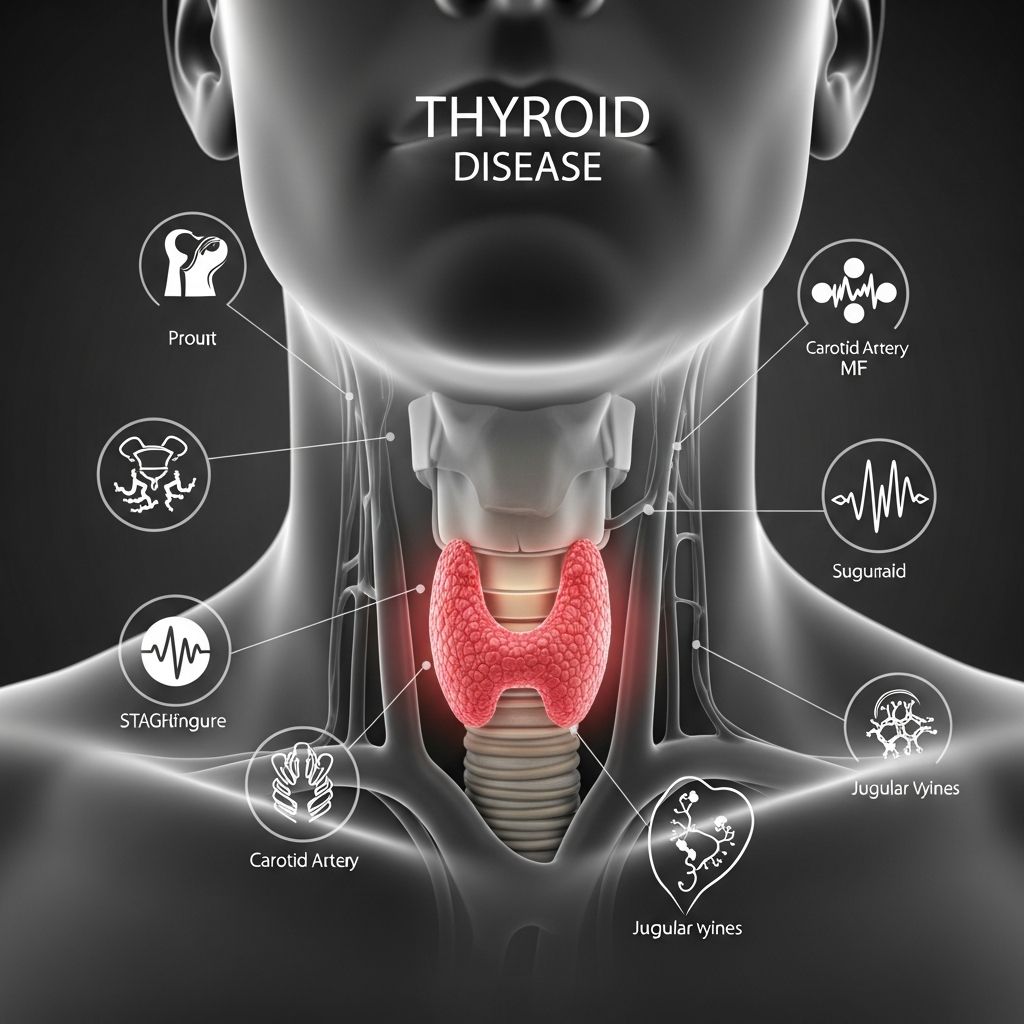
The thyroid gland, a small butterfly-shaped organ located at the base of your neck, plays a crucial role in regulating metabolism, energy levels, and numerous bodily functions through hormone production. Thyroid disease encompasses a range of disorders that disrupt this delicate balance, affecting millions worldwide. According to the American Thyroid Association, more than 12 percent of the U.S. population will develop a thyroid condition during their lifetime, with women being up to eight times more likely than men to face these issues.
Thyroid diseases primarily fall into three categories: hypothyroidism (underactive thyroid), hyperthyroidism (overactive thyroid), and thyroid cancer. Each condition presents unique symptoms, causes, and treatment approaches, but early detection is key to managing them effectively. This comprehensive overview covers everything you need to know about thyroid disease, from symptoms and risk factors to diagnosis and prevention strategies.
Symptoms of Thyroid Disease
Thyroid dysfunction manifests through a variety of symptoms that can mimic other health conditions, often leading to misdiagnosis. Symptoms vary depending on whether the thyroid is underactive or overactive.
Hypothyroidism Symptoms
Hypothyroidism slows down the body’s metabolic processes. Common symptoms include:
- Fatigue and sluggishness, even after adequate rest
- Unexpected weight gain despite no changes in diet or exercise
- Cold intolerance and feeling chilled more easily
- Dry skin, brittle nails, and hair loss
- Constipation and slowed digestion
- Muscle weakness, aches, and joint pain
- Depression, memory problems, and brain fog
- Heavy or irregular menstrual periods in women
- Hoarse voice and puffy face
In severe cases, untreated hypothyroidism can lead to myxedema coma, a life-threatening condition characterized by extreme lethargy, low body temperature, and unconsciousness.
Hyperthyroidism Symptoms
Conversely, hyperthyroidism accelerates metabolism, causing:
- Unintentional weight loss despite increased appetite
- Rapid or irregular heartbeat (palpitations)
- Nervousness, anxiety, and irritability
- Tremors in hands and fingers
- Excessive sweating and heat intolerance
- Frequent bowel movements or diarrhea
- Enlarged thyroid gland (goiter)
- Changes in menstrual patterns
- Bulging eyes (exophthalmos) in Graves’ disease
Both conditions can cause a visibly enlarged thyroid (goiter), neck swelling, or difficulty swallowing. Thyroid nodules, which are lumps in the gland, may also be present and require evaluation.
Causes and Risk Factors
Thyroid diseases arise from various causes, including autoimmune disorders, iodine imbalances, medications, and genetic predispositions.
Hypothyroidism Causes
- Hashimoto’s thyroiditis: The most common cause, where the immune system attacks the thyroid.
- Iodine deficiency: Rare in iodized salt regions but prevalent globally.
- Thyroid surgery or radiation: Previous treatments for hyperthyroidism or cancer.
- Certain medications: Lithium and amiodarone can impair thyroid function.
Hyperthyroidism Causes
- Graves’ disease: Autoimmune condition causing antibody overproduction.
- Toxic nodular goiter: Nodules autonomously produce hormones.
- Thyroiditis: Inflammation leading to hormone leakage.
Risk factors include family history, female gender (especially ages 20-40 or post-menopause), pregnancy, Type 1 diabetes, and other autoimmune diseases like rheumatoid arthritis.
Related Stories



Diagnosis of Thyroid Disease
Diagnosing thyroid disease typically begins with a physical exam to check for goiter or nodules, followed by blood tests measuring thyroid-stimulating hormone (TSH), free thyroxine (T4), and triiodothyronine (T3). TSH levels are the most sensitive indicator: high TSH suggests hypothyroidism, low TSH indicates hyperthyroidism.
Additional tests include:
- Antibody tests: For Hashimoto’s or Graves’ disease.
- Thyroid ultrasound: To visualize nodules or inflammation.
- Radioactive iodine uptake (RAIU) scan: Assesses thyroid activity.
- Fine-needle aspiration biopsy: For suspicious nodules to rule out cancer.
The U.S. Preventive Services Task Force recommends screening for thyroid dysfunction in adults over 35 every five years, or more frequently if symptomatic.
Treatment Options
Treatment depends on the specific condition and severity.
Hypothyroidism Treatment
Lifelong levothyroxine (synthetic T4) replacement therapy normalizes hormone levels. Dosage is adjusted based on regular TSH monitoring, typically every 6-8 weeks initially, then annually.
Hyperthyroidism Treatment
Options include:
- Antithyroid drugs: Methimazole or propylthiouracil to block hormone production.
- Radioactive iodine (RAI) therapy: Destroys overactive thyroid cells, often leading to hypothyroidism.
- Surgery (thyroidectomy): Removes part or all of the gland for large goiters or cancer.
- Beta-blockers: Manage symptoms like rapid heart rate.
Thyroid nodules may require monitoring, RAI, or surgery if cancerous (about 5-10% are malignant).
Thyroid Cancer
Thyroid cancer originates in the gland and is highly treatable when caught early. Types include papillary (most common, excellent prognosis), follicular, medullary, and anaplastic (rare, aggressive). Risk factors: radiation exposure, family history. Treatment: surgery, RAI, hormone therapy. Five-year survival exceeds 98% for localized cases per the National Cancer Institute.
Living with Thyroid Disease
Successful management involves medication adherence, regular check-ups, and lifestyle adjustments. A balanced diet rich in selenium, zinc, and iodine supports thyroid health. Avoid goitrogenic foods (raw cruciferous vegetables) in excess if hypothyroid. Exercise, stress management, and adequate sleep mitigate symptoms. Pregnancy requires close monitoring as thyroid issues affect fetal development.
Support groups and patient education empower better outcomes. Always consult endocrinologists for personalized care.
Prevention and When to See a Doctor
While not all thyroid diseases are preventable, maintaining iodine intake, avoiding radiation, and managing autoimmune risks help. Seek medical attention for persistent fatigue, weight changes, heart palpitations, or neck lumps.
Frequently Asked Questions (FAQs)
Can thyroid disease be cured?
Most cases are managed lifelong with medication rather than cured, except some hyperthyroidism cases resolved by RAI or surgery.
Does hypothyroidism cause weight gain?
Yes, due to slowed metabolism, but weight management improves with treatment.
Are thyroid problems hereditary?
Genetic factors increase risk, especially autoimmune types.
How is thyroid cancer detected?
Via ultrasound, biopsy, and blood tests during routine evaluations.
Can stress affect the thyroid?
Chronic stress may trigger or exacerbate autoimmune thyroid conditions.
References
- Thyroid Disease — American Thyroid Association. 2023-10-20. https://www.thyroid.org/thyroid-disease/
- Hypothyroidism (Underactive Thyroid) — National Institute of Diabetes and Digestive and Kidney Diseases (NIDDK). 2024-04-14. https://www.niddk.nih.gov/health-information/endocrine-diseases/hypothyroidism
- Hyperthyroidism — Mayo Clinic. 2024-09-06. https://www.mayoclinic.org/diseases-conditions/hyperthyroidism/symptoms-causes/syc-20373659
- Thyroid Cancer — National Cancer Institute. 2024-07-25. https://www.cancer.gov/types/thyroid
- Screening for Thyroid Dysfunction — U.S. Preventive Services Task Force. 2023-11-07. https://www.uspreventiveservicestaskforce.org/uspstf/recommendation/thyroid-dysfunction-screening
Similar Articles








Read full bio of medha deb