Thyroid Disease Symptoms: Signs, Causes, And Treatment Guide
Recognize the signs of thyroid disorders early: from fatigue and weight changes to heart palpitations and more for timely treatment.
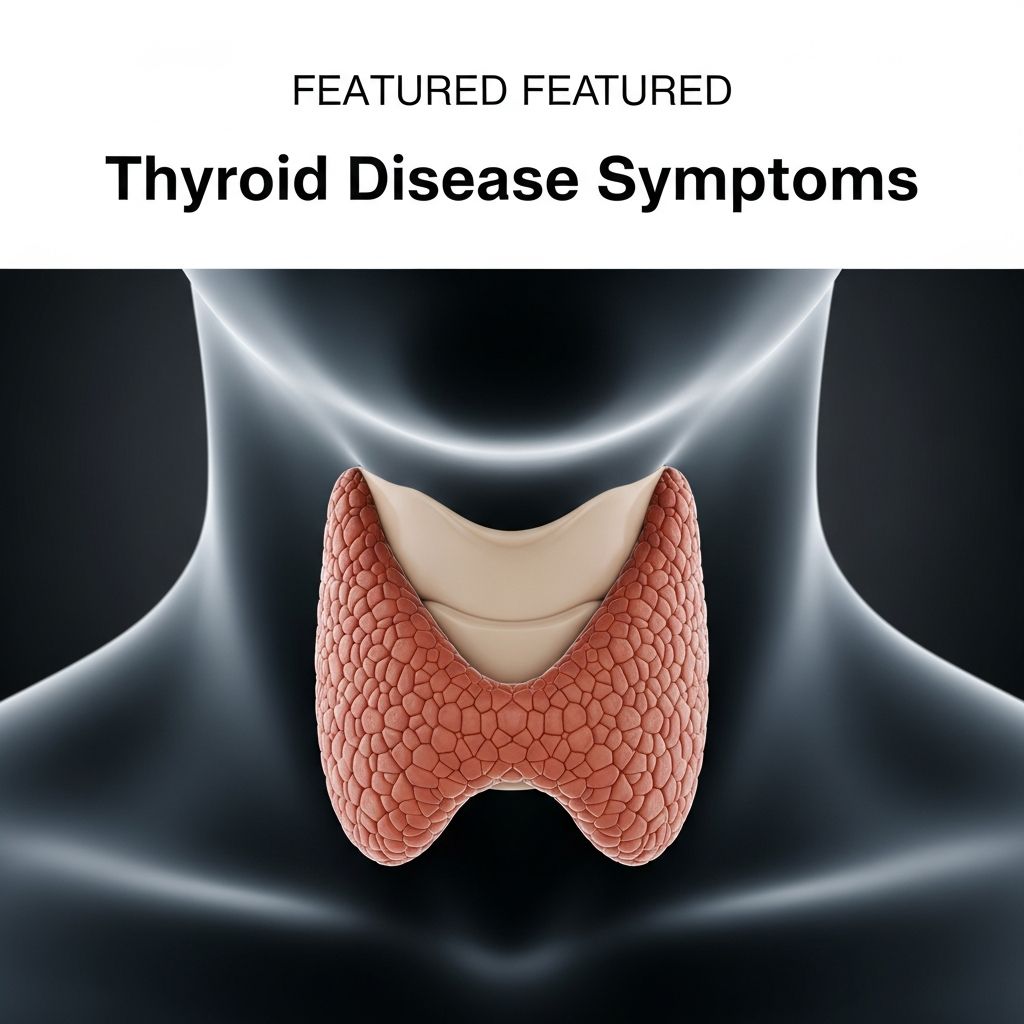
The thyroid gland, a small butterfly-shaped organ in the front of your neck, plays a vital role in regulating metabolism, energy levels, and numerous bodily functions through hormones like thyroxine (T4) and triiodothyronine (T3). Thyroid disease occurs when this gland produces too much or too little hormone, leading to hypothyroidism (underactive thyroid) or hyperthyroidism (overactive thyroid). These conditions affect approximately 20 million people in the United States, with women being up to eight times more likely to develop them than men.
Symptoms can be subtle and mimic other health issues, making early detection challenging but crucial. Untreated thyroid disease can lead to serious complications like heart problems, infertility, and myxedema coma in hypothyroidism or thyroid storm in hyperthyroidism. This article covers symptoms, causes, risk factors, diagnosis, treatment, and prevention strategies.
What Is Thyroid Disease?
Thyroid disease encompasses any condition disrupting the thyroid’s hormone production. The two primary types are hypothyroidism, where the gland is underactive and hormone levels are low, slowing metabolism, and hyperthyroidism, where it’s overactive, accelerating metabolism.
Other related conditions include goiter (enlarged thyroid), thyroid nodules, and thyroid cancer. Thyroiditis, inflammation of the gland, can cause temporary hyperthyroidism followed by hypothyroidism. These disorders impact energy, weight, mood, and organ function across all ages, though they are most common in women over 60.
Thyroid Disease Symptoms
Symptoms vary by type but often overlap with everyday fatigue or stress. They develop gradually, prompting many to dismiss them initially. Key symptoms divide into those from low hormone levels (hypothyroidism) and high levels (hyperthyroidism).
Hypothyroidism Symptoms
Hypothyroidism slows bodily processes, leading to:
- Fatigue and sluggishness: Persistent tiredness despite rest, as metabolism slows.
- Weight gain: Unexplained increase due to reduced calorie burning.
- Cold intolerance: Feeling unusually cold, especially in extremities.
- Constipation: Slowed digestion causes infrequent bowel movements.
- Dry skin and hair: Brittle hair, thinning, and rough, itchy skin.
- Muscle weakness and aches: Cramps, stiffness, and general weakness.
- Depression and memory issues: Brain fog, forgetfulness, and low mood.
- Heavy or irregular periods: Menstrual changes in women.
- Hoarse voice and puffy face: Swelling around eyes and face.
- Slow heart rate: Bradycardia and low blood pressure.
In severe cases, symptoms escalate to myxedema, with extreme lethargy and coma risk.
Hyperthyroidism Symptoms
Hyperthyroidism speeds up processes, causing:
- Weight loss: Despite increased appetite, rapid unintended loss.
- Heat intolerance and sweating: Excessive perspiration and warm sensitivity.
- Rapid or irregular heartbeat: Palpitations, atrial fibrillation.
- Anxiety and irritability: Nervousness, restlessness, tremors.
- Frequent bowel movements or diarrhea: Accelerated digestion.
- Fatigue and muscle weakness: Paradoxical tiredness from overactivity.
- Thinning hair and brittle nails: Hair loss, fragile nails.
- Light or infrequent periods: Menstrual irregularities.
- Enlarged thyroid (goiter): Visible neck swelling, more common here.
- Sleep disturbances: Insomnia and hyperactivity.
Both types can cause goiter, neck lumps from nodules, or eye bulging in Graves’ disease (a hyperthyroidism autoimmune cause).
Related Stories



Causes of Thyroid Disease
Multiple factors trigger thyroid dysfunction:
Hypothyroidism Causes
- Hashimoto’s thyroiditis: Autoimmune attack on the gland, most common cause.
- Thyroid surgery or radiation: Removal or damage reduces hormone production.
- Medications: Lithium, amiodarone interfere.
- Congenital issues: Absent or underdeveloped thyroid at birth.
- Iodine deficiency: Rare in iodized salt regions but global issue.
Hyperthyroidism Causes
- Graves’ disease: Autoimmune overproduction, causing 60-80% of cases.
- Toxic nodules or multinodular goiter: Hormone-producing lumps.
- Thyroiditis: Inflammation leaks stored hormones.
Conditions like postpartum thyroiditis affect new mothers.
Risk Factors
You may be at higher risk if you:
- Are a woman (hormonal influences).
- Are over 60.
- Have a family history of thyroid issues.
- Have autoimmune diseases like type 1 diabetes, rheumatoid arthritis, or celiac.
- Are pregnant or postpartum.
- Have been exposed to radiation.
Diagnosis and Tests
Diagnosis starts with a physical exam, palpating the neck for enlargement or nodules. Blood tests confirm:
- TSH test: High in hypothyroidism, low in hyperthyroidism.
- T4 and T3 tests: Measure hormone levels.
- Antibody tests: Detect autoimmune markers like anti-TPO.
- Ultrasound: Images gland structure.
- Radioactive iodine uptake: Assesses activity.
- Biopsy: For suspicious nodules.
Treatment Options
Treatment restores hormone balance:
For Hypothyroidism
Daily levothyroxine (synthetic T4) replaces hormones. Doses adjust via regular TSH monitoring.
For Hyperthyroidism
- Antithyroid drugs: Methimazole or propylthiouracil block production.
- Radioactive iodine: Shrinks overactive gland.
- Surgery (thyroidectomy): Removes part or all.
- Beta-blockers: Manage symptoms like palpitations.
Post-treatment, many need lifelong hypothyroidism therapy.
Complications
| Condition | Potential Complications |
|---|---|
| Hypothyroidism | Heart disease, infertility, myxedema coma, peripheral neuropathy, mental health issues. |
| Hyperthyroidism | Heart failure, osteoporosis, thyroid storm, eye problems (Graves’), stroke risk. |
Pregnancy heightens risks like miscarriage or preterm birth if unmanaged.
Prevention and Management
Ensure iodine balance via diet (seafood, dairy, iodized salt). Regular screenings for at-risk individuals. Consistent medication adherence and follow-ups prevent complications.
Lifestyle aids: balanced diet, exercise, stress management support thyroid health.
Frequently Asked Questions (FAQs)
What are the first signs of thyroid problems?
Early signs include unexplained fatigue, weight changes, temperature sensitivity, and hair thinning. Consult a doctor for blood tests.
Can thyroid disease be cured?
Hypothyroidism requires lifelong medication; hyperthyroidism may resolve with treatment but often leads to hypothyroidism needing ongoing care.
Does stress cause thyroid issues?
Stress exacerbates autoimmune thyroiditis but doesn’t directly cause it. Management helps symptom control.
Should I check my thyroid if pregnant?
Yes, routine screening is recommended as imbalances affect fetal development.
How is goiter treated?
Treatment addresses underlying cause: medication, iodine, surgery if compressive.
References
- Thyroid Disease: What It Is, Causes, Symptoms & Treatment — Cleveland Clinic. 2024-03-25. https://my.clevelandclinic.org/health/diseases/8541-thyroid-disease
Similar Articles








Read full bio of medha deb