Thyroid Disorders: Comprehensive Guide to Conditions and Treatments
Understanding thyroid disorders: symptoms, causes, diagnosis, and effective treatment options.
Understanding Thyroid Disorders
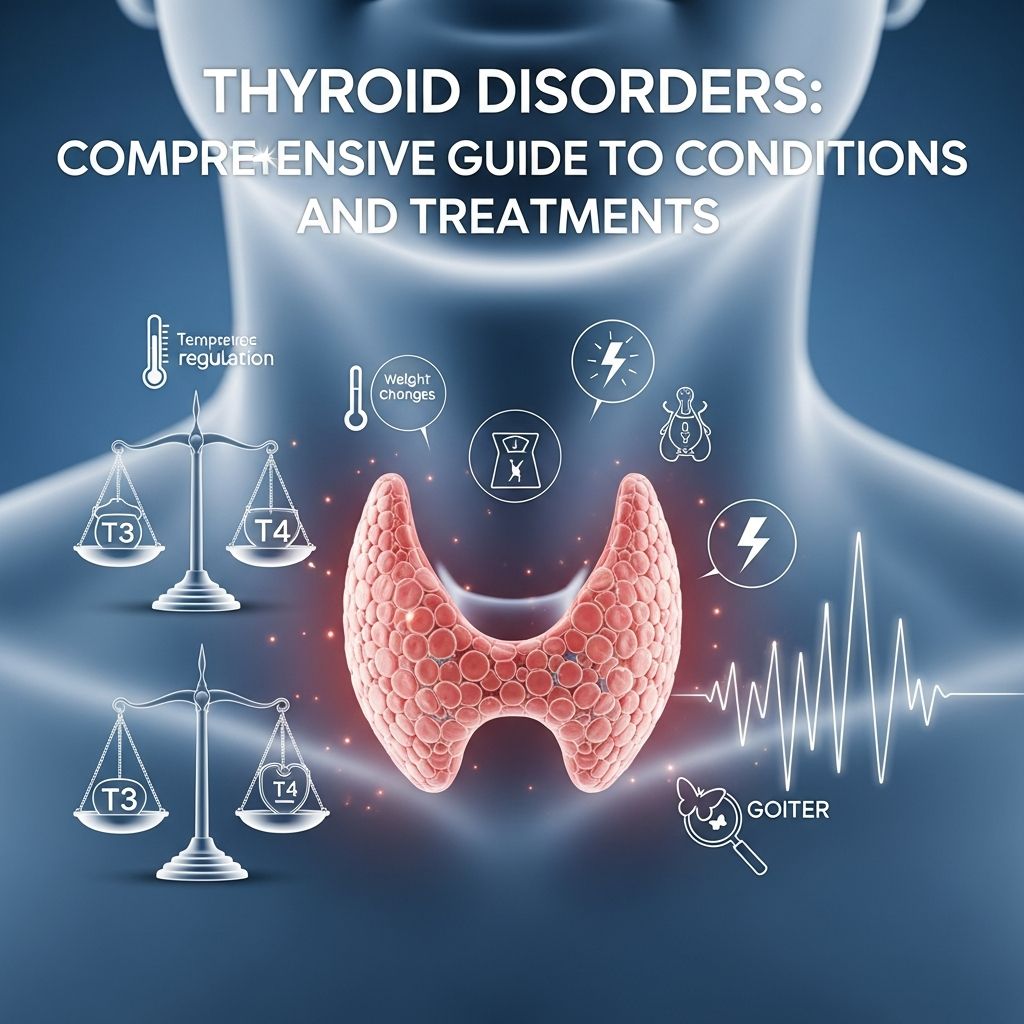
The thyroid is a small, butterfly-shaped gland located at the base of your neck that plays a crucial role in regulating your body’s metabolism, energy production, and numerous other vital functions. When the thyroid functions properly, it produces hormones that control how your body uses energy and responds to temperature changes. However, when the thyroid malfunctions, it can lead to a variety of disorders that significantly impact your overall health and well-being.
Thyroid disorders are remarkably common, affecting millions of people worldwide. These conditions can develop due to various factors, including autoimmune diseases, iodine deficiency, genetic predisposition, and certain medications. Understanding the different types of thyroid disorders, their symptoms, and available treatments is essential for managing your health effectively.
The Prevalence of Thyroid Disease
Thyroid disease affects a substantial portion of the population, with prevalence rates varying significantly based on the specific condition. According to epidemiological data, thyroid disorders are considerably more common in women than in men, with women being five to ten times more likely to develop thyroid disease compared to their male counterparts. This gender disparity is largely attributed to hormonal factors and the higher prevalence of autoimmune thyroid conditions in women.
The prevalence of thyroid disorders has also shown an increasing trend over recent decades. In the United States, cases of thyroid disease have risen by approximately 39 percent since 1996. For every 1,000 Americans, statistical data reveals that approximately 130 individuals have subclinical hypothyroidism, 8 have overt hypothyroidism, 4 have subclinical hyperthyroidism, and 5 have overt hyperthyroidism.
Major Types of Thyroid Disorders
Hypothyroidism
Hypothyroidism occurs when your thyroid gland does not produce enough thyroid hormones to meet your body’s metabolic needs. This condition can develop gradually and may go undetected for extended periods. The symptoms of hypothyroidism are often relatively nonspecific, making diagnosis challenging without proper laboratory testing.
Common symptoms associated with hypothyroidism include persistent fatigue, unexplained weight gain, increased sensitivity to cold temperatures, constipation, dry skin, hair loss, and a slowed heart rate. Some individuals may also experience depression, muscle weakness, or elevated cholesterol levels. Women may notice changes in their menstrual cycles, and both sexes may experience decreased libido or infertility issues.
Hypothyroidism can result from various causes, including autoimmune thyroiditis (Hashimoto’s disease), iodine deficiency, thyroid surgery or radiation, certain medications, and pituitary disorders. The condition is diagnosed through blood tests measuring thyroid-stimulating hormone (TSH) and thyroid hormone levels.
Hyperthyroidism
Hyperthyroidism is the opposite condition, occurring when the thyroid produces excessive amounts of thyroid hormones. This excess hormone production accelerates your metabolism, causing a range of uncomfortable and potentially serious symptoms. Hyperthyroidism can develop suddenly and may require immediate medical attention if severe.
Symptoms of hyperthyroidism include rapid heartbeat or palpitations, anxiety or nervousness, tremors, excessive sweating, weight loss despite increased appetite, heat intolerance, and frequent bowel movements or diarrhea. Individuals may also experience irritability, sleep disturbances, and muscle weakness. In severe cases, hyperthyroidism can lead to thyroid storm, a life-threatening condition characterized by extreme elevations in thyroid hormone levels and metabolic rate.
Related Stories



The most common cause of hyperthyroidism is Graves’ disease, an autoimmune condition where the immune system produces antibodies that stimulate the thyroid to produce excessive hormones. Other causes include thyroiditis, toxic nodules, and certain medications.
Thyroid Nodules
Thyroid nodules are lumps that develop within the thyroid gland and are distinct from the surrounding thyroid tissue. These nodules can be either solid or fluid-filled cysts and may vary significantly in size. While most thyroid nodules are benign and do not cause problems, some can be cancerous or may produce excessive amounts of thyroid hormone.
Thyroid nodules may develop due to various underlying conditions, including iodine deficiency, Hashimoto’s thyroiditis, or other thyroid diseases. Many individuals with thyroid nodules have no symptoms and discover the nodules incidentally during imaging performed for other reasons. However, larger nodules may cause symptoms such as difficulty swallowing, breathing difficulties, or neck discomfort.
Goiter
A goiter represents an enlargement of the thyroid gland itself and can develop from multiple underlying conditions. The thyroid may enlarge due to hypothyroidism, hyperthyroidism, iodine deficiency, or thyroid tumors. Each of these conditions may require specific treatment approaches. A goiter can range from barely noticeable to quite visible, and in severe cases, can interfere with breathing or swallowing.
Goiter severity is classified into grades: Grade 0 indicates no goiter is present with an impalpable, non-visible thyroid; Grade 1 shows neck thickening from thyroid enlargement that is palpable but not visible in normal neck position; Grade 2 demonstrates visible neck swelling when the neck is in normal position.
Thyroiditis
Thyroiditis refers to inflammation of the thyroid gland and can present in various forms, including acute, subacute, and chronic presentations. Autoimmune thyroiditis, commonly known as Hashimoto’s thyroiditis, is the most prevalent form and represents a chronic autoimmune condition where the immune system attacks thyroid cells.
Thyroiditis can cause temporary hyperthyroidism followed by hypothyroidism or may lead directly to permanent hypothyroidism. Symptoms depend on the stage of the condition and may include neck pain, fever, fatigue, and thyroid dysfunction symptoms.
Diagnosis of Thyroid Disorders
Accurate diagnosis of thyroid disorders typically involves a combination of clinical evaluation, physical examination, and laboratory testing. Healthcare providers assess your symptoms, medical history, and risk factors before ordering appropriate diagnostic tests.
The primary diagnostic tool for thyroid disorders is blood testing, which measures thyroid-stimulating hormone (TSH) levels and free thyroid hormone levels (T3 and T4). TSH is produced by the pituitary gland and stimulates the thyroid to produce hormones. Abnormal TSH levels can indicate thyroid dysfunction. Additionally, healthcare providers may order antibody tests to detect autoimmune thyroid conditions, particularly screening for thyroid peroxidase (TPO) antibodies and thyroglobulin antibodies in suspected Hashimoto’s thyroiditis or TSH receptor antibodies in suspected Graves’ disease.
Imaging studies, particularly thyroid ultrasound, may be performed to evaluate thyroid structure, identify nodules, assess goiter severity, or determine if the thyroid is inflamed. Ultrasound imaging can identify concerning features of thyroid nodules that might warrant further evaluation through fine-needle aspiration biopsy. Thyroid scans using radioactive iodine may be used in specific circumstances to assess thyroid function and determine if nodules are producing excessive hormone.
Treatment Approaches for Thyroid Disorders
Hypothyroidism Treatment
The standard treatment for hypothyroidism involves thyroid hormone replacement therapy using synthetic levothyroxine (T4), which is the most prescribed thyroid medication. This medication works by supplementing the inadequate hormone production of the thyroid gland. The dosage is carefully adjusted based on TSH levels and individual response to therapy. Most patients require lifelong treatment, with periodic monitoring to ensure proper dosing.
In some cases, combination therapy with both T4 and T3 (liothyronine) may be considered, though this approach remains more controversial in clinical practice. Some patients may benefit from desiccated thyroid extract, though synthetic hormones are generally preferred due to consistent hormone content.
Hyperthyroidism Treatment
Treatment for hyperthyroidism depends on the underlying cause and severity but generally aims to reduce thyroid hormone production and manage symptoms. Antithyroid medications such as propylthiouracil (PTU) or methimazole inhibit thyroid hormone synthesis and can induce remission in some patients, particularly those with Graves’ disease. Beta-blockers are frequently used to manage symptomatic manifestations such as rapid heartbeat and anxiety while awaiting the effects of antithyroid medications.
Radioactive iodine therapy destroys thyroid tissue and is an effective treatment for hyperthyroidism, though it typically results in permanent hypothyroidism requiring lifelong hormone replacement. Thyroid surgery (thyroidectomy) may be recommended for patients who cannot tolerate medications, have very large goiters, or have thyroid cancer.
Emerging Treatments and Research
Recent research has explored innovative treatment approaches for thyroid disorders. Selenium supplementation is being investigated for potential benefits in patients with thyroid disorders, given selenium’s pivotal role in thyroid function and antioxidant defense. Clinical trials are currently evaluating whether adding dietary selenium supplementation to standard treatment regimens enhances symptom management, particularly in Hashimoto’s thyroiditis.
Genetic and genomic markers are being studied to better predict disease progression and treatment response in thyroid conditions, though findings have not yet been unanimously correlated to specific prognostic values. Researchers are also developing TSH receptor antagonists and reverse agonists as potential treatments for Graves’ disease, aiming to reverse the pathogenic process of thyroid-stimulating antibody stimulation.
Thyroid Disease and Diabetes
There is a significant relationship between thyroid disease and diabetes, as both are endocrine disorders that can coexist in the same individual. Thyroid dysfunction can affect blood glucose control and complicate diabetes management. Individuals with diabetes should have their thyroid function assessed regularly, and those with diagnosed thyroid disease require careful monitoring of glucose levels, as thyroid hormone replacement or adjustment may affect insulin requirements.
Prevention and Management
While some thyroid disorders cannot be prevented, certain measures may reduce your risk or help manage existing conditions. Ensuring adequate iodine intake through diet or supplements can prevent iodine deficiency-related thyroid disorders. Managing stress and maintaining a healthy lifestyle support overall thyroid health.
Regular screening for thyroid disorders may be beneficial for individuals at higher risk, including women over 60, those with a family history of thyroid disease, individuals with other autoimmune conditions, or those taking medications known to affect thyroid function. Early detection allows for prompt treatment and better outcomes.
Frequently Asked Questions About Thyroid Disorders
Q: How common are thyroid disorders?
A: Thyroid disorders are quite common, affecting a significant percentage of the population. Women are five to ten times more likely to develop thyroid disease compared to men, and prevalence rates have increased by approximately 39 percent since 1996.
Q: What are the first signs of thyroid problems?
A: Early signs depend on whether you have hypothyroidism or hyperthyroidism. Hypothyroidism typically presents with fatigue, weight gain, and cold intolerance, while hyperthyroidism causes rapid heartbeat, anxiety, and weight loss despite increased appetite.
Q: Can thyroid disorders be cured?
A: Most thyroid disorders can be managed effectively with appropriate treatment, though many require lifelong management. Some conditions like Graves’ disease may enter remission, while others like Hashimoto’s thyroiditis typically require ongoing thyroid hormone replacement therapy.
Q: How is thyroid function tested?
A: Thyroid function is primarily assessed through blood tests measuring thyroid-stimulating hormone (TSH) and thyroid hormone levels (T3 and T4). Antibody tests may also be performed to detect autoimmune thyroid conditions.
Q: Are thyroid nodules always cancerous?
A: No, the vast majority of thyroid nodules are benign. However, some nodules can be cancerous, which is why imaging evaluation and sometimes biopsy are recommended for nodules with suspicious characteristics.
Q: How often should I have my thyroid checked?
A: Screening recommendations depend on individual risk factors. People over 60, those with family history of thyroid disease, or those with other autoimmune conditions should discuss screening with their healthcare provider. Those already diagnosed with thyroid disorders require regular monitoring to ensure appropriate treatment.
Q: Can diet affect thyroid health?
A: Yes, adequate iodine intake is essential for thyroid function. Certain foods and supplements can interact with thyroid medications, so it’s important to discuss dietary considerations with your healthcare provider if you’re taking thyroid medication.
References
- THYROID: Facts and Figures on Thyroid Disease Epidemiology — Endocrine Society. 2015. https://www.endocrine.org/-/media/endocrine/files/facts-and-figures/endocrine_facts_figures_thyroidpw.pdf
- Thyroid Disease in Diabetes — Johns Hopkins Medicine Guides. https://www.hopkinsguides.com/hopkins/view/Johns_Hopkins_Diabetes_Guide/547209/7/Thyroid_Disease_in_Diabetes
- Hypothyroidism: Clinical Presentation and Diagnosis — Johns Hopkins Medicine. https://www.hopkinsguides.com/hopkins/search?catcode=483&st=OSS&search=Thyroid+Disease+in+Diabetes
Similar Articles








Read full bio of Sneha Tete