Thyroid Disorders in Women: Causes, Symptoms, and Treatment
Comprehensive guide to understanding thyroid disease in women across all life stages.
Thyroid Disorders in Women: A Comprehensive Health Guide
Thyroid disease is one of the most common health conditions affecting women today, with the American Thyroid Association estimating that 20 million Americans have some form of thyroid disease, and up to 60% remain unaware of their condition. Thyroid dysfunction is significantly more prevalent in women than in men, with this female predominance attributed to sex differences in immune function, similar to many autoimmune diseases. Understanding thyroid disorders is crucial for women’s health, as the condition can manifest differently across various life stages, from reproductive years through menopause and beyond.
Understanding the Thyroid and Its Function
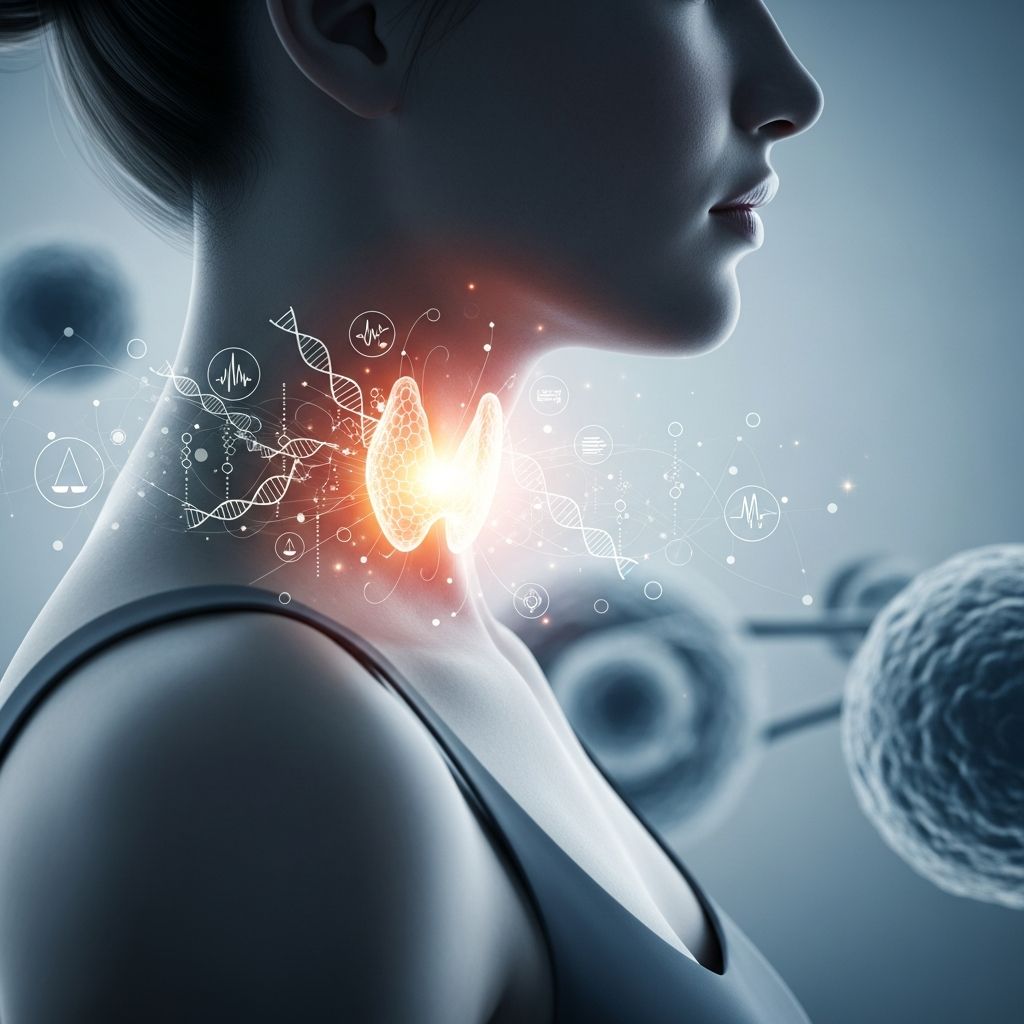
The thyroid is a butterfly-shaped gland located in the neck that produces hormones essential for regulating metabolism, energy levels, body temperature, and overall bodily functions. When the thyroid functions properly, it maintains a delicate balance through communication with the pituitary gland via thyroid-stimulating hormone (TSH). However, when thyroid disease develops, this balance is disrupted, leading to either excessive or insufficient hormone production.
Main Types of Thyroid Disorders in Women
Hypothyroidism and Hashimoto’s Thyroiditis
Hypothyroidism, or underactive thyroid, occurs when the thyroid gland does not produce enough thyroid hormones. Hashimoto’s thyroiditis is an autoimmune condition where the body’s immune system attacks the thyroid gland, leading to inflammation and gradual destruction of thyroid tissue. This condition affects 7 to 10% of American women and is more common in women than in men, with incidence rising as women age, particularly in the forties, fifties, and sixties.
Common symptoms of hypothyroidism include feeling colder than others, unexplained weight gain, constipation, dry skin, slowed thinking and processing, low mood, and muscle cramps. Women with this condition may also experience fatigue, depression, moodiness, and dry hair and skin.
Hyperthyroidism and Graves’ Disease
Hyperthyroidism occurs when the thyroid produces excessive amounts of thyroid hormones. Graves’ disease is an autoimmune condition causing hyperthyroidism and is approximately 10 times more common in women than in men. In this condition, antibodies stimulate the thyroid gland to produce excessive amounts of thyroid hormones without the careful regulation normally exerted by the pituitary gland, leading to thyroid gland enlargement and hormone overproduction.
Symptoms of hyperthyroidism include weight loss despite maintaining a good appetite, heat intolerance, excessive sweating, tremors, heart palpitations, anxiety, and emotional instability. The condition can affect people of any age, from newborns to older adults.
Other Forms of Hyperthyroidism
Beyond Graves’ disease, other conditions can cause hyperthyroidism. A toxic adenoma is a single nodule that produces thyroid hormone autonomously without TSH stimulation. Toxic multinodular goiter involves multiple autonomously functioning nodules. Additionally, certain pituitary disorders, such as TSH-secreting pituitary tumors, can stimulate the thyroid and mimic Graves’ disease, though these lack the characteristic antibodies present in autoimmune thyroid disease.
Autoimmune Mechanisms and Thyroid Antibodies
Related Stories



More than 80% of patients with acute or chronic thyroiditis and resulting hypothyroidism have antithyroid autoantibodies, as well as B-cell and T-cell infiltration of the thyroid gland, indicating an autoimmune etiology. Two primary antibodies are associated with thyroid autoimmunity: TPO (thyroid peroxidase) antibodies and thyroglobulin antibodies. TPO antibodies are sensitive markers for thyroid dysfunction, though they are not specific and frequently occur in individuals without thyroid dysfunction and in those with other autoimmune conditions. Thyroglobulin antibodies are less prevalent and less strongly associated with thyroid dysfunction.
Interestingly, many individuals with TPO antibodies maintain normal thyroid function, indicating that other factors beyond antibody presence determine when, if ever, thyroid dysfunction develops.
Thyroid Disorders Across Women’s Life Stages
Reproductive Years and Fertility
The prevalence of TPO antibodies is increased in women with infertility and in those with a history of early miscarriage. However, randomized trials of early thyroid hormone replacement showed no effects on pregnancy outcomes in euthyroid women with TPO antibodies, suggesting that TPO antibodies may signal increased inflammation without directly contributing to poor pregnancy outcomes.
Pregnancy and Postpartum Period
Thyroid disease often manifests during the reproductive period of a woman’s life, and pregnancy significantly impacts thyroid function. During pregnancy, profound physiologic changes occur that affect the timing of thyroid disease presentation. An increased incidence of autoimmune disease occurs in the postpartum period, attributed to a rebound of the immune system, which is suppressed during pregnancy to protect the fetus.
Postpartum thyroiditis occurs in 5% of all women after delivery, with up to half developing persistent hypothyroidism one year later. This condition involves transient thyroid overactivity affecting women during the year following delivery. For women with Graves’ disease, lower doses of antithyroid drugs are usually required throughout pregnancy, with increased doses necessary after delivery.
Midlife and Menopause Transition
Few data guide treatment of women aged 40 to younger than 60 years. During the menopause transition, decreasing estrogen levels result in reduced production of thyroid-binding globulin (TBG). This decrease reduces the amount of thyroid hormone required to maintain free thyroid hormone levels, thereby reducing demand on the thyroid. Symptoms related to estrogen deficiency and thyroid dysfunction may be misattributed during menopause, making proper diagnosis challenging.
Aging and Older Women
Excessive levothyroxine doses, which increase the risk of arrhythmia and fracture, are more common in older women than in older men (25.2 per 1,000 versus 4.8 per 1,000 person-years of levothyroxine exposure), suggesting a need for greater attention to levothyroxine dosing in women. Age-associated changes affect the threshold at which thyroid hormone supplementation becomes appropriate in older women.
Diagnosis and Thyroid Function Testing
Proper diagnosis of thyroid disorders requires appropriate interpretation of thyroid function tests in the context of a woman’s life stage. The American Thyroid Association proposes specific treatment thresholds for women: TSH greater than 4 mIU/L in women with TPO antibodies and TSH greater than 10 mIU/L in women without TPO antibodies, with a treatment goal of TSH less than 2.5 mIU/L. Blood tests measuring TSH levels, free thyroid hormones, and thyroid antibodies help establish diagnosis.
For patients presenting with new, unexplained, and lasting symptoms suggestive of thyroid dysfunction, thyroid function testing should be performed to determine whether thyroid hormone therapy will be beneficial.
Treatment Options for Thyroid Disorders
Hypothyroidism Treatment
Hypothyroidism is typically managed with levothyroxine replacement therapy. Dosing must be individualized and adjusted throughout a woman’s life based on changing physiologic demands. A woman diagnosed with hypothyroidism at age 32 requiring 150 micrograms daily may require only a smaller dose by age 78 due to decreased thyroid hormone requirements with aging.
Hyperthyroidism Treatment
For hyperthyroid Graves’ disease, three effective treatment alternatives are available with infrequent side effects. The first commonly considered is medication such as methimazole, which blocks thyroid function and brings an overactive gland to normal levels. Additional options include radioactive iodine therapy and surgical thyroidectomy, each with distinct advantages and considerations depending on individual patient factors.
Drug Interactions and Absorption Considerations
Several medications and foods can interact with thyroid medications, affecting absorption and efficacy. Oral contraceptives, estrogen, testosterone, certain anti-seizure medications, cholesterol-lowering medications (statins), and some antidepressants may interact with thyroid medication. Additionally, certain foods including iron, calcium, and soy can interfere with the body’s absorption of thyroid hormone, requiring careful spacing of administration.
Genetic and Familial Factors
Among women who have Hashimoto’s thyroiditis, one in seven of their daughters will develop an underactive thyroid gland. Multiple genes contribute to the risk of developing hypothyroidism, though no single gene definitively determines thyroid disease development. Genetic predisposition combined with environmental factors and immune system dysregulation contributes to disease manifestation.
Key Considerations for Women’s Thyroid Health
Proper interpretation and management of thyroid function tests represents a significant women’s health issue. Correct identification and management of thyroid disease during pregnancy has substantial maternal and fetal health consequences. In non-pregnant women, the degree and persistence of TSH elevation, age, and other mitigating factors must be considered before initiating levothyroxine replacement. Understanding physiologic changes across the lifespan allows physicians to optimize care for women with thyroid disease and prevents both under- and over-treatment.
Frequently Asked Questions About Thyroid Disorders in Women
Q: How common is thyroid disease in women?
A: Thyroid disease is extremely common, with an estimated 20 million Americans affected. Women are significantly more likely to develop thyroid disorders than men due to sex differences in immune function.
Q: Why is postpartum thyroiditis important to recognize?
A: Postpartum thyroiditis affects 5% of women after delivery and can cause confusing symptoms during an already challenging time. Recognition is important because up to half of affected women develop persistent hypothyroidism requiring long-term treatment.
Q: Can thyroid disease affect fertility and pregnancy?
A: While TPO antibodies are more common in women with infertility, thyroid hormone supplementation in euthyroid women with TPO antibodies has not improved pregnancy outcomes. However, proper thyroid management during pregnancy is crucial for maternal and fetal health.
Q: Why do thyroid medication doses need to change over time?
A: Thyroid hormone requirements change across different life stages due to fluctuating hormone levels during menopause, aging-related metabolism changes, and other physiologic factors, requiring dose adjustments to maintain optimal health.
Q: How does menopause affect thyroid disease?
A: During menopause, decreasing estrogen affects thyroid-binding globulin production, potentially altering thyroid hormone requirements. Additionally, symptoms of thyroid dysfunction and estrogen deficiency may overlap and be misattributed.
Q: Are there genetic factors in thyroid disease?
A: Yes, thyroid disease shows familial clustering. One in seven daughters of women with Hashimoto’s thyroiditis will develop hypothyroidism, though multiple genes and environmental factors contribute to disease risk.
Summary
Thyroid disorders represent a significant health concern for women across all life stages, with women being disproportionately affected by these conditions compared to men. From the reproductive years through menopause and into older age, thyroid function changes require careful monitoring and individualized management. Recognition of symptoms, appropriate diagnostic testing, and life-stage-appropriate treatment thresholds are essential for optimal women’s health outcomes. Women experiencing unexplained symptoms such as fatigue, weight changes, temperature intolerance, or mood alterations should consult healthcare providers for thyroid evaluation, particularly during critical life transitions.
References
- Autoimmune Thyroid Disease in Women — National Institutes of Health, National Center for Biotechnology Information. 2023. https://pmc.ncbi.nlm.nih.gov/articles/PMC10071442/
- A Woman’s Journey: Thyroid Disease – Often a Surprising Diagnosis — Johns Hopkins University School of Medicine. 2024. https://events.jhu.edu/event/womans-journey-thyroid-disease-often-surprising-diagnosis
- Thyroid Disease in Pregnancy — Johns Hopkins University. 2024. https://pure.johnshopkins.edu/en/publications/thyroid-disease-in-pregnancy-8/
- Thyroid Medications — Johns Hopkins Lupus Center. 2024. https://www.hopkinslupus.org/lupus-treatment/common-medications-conditions/thyroid-medications/
Similar Articles








Read full bio of medha deb