Thyroid Eye Disease: Guide To Symptoms, Causes, And Treatment
Understand thyroid eye disease symptoms, causes, stages, diagnosis, and treatments for better management and relief.
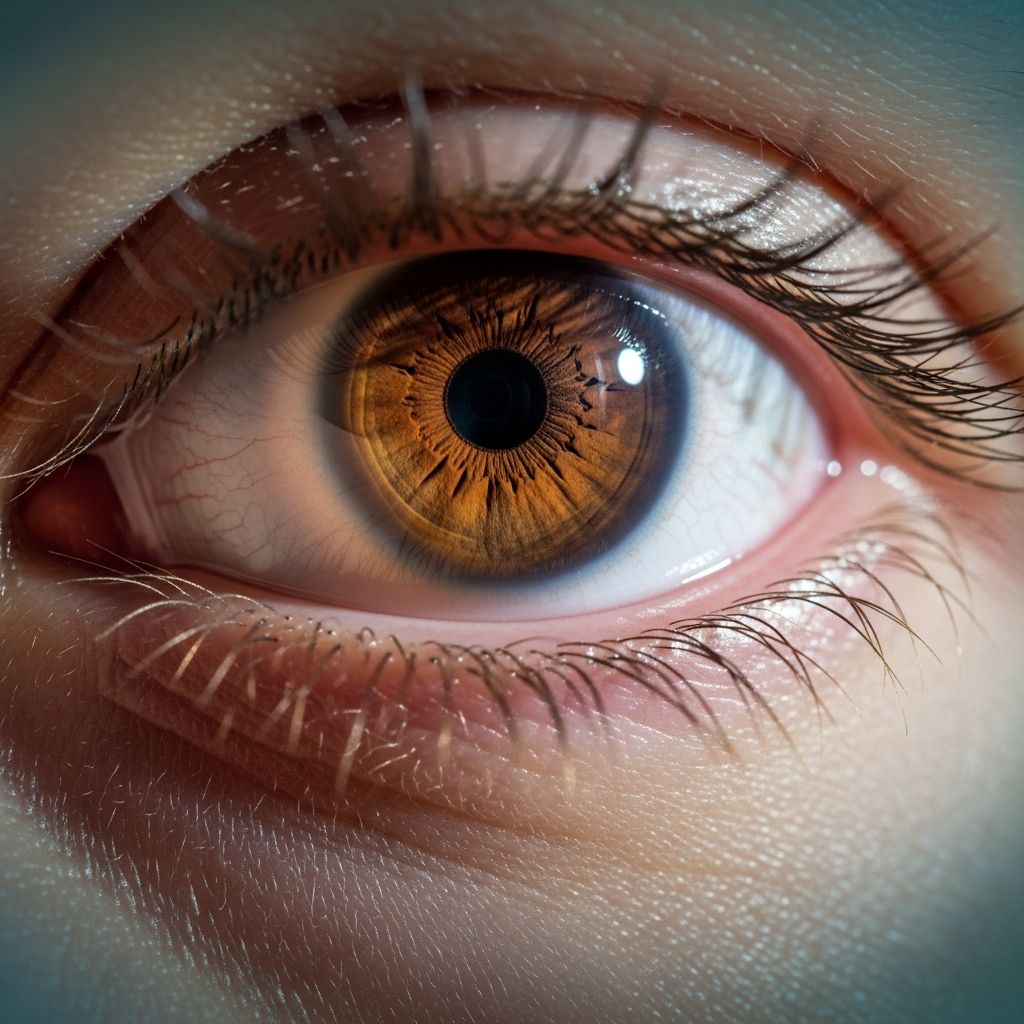
Thyroid eye disease (TED), also known as Graves’ ophthalmopathy, is a chronic inflammatory condition affecting the tissues around the eyes, most commonly associated with Graves’ disease. It leads to symptoms like bulging eyes (proptosis), redness, swelling, and potential vision impairment, impacting up to 50% of people with thyroid conditions.
What Is Thyroid Eye Disease?
Thyroid eye disease is an immune-mediated disorder causing inflammation in the orbit, involving fibroblasts, adipocytes, extraocular muscles, optic nerve, and orbital vasculature. It is the leading cause of proptosis and can occur even in euthyroid patients without overt thyroid dysfunction. The condition progresses in phases, with active inflammation followed by fibrosis, never fully returning to baseline.
In TED, autoantibodies target orbital tissues, leading to fat expansion and muscle enlargement within the confined bony orbit. This ‘cone model’ describes progression through expansion phases, resulting in characteristic eye changes.
Symptoms of Thyroid Eye Disease
Symptoms vary by severity but commonly include ocular discomfort as the initial presentation. Patients report dryness, watering, redness, photophobia, and retrobulbar pain.
- Eye surface issues: Dry eyes (13-20%), superior limbic keratoconjunctivitis (0.9%), exposure keratopathy (1-8%), rare corneal ulceration.
- Lid and conjunctival changes: Venous congestion causing lid swelling, chemosis, caruncular edema; elevated episcleral venous pressure leading to raised IOP and glaucoma risk.
- Motility problems: Restrictive strabismus, diplopia in 6-18% at presentation, worse in mornings during active phase.
- Visual disturbances: Blurred vision, color changes, field loss from optic neuropathy.
- Physical signs: Proptosis, lid retraction, staring gaze, incomplete lid closure.
Pain behind the eyes, pressure, light sensitivity, and double vision further reduce quality of life, with cosmetic changes affecting self-esteem.
Causes and Risk Factors
TED stems from autoimmune attack on orbital tissues, often linked to Graves’ disease (hyperthyroidism), but can precede thyroid diagnosis in 20% of cases or occur independently. Smoking dramatically increases risk and severity; euthyroid status does not preclude development.
Key risk factors include:
- Graves’ disease (40-50% develop TED).
- Smoking cessation is critical for management.
- Female predominance, though males have more severe cases.
- Uncontrolled hyperthyroidism worsens progression.
Stages of Thyroid Eye Disease
TED unfolds in two main phases: active (inflammatory) and inactive (stable).
Active Phase (6 Months to 2 Years)
Inflammation peaks, with worsening symptoms like red/swollen eyes, gritty sensation, bulging, light sensitivity, double vision, and pain. Treatment here is most effective to limit damage.
Inactive Phase (Burnt-Out)
Inflammation subsides, but residual proptosis, diplopia, or lid issues persist. Surgery is considered after stability (typically 6-12 months without change).
Progression is assessed via Clinical Activity Score (CAS) or VISA (Vision, Inflammation, Strabismus, Appearance) systems.
Diagnosis of Thyroid Eye Disease
Diagnosis combines history, exam, labs, and imaging. High suspicion is needed, especially in atypical cases.
| Method | Details |
|---|---|
| Clinical Exam | Proptosis measurement (exophthalmometry), lid retraction, motility, CAS scoring, visual acuity, color vision, fields, optic disc. |
| Blood Tests | TSH, free T4/T3, thyroid antibodies (TSI, TRAb). |
| Imaging | CT/MRI for orbital inflammation, muscle enlargement, optic nerve compression. |
Related Stories



Dysthyroid optic neuropathy (DON) requires urgent assessment for vision loss.
Treatment Options for Thyroid Eye Disease
Management focuses on euthyroidism, smoking cessation, lubrication, and phase-specific interventions.
Active Phase Treatments
- Steroids: High-dose IV methylprednisolone (1g for 3 days) for DON; oral for milder cases.
- Immunosuppressants: Teprotumumab (Tepezza) targets IGF-1R pathway, reducing proptosis and diplopia.
- Radiotherapy: Second-line for DON, stabilizes motility.
- Supportive: Lubricants, taping lids, prisms for diplopia.
Inactive Phase (Surgical)
Performed after 6-12 months stability:
- Orbital decompression for proptosis/DON.
- Strabismus surgery for alignment.
- Eyelid surgery for retraction.
Multidisciplinary care with endocrinologists and ophthalmologists is essential.
Living With Thyroid Eye Disease
Patients should monitor for DON signs (color loss, field defects), maintain euthyroidism, quit smoking, and use lubricants. Regular follow-ups use VISA/CAS for progression tracking.
Cosmetic impacts can cause emotional distress; support groups aid coping.
Frequently Asked Questions (FAQs)
What triggers thyroid eye disease?
TED is autoimmune, linked to Graves’; smoking and poor thyroid control exacerbate it.
Can TED occur without thyroid problems?
Yes, in euthyroid cases, requiring high suspicion and imaging.
How long does the active phase last?
Typically 6 months to 2 years; early treatment prevents fibrosis.
Is surgery always needed?
No, only for inactive phase residuals unresponsive to meds.
Does quitting smoking help?
Yes, significantly improves outcomes and response to therapy.
When to See a Doctor
Seek immediate care for vision changes, severe pain, or diplopia. Routine screening for Graves’ patients is advised.
References
- Thyroid Eye Disease – StatPearls — NCBI Bookshelf. 2023. https://www.ncbi.nlm.nih.gov/books/NBK582134/
- Understanding the Stages of Thyroid Eye Disease (TED) – A patient guide — TED CT. 2024. https://tedct.org.uk/patient-information/understanding-the-stages-of-thyroid-eye-disease-ted-a-patient-guide/
- Symptoms of Thyroid Eye Disease (TED): A Comprehensive Guide — Mama Health. 2024. https://www.mamahealth.com/thyroid-eye-disease/symptoms-guide
- The Ultimate Guide to Thyroid Eye Disease — Eyes On Eyecare. 2023. https://eyesoneyecare.com/resources/ultimate-guide-thyroid-eye-disease/
Similar Articles








Read full bio of Sneha Tete