Thyroid Health 101: Key Nutrients, Symptoms, Diet Guide
Understand your thyroid's vital role in metabolism, energy, and overall wellness with expert nutrition and lifestyle guidance.
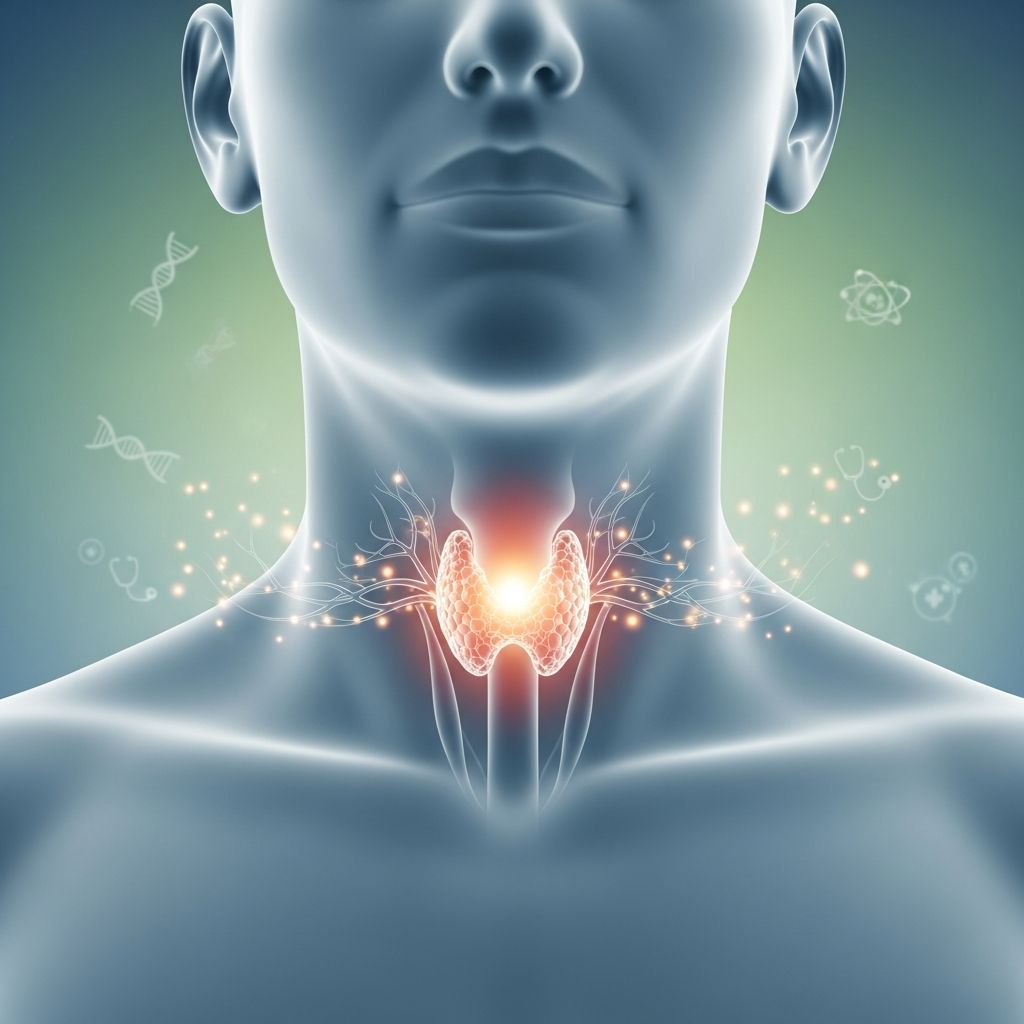
The thyroid gland, a small butterfly-shaped organ in the front of your neck, plays a critical role in regulating metabolism, energy levels, mood, and many bodily functions through hormone production. Maintaining thyroid health is essential, as imbalances affect over 20 million people, leading to conditions like hypothyroidism and hyperthyroidism.
What Is the Thyroid and What Does It Do?
The thyroid produces hormones thyroxine (T4) and triiodothyronine (T3), which influence nearly every cell in the body. These hormones control metabolism by promoting energy production, thermogenesis, and fat breakdown in tissues like white adipose, liver, muscle, and pancreas. In muscle cells, they enhance energy expenditure and repair; in bone, they regulate calcium balance alongside parathyroid hormones. The hypothalamus-pituitary-thyroid axis maintains levels via a feedback loop: the hypothalamus releases thyrotropin-releasing hormone (TRH), stimulating pituitary TSH, which prompts thyroid hormone release.
Thyroid hormones ensure temperature regulation, organ function, and energy balance. Vitamin D upregulates thyroid hormone receptors, while iron supports gland activity and cellular function. Disruptions can slow metabolism (hypothyroidism) or accelerate it (hyperthyroidism), impacting weight, heart rate, and more.
Signs and Symptoms of Thyroid Imbalance
Thyroid disorders manifest differently based on underactivity or overactivity. Hypothyroidism symptoms include fatigue, weight gain, cold intolerance, constipation, dry skin, hair loss, brittle nails, depression, brain fog, irregular periods, and facial puffiness. Hyperthyroidism causes anxiety, rapid heartbeat, excessive sweating, weight loss, heat intolerance, and tremors.
- Hypothyroidism (underactive thyroid): Slowed metabolism, sluggishness, daytime sleepiness, slow heart rate.
- Hyperthyroidism (overactive thyroid): Rapid heartbeat, anxiousness, diarrhea.
- Common to both: Goiter (enlarged thyroid), nodules, or in severe cases, thyroid cancer.
Early detection is key, as untreated issues lead to serious complications like heart problems or bone loss. Women, those over 60, and individuals with family history are at higher risk.
Nutrients Essential for Thyroid Function
A balanced diet provides iodine, selenium, zinc, and iron—crucial for hormone synthesis and activation. Iodine forms T4 and T3; selenium converts T4 to active T3 and offers antioxidant protection; zinc supports the hypothalamic-pituitary-thyroid axis; iron enables thyroid peroxidase enzyme activity.
| Micronutrient | Role in Thyroid Health | Food Sources |
|---|---|---|
| Iodine | Essential building block of T4 and T3 | Iodized salt, seaweed (nori, kelp), cod, shrimp, dairy, eggs |
| Selenium | Converts T4 to T3; protects gland | Brazil nuts, tuna, sardines, shrimp, turkey, sunflower seeds, eggs |
| Zinc | Hormone synthesis and axis regulation | Oysters, beef, crab, pumpkin seeds, chickpeas, cashews |
| Iron | Supports thyroid peroxidase enzyme | Lean red meat, chicken, lentils, spinach, tofu, fortified cereals |
Adults need 150 mcg iodine daily, 55 mcg selenium, 8-11 mg zinc (higher in pregnancy), and 8-18 mg iron. Oysters provide 28 mg zinc per 3 oz; Brazil nuts are selenium powerhouses. Vitamin D and iron further aid receptor expression and metabolism. Avoid excess; consult professionals for deficiencies.
Related Stories



Diet and Nutrition for Thyroid Support
Emphasize anti-inflammatory diets like Mediterranean-style: fruits, vegetables, whole grains, legumes, nuts, seeds, lean proteins, healthy fats (olive oil, avocado). Limit ultra-processed foods, added sugars, and processed meats. For Hashimoto’s (autoimmune hypothyroidism), low-gluten may reduce antibodies.
- Incorporate seafood for iodine/selenium (tuna, shrimp).
- Eat nuts/seeds (pumpkin, sunflower, Brazil) for zinc/selenium.
- Include lean meats, eggs, dairy for multiple nutrients.
- Boost vitamin D via sunlight, fortified foods, or supplements if deficient.
Iodine deficiency is rare in iodized-salt nations but persists in some areas; seaweed and dairy help. A varied diet meets needs without supplementation unless tested deficient.
Lifestyle Factors Influencing Thyroid Health
Lifestyle indirectly supports thyroid via overall wellness. Regular exercise balances hormones and weight, increasing thyroid hormone demand. For hypothyroidism, moderate activity aids metabolism; for hyperthyroidism, stick to low-intensity like walking, yoga, light strength to avoid heart strain.
Reduce stress, prioritize sleep, minimize toxins (e.g., pollutants). Avoid excess caffeine, alcohol, processed foods. Balanced habits—nutrient-rich eating, movement, rest—optimize the thyroid axis.
Exercise Recommendations
- General: Aim for 150 minutes moderate aerobic + strength training weekly to maintain weight/hormone balance.
- Hypothyroidism: Brisk walking, resistance training to combat fatigue/weight gain.
- Hyperthyroidism: Low-impact: yoga, walking; avoid high-intensity.
Physical activity enhances mitochondrial function, tying into thyroid-driven metabolism.
When to See a Doctor
Discuss thyroid at annual exams, especially with symptoms or risk factors. Blood tests measure TSH, free T4, T3; antibodies detect autoimmunity. Early intervention prevents complications. Registered dietitian nutritionists (RDNs) offer personalized plans.
Frequently Asked Questions (FAQs)
What are the most common thyroid disorders?
Hypothyroidism (underactive) and hyperthyroidism (overactive) are prevalent, affecting metabolism and energy.
Can diet alone fix thyroid issues?
Diet supports but doesn’t replace medical treatment; nutrients aid function alongside medication.
Is iodine deficiency common?
Rare in iodized-salt countries; sources like seafood prevent it.
How does exercise help thyroid health?
It balances hormones, supports weight management; tailor intensity to condition.
Should I supplement for thyroid health?
Only if deficient per tests; consult RDN or doctor.
Thyroid health underpins vitality—nourish it with informed choices.
References
- Thyroid Health 101: What It Does & How to Support It Naturally — YouTube (Nicqui Grant). 2023. https://www.youtube.com/watch?v=tYzVRj0Zvo0
- Thyroid Health 101: Supporting Clients With Knowledge and Care — ACE Fitness. 2025-08. https://www.acefitness.org/continuing-education/certified/august-2025/8922/thyroid-health-101-supporting-clients-with-knowledge-and-care/
- Thyroid Health 101 – How Preventative Care Boosts Your Wellbeing — Tatyana Morton MD. 2023. https://www.tatyanamortonmd.com/blog/thyroid-health-101
- Thyroid Health 101 — Academy of Nutrition and Dietetics. 2023. https://www.eatright.org/health/health-conditions/endocrine-disorders/thyroid-health-101
- Thyroid 101: Hypothyroidism and Hyperthyroidism — Michigan Medicine. 2023. https://www.michiganmedicine.org/health-lab/thyroid-101-hypothyroidism-and-hyperthyroidism
Similar Articles








Read full bio of Sneha Tete