Thyroid Hormone: Essential Guide To T3, T4, And Iodine
Understanding thyroid hormones, their functions, and how they control your metabolism and overall health.
What Is Thyroid Hormone?
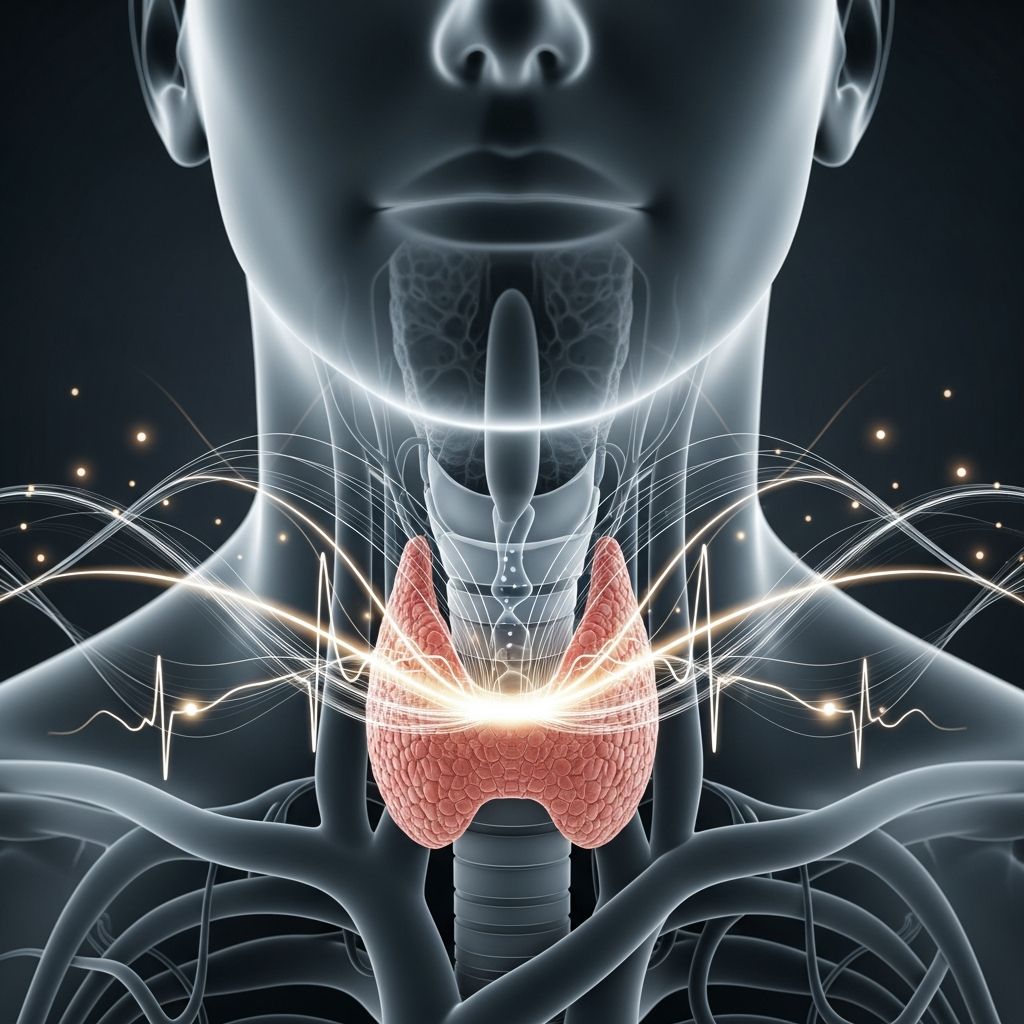
Thyroid hormone is one of the most important hormones in your body, serving as the primary regulator of your metabolism. Metabolism is the process by which your body transforms the food you eat into energy that powers everything you do, from breathing and maintaining body temperature to physical activity and mental function. Your thyroid gland, a small butterfly-shaped organ located in your neck, is responsible for producing and releasing these vital hormones that keep your body functioning optimally.
The thyroid produces two main types of hormones: thyroxine, commonly referred to as T4, and triiodothyronine, known as T3. These hormones work together to control how fast your body burns calories and uses energy. When your thyroid functions properly, it produces the right amount of these hormones to keep your metabolism balanced. However, when thyroid function is disrupted, it can lead to significant changes in energy levels, weight, mood, and overall health.
The Main Thyroid Hormones
Thyroxine (T4)
Thyroxine, or T4, is the primary hormone produced by your thyroid gland. When your thyroid receives a signal from thyroid-stimulating hormone (TSH), it releases T4 into your bloodstream. T4 is considered the storage form of thyroid hormone and is converted into the more active T3 hormone both within and outside the thyroid gland. Of the total amount of hormones that TSH triggers your thyroid to release, approximately 80% is T4 and only 20% is T3. This means your thyroid is constantly working to maintain adequate levels of T4 to ensure sufficient T3 production throughout your body.
Triiodothyronine (T3)
Triiodothyronine, or T3, is the more metabolically active form of thyroid hormone. Most of the T3 in your body is produced through the conversion of T4 by special enzymes called deiodinases, which are found in various tissues throughout your body including the liver, kidneys, and muscles. T3 is the form that has the most direct effect on your metabolism, heart rate, body temperature, and energy levels. Because T3 is more potent than T4, your body carefully controls the conversion process to maintain optimal levels. Free T3 and T4—the portions not bound to carrier proteins—are the forms that actually exert physiological effects on your body’s target organs.
The Role of Iodine
Your thyroid cannot produce T3 and T4 without an adequate supply of iodine, a mineral you obtain from the foods you eat. Iodine is a crucial component of both thyroid hormones, and deficiency in this mineral can significantly impair your thyroid’s ability to function. Common dietary sources of iodine include seafood, dairy products, eggs, and iodized salt. Without sufficient iodine intake, your thyroid cannot synthesize enough hormones, leading to hypothyroidism and various related health problems. This is why iodine deficiency remains one of the most common preventable causes of thyroid disease worldwide.
The Thyroid Feedback Loop System
Related Stories



Your body maintains thyroid hormone levels through a sophisticated feedback loop system that involves three key glands: your hypothalamus, your pituitary gland, and your thyroid. This system works like a thermostat, automatically adjusting hormone production to keep levels balanced and stable.
How the Feedback Loop Works
The process begins in your hypothalamus, a region of your brain that acts as the command center for hormone regulation. When thyroid hormone levels drop below optimal levels, your hypothalamus releases thyroid-releasing hormone (TRH). This signal travels to your pituitary gland, a small but mighty gland located at the base of your brain, which responds by producing and releasing thyroid-stimulating hormone (TSH).
TSH then travels through your bloodstream to your thyroid gland, where it attaches to TSH receptors on thyroid cells. This triggers your thyroid to produce and release T4 and T3 into your blood. As levels of T3 and T4 increase in your bloodstream, they send feedback signals back to both your pituitary gland and hypothalamus, essentially telling these glands to reduce their production of TSH and TRH respectively. This negative feedback loop prevents your body from producing excessive amounts of thyroid hormone.
When T3 and T4 levels drop again, the feedback loop restarts, signaling your hypothalamus and pituitary to increase TRH and TSH production once more. This elegant system allows your body to maintain a constant, balanced level of thyroid hormones despite varying demands and conditions.
Regulation and Balance
The feedback loop system is remarkably precise. Rather than being controlled by a single hormone level, the system operates as an integrated network where multiple factors influence thyroid hormone production. Energy balance, nutrition, inflammation, circadian rhythm, and stress all play roles in how the hypothalamus and pituitary regulate thyroid function. This means your thyroid doesn’t operate in isolation but is part of a larger system designed to maintain homeostasis—the body’s internal balance—in response to changing environmental and physiological conditions.
Calcitonin: Another Important Thyroid Hormone
While the term “thyroid hormone” typically refers to T3 and T4, your thyroid gland also produces another important hormone called calcitonin. This hormone plays a different role than T3 and T4, focusing on calcium regulation rather than metabolism. Calcitonin helps regulate calcium levels in your blood by decreasing them when they become too high. It works by inhibiting cells called osteoclasts, which normally break down bone tissue and release calcium into the bloodstream. Calcitonin also affects how much calcium your kidneys reabsorb and release into your blood.
Unlike T3 and T4, calcitonin is not grouped into the “thyroid hormone” category for metabolic purposes, and it doesn’t have the same impact on your body’s metabolism or energy production. Instead, calcitonin plays a crucial role in maintaining proper calcium balance, which is essential for bone health, muscle function, and nervous system function.
Functions of Thyroid Hormones
Thyroid hormones affect nearly every system in your body, making them essential for overall health and well-being. Here are the primary functions of T3 and T4:
- Metabolism Regulation: Thyroid hormones control how quickly your body burns calories and uses energy, directly affecting your weight and energy levels.
- Growth and Development: These hormones are critical for promoting normal growth in children and supporting bone development throughout life.
- Brain Function: Thyroid hormones are essential for cognitive development in infants and children, and they continue to support memory, concentration, and mental clarity in adults.
- Heart Function: T3 and T4 regulate heart rate and the strength of heart contractions, affecting how efficiently your cardiovascular system works.
- Body Temperature: Thyroid hormones help regulate your core body temperature by controlling heat production and dissipation.
- Muscle Control: These hormones influence muscle strength and coordination, affecting your physical performance and mobility.
- Digestive Function: Thyroid hormones affect gut motility and digestive processes, influencing how your body processes and absorbs nutrients.
- Fertility: Proper thyroid function is essential for normal reproductive function in both men and women, and thyroid imbalances can affect fertility.
- Mood and Mental Health: Thyroid hormones influence neurotransmitter production and brain chemistry, affecting mood, anxiety levels, and emotional well-being.
Understanding Free T3 and T4
When thyroid hormones circulate through your bloodstream, they don’t all exist in an active form. Circulating thyroid-binding globulins and other transport proteins bind significant amounts of T3 and T4, essentially locking them up and making them unavailable for use by your body’s cells. Only the “free” portions—free T3 and free T4—that are not bound to these proteins can actually interact with your cells and produce physiological effects. Free T3 and T4 also provide feedback information to your pituitary gland, completing the regulatory loop that controls thyroid hormone production and release.
This distinction is important when doctors evaluate thyroid function. The total circulating thyroid hormone levels are not as biologically relevant as the free T3 and T4 levels, because only the unbound hormones can actually do the work your body needs them to do. This is why doctors may order tests for free T3 and free T4 rather than relying solely on total T3 and T4 measurements.
Testing and Monitoring Thyroid Function
TSH (thyroid-stimulating hormone) testing is the most reliable and practical way to monitor thyroid function in most people. Because TSH levels rise when thyroid hormones drop and fall when thyroid hormones rise, measuring TSH provides an excellent indication of whether your thyroid is producing the right amount of hormone. In people with normally functioning pituitary glands, the TSH level reliably reflects the bioactivity of circulating thyroid hormones. The pituitary gland acts like a superb thermostat for thyroid hormone activity, making TSH the ideal indicator to track.
Even in patients without a functioning thyroid gland who are receiving thyroid hormone replacement therapy, TSH measurement remains an excellent indicator of whether they are receiving the appropriate dose. Doctors typically adjust thyroid medication doses to keep TSH within a target range, as this reflects the level of thyroid function the brain has determined to be optimal.
Common Thyroid Conditions
Hypothyroidism
Hypothyroidism occurs when your thyroid doesn’t produce enough hormone, slowing down your metabolism. This can result from thyroid gland failure, inadequate iodine intake, or problems with the pituitary or hypothalamus. Symptoms include fatigue, weight gain, cold sensitivity, and depression.
Hyperthyroidism
Hyperthyroidism, or overactive thyroid, happens when your thyroid produces too much hormone, accelerating your metabolism. The most common cause is Graves’ disease, an autoimmune condition. Symptoms include weight loss, rapid heartbeat, anxiety, and heat intolerance.
Frequently Asked Questions (FAQs)
Q: What is the difference between T3 and T4?
A: T4 is the primary hormone produced by your thyroid gland and serves as a storage form of thyroid hormone. T3 is the more metabolically active form, primarily created through conversion of T4 in various body tissues. T3 has a more direct and potent effect on metabolism, heart function, and energy levels.
Q: Why is iodine important for thyroid health?
A: Iodine is an essential component of both T3 and T4 molecules. Without adequate iodine from your diet, your thyroid cannot synthesize these critical hormones. Iodine deficiency can lead to hypothyroidism and other thyroid-related health problems.
Q: How does the thyroid feedback loop system work?
A: Your hypothalamus releases TRH, which stimulates your pituitary gland to release TSH. TSH then signals your thyroid to produce T3 and T4. When these hormone levels rise sufficiently, they send feedback signals to reduce TRH and TSH production, maintaining balance.
Q: What is the best way to monitor thyroid function?
A: TSH testing is the most reliable and practical way to monitor thyroid function in most people. TSH levels accurately reflect whether your thyroid is producing appropriate amounts of hormone, making it the gold standard for thyroid assessment.
Q: What is free T3 and free T4?
A: Free T3 and free T4 refer to thyroid hormones that are not bound to carrier proteins in your blood. Only these unbound hormones can interact with your cells and produce physiological effects, making them more biologically relevant than total hormone levels.
Q: Can thyroid hormone levels change throughout the day?
A: Yes, thyroid hormone levels follow circadian rhythms and can vary throughout the day and in response to various physiological factors including stress, nutrition, and energy demands. However, the feedback loop system works to maintain overall balance despite these fluctuations.
References
- Thyroid Hormone: What It Is & Function — Cleveland Clinic. 2024. https://my.clevelandclinic.org/health/articles/22391-thyroid-hormone
- Thyroid: What It Is, Function & Problems — Cleveland Clinic. 2024. https://my.clevelandclinic.org/health/body/23188-thyroid
- Trust the thyroid thermostat — Cleveland Clinic Journal of Medicine, Vol. 83, No. 8. 2016. https://www.ccjm.org/content/83/8/552
- Understanding Thyroid Hormones: Functions and Imbalances — Medix Biochemica. 2024. https://articles.medixbiochemica.com/understanding-thyroid-hormones
- Subclinical hypothyroidism: What’s in a name? — Cleveland Clinic Journal of Medicine, Vol. 92, No. 4. 2020. https://www.ccjm.org/content/92/4/233
- Endocrine System: What It Is, Function, Organs & Diseases — Cleveland Clinic. 2024. https://my.clevelandclinic.org/health/body/21201-endocrine-system
Similar Articles








Read full bio of Sneha Tete