Thyroid Storm: Symptoms, Causes, and Treatment Guide
Understanding thyroid storm: A life-threatening condition requiring immediate emergency care and treatment.
What Is Thyroid Storm?
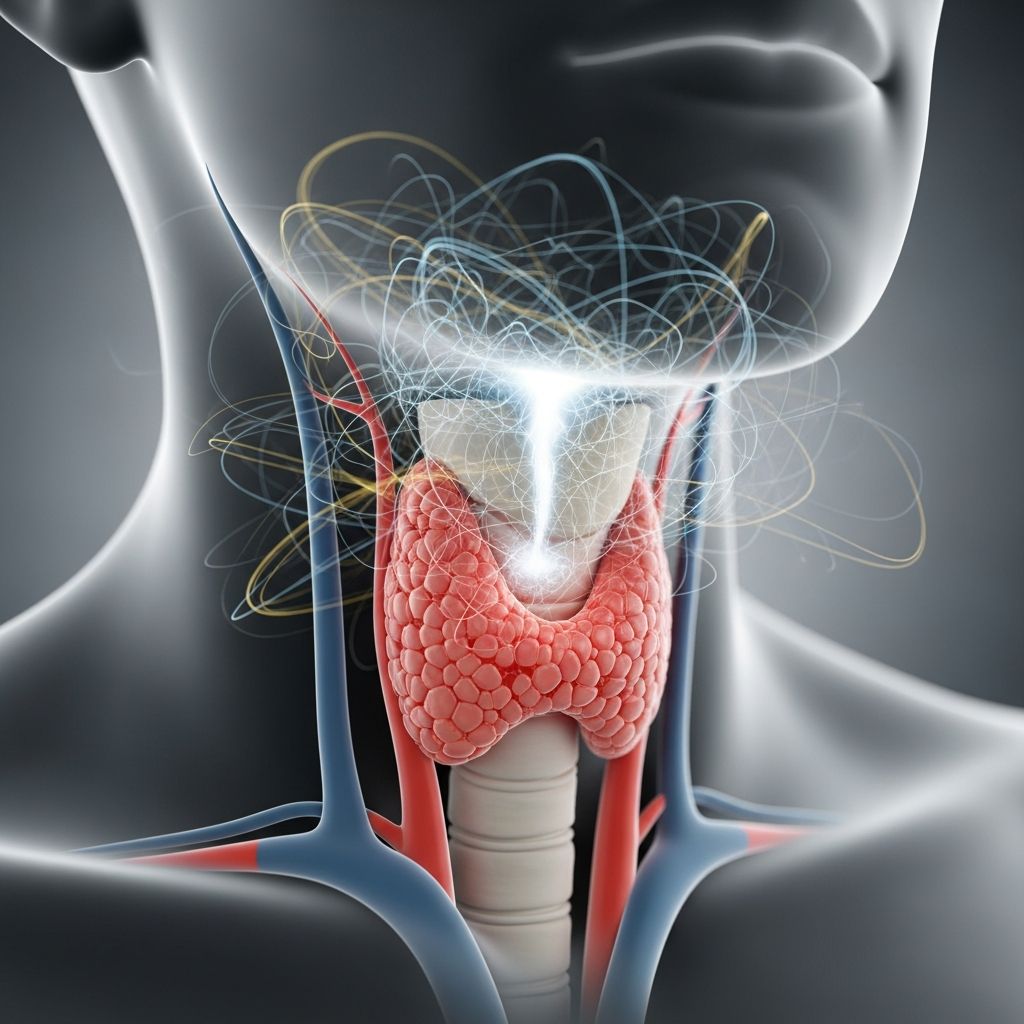
Thyroid storm, also known as thyrotoxic crisis, is a rare but life-threatening medical emergency that occurs when the thyroid gland releases excessive amounts of thyroid hormones into the bloodstream. This acute complication develops in people with uncontrolled hyperthyroidism—a condition where the thyroid gland produces too many thyroid hormones. Unlike typical hyperthyroidism, which develops gradually, thyroid storm involves a sudden, severe exacerbation of thyroid hormone levels that triggers multi-system involvement throughout the body.
The thyroid gland, located in the neck just above where the collarbones meet, is responsible for regulating metabolism, heart rate, body temperature, and energy levels. When this gland malfunctions and enters a state of thyroid storm, the consequences can be catastrophic without immediate medical intervention. The condition affects multiple organ systems simultaneously, creating a cascade of life-threatening complications.
Causes and Precipitating Factors
Thyroid storm does not develop spontaneously in all people with hyperthyroidism. Instead, specific precipitating factors trigger the acute crisis in individuals with uncontrolled thyroid disease. Understanding these triggers is crucial for prevention and early recognition.
Common precipitating factors include:
- Infection: Bacterial or viral infections are among the most common triggers of thyroid storm.
- Trauma: Physical injury or surgery can precipitate thyroid crisis in susceptible individuals.
- Heart attack: Acute myocardial infarction can trigger thyroid storm in those with uncontrolled hyperthyroidism.
- Sudden medication discontinuation: Abruptly stopping antithyroid medications allows hormone levels to surge rapidly.
- Thyroid surgery complications: Surgical manipulation of the thyroid during treatment can release large quantities of stored hormones.
- Radioactive iodine therapy: This standard treatment for Graves disease can rarely trigger thyroid storm, sometimes occurring a week or more after treatment.
- Iodine contrast studies: Large doses of iodine used in medical imaging can precipitate thyroid crisis.
The underlying mechanism involves a rapid increase in thyroid hormone levels rather than the absolute hormone concentration alone, though the precise pathophysiology remains incompletely understood.
Recognizing Thyroid Storm Symptoms
Thyroid storm presents with dramatic and severe symptoms that develop rapidly. Recognizing these warning signs is essential for seeking emergency medical care immediately. Symptoms result from the excessive effects of thyroid hormones on multiple body systems.
Cardiovascular Symptoms
The heart is particularly sensitive to excess thyroid hormone. Patients typically experience:
- Severe tachycardia (racing heart rate, often exceeding 140 beats per minute)
- Elevated systolic blood pressure (the top blood pressure number)
- Palpitations and irregular heartbeats (dysrhythmias)
- Congestive heart failure in severe cases
- Increased risk of stroke due to cardiac complications
Thermal and Neurological Symptoms
High fever is a hallmark feature of thyroid storm. Patients may experience:
- Extreme fever (often exceeding 104°F or 40°C)
- Severe agitation and anxiety
- Delirium and altered mental status
- Confusion and disorientation
- Tremors and muscle weakness
- Psychosis in some cases
Gastrointestinal and Other Symptoms
Additional symptoms affecting other body systems include:
- Nausea and vomiting
- Diarrhea and abdominal pain
- Jaundice (yellowing of skin and eyes)
- Hepatic dysfunction
- Profuse sweating
- Extreme weakness and fatigue
Diagnosis of Thyroid Storm
Diagnosing thyroid storm involves clinical assessment combined with laboratory findings. Because thyroid storm is life-threatening, healthcare providers often begin treatment based on clinical suspicion before laboratory results are available.
Related Stories



Clinical Evaluation
Doctors assess for severe, life-threatening symptoms including extreme fever and cardiac complications. Key measurements include:
- Blood pressure monitoring, as elevated systolic blood pressure is typical
- Heart rate measurement, which is significantly elevated
- Body temperature assessment
- Mental status evaluation
- Cardiac rhythm monitoring
Laboratory Tests
Blood tests reveal characteristic hormone patterns:
- T3 and T4 hormones: Elevated levels indicate excessive thyroid hormone production
- Thyroid-stimulating hormone (TSH): Low levels (normal range: 0.4 to 4.5 milliunits per liter) are typical in hyperthyroidism and thyroid storm
- Additional tests: Blood glucose, electrolytes, liver function tests, and cardiac enzymes
Emergency Treatment Approach
Thyroid storm requires immediate hospitalization in an intensive care unit (ICU) with close cardiac monitoring. Treatment involves three sequential strategic steps to manage the crisis while addressing the underlying thyroid dysfunction.
Step 1: Supportive Measures
Initial emergency care stabilizes the patient’s vital functions:
- Oxygen therapy: Administered for breathing problems and respiratory support
- Intravenous fluids: Aggressive fluid resuscitation addresses severe dehydration, unless cardiac failure is suspected
- Cooling measures: Cooling blankets and ice packs return body temperature to normal; acetaminophen is used for fever management
- Cardiac monitoring: Continuous electrocardiogram monitoring detects and manages dangerous heart rhythms
- Electrolyte correction: Abnormal electrolyte levels are corrected to prevent further complications
- Ventilatory support: Mechanical ventilation may be necessary if respiratory failure develops
Important note: Salicylates (such as aspirin) should be avoided, as they displace thyroid hormones from binding proteins and worsen the crisis.
Step 2: Medications to Block Thyroid Hormone Effects
Beta-blockers are administered immediately to manage the dangerous cardiovascular effects:
- Propranolol: The preferred beta-blocker, typically given 40 mg to 80 mg intravenously every 4 to 6 hours
- Reduces heart rate and blood pressure
- Blocks the peripheral effects of excess thyroid hormone
- Must be given rapidly due to high mortality risk
Step 3: Medications to Reduce Thyroid Hormone Production
Antithyroid medications block new thyroid hormone synthesis:
- Propylthiouracil (PTU): Loading dose of 500 mg to 1000 mg, followed by 250 mg every 4 hours
- Methimazole (Tapazole): 20 mg every 4 to 6 hours
- PTU is typically used initially but should be switched to methimazole after stabilization
- For patients unable to take oral medication, liquid preparations or enemas may be used; pharmacists can sometimes prepare intravenous formulations
Step 4: Medications to Block Thyroid Hormone Release
Iodine solutions prevent the release of stored thyroid hormones:
- High-dose iodine therapy administered after antithyroid medications
- Must be given after blocking hormone production to prevent increased hormone release
- Discontinued once clinical improvement occurs
Additional Medications
Other medications support recovery and manage complications:
- Glucocorticoids (steroids): Dexamethasone is typically preferred; may decrease T4 to T3 conversion
- Iodinated radiocontrast agents: Block peripheral conversion of T4 to T3
- Lithium: May inhibit thyroid hormone release
- Potassium perchlorate: Reduces thyroid hormone production
- Bile acid sequestrants (cholestyramine/Prevalite): Reduce enterohepatic recycling of thyroid hormones
- Antibiotics: Administered if infection is present
- Medications for agitation: Manage psychological symptoms
- Vitamins and glucose: Nutritional support during recovery
Recovery Timeline and Long-Term Management
With proper medical treatment in an ICU setting, patients typically experience symptom improvement within 24 hours. However, treating the underlying cause of thyroid storm may take up to a week. After initial stabilization and clinical improvement, medications are adjusted accordingly: glucocorticoids are tapered and discontinued, beta-blockers are adjusted based on heart rate, and thionamide therapy is titrated.
Definitive treatment for the underlying hyperthyroidism is recommended after the acute crisis resolves, including radioiodine (RAI) therapy or thyroidectomy (surgical removal of the thyroid).
Why Thyroid Storm Is Life-Threatening
Despite aggressive medical intervention, thyroid storm carries significant mortality risk. The condition’s severity stems from the simultaneous involvement of multiple organ systems—cardiovascular collapse, severe metabolic dysfunction, and neurological complications can develop rapidly. The extreme elevation of thyroid hormones creates a state of hypermetabolism that overwhelms the body’s compensatory mechanisms.
Frequently Asked Questions
Q: What is the mortality rate of thyroid storm?
A: Even with aggressive medical care in intensive care units, a significant percentage of patients with thyroid storm will die, making it one of the most serious endocrine emergencies.
Q: Can thyroid storm be prevented?
A: Yes, the best prevention involves properly managing hyperthyroidism with antithyroid medications, avoiding sudden medication discontinuation, treating infections promptly, and seeking immediate care during periods of significant physical or emotional stress.
Q: How quickly does thyroid storm develop?
A: Thyroid storm typically develops acutely following a precipitating event such as infection, trauma, or surgery. Symptoms can escalate rapidly over hours, making immediate recognition and treatment critical.
Q: Are certain people at higher risk?
A: People with uncontrolled hyperthyroidism, particularly those with Graves disease who have not received proper treatment or have discontinued medications, are at highest risk during periods of physical or emotional stress.
Q: Is thyroid storm the same as hyperthyroidism?
A: No. Hyperthyroidism is a chronic condition with gradual symptom development, while thyroid storm is an acute, life-threatening crisis that occurs in people with severe, uncontrolled hyperthyroidism when triggered by specific events.
Q: What should I do if I suspect thyroid storm?
A: Call emergency services immediately (911 in the US). Do not attempt home treatment. Thyroid storm requires immediate hospitalization and ICU-level care.
References
- Thyroid Storm – Causes, Symptoms, Diagnosis, Treatment, Pathology — YouTube Medical Education. 2024. https://www.youtube.com/watch?v=-naOgnjJlz0
- Thyroid Storm — MedlinePlus Medical Encyclopedia, U.S. National Library of Medicine. 2024. https://medlineplus.gov/ency/article/000400.htm
- Thyroid Storm: Causes, Symptoms, and Treatment — Healthline Media. 2024. https://www.healthline.com/health/thyroid-storm
- Thyroid Storm — StatPearls, National Center for Biotechnology Information (NCBI) Bookshelf. 2024. https://www.ncbi.nlm.nih.gov/books/NBK448095/
- Thyroid Storm — Society for Academic Emergency Medicine (SAEM). 2024. https://www.saem.org/about-saem/academies-interest-groups-affiliates2/cdem/for-students/online-education/m4-curriculum/group-m4-endocrine-electrolytes/thyroid-storm
- Thyroid Storm: Causes, Symptoms, Diagnosis & Treatment — Cleveland Clinic. 2024. https://my.clevelandclinic.org/health/diseases/23203-thyroid-storm
Similar Articles








Read full bio of medha deb