Thyroiditis: Types, Causes, Symptoms, Diagnosis & Treatment
Understand the different types, causes, symptoms, and treatments for thyroiditis, a group of conditions causing thyroid inflammation.
What Is Thyroiditis?
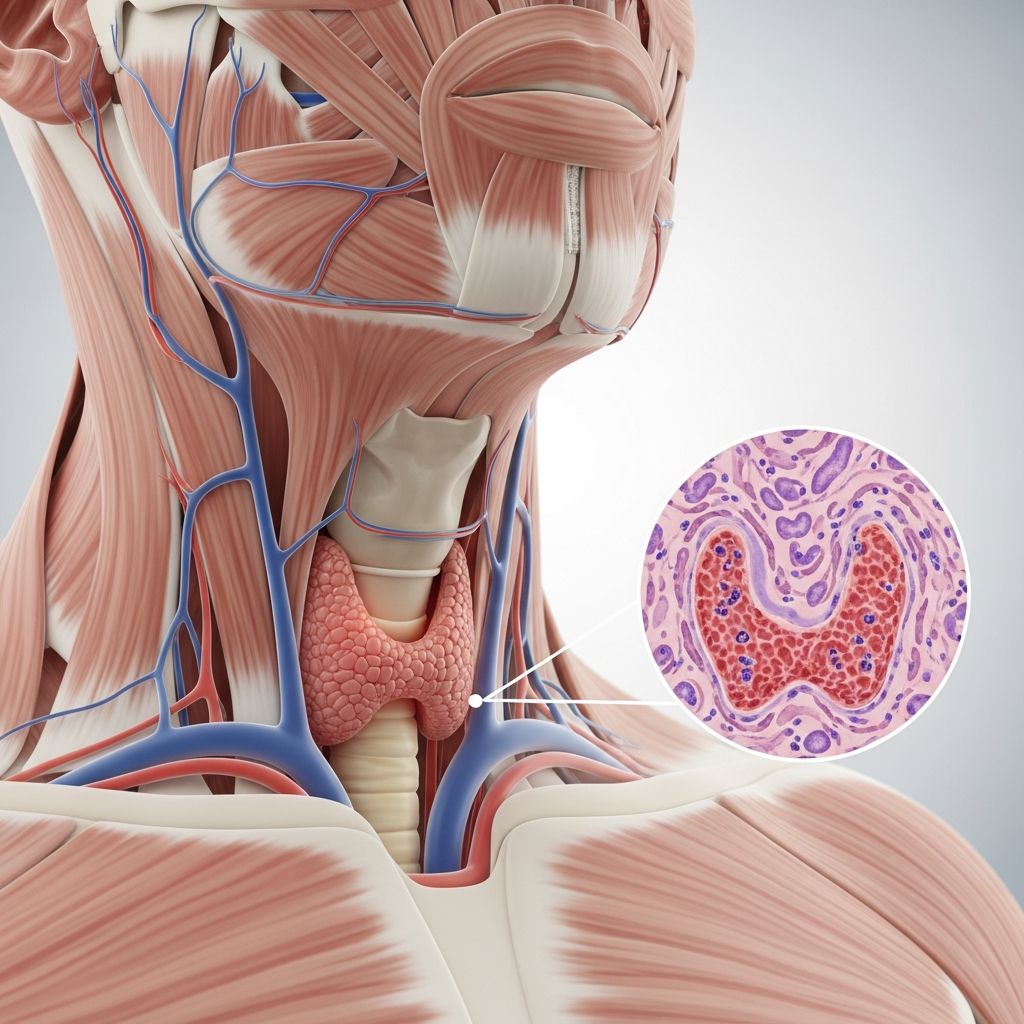
Thyroiditis is a group of disorders characterized by inflammation of the thyroid gland, a butterfly-shaped organ located at the base of the neck. This inflammation can disrupt the normal production of thyroid hormones, which play a vital role in regulating metabolism, energy levels, and overall bodily functions. While some cases of thyroiditis are temporary, others may lead to permanent hypothyroidism (underactive thyroid). Fortunately, thyroiditis is treatable, and most people can manage their symptoms effectively with proper medical care.
Types of Thyroiditis
There are several types of thyroiditis, each with distinct causes and clinical features. The most common types include:
- Hashimoto’s thyroiditis – The most prevalent form, caused by an autoimmune attack on the thyroid gland.
- Subacute thyroiditis – Often triggered by a viral infection, leading to painful thyroid inflammation.
- Acute infectious thyroiditis – Caused by bacterial infection, resulting in severe pain and fever.
- Postpartum thyroiditis – Occurs after childbirth, typically affecting women within the first year post-delivery.
- Drug-induced thyroiditis – Caused by certain medications, such as amiodarone, lithium, interferons, and checkpoint inhibitors.
- Radiation-induced thyroiditis – Follows treatment with radioactive iodine or external beam radiation therapy.
- Riedel thyroiditis – A rare form characterized by fibrosis (thickening and scarring) of the thyroid gland.
Causes of Thyroiditis
The underlying cause of thyroiditis varies depending on the type:
| Type of Thyroiditis | Primary Cause |
|---|---|
| Hashimoto’s thyroiditis | Autoimmune disorder |
| Subacute thyroiditis | Viral infection |
| Acute infectious thyroiditis | Bacterial infection |
| Postpartum thyroiditis | Autoimmune response after childbirth |
| Drug-induced thyroiditis | Medications (amiodarone, lithium, etc.) |
| Radiation-induced thyroiditis | Radiation therapy |
| Riedel thyroiditis | Fibrosis (unknown cause) |
Symptoms of Thyroiditis
The symptoms of thyroiditis depend on the type and phase of the condition. Most forms of thyroiditis progress through two main phases:
- Thyrotoxic phase – Occurs when damaged thyroid cells release excess thyroid hormone into the bloodstream. Symptoms may include:
- Palpitations (fast heart rate)
- Tremors
- Anxiety
- Weight loss
- Sweating
- Insomnia
- Hypothyroid phase – Occurs when thyroid hormone levels fall due to ongoing damage. Symptoms may include:
- Fatigue
- Weight gain
- Constipation
- Dry skin
- Depression
- Cold intolerance
Some types of thyroiditis, such as subacute and acute infectious thyroiditis, also cause pain in the thyroid area. An enlarged thyroid gland (goiter) may also be present.
Diagnosis of Thyroiditis
Diagnosing thyroiditis involves a combination of clinical evaluation and laboratory tests. Your healthcare provider will:
- Perform a physical exam, including assessment of the thyroid gland.
- Ask about your symptoms and medical history.
- Order blood tests to measure thyroid hormone levels (TSH, T3, T4) and thyroid antibodies.
- Use imaging studies, such as thyroid ultrasound, to evaluate the structure of the gland.
- In some cases, perform a fine-needle aspiration biopsy to rule out other conditions, such as thyroid cancer.
Treatment of Thyroiditis
Treatment for thyroiditis depends on the type and severity of symptoms:
- Thyrotoxic phase – Beta-blockers may be prescribed to reduce palpitations and tremors. This phase is usually temporary, and medication is tapered as symptoms improve.
- Hypothyroid phase – Thyroid hormone replacement medication (e.g., levothyroxine) is prescribed. For Hashimoto’s thyroiditis, lifelong treatment is typically required. For other types, medication may be needed for 6–12 months, after which the provider may taper it to assess for permanent hypothyroidism.
- Acute infectious thyroiditis – Antibiotics are used to treat the infection. If an abscess forms, drainage may be necessary.
- Riedel thyroiditis – Surgical intervention may be required to relieve symptoms caused by fibrosis.
- Mild hypothyroidism – If symptoms are minimal, no medication may be needed.
Related Stories



Prognosis and Outlook
The prognosis for thyroiditis is generally good. Most people recover fully, especially with timely diagnosis and treatment. However, some forms, such as Hashimoto’s thyroiditis, may result in permanent hypothyroidism, which is manageable with lifelong thyroid hormone replacement therapy. People with subacute thyroiditis usually experience symptoms for 1–3 months, with full recovery of thyroid function taking up to 12–18 months. The risk of developing permanent hypothyroidism after subacute thyroiditis is about 5%.
When to Seek Medical Attention
If you experience worsening or more concerning symptoms, such as severe pain, high fever, difficulty breathing, or significant changes in heart rate, seek medical attention immediately. Early intervention can prevent complications and improve outcomes.
Frequently Asked Questions (FAQs)
Q: What is the most common type of thyroiditis?
A: Hashimoto’s thyroiditis is the most common type, caused by an autoimmune attack on the thyroid gland.
Q: Can thyroiditis be temporary?
A: Yes, some forms of thyroiditis, such as subacute and postpartum thyroiditis, are temporary and may resolve on their own.
Q: What are the symptoms of thyroiditis?
A: Symptoms vary by type and phase but may include palpitations, tremors, fatigue, weight changes, and thyroid pain.
Q: How is thyroiditis diagnosed?
A: Diagnosis involves a physical exam, blood tests, imaging studies, and sometimes a biopsy.
Q: Is thyroiditis treatable?
A: Yes, thyroiditis is treatable. Treatment depends on the type and severity of symptoms and may include medications, antibiotics, or surgery.
References
- Thyroiditis: Types, Causes, Symptoms, Diagnosis & Treatment — Cleveland Clinic. 2022-06-07. https://my.clevelandclinic.org/health/diseases/15455-thyroiditis
- Thyroid Disease: What It Is, Causes, Symptoms & Treatment — Cleveland Clinic. 2024-03-25. https://my.clevelandclinic.org/health/diseases/8541-thyroid-disease
- Thyroid: What It Is, Function & Problems — Cleveland Clinic. https://my.clevelandclinic.org/health/body/23188-thyroid
Similar Articles








Read full bio of Sneha Tete