Thyrotoxicosis: Causes, Symptoms, and Treatment Options
Understanding thyrotoxicosis: comprehensive guide to symptoms, causes, diagnosis, and effective treatment strategies.
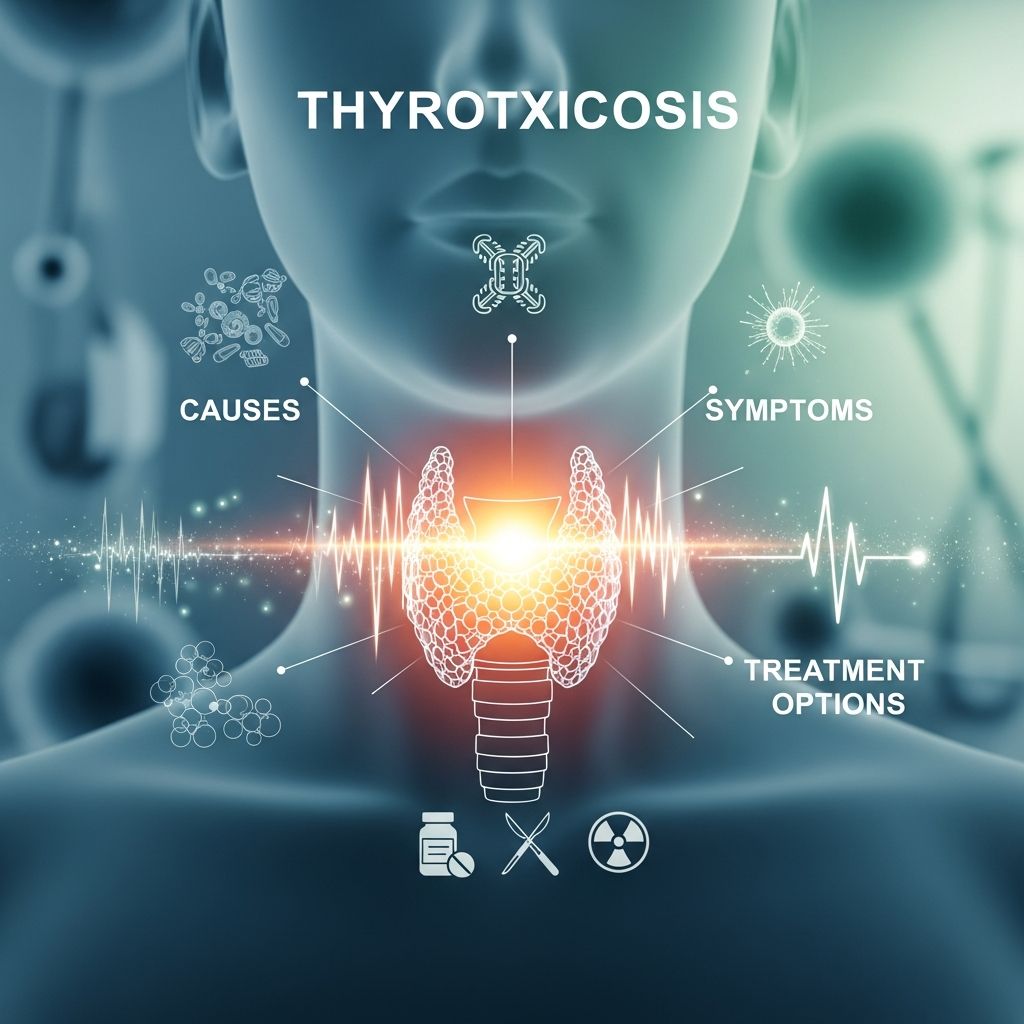
Understanding Thyrotoxicosis: A Comprehensive Guide
Thyrotoxicosis is a treatable medical condition characterized by an excess of thyroid hormones circulating in your bloodstream. This condition occurs when your body has too much thyroid hormone, leading to a range of symptoms that can significantly impact your quality of life. Understanding this condition is essential for recognizing symptoms early and seeking appropriate medical care. The good news is that with proper diagnosis and treatment, most people with thyrotoxicosis can manage their symptoms effectively and return to normal functioning.
What Is Thyrotoxicosis?
Thyrotoxicosis refers to the clinical and biochemical manifestations of excess thyroid hormone in the body. Unlike hyperthyroidism, which specifically refers to increased thyroid hormone production by the thyroid gland itself, thyrotoxicosis can result from various sources of excess thyroid hormone. This distinction is crucial because the underlying cause determines the most appropriate treatment approach. Thyrotoxicosis can develop suddenly or gradually, and the severity of symptoms varies from person to person depending on the cause and individual factors.
Common Causes of Thyrotoxicosis
Thyrotoxicosis can develop from multiple underlying causes, each requiring different treatment approaches. Understanding the cause is the first step toward effective management.
True Hyperthyroidism
True hyperthyroidism represents increased endogenous thyroid hormone production by the thyroid gland itself. Graves’ disease is the most common cause of true hyperthyroidism, accounting for the majority of cases. Other causes include toxic nodules (autonomously functioning thyroid nodules) and toxic multinodular goiter (where multiple nodules produce excess hormone). These conditions typically develop due to autoimmune dysfunction or degenerative thyroid changes.
Thyroiditis
Thyroiditis involves inflammation of the thyroid gland that causes preformed thyroid hormones to be released into the bloodstream. Unlike true hyperthyroidism, thyroiditis typically does not involve increased hormone synthesis. Common types include acute viral thyroiditis, postpartum thyroiditis, and silent thyroiditis. These conditions often resolve spontaneously as the inflammation subsides.
Exogenous Sources
Thyrotoxicosis can result from external sources of thyroid hormone, either through prescription medications or unintentional exposure. Taking too much levothyroxine or other thyroid hormone replacement therapy is a common cause. Accidental or surreptitious exposure to thyroid hormone from weight loss supplements, contaminated food products, or other nonprescription sources can also cause thyrotoxicosis. Identifying and eliminating the source is essential for resolving this form of thyrotoxicosis.
Recognizing the Symptoms
The symptoms of thyrotoxicosis develop as excess thyroid hormone accelerates your body’s metabolism. Symptoms vary in severity and may develop gradually or suddenly depending on the cause.
Primary Symptoms
- Unexplained weight loss despite normal or increased appetite
- Rapid or irregular heartbeat (palpitations)
- Excessive sweating and heat intolerance
- Tremors or shakiness, particularly in the hands
- Anxiety, nervousness, or irritability
- Fatigue and weakness
- Difficulty concentrating or brain fog
- Sleep disturbances and insomnia
- Muscle weakness and aches
- Goiter (enlarged thyroid gland visible in the neck)
- Eye problems in Graves’ disease cases
Diagnostic Testing and Assessment
Accurate diagnosis of thyrotoxicosis requires a combination of clinical evaluation and specialized testing. Your healthcare provider will perform a thorough history and physical examination, followed by specific diagnostic tests to confirm the diagnosis and determine the underlying cause.
Related Stories



Blood Tests
The primary diagnostic tool for thyrotoxicosis involves measuring thyroid hormones and thyroid-stimulating hormone (TSH) levels. These tests include free T4, free T3, total T4, total T3, and TSH. In thyrotoxicosis, TSH is typically suppressed (low) while thyroid hormones are elevated. Your provider may also test for thyroid antibodies to help determine if the cause is autoimmune, particularly for Graves’ disease.
Radioactive Iodine Uptake and Scan
This gold standard test helps distinguish true hyperthyroidism from other forms of thyrotoxicosis. The test measures the percentage of administered iodine-123 that the thyroid gland captures. High uptake indicates true hyperthyroidism where the thyroid is producing excess hormone, while low uptake suggests thyroiditis or exogenous sources where the excess hormone is not being synthesized by the gland. This distinction is critical for determining appropriate treatment.
Additional Testing
Your healthcare provider may order thyroid ultrasound to visualize the gland structure and identify nodules. In some cases, fine needle aspiration biopsy may be recommended to evaluate suspicious nodules. These imaging studies help confirm the diagnosis and assess thyroid anatomy.
Treatment Options for Thyrotoxicosis
Treatment depends entirely on the underlying cause of thyrotoxicosis. Your healthcare provider will recommend the most appropriate approach based on diagnostic findings.
Symptomatic Management
Regardless of the underlying cause, beta-blockers provide immediate symptomatic relief while awaiting definitive treatment. These medications effectively manage palpitations, tremors, anxiety, and other adrenergic symptoms without affecting thyroid hormone levels. Beta-blockers improve comfort during the diagnostic and treatment process, though they do not address the underlying thyroid condition.
For True Hyperthyroidism
True hyperthyroidism typically requires thyroid-directed therapy. Antithyroid medications such as methimazole and propylthiouracil (PTU) directly inhibit thyroid hormone synthesis by blocking the enzyme responsible for incorporating iodine into thyroid hormones. Methimazole is generally preferred due to less frequent dosing and fewer side effects, though PTU may be preferred in early pregnancy. These medications require regular monitoring with blood tests every 2-6 weeks initially, then every 8-12 weeks once stable.
Radioactive iodine ablation is another effective treatment option for true hyperthyroidism. This procedure uses radioactive iodine-131, which the thyroid gland selectively uptakes and uses to destroy thyroid tissue. Following radioactive iodine treatment, most patients develop hypothyroidism and require lifelong thyroid hormone replacement therapy.
Thyroidectomy (surgical removal of the thyroid gland) is a definitive treatment option for true hyperthyroidism. This procedure eliminates the source of excess hormone production and provides rapid resolution of symptoms. Like radioactive iodine treatment, thyroidectomy typically results in hypothyroidism requiring lifelong hormone replacement.
For Thyroiditis
Thyroiditis typically does not require thyroid-directed therapy, as the elevated hormone levels are from release of preformed hormone rather than increased synthesis. Management focuses on symptomatic relief with beta-blockers while the inflammation resolves naturally. Corticosteroids may be prescribed in some cases to reduce inflammation. Most patients recover spontaneously as the thyroid inflammation subsides over weeks to months.
For Exogenous Thyrotoxicosis
The primary treatment for exogenous thyrotoxicosis is eliminating the excess source of thyroid hormone. If caused by thyroid medication overdose, your provider will reduce the dose to the appropriate level. If caused by contaminated supplements or other non-prescription sources, discontinuing these products resolves the problem. Once the excess hormone clears your system, thyroid function returns to normal. Follow-up blood tests confirm that thyroid hormone levels have normalized.
Managing Thyrotoxicosis While Awaiting Specialist Care
Long wait times for endocrinology consultation are common, and patients may experience worsening symptoms during this period. Primary care physicians can take several important steps to manage thyrotoxicosis effectively in the interim. First, beta-blockers should be initiated promptly to provide symptomatic relief while diagnostic testing is underway. Second, radioactive iodine uptake and scan should be obtained to determine whether true hyperthyroidism is present. If high uptake is noted, indicating true hyperthyroidism, an antithyroid medication such as methimazole can be started to reduce thyroid hormone synthesis while awaiting endocrinology consultation. Regular blood work monitoring ensures that thyroid hormone levels are moving toward normal range. This proactive approach prevents patient suffering and ensures continuity of care even with delayed specialist appointments.
Living With Thyrotoxicosis
The prognosis for thyrotoxicosis is generally excellent with appropriate treatment. Multiple effective treatment options exist, each with distinct advantages and disadvantages. Working closely with your healthcare provider to develop a personalized treatment plan ensures the best possible outcome and quality of life. Most patients experience significant symptom improvement within weeks of starting appropriate treatment, and many achieve complete resolution of symptoms with proper management.
Prevention Strategies
While not all forms of thyrotoxicosis can be prevented, certain measures reduce the risk. If you take thyroid medication for hypothyroidism, take only the dose prescribed by your healthcare provider. Never self-adjust doses or take more medication than recommended, as excessive thyroid hormone replacement is a common cause of iatrogenic thyrotoxicosis. Store thyroid medications safely away from children and pets to prevent accidental ingestion. Be cautious with dietary supplements and weight loss products, reading labels carefully to ensure they do not contain thyroid hormone or related compounds.
Frequently Asked Questions About Thyrotoxicosis
Q: How quickly do symptoms of thyrotoxicosis develop?
A: Symptoms can develop suddenly or gradually depending on the underlying cause. Thyroiditis may cause rapid onset of severe symptoms, while Graves’ disease typically develops more gradually over weeks or months. The rate of symptom progression varies significantly among individuals.
Q: Can thyrotoxicosis go away on its own?
A: Some forms can resolve spontaneously. Thyroiditis typically resolves as inflammation subsides, and exogenous thyrotoxicosis resolves once the external hormone source is eliminated. True hyperthyroidism (Graves’ disease, toxic nodules) typically requires treatment and does not resolve spontaneously.
Q: What is thyroid storm and how serious is it?
A: Thyroid storm is a life-threatening emergency representing severe, uncontrolled thyrotoxicosis. Symptoms include extremely high fever, severe tachycardia, altered mental status, and shock. This condition requires immediate hospitalization and intensive medical management. Thyroid storm is rare with modern treatment but represents a medical emergency.
Q: How often do I need blood tests to monitor thyrotoxicosis treatment?
A: During the initial treatment phase, blood tests are typically performed every 2-6 weeks to monitor response to therapy and adjust medication doses. Once thyroid hormone levels stabilize in the normal range, monitoring intervals extend to every 8-12 weeks. Long-term follow-up frequency depends on the specific treatment chosen and individual circumstances.
Q: Will I need lifelong treatment for thyrotoxicosis?
A: This depends on the underlying cause and treatment chosen. Thyroiditis typically resolves completely with no ongoing treatment needed. Antithyroid medication may achieve remission in some Graves’ disease patients, allowing discontinuation. Radioactive iodine and thyroidectomy result in permanent hypothyroidism requiring lifelong hormone replacement. Your endocrinologist will discuss long-term treatment expectations with you.
Q: Can pregnancy affect thyrotoxicosis or its treatment?
A: Pregnancy significantly impacts thyrotoxicosis management. Antithyroid medication choice changes, with PTU generally preferred over methimazole in the first trimester due to lower risk of fetal abnormalities. Graves’ disease may improve during pregnancy but can flare postpartum. Radioactive iodine is absolutely contraindicated in pregnancy. Thyroid hormone levels require more frequent monitoring during pregnancy to protect both mother and fetus.
Q: What complications can occur if thyrotoxicosis is left untreated?
A: Untreated thyrotoxicosis can lead to serious complications including atrial fibrillation with stroke risk, heart failure, osteoporosis from bone loss, eye disease progression in Graves’ disease, and thyroid storm in severe cases. These complications highlight the importance of timely diagnosis and treatment.
References
- Managing patients with thyrotoxicosis until endocrinology consultation — Cleveland Clinic Journal of Medicine. 2023. https://www.ccjm.org/content/91/12/727
- Thyrotoxicosis: What It Is, Causes, Symptoms & Treatment — Cleveland Clinic. 2024. https://my.clevelandclinic.org/health/diseases/21741-thyrotoxicosis
- Hyperthyroidism (Overactive Thyroid): Symptoms & Treatment — Cleveland Clinic. 2024. https://my.clevelandclinic.org/health/diseases/14129-hyperthyroidism
- Thyroid Treatment Guide — Cleveland Clinic Endocrinology & Metabolism Institute. 2024. https://pages.clevelandclinic.org/thyroid-index-3.html
- Thyroid Disorders: A Cleveland Clinic Guide — Skugor, Mario. 2006. Cleveland Clinic Publications.
- Radioactive Iodine Uptake and Thyroid Scintigraphy in Clinical Practice — American Thyroid Association. 2016. https://www.thyroid.org
Similar Articles








Read full bio of medha deb