Tiagabine For Epilepsy: Comprehensive Guide To Gabitril
Complete guide to tiagabine (Gabitril) for epilepsy treatment and seizure management.
Tiagabine for Epilepsy: A Comprehensive Guide to Gabitril
Tiagabine, marketed under the brand name Gabitril, is an important antiepileptic medication used to help control seizures in people with epilepsy. This guide provides detailed information about how tiagabine works, its uses, dosage recommendations, potential side effects, and important safety considerations for patients and their healthcare providers.
What is Tiagabine?
Tiagabine is an anticonvulsant medication that belongs to a class of drugs designed to prevent and control seizures in individuals with epilepsy. The medication is approved by the Food and Drug Administration (FDA) as an adjunctive (add-on) therapy, meaning it is typically used alongside other antiepileptic drugs rather than as a standalone treatment. Tiagabine is particularly valuable for patients whose seizures are not adequately controlled by standard antiepileptic medications alone.
How Does Tiagabine Work?
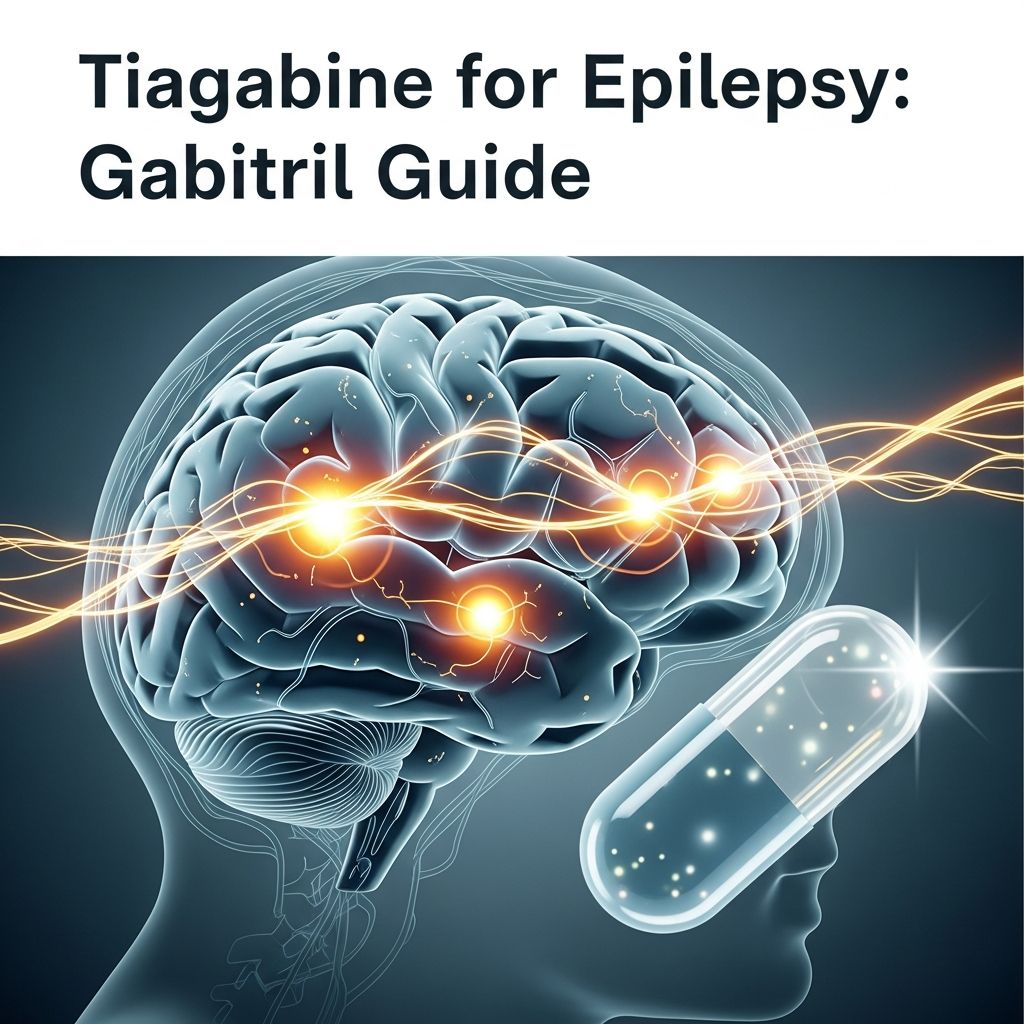
The mechanism of action for tiagabine involves enhancing the activity of gamma-aminobutyric acid (GABA), the major inhibitory neurotransmitter in the central nervous system. Tiagabine works by inhibiting the reuptake of GABA, which increases the availability of this neurotransmitter in the spaces between nerve cells. By increasing GABA levels in the brain, tiagabine helps calm overactive nerve signals that would otherwise trigger seizures.
During normal brain function, nerve cells must fire at a controlled rate to maintain proper functioning. During a seizure, these brain cells are forced to fire much more rapidly than normal. Tiagabine helps prevent brain cells from reaching the excessive firing rates required for seizures to occur, effectively stopping seizures before they can fully develop. This action on GABA activity reduces the overall excitability of the brain’s cortex, making seizures less likely to occur.
Medical Uses of Tiagabine
Tiagabine is primarily indicated for the treatment of partial seizures (also called focal seizures) in individuals with epilepsy. The drug has demonstrated effectiveness in both monotherapy situations and when used in combination with other antiepileptic medications. Key medical applications include:
- Partial seizure control: Tiagabine is FDA-approved as adjunctive therapy for partial seizures in adults and children 12 years of age and older
- Drug-resistant epilepsy: Clinical evidence shows tiagabine is effective in reducing seizure frequency in people whose seizures are not adequately controlled by standard medications alone
- Add-on therapy: Studies demonstrate that tiagabine works effectively when added to existing antiepileptic drug regimens
Effectiveness of Tiagabine
Clinical research has demonstrated the effectiveness of tiagabine in reducing seizure frequency. In controlled trials comparing tiagabine to placebo, tiagabine showed approximately three times greater effectiveness at reducing the number of seizures in people with drug-resistant focal epilepsy. The primary outcome measure in clinical studies was a 50% or greater reduction in seizure frequency during the treatment period compared to baseline measurements before treatment began.
When used as an add-on treatment in patients whose seizures were not controlled by other medications, tiagabine proved to be a valuable option for seizure management. However, this effectiveness comes with an increase in certain side effects that must be carefully monitored and managed.
Related Stories



Dosage and Administration
Tiagabine is available in tablet form in several strengths: 2 mg, 4 mg, 12 mg, and 16 mg. The appropriate dosage of tiagabine varies depending on several factors, including the patient’s age, weight, liver function, and whether they are taking enzyme-inducing antiepileptic drugs.
An important consideration for tiagabine dosing is that virtually all clinical experience with this medication has been obtained in patients already taking at least one enzyme-inducing antiepileptic drug, which lowers plasma levels of tiagabine. Patients who are not taking enzyme-inducing drugs may require lower doses of tiagabine and typically need slower titration schedules when starting the medication.
Your healthcare provider will determine the appropriate starting dose and titration schedule based on your individual clinical situation. It is essential to follow your doctor’s dosing instructions carefully and not adjust your dose without medical guidance. Tiagabine should be taken by mouth as directed, typically with food to optimize absorption and minimize gastrointestinal upset.
Side Effects of Tiagabine
Like all medications, tiagabine can cause side effects, though not everyone experiences them. Understanding potential side effects helps patients recognize when they should contact their healthcare provider.
Common Side Effects
The most frequently reported side effects of tiagabine include:
- Dizziness: One of the most common side effects, which may affect balance and coordination
- Drowsiness: Sedation or excessive tiredness is frequently reported by patients taking tiagabine
- Tremor: Fine shaking or trembling, often noticeable in the hands
- Difficulty concentrating: Problems with attention, focus, and mental clarity
- Nausea: Gastrointestinal discomfort affecting appetite and comfort
Other Possible Side Effects
Additional side effects that may occur with tiagabine use include anxiety, nervousness, confusion, emotional instability, and mood changes. Some patients experience weakness, abdominal pain, or infection. Vision problems, including blurred vision or diplopia (double vision), have also been reported. Speech or language problems may develop in some patients.
Serious Side Effects
While less common, serious side effects require immediate medical attention. These include severe allergic reactions, unusual bruising or bleeding, severe skin reactions, and mood or behavioral changes including depression, anxiety, or suicidal thoughts. Seizure exacerbation or status epilepticus (prolonged, continuous seizures) has been rarely reported. Any signs of severe adverse effects should be reported to your healthcare provider immediately.
Managing Side Effects
Many side effects of tiagabine are dose-related and may improve as your body adjusts to the medication. Taking tiagabine with food may help reduce gastrointestinal side effects. Dizziness and drowsiness may decrease over time, and your doctor may adjust your dose if side effects are problematic. Avoiding alcohol and other central nervous system depressants can help minimize drowsiness and cognitive effects. If side effects persist or become intolerable, discuss them with your healthcare provider rather than stopping the medication abruptly, as this could trigger breakthrough seizures.
Important Precautions and Contraindications
Before starting tiagabine, inform your healthcare provider about your complete medical history, including any liver disease, kidney problems, or previous hypersensitivity reactions to tiagabine or other medications. Tiagabine should not be abruptly discontinued, as this can lead to increased seizure frequency and status epilepticus.
Patients with hepatic impairment may require dose adjustments due to tiagabine’s hepatic metabolism. Women of childbearing potential should discuss pregnancy planning with their healthcare provider, as tiagabine crosses the placental barrier and may pose risks to the developing fetus. The medication is excreted in breast milk, so breastfeeding mothers should consult with their physician about the risks and benefits of continuing tiagabine.
Drug Interactions
Tiagabine can interact with other medications, particularly other antiepileptic drugs and central nervous system depressants. Enzyme-inducing antiepileptic drugs significantly affect tiagabine plasma levels, which is why dosing must be carefully adjusted. Alcohol consumption should be avoided or minimized, as it increases the risk of dizziness, drowsiness, and impaired cognitive function. Other sedating medications may have additive effects when combined with tiagabine.
Always inform your healthcare provider and pharmacist about all medications, supplements, and herbal products you are taking before starting tiagabine. Your pharmacist can review your medication list for potential interactions and provide guidance on safe administration.
Pharmacokinetics and Bioavailability
Tiagabine demonstrates good bioavailability when taken orally. The medication displays linear pharmacokinetics, meaning that the drug concentration in the blood increases proportionally with the dose. Maximum serum concentrations of tiagabine are achieved within approximately two hours after dosing, with over 95% of the drug reaching peak levels at this time. This relatively rapid absorption allows for consistent and predictable medication levels in the bloodstream.
Who Can Take Tiagabine?
Tiagabine is FDA-approved for use in adults and children 12 years of age and older with partial seizures. The medication is not recommended for children under 12 years old, as safety and efficacy have not been adequately established in this age group. Pregnant women should discuss the risks and benefits of tiagabine with their healthcare provider, as animal studies have suggested potential fetal harm. Elderly patients may be more sensitive to the effects of tiagabine and may require dose adjustments.
Comparison with Other Antiepileptic Drugs
Tiagabine is one of several newer-generation antiepileptic drugs available for treating partial seizures. When compared to other add-on antiepileptic medications, tiagabine has shown comparable effectiveness in clinical trials. Research comparing tiagabine to topiramate showed no significant differences in effectiveness as add-on therapies, though evidence from direct comparison studies remains limited. The choice between tiagabine and other antiepileptic drugs depends on individual patient factors, including seizure type, comorbidities, other medications, side effect tolerance, and lifestyle considerations.
Special Considerations
Liver Function
Tiagabine undergoes hepatic metabolism, making liver function critically important for safe use. Patients with impaired liver function require lower doses and more careful monitoring. Baseline liver function tests may be recommended before starting tiagabine.
Seizure Exacerbation
In rare cases, tiagabine has been associated with seizure exacerbation or worsening of seizure control. This risk emphasizes the importance of proper dosing, regular monitoring, and not abruptly stopping the medication without medical guidance.
Driving and Operating Machinery
Due to potential dizziness, drowsiness, and impaired concentration, patients should exercise caution when driving or operating dangerous machinery until they understand how tiagabine affects them individually.
Frequently Asked Questions
Q: How long does it take for tiagabine to work?
A: Tiagabine reaches peak blood levels within about two hours of taking a dose. However, it may take several weeks of consistent use at therapeutic doses for optimal seizure control to be achieved. Your healthcare provider will monitor your response and adjust doses accordingly.
Q: Can tiagabine be used as a single medication?
A: While tiagabine is effective as monotherapy in some patients, it is primarily approved and used as an adjunctive (add-on) medication combined with other antiepileptic drugs. Your doctor will determine whether monotherapy is appropriate for your specific situation.
Q: What should I do if I miss a dose?
A: If you miss a dose, take it as soon as you remember unless it is nearly time for your next dose. Do not double-dose to make up for a missed dose. Taking extra medication can increase the risk of side effects.
Q: Is tiagabine safe during pregnancy?
A: Tiagabine crosses the placental barrier and may pose risks to the developing fetus. Women of childbearing age should discuss pregnancy planning with their healthcare provider before starting tiagabine. The decision to use tiagabine during pregnancy must weigh the risks of continued seizures against the potential risks of the medication.
Q: Can I stop taking tiagabine suddenly?
A: No, you should never stop tiagabine abruptly without medical guidance. Sudden discontinuation can trigger breakthrough seizures, status epilepticus, or other serious complications. Your healthcare provider will provide instructions for gradually reducing your dose if discontinuation is necessary.
Q: What is the difference between tiagabine and other newer antiepileptic drugs?
A: Tiagabine works specifically by inhibiting GABA reuptake, while other newer antiepileptic drugs use different mechanisms such as sodium channel blocking or other neurochemical targets. Your doctor will select the most appropriate medication based on your seizure type and individual medical circumstances.
Q: Does alcohol interact with tiagabine?
A: Yes, alcohol should be avoided or minimized when taking tiagabine. Alcohol can increase side effects such as dizziness, drowsiness, and impaired cognitive function, and may reduce the effectiveness of seizure control.
Q: Are there any tests needed while taking tiagabine?
A: Your healthcare provider may recommend periodic monitoring, including assessment of seizure frequency, side effects, and possibly liver function tests, particularly in patients with pre-existing liver disease or when taking other medications that affect liver function.
References
- Tiagabine add-on therapy for drug-resistant focal epilepsy — PubMed Central, National Center for Biotechnology Information. 2020. https://pmc.ncbi.nlm.nih.gov/articles/PMC6953346/
- GABITRIL (tiagabine hydrochloride) Tablets Prescribing Information — U.S. Food and Drug Administration. 2009. https://www.accessdata.fda.gov/drugsatfda_docs/label/2009/020646s016lbl.pdf
- Tiagabine — DrugBank. University of Alberta. https://go.drugbank.com/drugs/DB00906
- Tiagabine Hydrochloride — Epilepsy Foundation. https://www.epilepsy.com/tools-resources/seizure-medication-list/tiagabine-hydrochloride
- Tiagabine — LiverTox, National Institutes of Health. https://www.ncbi.nlm.nih.gov/books/NBK548376/
Similar Articles








Read full bio of Sneha Tete