Tiaprofenic Acid for Pain and Inflammation (Surgam)
Comprehensive guide to tiaprofenic acid (Surgam®): uses, dosage, side effects, and precautions for effective pain relief.

Tiaprofenic acid is used to ease pain and reduce inflammation in rheumatic conditions, and also to treat painful conditions such as sprains and strains.
About tiaprofenic acid
| Type of medicine | A non-steroidal anti-inflammatory drug (NSAID) |
|---|---|
| Used for | Relief of pain and inflammation in adults |
| Also called | Surgam® |
| Available as | Tablets |
Anti-inflammatory painkillers like
tiaprofenic acid
are sometimes called non-steroidal anti-inflammatory drugs (NSAIDs), or just ‘anti-inflammatories’. Tiaprofenic acid is used to ease pain and reduce inflammation in rheumatic conditions, and also to treat painful conditions such as sprains and strains, and other muscle or joint injuries. It belongs to the arylpropionic acid (profen) class of NSAIDs and is particularly advocated for rheumatoid arthritis, osteoarthritis, musculoskeletal disorders, soft-tissue injuries, and acute pain.Tiaprofenic acid works by blocking the effect of chemicals in your body, called cyclo-oxygenase (COX) enzymes. These enzymes help to make other chemicals in the body, called prostaglandins. Some prostaglandins are produced at sites of injury or damage, and cause pain and inflammation. By blocking the effect of COX enzymes, fewer prostaglandins are produced, which means pain and inflammation are eased.
Clinical studies indicate that tiaprofenic acid at 600 mg daily (in 2 or 3 divided doses) is comparable in effectiveness to other NSAIDs like aspirin, diclofenac, ibuprofen, indomethacin, naproxen, piroxicam, and sulindac for rheumatoid arthritis and osteoarthritis. For acute postoperative or posttraumatic pain, it outperforms placebo and matches aspirin and indomethacin.
Key facts
- Tiaprofenic acid is a prescription NSAID primarily for adults; not recommended for children.
- Typical dose: 300 mg twice daily after meals.
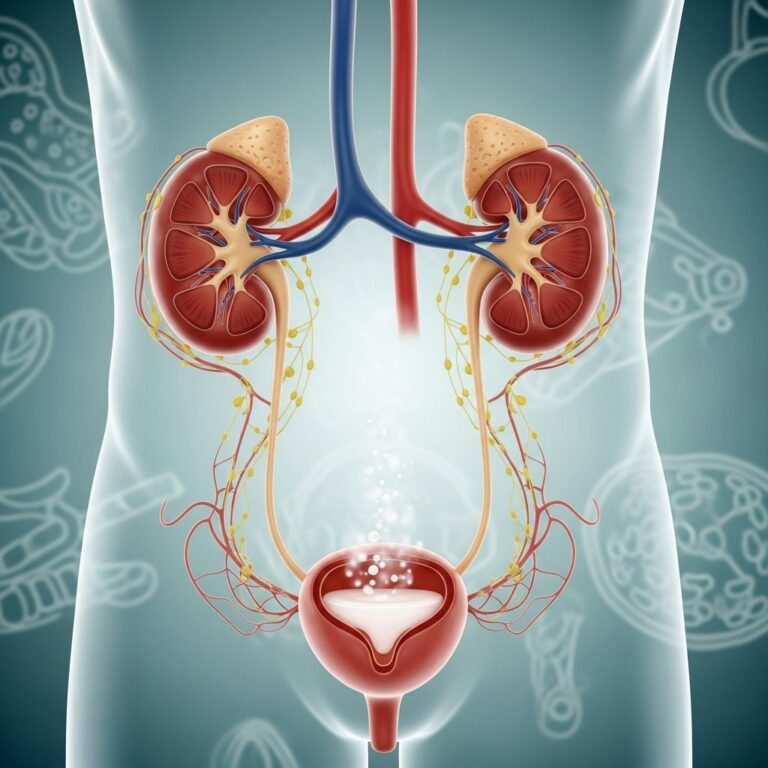
- Long-term use linked to severe cystitis, up to 100 times more common than other NSAIDs; contraindicated in cystitis or UTIs.
- Mostly excreted unchanged in urine; use cautiously in renal impairment.
- Patented in 1969, approved in 1981; available as generics and sustained-release forms.
Before taking tiaprofenic acid
To make sure this is the right medicine for you, before taking tiaprofenic acid your doctor will need to know if you have any of the following:
- If you have asthma or any other allergic disorder.
- If you have ever had a stomach or duodenal ulcer, or if you have an inflammatory bowel disorder such as Crohn’s disease or ulcerative colitis.
- If you are pregnant, trying for a baby, or breastfeeding.
- If you have any problems with your liver, kidneys, or prostate gland.
- If you have a heart condition, or a problem with your blood vessels or circulation.
- If you have high blood pressure.
- If you have ever had blood clotting problems.
- If you have a connective tissue disorder, such as systemic lupus erythematosus (an inflammatory condition also called lupus, or SLE).
- If you are taking any other medicines. This includes any medicines you are taking which are available to buy without a prescription, as well as herbal and complementary medicines.
Additionally, inform your doctor of any history of heart attack, stroke, or cardiovascular risks, as NSAIDs like tiaprofenic acid may increase these. Blood tests may be needed to monitor white blood cells, red blood cells, and platelets.
How and when to take tiaprofenic acid
Take one
300 mg tablet twice each day
, after a meal or snack. Swallow the tablet whole with a drink of water. Treatment duration for muscle/joint injuries is typically 1-2 weeks; longer for rheumatic conditions.If you forget to take tiaprofenic acid
If you forget to take a dose, take it as soon as you remember. If when you remember, it is nearly time for your next dose then take your next dose when it is due but leave out the missed dose. Do not take two tablets together to make up for a forgotten dose.
Related Stories



Common questions
How long does tiaprofenic acid take to work?
Tiaprofenic acid will start to work on your symptoms quickly, but it may take up to two weeks to take full effect. If you do not feel it is working after this time, speak with your doctor.
Can I take tiaprofenic acid for a long time?
Usually, for rheumatic conditions, treatment lasts for several months. Your doctor may test your kidneys or ask for a urine sample before and during your treatment.
Side-effects
Along with their useful effects, most medicines can cause unwanted side-effects although not everyone experiences them. The table below contains some of the most common ones associated with tiaprofenic acid.
| Common side-effects | What can I do if I experience this? |
|---|---|
| Feeling dizzy or sleepy | Do not drive and do not use tools or machines while affected |
| Constipation or diarrhoea | Drink plenty of water |
| Headache | Drink plenty of water and let your doctor know if headaches continue or happen regularly |
Important: if you experience any of the following less common but more serious symptoms, stop taking tiaprofenic acid and contact your doctor for advice straightaway:
- Any problems when passing urine (such as pain, an increased need to pass urine urgently, or any blood in your urine) – due to risk of cystitis.
- Any breathing difficulties such as wheeze or breathlessness.
- Any signs of an allergic reaction such as swelling around your mouth or face, or a severe itchy skin rash.
- You pass blood or black stools, bring up (vomit) blood, or have severe tummy (abdominal) pains.
- Signs of infection (fever, chills, sore throat), unusual bleeding/bruising, or intestinal blockage symptoms.
Tiaprofenic acid generally shows similar short-term tolerability to other NSAIDs, though fewer side effects than aspirin in RA and indomethacin in OA. Long-term use heightens cystitis risk.
How to cope with side effects of tiaprofenic acid
Most side effects are mild and pass quickly. Strategies include staying hydrated for headaches/diarrhea, avoiding driving if dizzy, and monitoring urine symptoms closely.
Precautions and warnings
- Avoid if active cystitis, UTI, or history thereof.
- May increase heart attack/stroke risk; use lowest dose shortest time.
- Monitor blood counts; risk of neutropenia, anemia, thrombocytopenia.
- Not for use in severe renal/hepatic impairment without caution.
- Potential drug interactions; consult doctor/pharmacist.
Frequently Asked Questions (FAQs)
Q: What conditions does tiaprofenic acid treat?
A: Primarily rheumatoid arthritis, osteoarthritis, sprains, strains, musculoskeletal disorders, and acute pain.
Q: Is tiaprofenic acid safe for long-term use?
A: Possible for rheumatic conditions under monitoring, but high cystitis risk limits it; regular kidney/urine checks needed.
Q: What is the dosage for tiaprofenic acid?
A: 300 mg twice daily after food, totaling 600 mg/day; adjust per doctor.
Q: Does tiaprofenic acid cause urinary problems?
A: Yes, severe cystitis is a known risk, far higher than other NSAIDs; stop and seek advice if urinary symptoms occur.
Q: Can I take tiaprofenic acid with other medications?
A: Inform your doctor of all meds; interactions possible with other NSAIDs, blood thinners, etc.
Q: Is tiaprofenic acid available over-the-counter?
A: No, prescription-only.
Tiaprofenic acid offers effective relief comparable to established NSAIDs but requires vigilant monitoring due to specific risks like urinary tract issues. Always consult healthcare professionals for personalized advice.
References
- Tiaprofenic acid. A review of its pharmacological properties and therapeutic efficacy — Brogden RN, Pakes GE, et al. Drugs. 1985-01-01. https://pubmed.ncbi.nlm.nih.gov/3886353/
- Tiaprofenic acid for pain and inflammation (Surgam Tablets) — Patient.info. Accessed 2026. https://patient.info/medicine/tiaprofenic-acid-for-pain-and-inflammation-surgam
- Tiaprofenic acid — Memorial Sloan Kettering Cancer Center. Accessed 2026. https://www.mskcc.org/cancer-care/patient-education/medications/adult/tiaprofenic-acid
- Tiaprofenic acid – Wikipedia — Wikipedia (primary sources referenced). Accessed 2026. https://en.wikipedia.org/wiki/Tiaprofenic_acid
- Teva-Tiaprofenic Factsheet — Rexall. Accessed 2026. https://www.rexall.ca/article/drug/view/id/302
Similar Articles








Read full bio of Sneha Tete