Tibia and Fibula Fractures: Causes, Symptoms, Treatment, and Recovery
Comprehensive guide to understanding tibia and fibula fractures, their symptoms, treatments, and rehabilitation for full recovery.
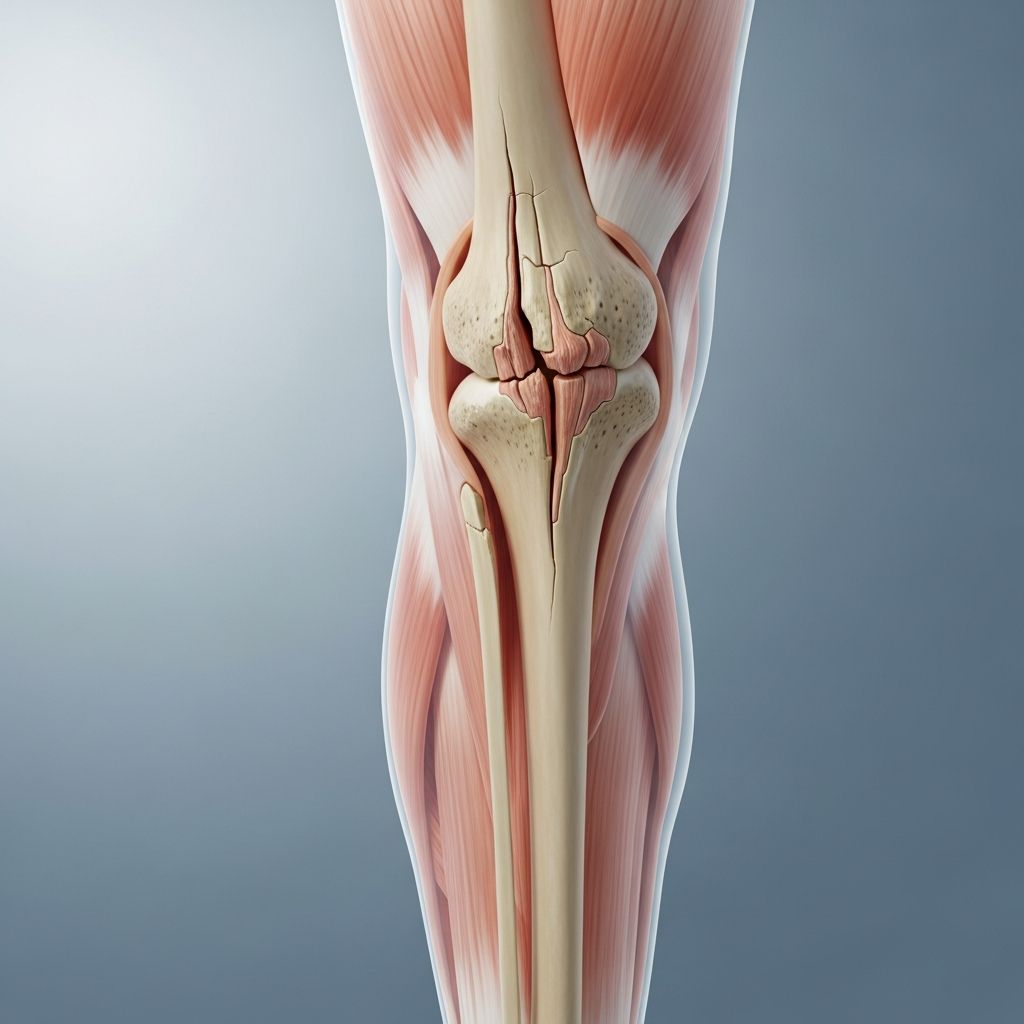
Overview of Tibia and Fibula Fractures
Tibia and fibula fractures involve breaks in the two long bones of the lower leg. The tibia, or shinbone, is the primary weight-bearing bone, while the fibula supports and stabilizes the leg. These fractures typically result from trauma such as falls, automobile accidents, or sports injuries. Prompt diagnosis and treatment are essential to ensure proper healing and regain mobility.
Causes and Mechanism of Injury
Common causes of tibia and fibula fractures include:
- High-impact trauma such as car crashes or falls
- Sports-related injuries involving running, jumping, or sudden directional changes
- Direct blows to the lower leg
- Repetitive stress causing stress fractures, especially in athletes
The fibula is less weight-bearing but still critical for leg stability. Given the tibia’s role, fractures here often significantly impair walking and require urgent care.
Signs and Symptoms
Symptoms commonly indicate the severity and nature of the fracture and include:
- Severe pain: Sharp, persistent pain especially when bearing weight or moving the leg.
- Swelling and bruising: Inflammation and skin discoloration (bluish or purple hues) around the fracture site.
- Visible deformity: Abnormal leg shape or deformity, particularly with displaced fractures.
- Difficulty walking or moving: Inability or severe pain when trying to move the leg or stand.
- Tenderness to touch: Sensitivity and discomfort upon pressure on the fractured area.
- Audible crackling or grinding: Occasionally, a crackling sound is heard during leg movement, indicating bone fragments rubbing.
- Numbness or tingling: Possible nerve involvement causing numbness in the foot or toes.
Types of Tibia and Fibula Fractures
Fractures can vary based on the bone break pattern and displacement:
- Closed (simple) fractures: The bone breaks but the skin remains intact.
- Open (compound) fractures: The bone protrudes through the skin, increasing infection risk.
- Stress fractures: Small cracks caused by repetitive force, common in athletes.
- Displaced fractures: Bone fragments are misaligned.
- Non-displaced fractures: Bone cracks but remains properly aligned.
Diagnosis
Diagnosis is confirmed by:
- Physical examination: Examining the leg for deformity, swelling, and pain response.
- Imaging tests: X-rays are standard to visualize the bone break and alignment. Sometimes CT scans or MRI may be used for detailed assessment, especially in complex cases or soft tissue involvement.
- Assessment of circulation and nerve function: To check for numbness, tingling, or compromised blood flow.
Treatment Options
Treatment depends on the fracture type, location, displacement, and associated injuries. The main goals are to realign the bones, stabilize the leg, relieve pain, and restore function.
Non-Surgical Treatment
- Immobilization: Using splints, casts, or orthopedic boots to keep the leg stable during healing in nondisplaced or minimally displaced fractures.
- Closed reduction: For displaced fractures not requiring surgery—bones are realigned manually under anesthesia using imaging guidance.
- Rest and elevation: To reduce swelling and promote healing.
- Pain management: Medication to control discomfort during recovery.
Surgical Treatment
More severe, displaced, or open fractures often require surgery:
- Internal fixation: Insertion of metal plates, screws, or rods to hold bone fragments in place.
- External fixation: Temporary stabilization devices applied outside the body, especially with severe soft tissue damage or infection risk.
- Debridement and infection prevention: Especially crucial in open fractures.
Related Stories



Rehabilitation and Recovery
Recovery involves gradual restoration of motion, strength, and function:
- Physical therapy: Exercises to improve range of motion, muscle strength, and balance once immobilization ends.
- Weight bearing: Gradual reintroduction to putting weight on the leg as guided by the medical team.
- Pain and swelling control: Continued use of ice, elevation, and medications as needed.
- Monitoring healing: Regular follow-ups with imaging to ensure proper bone union.
The full recovery period depends on fracture severity and patient health but can range from several weeks to months.
Potential Complications
- Infection: Particularly in open fractures or post-surgical sites.
- Malunion or nonunion: Bones healing improperly or failing to heal, which may require additional surgery.
- Nerve or blood vessel damage: Leading to numbness, tingling, or circulation issues.
- Chronic pain or stiffness: Long-term discomfort or limited joint motion.
- Compartment syndrome: Increased pressure within leg muscles that can damage tissues.
Prevention Tips
- Wear appropriate protective gear during sports and high-risk activities.
- Practice proper safety measures at work and during physical activities.
- Maintain bone health with adequate nutrition and exercise.
- Manage underlying health conditions that weaken bones, such as osteoporosis.
Frequently Asked Questions (FAQs)
Q: How long does it take for a tibia and fibula fracture to heal?
A: Healing time varies with fracture severity but typically ranges from 3 to 6 months. Some cases may require longer, especially if surgery was involved.
Q: Will I be able to walk normally after a tibia and fibula fracture?
A: With proper treatment and rehabilitation, most patients regain normal or near-normal walking ability. Early physical therapy is key.
Q: Are there any risks of permanent disability?
A: Complications like improper healing or nerve damage can cause long-term issues. Timely treatment and monitoring reduce this risk.
Q: What are signs to watch for during recovery indicating complications?
A: Persistent severe pain, swelling, numbness, inability to move toes, or signs of infection like redness and discharge should prompt immediate medical attention.
Q: Can I prevent fractures in the tibia and fibula?
A: While not all injuries can be prevented, protective equipment, proper training techniques, and bone health maintenance can reduce risk.
References
- Tibia and Fibula Fractures — Johns Hopkins Medicine. 2024-04-20. http://www.hopkinsmedicine.org/health/conditions-and-diseases/tibia-and-fibula-fractures
- Tibia and Fibula Fracture: Identification, Treatment and Recovery — Elgeadi Traumatology. 2024-01-15. https://elgeaditraumatologia.com/en/tibia-fibula-fracture-identification-treatment-recovery/
- Broken Tibia and Fibula: Treatment and Recovery — Ventura Orthopedics. 2024-06-10. https://venturaortho.com/broken-tibia-and-fibula/
- Fibula fracture: Symptoms, treatment, and recovery — Medical News Today. 2023-12-02. https://www.medicalnewstoday.com/articles/315565
- Fractures of the Tibia Treatment — Paul Re, MD, Concord, MA Orthopedic Surgeon. 2023-11-29. https://www.paulremd.com/fractures-of-tibia-orthopedic-surgeon-concord-ma.html
Similar Articles








Read full bio of medha deb