Tick Bite-Induced Red Meat Allergy: 7 Essential Facts For 2025
Discover how a simple tick bite can trigger a lifelong allergy to red meat, known as alpha-gal syndrome, and learn essential prevention strategies.
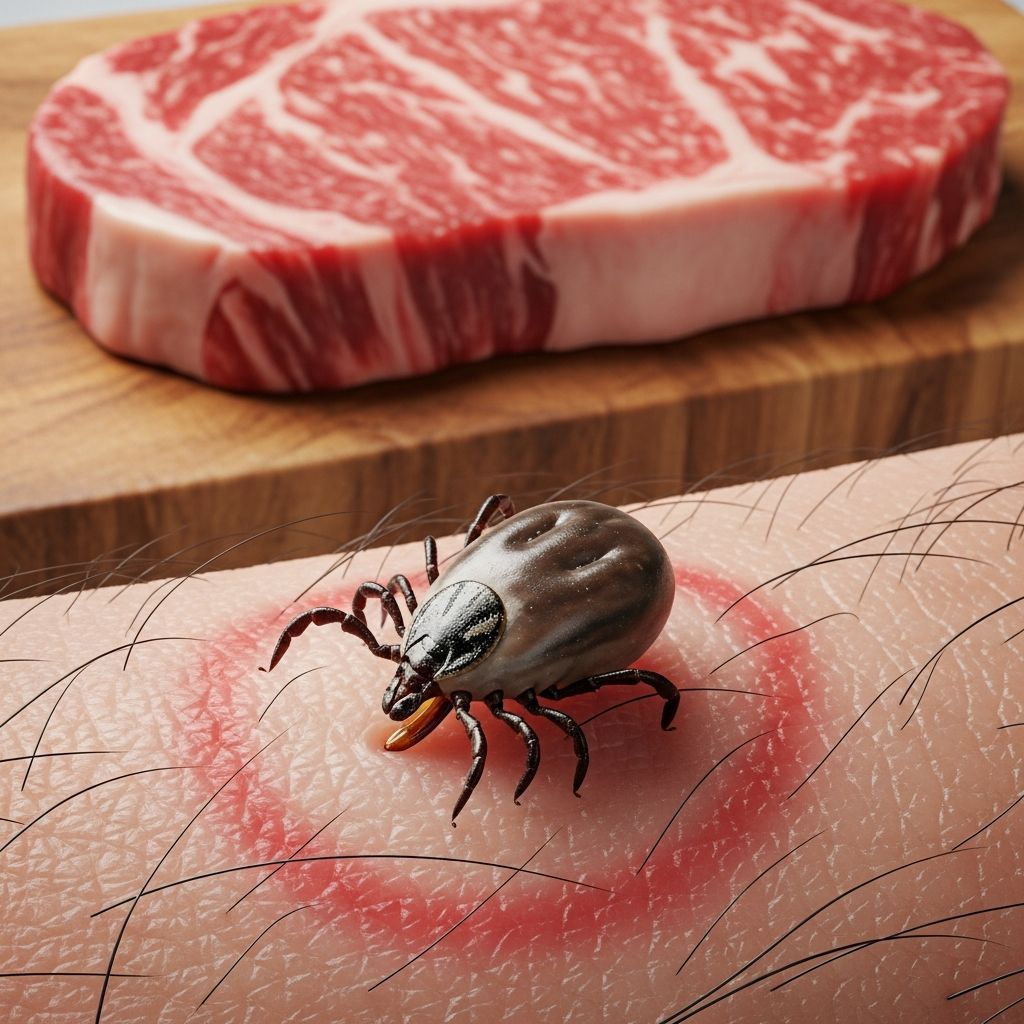
Tick bite-induced red meat allergy, also known as alpha-gal syndrome (AGS), is an emerging allergic condition where a tick bite sensitizes the immune system to galactose-alpha-1,3-galactose (alpha-gal), a carbohydrate found in mammalian meats like beef, pork, and lamb. This leads to delayed allergic reactions upon consumption of red meat products. Unlike typical food allergies that occur within minutes, symptoms in AGS appear 3-6 hours after ingestion, often catching patients off guard.
What is the cause of tick bite-induced red meat allergy?
The primary culprit is the
lone star tick
(Amblyomma americanum), prevalent in the southeastern and midwestern United States, though similar syndromes occur worldwide due to other ticks like Ixodes ricinus in Europe or Amblyomma sculptum in South America. When these ticks bite, they inject saliva containing alpha-gal, a sugar molecule absent in humans but present in most non-primate mammals. This exposure prompts the production of IgE antibodies specific to alpha-gal, priming the body for future reactions.Not everyone bitten develops AGS; factors include the tick’s engorgement level, as alpha-gal concentrations in salivary glands increase during feeding on human blood, and repeated bites heighten risk. Research shows variability in alpha-gal levels among ticks and regions, explaining inconsistent sensitization. Globally, cases link to local tick species, with rising reports in Australia, Europe, and Asia.
Who is at risk of tick bite-induced red meat allergy?
Individuals in tick-endemic areas face highest risk, particularly those engaging in outdoor activities like hiking, camping, or hunting. In the US, the lone star tick’s range is expanding northward and westward due to climate change and deer populations, increasing exposure. Children, adults, and the elderly can be affected, though repeated bites—common in rural or forested regions—amplify chances.
People with occupational exposure, such as farmers, landscapers, or veterinarians, are vulnerable. Sensitization can occur after one bite but often requires multiple, and symptoms may not manifest for months or years of red meat consumption post-bite. Awareness is growing, with CDC estimating hundreds of thousands of annual US cases, though underdiagnosis persists due to delayed symptoms.
What are the clinical features of tick bite-induced red meat allergy?
Symptoms emerge
3-6 hours
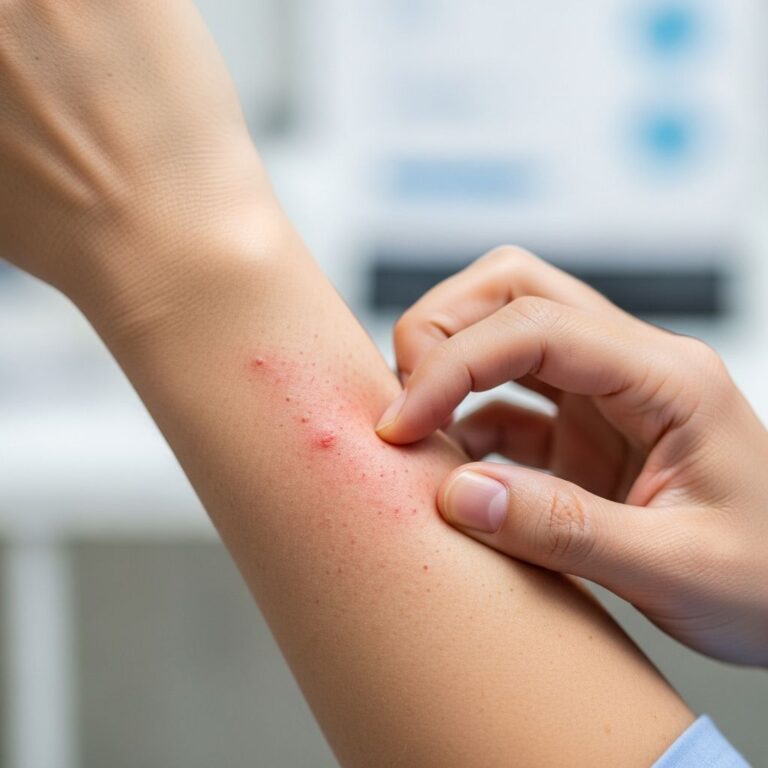
after eating mammalian meat or products containing alpha-gal (e.g., gelatin, dairy derivatives), distinguishing AGS from immediate allergies. Common manifestations include:- Gastrointestinal distress: Nausea, vomiting, abdominal pain, cramping, diarrhea—these may be the only signs in some patients.
- Cutaneous reactions: Hives, itching, angioedema (swelling of lips, eyelids, tongue).
- Respiratory issues: Shortness of breath, wheezing.
- Severe cases: Anaphylaxis with hypotension, dizziness, throat swelling, potentially life-threatening; up to 60% of patients experience this.
Reactions vary per episode and individual; one meal might cause mild GI upset, another severe hives or anaphylaxis. Non-meat triggers include mammalian organ meats, lard, broths, and certain medications with gelatin (e.g., vaccines, capsules). Symptoms resolve spontaneously but recur with exposure.
How is tick bite-induced red meat allergy diagnosed?
Diagnosis combines
history
(tick exposure in endemic areas, delayed red meat reactions),clinical symptoms
, andlaboratory tests
. Key is detecting alpha-gal-specific IgE antibodies via blood test (ImmunoCAP assay); levels >0.1 kU/L suggest sensitization, though not all sensitized individuals react.Total IgE may elevate, and skin prick tests with commercial extracts can confirm. Challenge tests (supervised meat ingestion) are risky due to anaphylaxis potential and rarely used. Differential diagnoses include other food allergies, mast cell disorders, or scombroid poisoning. Early diagnosis prevents severe episodes; consult allergists in high-risk regions.
Related Stories



| Component | Details |
|---|---|
| History | Tick bite(s) + delayed (3-6h) symptoms post-mammalian meat |
| Serology | Alpha-gal sIgE >0.1 kU/L; elevated total IgE |
| Clinical | Hives, GI symptoms, anaphylaxis |
| Exclusion | Rule out other allergies/infections |
What is the treatment for tick bite-induced red meat allergy?
**Strict avoidance** of alpha-gal sources is cornerstone: eliminate beef, pork, lamb, venison, organ meats, and hidden ingredients like gelatin, lard, or mammalian-derived broths. Read labels meticulously; safe alternatives include poultry, fish, seafood, and plant-based foods. Dairy tolerance varies—many tolerate it despite alpha-gal presence.
For reactions,
antihistamines
(e.g., cetirizine) manage mild symptoms;epinephrine auto-injectors
(EpiPen) are essential for anaphylaxis risk—patients should carry two. Corticosteroids or bronchodilators aid severe cases. Emerging therapies like omalizumab (anti-IgE monoclonal) show promise in desensitization trials. Lifestyle adjustments include tick prevention and emergency preparedness.What is the outcome for tick bite-induced red meat allergy?
AGS is often
persistent
but not always lifelong; 20-30% of patients see symptom resolution over years with avoidance and no further tick bites, as IgE levels decline. Repeated exposures sustain or worsen sensitivity. Long-term management focuses on quality-of-life improvements through education, support groups, and vigilant label reading. Fatalities are rare with prompt epinephrine use.Public health efforts emphasize tick control; some regions report declining cases with awareness. Patients adapt diets successfully, maintaining nutrition via diverse proteins. Regular allergist follow-ups monitor IgE titers.
How can tick bite-induced red meat allergy be prevented?
**Tick bite prevention** is critical:
- Wear permethrin-treated clothing, long sleeves/pants in wooded areas.
- Use DEET (20-30%) repellents on skin.
- Perform daily tick checks; shower post-outdoors.
- Remove ticks promptly (<24h) with tweezers, avoiding folklore methods.
Avoid mammalian meats if symptomatic. Research explores anti-alpha-gal sensitization strategies, but none approved yet. Community education expands with CDC campaigns.
Frequently asked questions
What ticks cause red meat allergy?
Primarily lone star tick in the US; globally, Ixodes, Amblyomma species.
How soon after a tick bite does allergy develop?
Sensitization immediate, but symptoms may take weeks to years post-meat ingestion.
Is dairy safe for alpha-gal patients?
Often tolerated, unlike red meats; test individually.
Can alpha-gal allergy fade?
Yes, in some after years of avoidance and no bites.
What if I suspect AGS?
See an allergist for blood testing; carry epinephrine.
References
- Alpha-gal syndrome: How a tick bite can make you allergic to meat — UT Southwestern Medical Center. 2023-06-12. https://utswmed.org/medblog/meat-allergy-alpha-gal-tick-bite/
- Alpha-gal Syndrome: When a Tick-Bite Turns to a Meat Allergy — American Society for Microbiology. 2023-12-01. https://asm.org/articles/2023/december/alpha-gal-syndrome-when-a-tick-bite-turns-to-a-mea
- Alpha-gal Syndrome: Causes, Diagnosis & Treatment — Cleveland Clinic. 2024-01-15. https://my.clevelandclinic.org/health/diseases/24493-alpha-gal-syndrome
- About Alpha-gal Syndrome — Centers for Disease Control and Prevention (CDC). 2025-09-10. https://www.cdc.gov/alpha-gal-syndrome/about/index.html
- Red Meat Allergy — Nemours KidsHealth. 2023-11-05. https://kidshealth.org/en/parents/red-meat-allergy.html
- Ticks and Mammalian Meat Allergy — Beef Research. 2022-05-20. https://www.beefresearch.org/resources/beef-safety/fact-sheets/ticks-and-mammalian-meat-allergy
- Alpha-gal syndrome – Symptoms and causes — Mayo Clinic. 2025-03-22. https://www.mayoclinic.org/diseases-conditions/alpha-gal-syndrome/symptoms-causes/syc-20428608
Similar Articles








Read full bio of medha deb