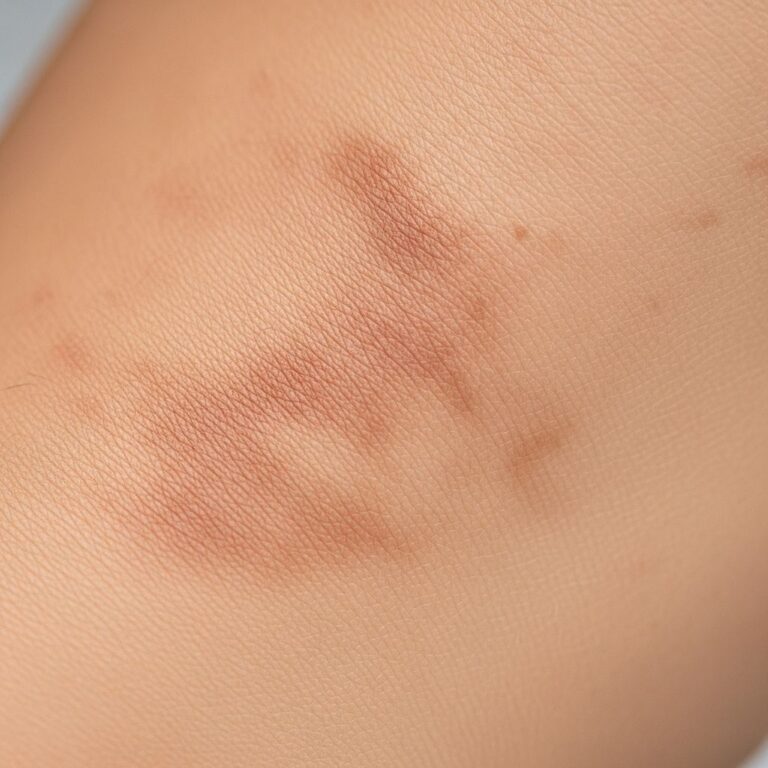
Tick Bites: Causes, Symptoms, Treatment & Prevention
Complete guide to understanding, treating, and preventing tick bites and tick-borne diseases.
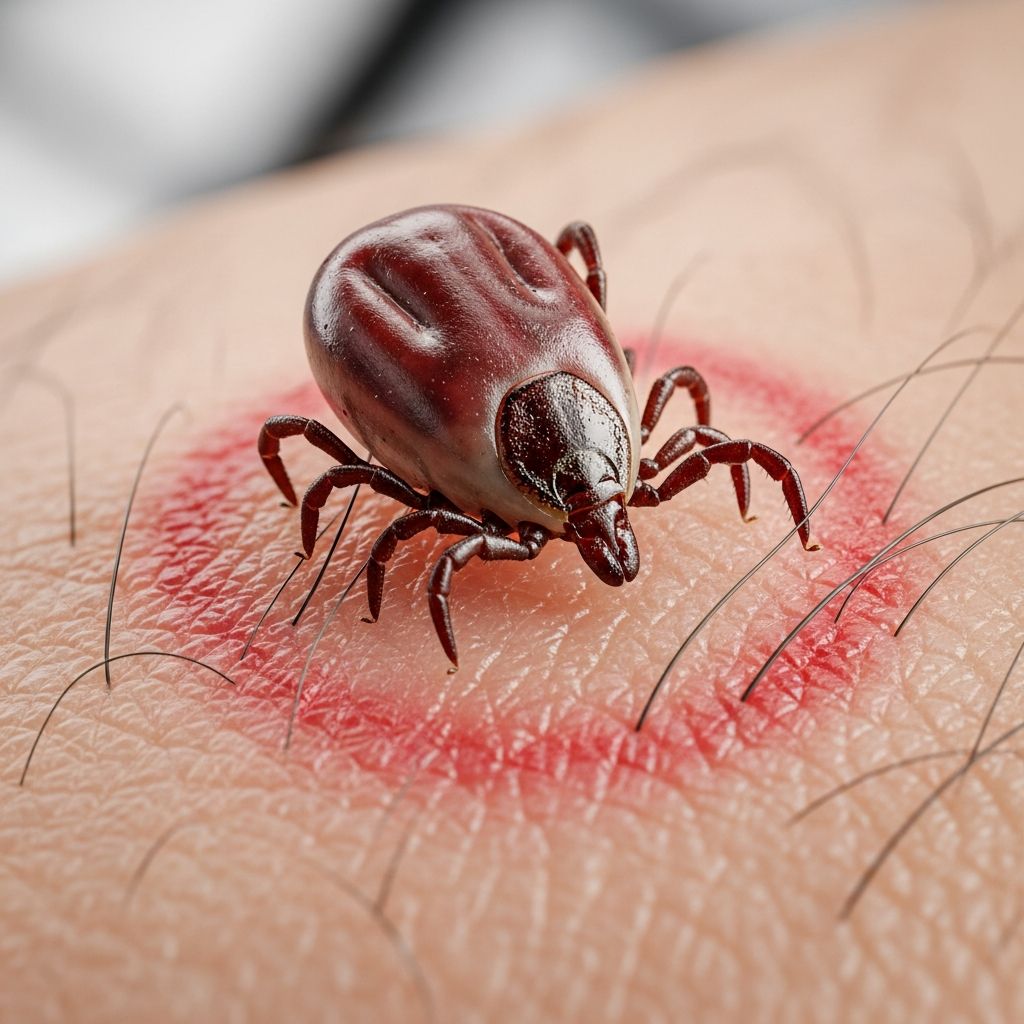
Understanding Tick Bites: A Complete Guide
Tick bites are a common concern, particularly during warm months when ticks are most active. While many tick bites go unnoticed and cause minimal harm, understanding how to identify, remove, and prevent them is essential for protecting your health. Ticks can transmit serious diseases such as Lyme disease, ehrlichiosis, Rocky Mountain spotted fever, and alpha-gal syndrome. This comprehensive guide covers everything you need to know about tick bites, from recognition to treatment and prevention strategies.
What Are Ticks and Why Do They Bite?
Ticks are small arachnids that feed on the blood of mammals, birds, and reptiles. They are parasites that attach themselves to the skin to obtain blood meals, which they require for survival and reproduction. Ticks have specialized mouthparts that allow them to pierce the skin and access blood vessels. Once attached, a tick can remain on your body for several days while feeding. The bite itself is typically painless due to compounds in the tick’s saliva that reduce inflammation and numb the area, which is why many people don’t realize they’ve been bitten until they discover the tick or develop symptoms of infection.
Recognizing Tick Bite Symptoms
Tick bite symptoms vary widely depending on whether the tick is infected with disease-causing bacteria or viruses. Even non-infected tick bites can cause localized skin reactions.
Common Tick Bite Symptoms
Most tick bites produce mild local reactions on the skin, including:
– A small, hard bump or sore at the bite site- Redness and mild inflammation- Localized swelling- Occasional itching (usually only in people allergic or sensitive to tick saliva)
Unlike mosquito or other insect bites, tick bites typically do not produce fluid or pus unless the site becomes infected from scratching or poor hygiene. Many people don’t notice any symptoms at all from a simple tick bite.
Symptoms of Tick-Borne Illness
The concern with tick bites increases significantly when the tick carries disease-causing pathogens. Tick-borne illnesses often present with flu-like symptoms that may develop days or weeks after the bite. Common symptoms of tick-borne diseases include:
– Fever and chills- Headaches and body aches- Muscle and joint pain or swelling- Fatigue and malaise- Characteristic rashes (such as the “bull’s-eye” rash associated with Lyme disease)- Nausea and vomiting- Swelling or redness at the bite site
If you experience tingling, numbness, difficulty concentrating, facial paralysis, or nerve damage symptoms, seek immediate medical attention. Untreated tick-borne illnesses can lead to serious complications including heart problems, chronic arthritis, and permanent neurological damage.
Tick-Borne Diseases: What You Should Know
Lyme Disease
Lyme disease is one of the most common tick-borne illnesses in the United States. It’s caused by the bacterium Borrelia burgdorferi, typically transmitted by infected deer ticks. Early symptoms appear 4 to 14 days after a tick bite and include fever, headache, muscle aches, and the characteristic bull’s-eye rash (erythema migrans). If left untreated, Lyme disease can progress to later stages involving joint pain, facial paralysis, nerve damage, and heart complications. Fortunately, early-stage Lyme disease responds well to antibiotic treatment, particularly doxycycline.
Ehrlichiosis
Ehrlichiosis is caused by the bacterium Ehrlichia and is transmitted through tick bites. Symptoms typically develop 7 to 14 days after exposure and include fever, headache, muscle aches, malaise, and sometimes nausea. Unlike Lyme disease, only about 30% of infected individuals (usually children) develop a rash. Ehrlichiosis can cause serious complications if not treated promptly with antibiotics. Treatment typically involves doxycycline or tetracycline antibiotics, which must be continued for at least three days after fever resolution.
Related Stories



Alpha-Gal Syndrome
Alpha-gal syndrome is a unique tick-bite-related condition caused by the lone star tick. This condition develops an allergy to alpha-gal, a sugar found in mammalian meat. Symptoms typically occur 3 to 8 hours after consuming red meat, pork, lamb, or products derived from these animals. Symptoms range from mild itching and hives to severe reactions including anaphylaxis with difficulty breathing and severe swelling. Management involves strict dietary avoidance of alpha-gal-containing foods and products, along with access to emergency epinephrine for severe reactions.
How to Properly Remove a Tick
If you discover a tick attached to your skin, proper removal is critical to prevent infection and disease transmission. Following correct removal procedures minimizes the risk of leaving mouthparts embedded in the skin or causing the tick to regurgitate infectious material.
Step-by-Step Tick Removal
– Use fine-tipped tweezers: Grasp the tick as close to your skin as possible, ideally at the point where the mouthparts enter the skin- Pull straight up: Apply steady, even pressure without jerking or twisting. Jerking motions may cause the tick’s head to break off and remain embedded- Don’t squeeze: Avoid crushing the tick’s body, as this can force infectious material into the bite wound- Wash thoroughly: Once removed, wash the bite area with soap and water- Apply antibiotic ointment: Use an over-the-counter antibiotic ointment to prevent secondary infection- Dispose safely: Seal the tick in a plastic bag, place it in tape, or flush it down the toilet. Do not crush it with your fingers
What NOT to Do
The CDC specifically advises against several ineffective and potentially harmful removal methods:
– Do not use nail polish or petroleum jelly to try to smother the tick- Do not apply heat (matches or cigarettes) to force detachment- Do not crush the tick with your fingers- Do not leave the tick’s mouthparts embedded in the skin
These methods can increase infection risk and may cause the tick to release more pathogens into your body.
Treatment and Care for Tick Bites
General Care for Simple Tick Bites
For uncomplicated tick bites without signs of infection or disease, basic care measures can promote healing and reduce discomfort:
– Cold compress: Apply a cold compress wrapped in a thin cloth to the bite area to reduce swelling and soothe irritation (never place ice directly on skin)- Antibiotic ointment: Continue applying antibiotic ointment to prevent bacterial infection- Avoid scratching: Resist the urge to scratch the bite, as this increases infection risk- Oatmeal baths: For highly irritating bites, oatmeal baths can relieve itching (though avoid if you have eczema or psoriasis, as oatmeal may worsen these conditions)- Hydrocortisone cream: Over-the-counter hydrocortisone can reduce inflammation and itching
When to Seek Medical Attention
Contact a healthcare provider if you experience any of the following:
– Uncertainty about how long the tick was attached (if over 36 hours, preventive antibiotics may be needed)- Signs of infection at the bite site (increased redness, warmth, pus, or spreading)- Development of flu-like symptoms within days of the bite- Appearance of a bull’s-eye rash or other suspicious rashes- Joint or muscle pain, headaches, or other systemic symptoms- Facial swelling, difficulty breathing, or signs of anaphylaxis- Neurological symptoms such as facial paralysis or numbness
Preventing Tick Bites and Tick-Borne Illness
Prevention is far more effective than treatment for tick-borne diseases. A comprehensive approach combining personal protection, environmental awareness, and proper hygiene significantly reduces your risk of tick bites.
Personal Protection Strategies
When spending time in tick-prone environments (wooded areas, tall grass, and brush), implement these protective measures:
– Wear appropriate clothing: Dress in long sleeves, long pants, and closed-toe shoes. Tuck pant legs into socks to prevent ticks from crawling up your legs- Use insect repellent: Apply EPA-registered insect repellents containing DEET (20-30%), picaridin, or permethrin to skin and clothing- Treat clothing and gear: Pre-treat outdoor clothing, boots, camping gear, and pet bedding with permethrin before heading outdoors- Choose light-colored clothing: Wear light colors to make ticks more visible- Check yourself thoroughly: After outdoor activities, perform a full-body tick check, paying special attention to warm, moist areas like armpits, groin, behind knees, and the scalp
Environmental Prevention
Reduce tick populations in your immediate environment:
– Landscape modification: Keep grass mowed short, remove leaf litter, and clear brush from your yard- Tick-free zones: Create barriers with mulch or wood chips around seating areas- Wildlife management: Remove or exclude deer and rodents that carry ticks- Yard treatment: Consider professional tick control treatments for high-risk areas- Pet protection: Use veterinary-recommended tick prevention on pets and check them regularly
Post-Outdoor Activities
– Wash clothes in hot water as soon as possible after outdoor activities- Place unwashed clothing in a sealed bag until washing- Shower within 2 hours of coming indoors- Dry clothes on high heat for at least 10 minutes
Frequently Asked Questions About Tick Bites
Q: How long can a tick stay attached to your skin?
A: Ticks can remain attached for several days while feeding. If a tick has been attached for more than 36 hours, there is increased risk of disease transmission, and preventive antibiotics may be recommended. Prompt removal minimizes this risk.
Q: Can you get multiple tick-borne diseases from one tick bite?
A: Yes, it is possible for a single tick to carry multiple pathogens. If you’ve been bitten and develop symptoms, medical testing can determine which specific diseases you may have contracted.
Q: Is it safe to remove a tick myself?
A: Yes, if you follow proper removal techniques using fine-tipped tweezers and steady pressure. However, if you’re uncomfortable removing it, a healthcare provider can remove it safely. Never crush the tick or use ineffective methods like nail polish or heat.
Q: What should I do with the tick after removal?
A: Place the tick in a sealed plastic bag, tape it shut, or flush it down the toilet. Some people save the tick in a sealed container in case testing is needed to identify the species and potential diseases.
Q: How quickly do symptoms of tick-borne illness appear?
A: Symptoms vary by disease. Lyme disease typically appears 4-14 days after infection, while ehrlichiosis symptoms develop 7-14 days after exposure. Alpha-gal syndrome symptoms appear 3-8 hours after consuming affected foods. Always monitor for symptoms for at least 30 days after a tick bite.
Q: Is preventive antibiotic treatment recommended after all tick bites?
A: No. Routine antibiotic prophylaxis is not recommended for all tick bites. However, if a tick has been attached for more than 36 hours, or if it cannot be determined how long it was attached, your healthcare provider may recommend preventive antibiotics.
Q: Can tick-borne illnesses be cured?
A: Early-stage tick-borne illnesses like Lyme disease respond well to antibiotic treatment. However, if the infection progresses to later stages, treatment becomes more complex. Alpha-gal syndrome has no cure but can be managed through dietary avoidance and prevention of future tick bites.
When to Seek Professional Medical Care
While many tick bites require only basic home care, certain situations demand professional medical evaluation. Visit a healthcare provider or urgent care facility if you notice signs of serious infection, develop systemic symptoms, or if you’re uncertain about proper tick removal. Virtual care services are now available for guidance on tick removal and assessment of potential disease risk. Early intervention significantly improves outcomes for tick-borne illnesses and can prevent serious complications.
Conclusion
Tick bites are preventable with appropriate precautions and knowledge. By understanding tick behavior, implementing prevention strategies, and knowing how to properly remove ticks, you can significantly reduce your risk of tick-borne illness. Monitor any bite sites for signs of infection or disease development, and don’t hesitate to seek medical attention if symptoms develop. With proper care and awareness, you can enjoy outdoor activities while protecting yourself and your family from tick-related health risks.
References
- Alpha-gal syndrome: Recognizing and managing a tick-bite–related allergy — Cleveland Clinic Journal of Medicine. 2025-01-15. https://www.ccjm.org/content/92/5/311
- Tick Bites: Symptoms, Treatment, and Prevention — WebMD. 2024-12-01. https://www.webmd.com/skin-problems-and-treatments/is-that-a-tick-bite
- Lyme Disease: Causes, Rash, Symptoms & Treatment — Cleveland Clinic. 2024-06-15. https://my.clevelandclinic.org/health/diseases/11586-lyme-disease
- Ehrlichiosis: Causes, Symptoms, Treatment & Prevention — Cleveland Clinic. 2024-08-20. https://my.clevelandclinic.org/health/diseases/17958-ehrlichiosis
- Overview of tick-borne diseases — Cleveland Clinic Journal of Medicine. 2024-03-10. https://www.ccjm.org/content/ccjom/67/4/241.full.pdf
- What To Do for a Tick Bite: Prevention and Immediate Care Tips — SNH Health Virtual Immediate Care. 2024-11-15. https://www.snhhealth.org/about-us/about-snhh/news-and-articles/tick-bite-prevention-and-treatment-tips-virtual-immediate-care
Similar Articles








Read full bio of Sneha Tete