Time for More Vitamin D: Benefits and Safe Supplementation
Discover why vitamin D supplementation is crucial for bone health, immunity, and disease prevention.
Time for More Vitamin D: A Comprehensive Guide to Supplementation and Health
Vitamin D is one of the most essential nutrients for maintaining optimal health, yet millions of people worldwide remain deficient in this critical vitamin. Unlike most nutrients, vitamin D functions both as a nutrient we consume and as a hormone our bodies naturally produce. It is a fat-soluble vitamin that has long been recognized for its role in helping the body absorb and retain calcium and phosphorus—both essential minerals for building and maintaining strong bones. However, recent research from Harvard and other leading institutions reveals that vitamin D’s benefits extend far beyond skeletal health, playing crucial roles in immune function, inflammation regulation, and disease prevention.
Understanding Vitamin D: More Than Just Bone Health
Vitamin D is a unique nutrient that deserves attention from anyone concerned about their long-term health. Many of the body’s organs and tissues have receptors for vitamin D, suggesting important roles beyond bone health. Laboratory studies demonstrate that vitamin D can reduce cancer cell growth, help control infections, and reduce inflammation throughout the body. This multifaceted approach to health explains why vitamin D deficiency has been linked to numerous chronic conditions and why supplementation has become increasingly important in modern nutrition.
The transformation of vitamin D in the body is a fascinating process. When exposed to sunlight, the skin produces vitamin D, which is then converted by the liver and kidneys into its active form. This active form travels throughout the body, binding to vitamin D receptors on cells to regulate calcium absorption, support immune function, and modulate inflammation. Understanding this process helps explain why some populations are at higher risk for deficiency and why supplementation can be particularly beneficial.
The Latest Research on Vitamin D and Biological Aging
Recent groundbreaking research from Harvard researchers has provided compelling evidence that vitamin D supplementation may actually slow the biological aging process itself. A landmark randomized controlled trial published in The American Journal of Clinical Nutrition found that vitamin D supplements help maintain telomeres—the protective caps at the ends of chromosomes that shorten during aging and are linked to the development of age-related diseases. This discovery represents a significant advancement in understanding how nutrition can influence fundamental aging mechanisms.
The VITAL study, which tracked more than 1,000 adults over four years, tested 2,000 international units (IU) of vitamin D3 daily—approximately three times the commonly recommended amount, but still within safe limits. Remarkably, participants taking the supplement showed significantly less DNA damage compared to those who received a placebo. More specifically, those taking vitamin D lost far less telomere length than the placebo group, preventing the biological equivalent of nearly three years of aging. This finding has profound implications for longevity and healthy aging.
Dr. JoAnn Manson, Chief of the Division of Preventive Medicine at Brigham and Women’s Hospital, emphasized the broader significance of these findings: “VITAL had also shown benefits of vitamin D in reducing inflammation and lowering risks of selected chronic diseases of aging, such as advanced cancer and autoimmune disease.” These discoveries position vitamin D supplementation as a promising strategy for those seeking to maintain their biological youth and reduce age-related disease risk.
Bone Health and Fracture Prevention
The relationship between vitamin D and bone health remains one of the most well-established connections in nutritional science. A meta-analysis of 12 randomized controlled trials that included more than 42,000 people aged 65 and older found that higher intakes of vitamin D supplements—approximately 500 to 800 IU per day—reduced hip and non-spine fractures by about 20%, while lower intakes of 400 IU or less failed to offer any fracture prevention benefit. This research underscores the importance of achieving adequate vitamin D levels for skeletal protection, particularly among older adults at increased risk of falls and fractures.
Vitamin D works in conjunction with calcium to build and maintain bone density. The vitamin facilitates calcium absorption in the intestines and helps regulate calcium levels in the blood. When vitamin D levels are insufficient, the body must draw calcium from bones to maintain critical blood calcium levels, leading to weakened bones and increased fracture risk. This cascade of events makes vitamin D supplementation particularly important for individuals with limited sun exposure, those with malabsorption issues, or older adults at high risk of osteoporosis.
Muscle Strength and Fall Prevention
Beyond its role in bone density, vitamin D appears to help increase muscle strength by preserving muscle fibers, which in turn helps to prevent falls—a common problem that leads to substantial disability and death in older people. A combined analysis of multiple studies found that taking 700 to 1,000 IU of vitamin D per day lowered the risk of falls by 19%, but taking 200 to 600 IU per day did not offer any such protection. This demonstrates a clear dose-response relationship, with adequate vitamin D levels necessary to maintain the muscle function required for balance and mobility.
The mechanism behind this protective effect involves vitamin D’s role in regulating calcium levels within muscle cells, supporting muscle contraction and coordination. As people age, maintaining adequate vitamin D levels becomes increasingly critical for preserving the neuromuscular function necessary for stability and injury prevention. This finding has particular relevance for older adults and individuals with mobility concerns.
Cardiovascular Health Benefits
Recent epidemiological research suggests that vitamin D plays an important role in cardiovascular health. In the Health Professionals Follow-up Study, which tracked nearly 50,000 healthy men for 10 years, those who had the lowest levels of vitamin D were twice as likely to have a heart attack as men who had the highest levels. Meta-analyses of epidemiological studies have consistently found that people with the lowest serum levels of vitamin D had a significantly increased risk of strokes and any heart disease event compared with those with the highest levels.
These associations suggest that vitamin D may influence cardiovascular health through multiple pathways, including effects on blood pressure, arterial stiffness, and inflammation. While more research is needed to establish causality definitively, the evidence supports the importance of maintaining adequate vitamin D levels for cardiovascular protection as part of a comprehensive health strategy.
Cancer Prevention and Survival
A meta-analysis of randomized trials of vitamin D, which included the VITAL study, found a 13% statistically significant lower risk of cancer mortality in those assigned to vitamin D compared to placebo. These findings are consistent with observational data, which suggest that vitamin D may have a stronger effect on cancer progression than on cancer incidence. This distinction is important, as it suggests that maintaining adequate vitamin D levels may help improve outcomes for those who do develop cancer.
The mechanisms by which vitamin D may protect against cancer progression include its ability to reduce inflammation, support immune function, and potentially inhibit cancer cell proliferation. Laboratory studies show that vitamin D can reduce cancer cell growth, supporting the biological plausibility of these epidemiological findings.
Autoimmune Disease and Immune Function
The Vitamin D and Omega-3 trial (VITAL), a randomized double-blind placebo-controlled trial following more than 25,000 men and women ages 50 and older, found that taking vitamin D supplements (2,000 IU/day) for five years reduced the incidence of autoimmune diseases by about 22% compared with a placebo. Autoimmune conditions observed included rheumatoid arthritis, psoriasis, polymyalgia rheumatica, and autoimmune thyroid diseases such as Hashimoto’s thyroiditis and Graves’ disease.
This finding demonstrates vitamin D’s critical role in regulating immune tolerance and preventing inappropriate immune responses. Vitamin D receptors are found on immune cells, where vitamin D helps modulate the balance between pro-inflammatory and anti-inflammatory immune responses. Maintaining adequate vitamin D levels may help prevent the dysregulation of immunity that characterizes autoimmune conditions.
Type 2 Diabetes Prevention
More than 83,000 women without diabetes at baseline were followed in the Nurses’ Health Study for the development of type 2 diabetes over a 20-year period. The research found that when comparing women with the highest intakes of vitamin D from supplements with women with the lowest intakes, there was a 13% lower risk of developing type 2 diabetes. This protective effect likely involves vitamin D’s role in beta cell function and insulin secretion, as well as its effects on inflammation and glucose metabolism.
Recommended Daily Intake and Safe Supplementation
Despite the promising results emerging from recent research, experts caution against overuse of vitamin D supplements. Most adults are advised to take 600 to 800 IU daily, while supplements commonly come in doses of 1,000 to 2,000 IU. The recommended dietary allowance (RDA) for vitamin D is 600 IU for adults aged 1-70 years and 800 IU for those over 70. However, individual needs may vary based on factors such as sun exposure, skin pigmentation, geographic location, and age.
The upper limit for vitamin D supplementation is generally considered to be 4,000 IU per day for adults, with some experts suggesting this could be conservative. Taking more than 4,000 IU per day can be harmful, leading to a dangerous buildup of calcium in the blood, a condition called hypercalcemia. This condition can cause nausea, vomiting, constipation, kidney stones, and even organ damage. Therefore, unless under medical supervision or addressing documented deficiency, it’s prudent to maintain supplementation within established safe guidelines.
Natural Food Sources of Vitamin D
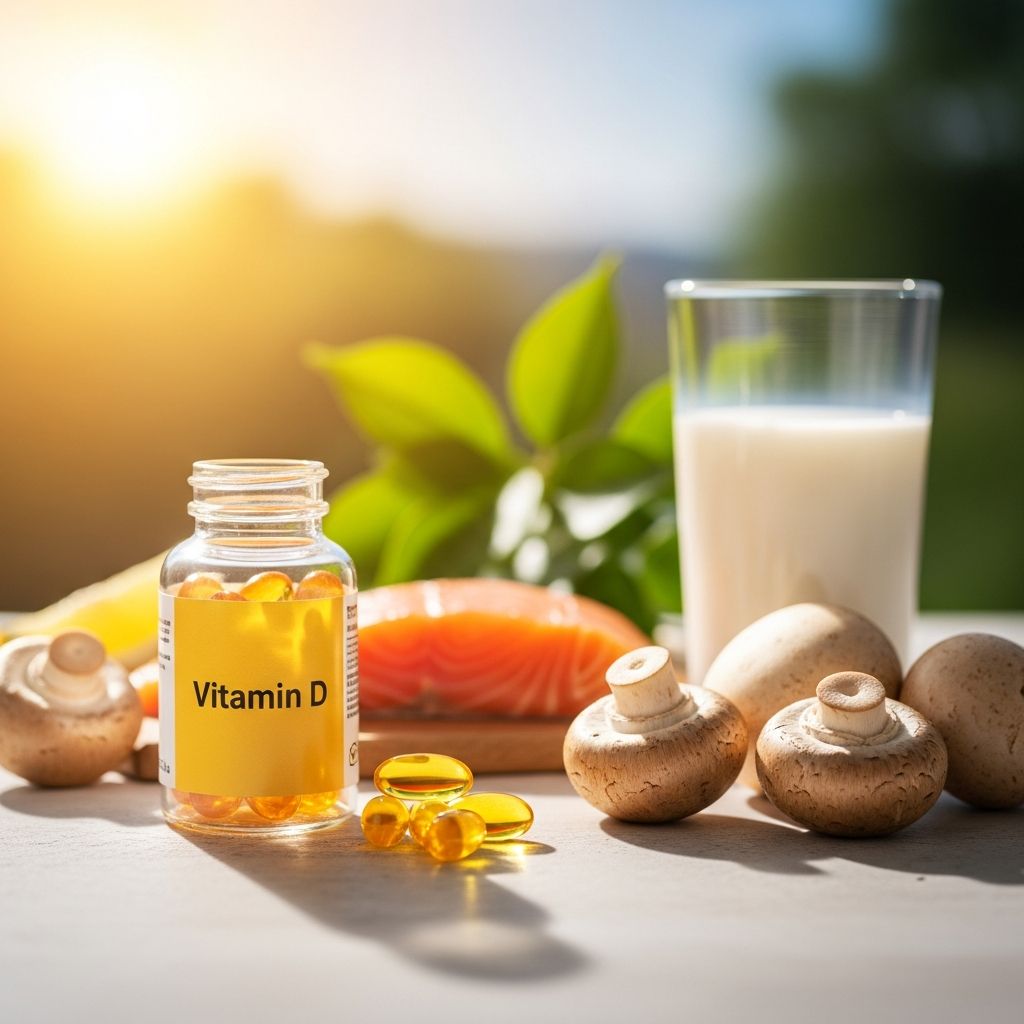
While supplementation can be valuable, obtaining vitamin D from food sources when possible is ideal. Fatty fish such as salmon, mackerel, and sardines are among the richest food sources of vitamin D, providing substantial amounts per serving. Egg yolks contain moderate amounts of vitamin D, while mushrooms exposed to sunlight can synthesize vitamin D. Fortified foods such as milk, yogurt, and breakfast cereals now commonly include added vitamin D, making it easier to meet daily requirements through diet alone in many cases.
For those living in regions with limited sunlight during certain seasons, or who have restrictions on sun exposure, supplementation becomes particularly important. The challenge of obtaining adequate vitamin D through food alone for many people underscores why supplementation has become an increasingly popular and medically recommended strategy.
Who Should Consider Vitamin D Supplementation?
Certain populations benefit particularly from vitamin D supplementation and should discuss appropriate dosing with their healthcare providers. These include:
- Older adults with limited sun exposure
- Individuals with darker skin pigmentation living in northern climates
- People with malabsorption disorders such as Crohn’s disease or celiac disease
- Those taking medications that interfere with vitamin D metabolism
- Individuals with diagnosed vitamin D deficiency
- People spending most of their time indoors
- Those with osteoporosis or high fracture risk
- Anyone concerned about autoimmune disease prevention
Testing Vitamin D Levels
The most accurate way to assess vitamin D status is through a blood test measuring 25-hydroxyvitamin D (25(OH)D), also called calcidiol. The National Academy of Medicine cites a vitamin D blood level of 50 nmol/L (20 ng/mL) as adequate for most people, while levels below 30 nmol/L (12 ng/mL) are generally considered deficient. A large cohort study of more than 307,000 White European participants found a 25% increased risk of premature deaths from any cause in those who had vitamin D blood levels of 25 nmol/L (10 ng/mL), compared with those who had 50 nmol/L (20 ng/mL).
Healthcare providers can order these tests to determine individual vitamin D status and recommend appropriate supplementation strategies. This personalized approach ensures that supplementation addresses actual deficiency rather than providing unnecessary doses.
Frequently Asked Questions
Q: How much vitamin D do I need daily?
A: The recommended dietary allowance (RDA) is 600 IU for adults aged 1-70 years and 800 IU for those over 70. However, individual needs may vary. The upper safe limit is generally 4,000 IU daily for most adults, though some experts believe this could be conservative. Consult your healthcare provider for personalized recommendations based on your circumstances.
Q: Can I get too much vitamin D?
A: Yes, excessive vitamin D intake can lead to hypercalcemia, a dangerous buildup of calcium in the blood. This can cause nausea, vomiting, constipation, kidney stones, and organ damage. It is important not to exceed safe upper limits without medical supervision.
Q: What are the best food sources of vitamin D?
A: Fatty fish such as salmon, mackerel, and sardines are excellent sources. Egg yolks, mushrooms exposed to sunlight, and fortified dairy products and cereals also provide vitamin D.
Q: Should I take vitamin D supplements?
A: This depends on your individual circumstances, including sun exposure, diet, age, and health status. A blood test can determine your vitamin D level, and your healthcare provider can recommend whether supplementation is appropriate for you.
Q: Can vitamin D supplementation really slow aging?
A: Recent research suggests that vitamin D supplementation may slow biological aging by protecting telomeres. A Harvard study found that those taking vitamin D3 supplements showed significantly less telomere shortening, preventing the equivalent of nearly three years of aging.
Q: Is there a best time to take vitamin D supplements?
A: Since vitamin D is fat-soluble, taking it with a meal containing healthy fats may improve absorption. Timing throughout the day is generally less important than consistent supplementation.
Conclusion
The evidence for vitamin D’s critical importance in maintaining health and preventing disease has never been stronger. From its classical roles in bone health and muscle function to emerging benefits in cancer prevention, autoimmune disease reduction, and potentially slowing biological aging, vitamin D deserves serious consideration in any comprehensive health strategy. While ensuring adequate vitamin D levels through a combination of sun exposure, diet, and judicious supplementation is important, the key is determining your individual needs through consultation with healthcare providers and appropriate testing. As research continues to unveil new benefits of this remarkable nutrient, maintaining optimal vitamin D status may prove to be one of the most effective investments in long-term health and vitality.
References
- Vitamin D Supplements May Slow Biological Aging — Harvard Gazette. 2025-05-14. https://news.harvard.edu/gazette/story/2025/05/vitamin-d-supplements-may-slow-biological-aging/
- Harvard Study Claims This Common Supplement Reverses Aging: What Is It and How to Use It Safely — Times of India. 2024-11-15. https://timesofindia.indiatimes.com/life-style/health-fitness/health-news/harvard-study-claims-this-common-supplement-reverses-aging-what-is-it-and-how-to-use-it-safely/articleshow/123511058.cms
- Vitamin D and Multiple Health Outcomes in the Harvard Cohorts — PubMed Central, National Institutes of Health. 2010. https://pubmed.ncbi.nlm.nih.gov/20486209/
- Vitamin D — The Nutrition Source, Harvard T.H. Chan School of Public Health. 2024. https://nutritionsource.hsph.harvard.edu/vitamin-d/
Similar Articles







Read full bio of Sneha Tete