Timolol Tablets: 5 Uses, Dosage & Side Effects
Comprehensive guide to timolol tablets: uses for hypertension, heart protection, angina, arrhythmias, and migraine prevention.
About timolol tablets
Timolol tablets belong to a group of medicines known as beta-adrenoceptor blocking medicines, commonly called beta-blockers. These medications are widely prescribed for various cardiovascular conditions and migraine prevention. Timolol works primarily by blocking the effects of certain chemicals on the heart and blood vessels, leading to a slower heart rate and reduced blood pressure.
| Type of medicine | A beta-adrenoceptor blocking medicine (beta-blocker) |
|---|---|
| Used for | Hypertension; arrhythmias; angina; heart protection; migraine prevention |
| Available as | Tablets |
Beta-blockers like timolol are essential in managing conditions where the heart works too hard or irregularly. By competing with adrenaline-like substances for beta receptors in the heart and blood vessels, timolol reduces heart rate, cardiac output, and blood pressure. This mechanism not only lowers hypertension but also stabilizes irregular rhythms and eases the heart’s oxygen demand during angina episodes.
Key facts about timolol tablets
- Timolol is a non-selective beta-blocker, meaning it affects both beta-1 receptors in the heart and beta-2 receptors in blood vessels and lungs.
- It is typically taken orally as tablets, once or twice daily, with doses starting low (5-10 mg) and titrated based on response.
- Common uses include high blood pressure (hypertension), preventing heart complications post-myocardial infarction, treating arrhythmias, relieving angina, and prophylactic migraine treatment.
- The brand name Blocadren is discontinued, but generic timolol tablets remain available.
- Unlike some beta-blockers, timolol does not typically cause significant weight gain, though fluid retention mimicking heart failure symptoms can occur.
Timolol’s action slows nerve impulses to the heart, decreasing its workload. This is particularly beneficial post-heart attack, where it reduces mortality risk by limiting oxygen demand, inhibiting platelet aggregation, and preventing cardiac remodeling. For migraines, its exact mechanism is unclear but likely involves altering nerve signaling in the brain.
Before taking timolol tablets
Before starting timolol, inform your doctor about your medical history to avoid contraindications. Certain conditions make beta-blockers unsuitable due to their systemic effects.
Who should not take timolol?
- People with asthma or other breathing disorders, as it can cause bronchospasm by blocking beta-2 receptors.
- Those with severe liver or kidney problems, which impair drug metabolism.
- Individuals with low blood pressure, poor circulation, or Prinzmetal’s angina (vasospastic type).
- Patients with diabetes, as timolol masks hypoglycemia symptoms like tachycardia.
- People with psoriasis, myasthenia gravis, slow heartbeat (bradycardia), or heart block.
Other precautions
Discuss all medications, including over-the-counter, herbal remedies, and supplements, as timolol interacts with many drugs like other beta-blockers, calcium channel blockers, and antiarrhythmics. It is not a blood thinner, though often co-prescribed with them for heart conditions. Abrupt discontinuation can lead to rebound tachycardia, worsened angina, or myocardial infarction—taper gradually over weeks.
If you have diabetes, monitor blood sugar closely, as timolol can hide low blood sugar signs. Lifestyle advice often accompanies prescriptions: adopt a heart-healthy diet, quit smoking, exercise regularly, and limit alcohol.
How to take timolol tablets
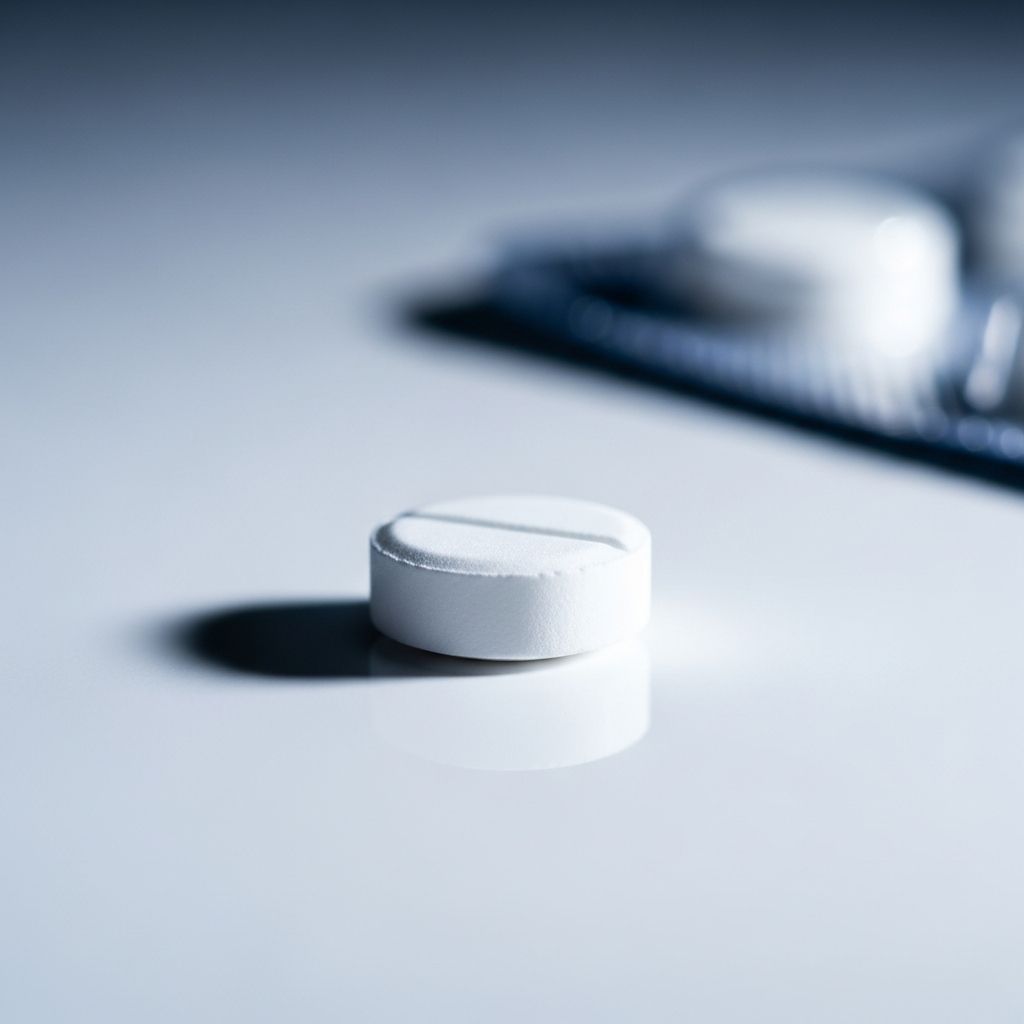
Follow your doctor’s instructions precisely. Timolol tablets are scored for easy division if lower doses are needed.
Related Stories



- Dosage: Usually 5-10 mg daily initially, increased gradually to 20-40 mg/day in 1-2 divided doses. Maximum 60 mg/day depending on condition.
- Take with or without food, but consistently. Swallow whole or halve if directed—do not crush.
- Miss a dose? Take as soon as remembered unless near next dose; never double up.
- Continue indefinitely unless advised otherwise; stopping suddenly risks complications.
Regular monitoring includes blood pressure, heart rate, and blood tests for kidney/liver function. If buying OTC medicines (e.g., cold remedies), consult a pharmacist for interactions.
Getting the most from your treatment
Maximize benefits by integrating lifestyle changes. A balanced diet low in salt reduces blood pressure synergy with timolol. Daily exercise (30 minutes moderate activity) strengthens the heart without overexertion. Avoid smoking, as it counters beta-blocker effects, and limit caffeine/alcohol which can exacerbate arrhythmias.
For migraine prevention, track headache patterns and triggers. If diabetic, use a glucometer frequently. Drive cautiously if dizziness occurs, especially initially. Your doctor may adjust doses based on response, emphasizing slow titration to minimize side effects.
Common questions about timolol tablets
- Does timolol lower heart rate?
- Yes, as a non-selective beta-blocker, it reduces heart rate by about 10 beats per minute on average, more with oral tablets than eye drops. Consult your doctor if concerned.
- Is timolol a blood thinner?
- No, it is a beta-blocker, not an anticoagulant. They serve different purposes but may be used together.
- Can timolol cause weight gain?
- Typically not, unlike some beta-blockers, but watch for swelling from fluid retention signaling heart issues.
- How long until timolol works?
- Blood pressure effects in 1-2 weeks; full migraine prevention may take 4-6 weeks.
Side-effects of timolol tablets
Most side effects are mild and improve as your body adjusts. Common ones affect 1-10% of users.
| Side Effect | Advice |
|---|---|
| Headache | Drink water; use pharmacist-recommended painkiller. See doctor if persistent. |
| Feeling sick (nausea), stomach upset | Stick to bland foods; avoid spicy/rich meals. |
| Dizziness, tiredness, light-headedness | Rise slowly; rest if faint. Avoid driving/tools until settled. |
| Feeling breathless, cold extremities, tingling, sleep disturbance, mood changes, impotence, vision issues, slow heartbeat | Contact doctor if troublesome. |
Serious side effects (rare)
- Bronchospasm, severe bradycardia, heart failure worsening, depression, confusion, hair loss, elevated cholesterol.
- Seek immediate help for chest pain, swelling, severe dizziness, or allergic reactions (rash, swelling, breathing difficulty).
Report persistent symptoms to your doctor. Long-term use is safe for most, but monitoring is key.
How to cope with side effects of timolol tablets
Proactive management enhances tolerability:
- Fatigue/Cold hands: Warm clothing, light exercise.
- Sleep issues: Consistent bedtime routine; avoid screens.
- Sexual dysfunction: Discuss alternatives with doctor.
- Mood changes: Track and report; may need dose adjustment.
If side effects persist beyond 2 weeks or worsen, consult your healthcare provider promptly.
Pregnancy and breastfeeding
Timolol is not recommended during pregnancy unless benefits outweigh risks (Category C). It crosses the placenta, potentially causing fetal bradycardia. Breastfeeding mothers should avoid it, as it passes into milk and may affect infant heart rate. Consult specialists for alternatives.
Other medicines, food, drink and driving
- Interactions: Avoid with verapamil/diltiazem (bradycardia risk), NSAIDs (reduced efficacy), insulin (hypoglycemia masking).
- Food/Drink: No major issues; grapefruit may slightly increase levels.
- Driving: Safe once adjusted, but avoid if dizzy.
- Alcohol: Limit, as it amplifies dizziness.
Frequently Asked Questions (FAQs)
Q: Why is timolol prescribed?
A: For hypertension, post-heart attack protection, arrhythmias, angina, or migraine prevention by slowing heart rate and relaxing vessels.
Q: Can I stop timolol suddenly?
A: No, taper gradually to prevent rebound effects like angina or infarction.
Q: Does timolol affect exercise?
A: It blunts heart rate response; suitable for moderate exercise but monitor intensity.
Q: Is timolol safe for long-term use?
A: Yes, with monitoring; reduces mortality post-MI.
Q: What if I overdose?
A: Seek emergency care: symptoms include severe bradycardia, hypotension, bronchospasm.
References
- Timolol tablet: Uses, Side Effects, Dosage & More — GoodRx. 2023. https://www.goodrx.com/blocadren/what-is
- Timolol tablets – a beta-blocker — Patient.info. 2023. https://patient.info/medicine/timolol-tablets-a-beta-blocker
- Timolol (oral route) — Mayo Clinic. 2024-01-01. https://www.mayoclinic.org/drugs-supplements/timolol-oral-route/description/drg-20071077
- Timolol: Uses, Interactions, Mechanism of Action — DrugBank. 2024. https://go.drugbank.com/drugs/DB00373
- Timolol – StatPearls — NCBI Bookshelf / NIH. 2023-10-01. https://www.ncbi.nlm.nih.gov/books/NBK545176/
- Timolol: Uses & Side Effects — Cleveland Clinic. 2023. https://my.clevelandclinic.org/health/drugs/20782-timolol-tablets
Similar Articles








Read full bio of medha deb