Tinea Capitis: Expert Guide To Symptoms, Diagnosis & Treatment
Comprehensive guide to scalp ringworm: causes, symptoms, diagnosis, and effective treatments for children and adults.
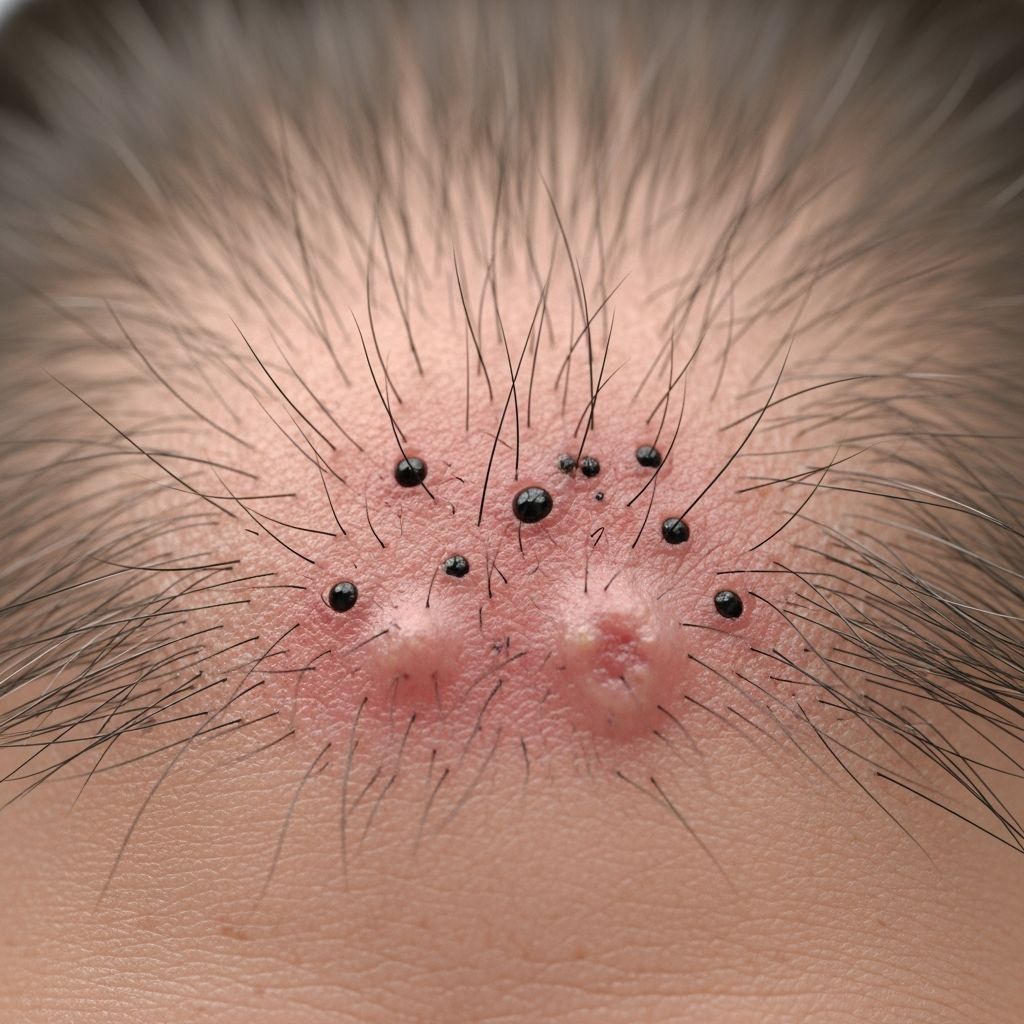
Tinea capitis, commonly known as scalp ringworm, is a dermatophyte fungal infection affecting the scalp skin and hair follicles. It predominantly impacts prepubertal children, leading to symptoms such as alopecia, scaling, and inflammation. This contagious condition requires systemic antifungal therapy for resolution, as topical treatments alone are insufficient.
What is tinea capitis?
Tinea capitis represents a superficial dermatophytosis confined to the scalp, characterized by invasion of the hair shaft by dermatophyte fungi. Unlike other tinea infections, it cannot be adequately managed with topical agents due to poor penetration into hair follicles. The infection manifests as patchy hair loss, scaling, and occasionally inflammatory responses like kerion formation.
Globally, tinea capitis accounts for significant morbidity in pediatric populations, particularly in regions with close-contact settings such as schools. Endothrix infections, common in urban areas, cause hairs to break off at the scalp surface, while ectothrix types result in longer stubs.
Who gets tinea capitis?
Tinea capitis primarily affects children aged 3–14 years, with peak incidence between 5–10 years. It is more common in boys than girls, attributed to shorter hair lengths facilitating transmission. Post-pubertal cases are rare due to protective effects of sebum produced by sebaceous glands.
- High-risk groups: Children in crowded environments, those with close animal contact, or immunocompromised individuals.
- African or Afro-Caribbean descent populations show higher prevalence due to hair grooming practices favoring endothrix species like Trichophyton tonsurans.
Adults occasionally develop tinea capitis, often linked to occupational exposure or immunosuppression.
Causes
Dermatophytes—keratinophilic fungi—cause tinea capitis. Key species include:
| Species | Type | Prevalence | Geography |
|---|---|---|---|
| Trichophyton tonsurans | Endothrix | High (urban) | North America, Europe |
| Microsporum canis | Ectothrix | High (zoonotic) | Worldwide |
| Trichophyton violaceum | Endothrix | High | Middle East, Africa |
| Microsporum audouinii | Ectothrix | Moderate | Europe, Africa |
T. tonsurans dominates in the US (90% cases), causing “black dot” ringworm, while M. canis prevails in Europe via cat/dog transmission.
Transmission
Spread occurs via direct scalp contact or fomites (combs, hats, pillows). Zoonotic transmission from pets is common for Microsporum species. Asymptomatic carriers facilitate epidemics in schools.
Clinical features
Presentations vary by pathogen and host response:
- Non-inflammatory: Circular patches of scaling and alopecia; black dots (broken hairs) in endothrix, gray patches in ectothrix.
- Inflammatory: Pustules, boggy swellings (kerion), fever, lymphadenopathy.
- Favus: Yellow crusts (scutula) around hairs, rare in developed countries.
Symptoms include pruritus, pain (kerion), and secondary bacterial infection risk. Diffuse scaling mimics seborrheic dermatitis.
Diagnosis
Clinical suspicion guides diagnosis, confirmed by:
- KOH microscopy: Ectothrix sheaths, endothrix spores.
- Fungal culture: Gold standard; identifies species (4 weeks).
- Wood’s lamp: Fluorescence for Microsporum (not Trichophyton).
- Biopsy: Rarely for atypical cases.
Related Stories



Texas Children’s recommends culture before therapy. Differentiate from alopecia areata, psoriasis, impetigo.
Treatment
Oral antifungals are essential; duration 4–8 weeks.
| Drug | Dose (Children) | Duration | Notes |
|---|---|---|---|
| Terbinafine | <20kg: 62.5mg; 20–40kg: 125mg; >40kg: 250mg OD | 4 weeks (Trichophyton); 6–8 (Microsporum) | First-line; effective for endothrix |
| Griseofulvin | 20–25mg/kg/day (microsize) | 6–8 weeks | Historical first-line; less available |
| Fluconazole | 6mg/kg/day | 3–6 weeks | Alternative |
| Itraconazole | 5mg/kg/day | 2–4 weeks | For adults |
Adjunctive topicals: Selenium sulfide 2.5% or ketoconazole 2% shampoo 2–3x/week reduces spores. Imidazole/ciclopirox cream for lesions.
Kerion: Add oral prednisone (1mg/kg taper over 2 weeks) to reduce inflammation/scarring.
Adults: Terbinafine/itraconazole 6 weeks. Monitor LFTs unnecessary in healthy children.
Follow-up
Clinical improvement in 4–6 weeks; culture if persistent. School attendance allowed.
Prevention
- Avoid fomite sharing; clean hairbrushes/hats.
- Screen/treat household contacts with antifungal shampoo.
- Pet evaluation for zoonotic sources.
- No routine testing of asymptomatic contacts.
Complications
M permanent alopecia (kerion scarring), secondary bacterial infection, rarely dissemination in immunocompromised.
Related topics
- Tinea barbae
- Tinea corporis
- Onychomycosis
- Dermatophyte infections
Frequently Asked Questions
Q: Is tinea capitis contagious?
A: Yes, highly contagious via contact/fomites; screen family.
Q: Can children go to school with tinea capitis?
A: Yes, once treatment starts; use shampoo to reduce spread.
Q: How long does treatment take?
A: 4–8 weeks oral therapy; continue until culture-negative.
Q: What shampoo for tinea capitis?
A: Selenium sulfide or ketoconazole 2–3x/week.
Q: Does hair grow back after tinea capitis?
A: Yes, usually; scarring rare if kerion treated promptly.
References
- Tinea Capitis (Scalp Ringworm) – Dermatologic Disorders — Merck Manuals Professional Edition. 2023. https://www.merckmanuals.com/professional/dermatologic-disorders/fungal-skin-infections/tinea-capitis-scalp-ringworm
- Tinea Capitis – Dermatology Referral Guidelines — Texas Children’s Hospital. 2018. https://www.texaschildrens.org/sites/tc/files/uploads/documents/dermatology/Derm%20Referral%20Guidelines-%20Tinea%20Capitis%20(AC%202018).pdf
- Tinea Capitis: Symptoms, Causes & Treatment — Cleveland Clinic. 2023. https://my.clevelandclinic.org/health/diseases/22449-tinea-capitis
- Diagnosis and Management of Tinea Infections — American Academy of Family Physicians (AAFP). 2014-11-15. https://www.aafp.org/pubs/afp/issues/2014/1115/p702.html
- Tinea Capitis — DermNet NZ. 2023. https://dermnetnz.org/topics/tinea-capitis
- Tinea Capitis — StatPearls, NCBI Bookshelf. 2023. https://www.ncbi.nlm.nih.gov/books/NBK536909/
Similar Articles








Read full bio of medha deb