Tinea Pedis: Fungal Foot Infection Guide
Complete guide to tinea pedis: causes, symptoms, diagnosis, and effective treatment options.
Tinea Pedis: Fungal Foot Infection
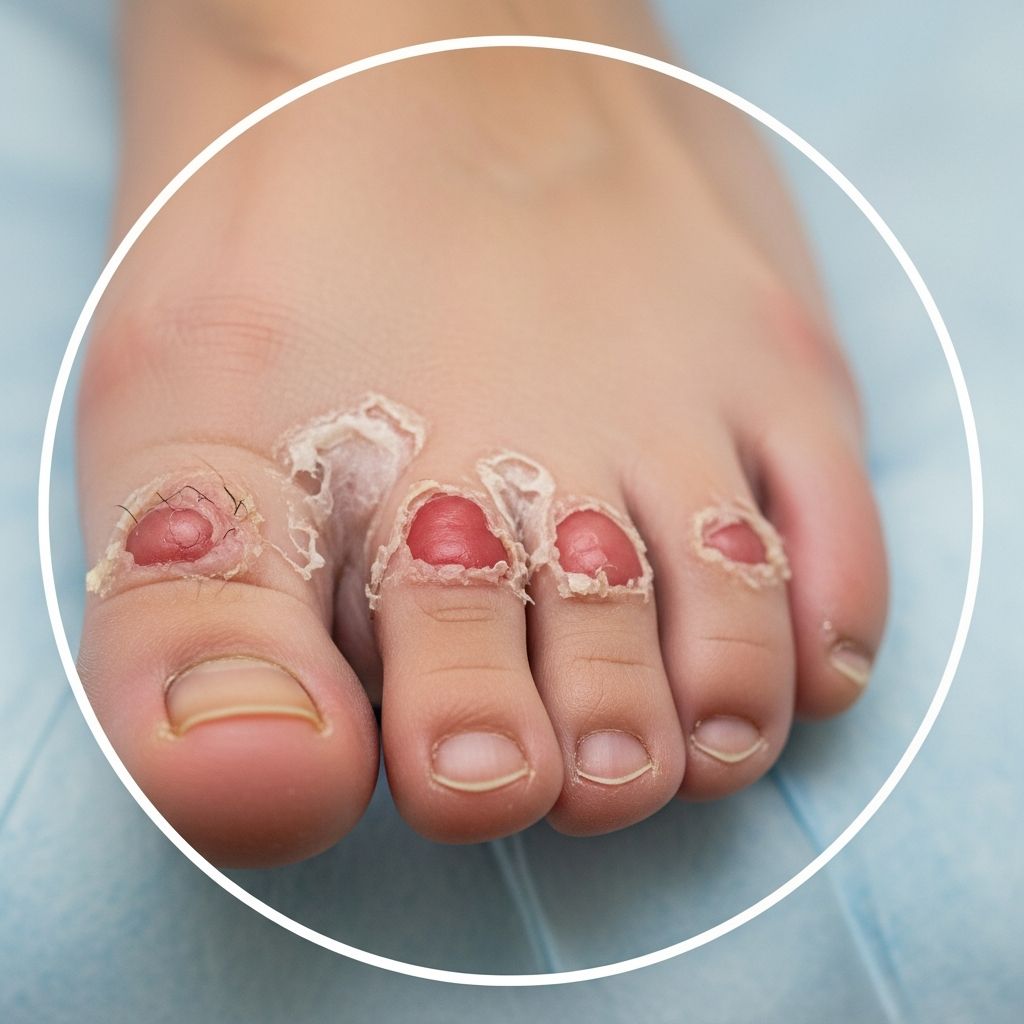
Tinea pedis is a foot infection caused by dermatophyte fungi, representing the most common dermatophyte infection worldwide. It is particularly prevalent in hot, tropical, and urban environments where warm, moist conditions favor fungal growth. Also commonly known as athlete’s foot or foot ringworm, tinea pedis affects individuals across all age groups and can spread to other body areas and between people.
Causes of Tinea Pedis
Tinea pedis is caused by fungi called dermatophytes, which require keratin—the protein that comprises skin, hair, and nails—to survive and proliferate. The three most common dermatophyte species responsible for tinea pedis infections are specific fungi adapted to colonizing the foot environment.
Risk Factors
Several environmental and personal factors increase the likelihood of developing tinea pedis:
- Environmental conditions: Hot and humid climates create optimal conditions for fungal growth
- Footwear: Prolonged wear of closed shoes and boots traps moisture and heat, promoting fungal proliferation
- Moisture exposure: Excessively sweaty feet and prolonged exposure to water increase infection risk
- Public spaces: Walking barefoot in communal areas such as pools, locker rooms, gym floors, public showers, and communal facilities exposes feet to contaminated surfaces
- Health conditions: A weakened immune system and diabetes significantly increase susceptibility
- Medications: Corticosteroids and immunosuppressants compromise immune function, increasing infection risk
Demographics
Tinea pedis affects individuals of all ages and backgrounds, though it is particularly common in warm, tropical, and urban environments. The infection spreads easily through contact with contaminated objects and surfaces, including towels, public showers, and gym floors. Athletes and individuals who frequent shared bathing facilities face elevated risk due to exposure to fungal-contaminated environments.
Clinical Features
Tinea pedis typically presents asymmetrically and may be unilateral, manifesting in one of three primary clinical patterns. Symptoms range from mild to severe and can vary significantly between individuals.
Common Symptoms
The most frequently observed clinical manifestations include:
- Skin changes: Scaly, peeling, or cracked skin between the toes is the hallmark presentation
- Pruritus: Intense itchiness, particularly immediately after removing shoes and socks
- Inflammation: Inflamed, sometimes swollen skin that may appear reddish, purplish, or grayish depending on skin tone
- Burning sensation: Burning or stinging on the bottoms of feet and between toes
- Maceration: A pale, wrinkled appearance resulting from prolonged water exposure
- Blisters: Fluid-filled blisters may develop on affected areas
- Dry, scaly skin: Persistent dryness on the soles that may extend up the foot sides
- Ulceration: Open sores (ulcers) that may appear between toes or on soles, occurring in the uncommon ulcerative type
- Odor: Unpleasant foot odor often accompanies active infection
- Pustules: Pus-containing bumps, which occur more frequently in tinea pedis compared to other dermatophyte infections
Potential Complications
Untreated or inadequately managed tinea pedis can lead to serious complications:
- Spread to nails: The fungus can invade toenails, causing thickening, discoloration, and brittleness
- Spread to hands: The infection can transfer to hands through contact with contaminated skin (tinea manuum)
- Interpersonal transmission: The fungus spreads readily to other individuals through direct contact or contaminated surfaces
- Secondary bacterial infection: Cracks and blisters provide entry points for bacteria, potentially causing serious infections such as cellulitis
- Chronic infection: Untreated infections become long-term problems, causing persistent discomfort and progressive skin damage
Diagnosis
Clinical diagnosis of tinea pedis is confirmed through mycological examination of skin specimens. The diagnostic process involves specialized laboratory testing to identify fungal elements and rule out alternative conditions.
Related Stories



Diagnostic Methods
Confirmation of tinea pedis requires:
- Skin scrapings: Specimens are collected from affected areas and processed for microscopic examination
- Potassium hydroxide (KOH) microscopy: Microscopic examination may reveal segmented hyphae characteristic of dermatophyte infection
- Culture: Fungal culture identifies the specific dermatophyte species and confirms diagnosis. Culture may not be necessary if typical fungal elements are observed on microscopy
Differential Diagnoses
Several other skin conditions present similarly to tinea pedis and must be excluded during diagnosis. The differential diagnosis includes inflammatory dermatological conditions that are typically more symmetrical and bilateral, with negative mycology results. Conditions to consider in the differential diagnosis encompass various eczematous and inflammatory foot disorders, though these conditions demonstrate different clinical patterns and negative fungal studies.
Treatment
Tinea pedis responds effectively to antifungal therapy when treatment is initiated promptly and continued appropriately. Treatment strategies depend on infection severity and individual patient factors.
General Measures (First-Line)
General preventive and therapeutic measures should be implemented first and maintained throughout treatment:
- Foot drying: Meticulous drying of feet, especially between the toes, reduces moisture that promotes fungal growth
- Footwear selection: Avoidance of occlusive footwear minimizes the warm, moist environment fungi require
- Barrier protection: Use of sandals in communal facilities (pools, locker rooms, showers) prevents exposure to contaminated surfaces
- Toe separation: Finger socks that separate toes reduce humidity between toes and help clear infection
Topical Antifungal Therapy
Topical antifungal therapy administered once or twice daily is usually sufficient for most cases. A typical course lasts 2 to 4 weeks, though single-dose regimens can be successful for mild infections.
Antifungal medications include:
- Azoles (such as clotrimazole)
- Allylamines (such as terbinafine)
- Butenafine
- Miconazole
- Ciclopirox
- Tolnaftate
Over-the-counter antifungal creams, ointments, sprays, powders, and gels are effective for most cases. Treatment should continue for several weeks after symptom resolution to ensure complete fungal elimination.
Oral Antifungal Therapy
For infections unresponsive to topical therapy or severe cases, oral antifungal agents may be necessary for several weeks. Oral medications are prescribed when topical treatments fail or the infection is extensive.
Adjunctive Treatments
Patients with the hyperkeratotic (thickened, scaly) variant of tinea pedis benefit from topical keratolytic creams containing salicylic acid or urea, used alongside antifungal agents.
Treatment Considerations
Avoid over-the-counter creams containing steroids (corticosteroids), as these may worsen athlete’s foot. Seek professional medical attention if symptoms persist beyond one month of appropriate treatment, if the infection worsens despite therapy, or if secondary bacterial infection develops with swelling, pus, or fever.
Prevention and Recurrence Minimization
Tinea pedis frequently recurs even after successful treatment. To minimize recurrence:
- Maintain strict foot hygiene with daily washing and thorough drying
- Keep feet dry, especially between toes
- Wear breathable footwear and change socks if they become damp
- Use sandals or shower shoes in communal facilities
- Avoid walking barefoot in public spaces
- Use antifungal powders in shoes or on feet if prone to recurrence
- Treat nail infections promptly to prevent spread
- Maintain good foot health through regular inspection and care
When to Seek Professional Care
Consult a healthcare provider if:
- Symptoms persist after two weeks of consistent over-the-counter treatment
- Symptoms worsen despite appropriate therapy
- Intense and severe pain and itching develop
- Swelling, pus, or persistent foot rash appear
- Signs of secondary bacterial infection emerge (excessive redness, swelling, drainage, or fever)
- You have diabetes or other immunocompromising conditions
- The infection spreads to other body areas or to other people
Frequently Asked Questions
Q: How long does tinea pedis treatment typically take?
A: Most cases respond to topical antifungal therapy within 2 to 4 weeks, though treatment should continue for several weeks after symptom resolution to ensure complete fungal elimination. Severe cases or those unresponsive to topical treatment may require oral antifungal therapy lasting several weeks.
Q: Can tinea pedis spread to other parts of the body?
A: Yes, tinea pedis can spread to toenails (causing thickening, discoloration, and brittleness) and to hands through contact with infected areas. The infection is also contagious and spreads readily to other individuals through direct contact or contaminated surfaces.
Q: Is tinea pedis contagious?
A: Yes, tinea pedis is highly contagious. The fungus spreads through direct contact with contaminated surfaces and objects, such as towels, floors, shoes, and communal bathing areas. Practicing good foot hygiene and using barrier protection in shared facilities helps prevent transmission.
Q: What over-the-counter treatments are most effective?
A: Over-the-counter antifungal creams, sprays, powders, and gels containing clotrimazole, terbinafine, miconazole, tolnaftate, and other azoles are effective for most cases. Treatment should be applied as directed and continued for several weeks after symptom resolution.
Q: Why does tinea pedis frequently recur?
A: Tinea pedis frequently recurs because the warm, moist foot environment continues to favor fungal growth, and individuals may be re-exposed to fungal spores in communal environments. Maintaining strict foot hygiene, keeping feet dry, using antifungal powders, and avoiding barefoot exposure in public spaces reduces recurrence risk.
Q: Should I use steroid creams for athlete’s foot?
A: No, you should avoid over-the-counter creams containing steroids or corticosteroids, as these may worsen athlete’s foot. Use only antifungal medications for treatment unless specifically directed otherwise by your healthcare provider.
References
- Tinea pedis: Causes, symptoms and treatment — Walgreens Blog, Anna H. Chacon, MD. 2024-09-13. https://blog.walgreens.com/health/skin-health-conditions/tinea-pedis-causes-symptoms-and-treatment.html
- Tinea pedis (fungal foot infection) — DermNet. Accessed 2026-01-28. https://dermnetnz.org/topics/tinea-pedis
- Athlete’s foot symptoms & treatment — Aurora Health Care Dermatology. https://www.aurorahealthcare.org/services/dermatology/athletes-foot
- Athlete’s foot — Symptoms and causes — Mayo Clinic. https://www.mayoclinic.org/diseases-conditions/athletes-foot/symptoms-causes/syc-20353841
- What Causes Athlete’s Foot and How to Get Rid of It Fast — St. Cloud Foot & Ankle. https://www.stcloudfootankle.com/library/athletes-foot-overview.cfm
- Tinea Pedis (Athlete’s Foot) — Dermatologic Disorders — Merck Manuals. https://www.merckmanuals.com/professional/dermatologic-disorders/fungal-skin-infections/tinea-pedis-athlete-s-foot
Similar Articles








Read full bio of medha deb