Tinea Skin Infections: Complete Guide To Diagnosis & Care
Comprehensive guide to understanding, preventing, and treating common fungal skin infections known as tinea or ringworm.
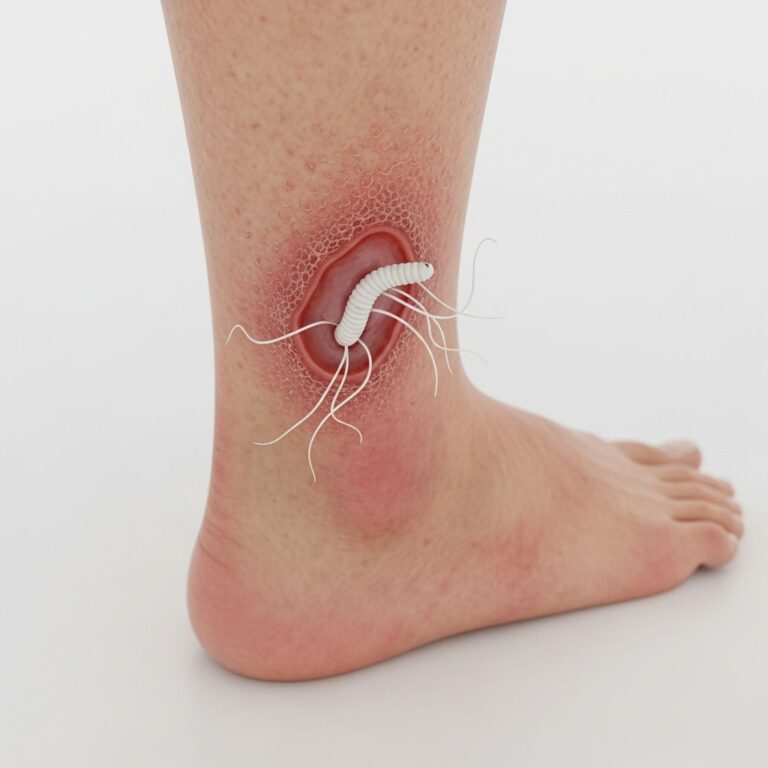
Tinea infections, commonly referred to as ringworm despite not involving any worms, represent a group of superficial fungal conditions affecting the skin, hair, and nails. These infections arise from dermatophyte fungi that thrive on keratinized tissues, leading to itchy, scaly rashes often with distinctive ring-like patterns. Understanding these infections is crucial for effective management and prevention, as they spread easily through direct contact or shared items.
What Causes Tinea Infections?
Dermatophytes from genera such as Trichophyton, Epidermophyton, and Microsporum are the primary culprits behind tinea. Trichophyton rubrum dominates, accounting for 80-90% of cases, followed by species like T. mentagrophytes and M. canis. These fungi invade the outer layers of skin by attaching to keratin, flourishing in warm, moist environments. Transmission occurs via skin-to-skin contact with infected humans or animals, or indirectly through contaminated surfaces like towels, floors, or soil.
Immunocompromised individuals face higher risks of widespread infections, where lesions may merge into larger patches. Athletes in contact sports, such as wrestling, are prone to outbreaks like tinea corporis gladiatorum due to close physical interactions. Pets, especially cats and dogs, often harbor M. canis, facilitating zoonotic spread.
Recognizing the Signs and Symptoms
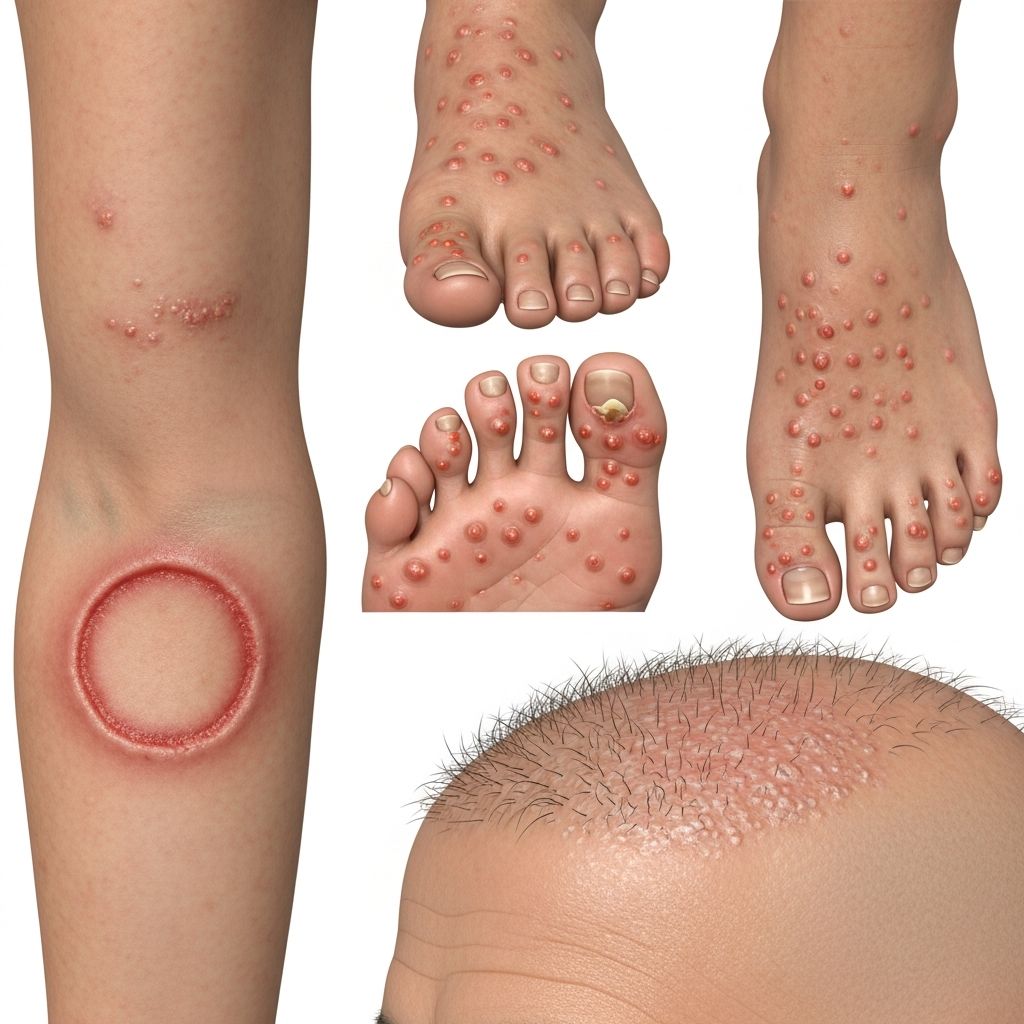
Tinea manifests differently based on the infected site but shares common features: itching, redness, scaling, and annular (ring-shaped) lesions with central clearing and raised borders. Early stages might involve mild itching and scaling, progressing to vesicles, crusting, or pustules in advanced cases.
- Itching and burning: Persistent discomfort, especially in moist areas.
- Scaly patches: Red, flaky skin that spreads outward.
- Ring formation: Clear center with advancing scaly edge.
- Secondary issues: Cracking, peeling, blisters, or bacterial superinfections leading to pain and swelling.
In children, scalp involvement may cause hair loss in patches, while nail infections lead to thickening, discoloration, and brittleness. Severe reactions like kerions—boggy, pus-filled swellings—can occur, particularly on the scalp.
Common Types of Tinea Infections
Tinea is classified by body location, each with unique presentations and risk factors. Here’s a breakdown:
| Type | Location | Key Features | Common In |
|---|---|---|---|
| Tinea corporis | Body (trunk, arms, legs) | Annular plaques with scaly borders; itchy rings | All ages, athletes |
| Tinea capitis | Scalp | Alopecia patches, black dots, scaling; may form kerions | Children |
| Tinea cruris | Groin, thighs | Red, itchy rash in skin folds; worsens with sweat | Adult males |
| Tinea pedis | Feet (athlete’s foot) | Cracked skin between toes, blisters, peeling | Adults in damp environments |
| Onychomycosis | Nails | Thickened, discolored, brittle nails | Those with foot tinea |
Tinea versicolor, caused by Malassezia yeast rather than dermatophytes, produces hypo- or hyperpigmented patches on the trunk, common in humid climates. Note: It’s distinct from true tinea but often confused due to similar appearances.
How Tinea Spreads: Transmission Pathways
These fungi spread efficiently in communal settings like gyms, pools, and locker rooms. Direct contact with lesions or carriers (asymptomatic shedders) is primary, alongside fomites like clothing or combs. Animal sources contribute significantly; for instance, stray cats transmit M. canis to children.
Outbreaks of drug-resistant strains are rising globally, complicating control efforts. Occupational risks exist in industries with sweaty, enclosed footwear, such as mining.
Related Stories



Diagnosis: Confirming a Fungal Infection
Clinical appearance often suffices for diagnosis, but confirmation via microscopy (KOH prep showing hyphae) or fungal culture is recommended, especially before systemic therapy. Wood’s lamp may fluoresce certain species like M. canis. Biopsy is rare but useful for atypical or resistant cases. Differentiate from eczema, psoriasis, or pityriasis rosea, which mimic tinea.
Treatment Options for Tinea
Management hinges on site, extent, and patient factors. Topical antifungals suffice for most localized infections.
Topical Therapies
- Allylamines (e.g., terbinafine): Applied 1-2 weeks; highly effective against dermatophytes.
- Azoles (e.g., clotrimazole, miconazole): Twice daily for 2-4 weeks.
- For feet/scalp: Antifungal shampoos like ketoconazole.
Oral Medications
Necessary for scalp, nails, or extensive disease: terbinafine (250mg daily, 2-6 weeks), itraconazole, or griseofulvin (children). Monitor liver function with prolonged use.
Special Considerations
Nail infections require 3-12 months of therapy due to slow growth. Combine topicals with orals for better outcomes. Address resistance by culture-guided therapy.
Home care: Keep areas dry, use breathable fabrics, avoid sharing items. Secondary bacterial infections may need antibiotics.
Prevention Strategies to Avoid Tinea
Proactive measures curb spread:
- Wash and dry skin thoroughly, especially feet and groin.
- Wear sandals in public showers; change socks daily.
- Avoid tight, non-breathable clothing.
- Treat pets promptly if symptomatic.
- Disinfect surfaces and laundry in hot water.
In high-risk groups like wrestlers, daily antifungals prevent outbreaks.
When to Seek Medical Help
Consult a doctor if rash spreads, persists beyond 2 weeks of OTC treatment, involves scalp/nails, or shows signs of infection (pus, fever). Immunosuppressed patients warrant prompt evaluation.
Frequently Asked Questions (FAQs)
Is ringworm contagious?
Yes, highly so via direct contact or fomites until treated.
Can tinea affect nails?
Yes, causing onychomycosis; treat with prolonged antifungals.
How long does treatment take?
1-4 weeks for skin; months for nails.
Is tinea versicolor the same as ringworm?
No, it’s yeast-based, not dermatophyte.
Can children get tinea capitis?
Commonly; screen family contacts.
Emerging Challenges: Drug-Resistant Tinea
Recent surges in resistant strains, particularly T. indotineae, demand vigilance. Global spread via travel underscores the need for accurate diagnosis and adherence to therapy.
References
- Tinea Corporis – StatPearls — NCBI Bookshelf. 2023-08-08. https://www.ncbi.nlm.nih.gov/books/NBK544360/
- Clinical Overview of Ringworm and Fungal Nail Infections — CDC. 2023-10-01. https://www.cdc.gov/ringworm/hcp/clinical-overview/index.html
- Diagnosis and Management of Tinea Infections — American Academy of Family Physicians. 2014-11-15. https://www.aafp.org/pubs/afp/issues/2014/1115/p702.html
- Tinea — Better Health Channel (Vic.gov.au). 2023. https://www.betterhealth.vic.gov.au/health/conditionsandtreatments/tinea
- Ringworm (tinea) — World Health Organization. 2024-05-20. https://www.who.int/news-room/fact-sheets/detail/ringworm-(tinea)
- Tinea Versicolor — Rady Children’s Hospital. 2023. https://www.rchsd.org/health-article/tinea-versicolor/
Similar Articles








Read full bio of Sneha Tete