Tinea Versicolor: Causes, Symptoms, and Treatment
Complete guide to tinea versicolor: Understanding fungal skin infection and effective treatment options.
Understanding Tinea Versicolor: A Comprehensive Guide
Tinea versicolor, also known as pityriasis versicolor, is a common fungal skin infection that affects millions of people worldwide. This condition is characterized by patches of discolored skin that may appear lighter or darker than the surrounding skin tone. Unlike many other fungal infections, tinea versicolor is not contagious and typically does not cause significant physical discomfort, though it can create emotional distress due to its visible nature. The infection is caused by an overgrowth of Malassezia yeast, which naturally occurs on human skin but becomes problematic under certain conditions.
What Causes Tinea Versicolor?
Tinea versicolor develops when Malassezia yeast, a naturally occurring fungus on healthy skin, undergoes abnormal overgrowth. Several factors can trigger this overgrowth and lead to the development of this fungal infection.
Risk Factors and Triggers
Multiple environmental and physiological factors contribute to tinea versicolor development:
– Oily or sebum-rich skin that provides an ideal environment for yeast proliferation- Hot and humid climates that create conditions favorable for fungal growth- Excessive sweating, whether from physical activity or climatic conditions- Hormonal fluctuations that can alter skin chemistry and immune response- Weakened immune system function that reduces the body’s ability to control fungal growth- Use of topical corticosteroids, which can suppress local immune responses- Genetic predisposition and family history of fungal infections
The condition is most prevalent among teenagers and young adults, though it can affect individuals of any age or skin color. Interestingly, tinea versicolor is not contagious because the yeast naturally exists on everyone’s skin; the infection only develops when specific conditions allow for overgrowth.
Recognizing Symptoms and Clinical Features
Tinea versicolor presents with distinctive skin manifestations that help healthcare providers identify the condition. Understanding these symptoms is crucial for early recognition and treatment.
Primary Symptoms
The characteristic features of tinea versicolor include:
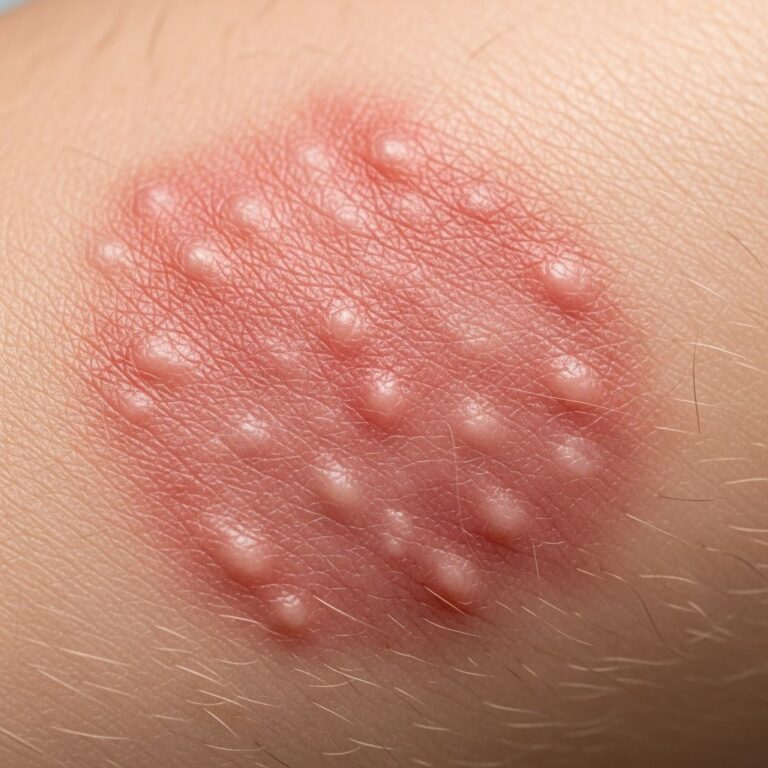
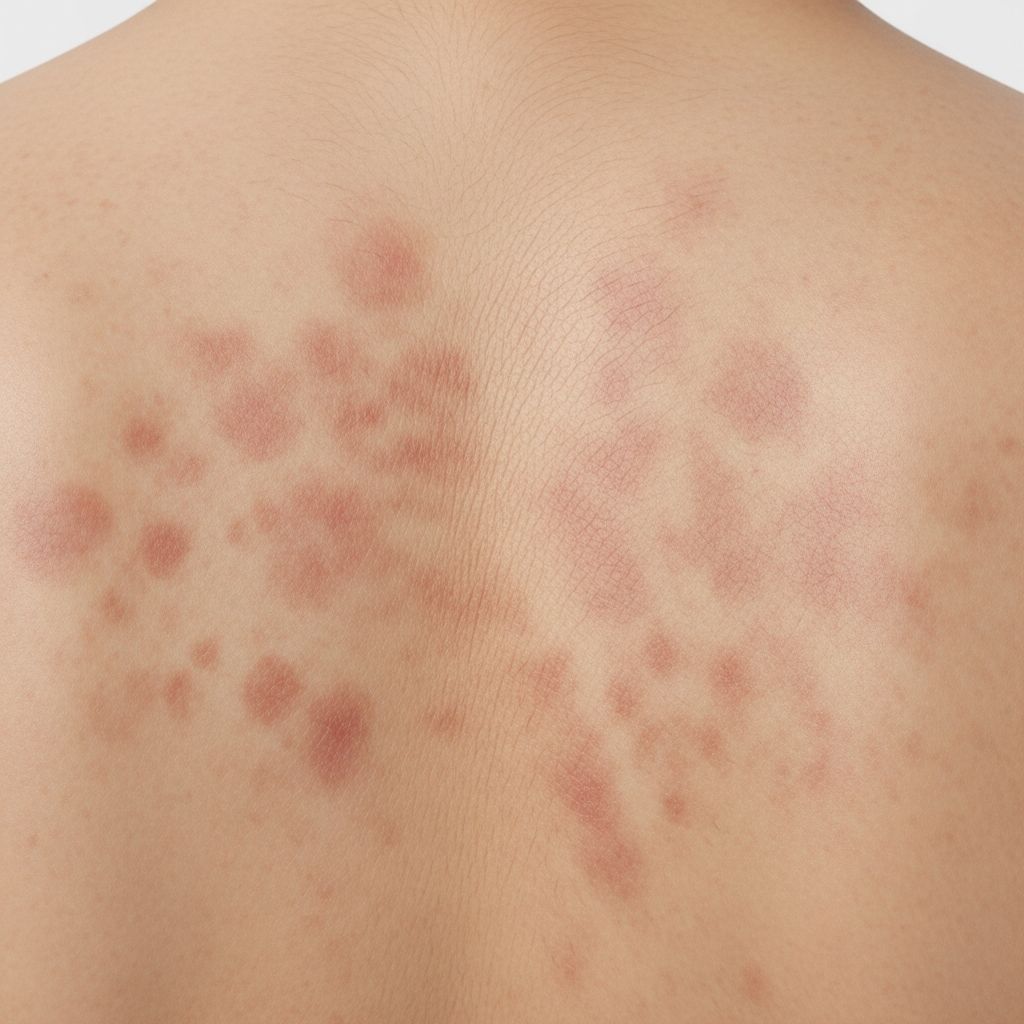
– Patches of skin that are lighter or darker than surrounding healthy skin- Affected areas commonly appearing on the back, chest, neck, and upper arms- Lesions that may be white, pink, red, or brown in appearance- Spots that fail to tan normally, becoming more noticeable during sun exposure- Mild itchiness or discomfort in affected areas- Scaly or slightly textured skin surface within infected patches- Multiple lesions that tend to coalesce and cluster together
The discoloration occurs because acidic substances produced by the growing yeast interfere with normal skin pigmentation. This interference prevents affected areas from tanning evenly with the rest of the body, making the condition more apparent during summer months or after sun exposure.
Diagnosis Methods and Procedures
Healthcare providers employ several diagnostic techniques to confirm tinea versicolor and rule out other skin conditions that may present similarly.
Clinical Evaluation
The diagnosis is usually clinical, based on the characteristic features including multiple hypopigmented or hyperpigmented, centrally coalescing, oval to round, finely scaling macules or patches and the characteristic “evoked scale sign” observed upon gentle scraping. However, given the varied presentations of tinea versicolor, healthcare providers may utilize additional diagnostic methods to confirm their clinical suspicion.
Wood Lamp Examination
During a Wood lamp (black light) examination, doctors use ultraviolet light to visualize affected areas. Infected skin typically appears as fluorescent coppery orange or golden color under this specialized light, helping differentiate tinea versicolor from other skin conditions.
Related Stories



Potassium Hydroxide (KOH) Microscopy
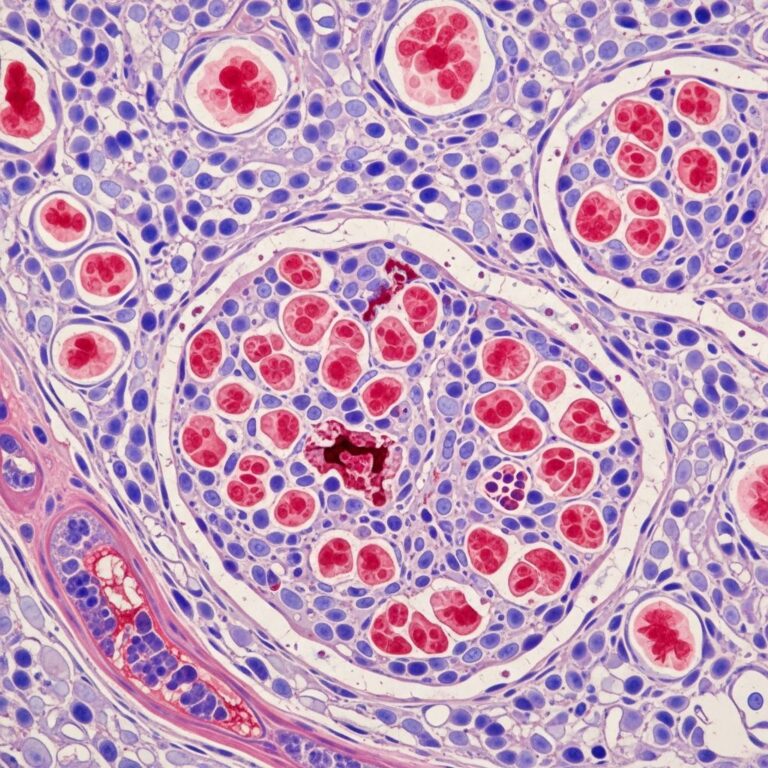
For definitive diagnosis, healthcare providers may perform KOH microscopy. This involves removing cells from affected skin, treating them with potassium hydroxide solution, and examining them under a microscope. This test can reveal the characteristic “spaghetti and meatballs” appearance of Malassezia yeast, confirming the diagnosis.
Treatment Options and Management Strategies
Tinea versicolor typically does not clear up on its own and requires active treatment with antifungal medications. Treatment approaches vary based on disease extent, location, and individual patient factors.
Topical Antifungal Therapy
Most patients respond effectively to topical antifungal treatments, which are considered the first-line therapy for tinea versicolor. These medications offer several advantages over systemic alternatives:
– Superior safety profile with fewer adverse events- Minimal drug interactions- Lower overall treatment costs- Faster localized action on affected skin areas- Reduced systemic burden on the body
Common topical antifungal agents include terbinafine 1% cream, ketoconazole 2% cream, bifonazole, and butenafine. Clinical studies demonstrate that topical terbinafine achieves cure rates of approximately 96%, while ketoconazole achieves around 88% cure rates after two weeks of treatment. Relapse rates at three months follow-up are significantly lower with terbinafine (8.33%) compared to ketoconazole (13.53%).
Oral Antifungal Therapy
Systemic antifungal medications are typically reserved for specific clinical situations:
– Extensive disease covering large body surface areas- Frequent recurrences despite topical treatment- Disease refractory to topical antifungal therapy- Areas difficult to access with topical medications
Oral medications commonly prescribed include fluconazole, itraconazole, and ketoconazole. These systemic agents may be combined with topical therapy in resistant or stubborn cases to enhance therapeutic effectiveness.
Treatment Duration and Timeline
The healing timeline for tinea versicolor varies depending on treatment intensity and individual response:
– Scaly patches typically smooth over within 2-4 weeks of treatment initiation- Complete resolution of skin discoloration may require 6 months to one year- Continued treatment may be necessary in warm climates during summer months- Maintenance therapy helps prevent recurrence in susceptible individuals
Advanced and Alternative Treatment Approaches
Beyond traditional antifungal medications, emerging therapies show promise for tinea versicolor management.
Laser and Photodynamic Therapies
Limited but promising research has documented successful tinea versicolor treatment using:
– 308-nm excimer laser therapy for targeted skin lesions- Narrow-band ultraviolet (UV)-B phototherapy for broader treatment areas- 5-aminolevulinic acid photodynamic therapy- Methylene blue photodynamic therapy
While these approaches demonstrate efficacy in preliminary studies, well-designed, large-scale, multicentre randomized controlled trials are needed to establish their role in clinical practice and compare their effectiveness to conventional antifungal treatments.
Preventing Recurrence and Long-term Management
Tinea versicolor frequently recurs, particularly in individuals living in warm, humid climates or those with predisposing factors. Several strategies can help minimize recurrence risk:
Environmental Control: Avoiding prolonged sweating, maintaining good skin hygiene, and wearing breathable clothing reduces conditions favorable for fungal growth. Those living in tropical or subtropical climates may benefit from regular prophylactic antifungal application during warm seasons.
Lifestyle Modifications: Regular bathing, thorough drying of skin folds, and avoiding excessive heat and humidity help prevent recurrence. Individuals prone to tinea versicolor should consider using antifungal body washes or shampoos, particularly during high-risk seasons.
Regular Monitoring: Periodic self-examination and prompt treatment of early signs help prevent extensive disease development. Individuals with recurrent infections should maintain regular follow-up appointments with their healthcare provider.
Distinguishing Tinea Versicolor from Similar Conditions
Several skin conditions present similarly to tinea versicolor, making accurate differential diagnosis essential for appropriate treatment.
| Condition | Key Differences | Distinguishing Features |
|---|---|---|
| Vitiligo | Affects different body areas; causes smooth depigmented patches | Complete pigment loss; no scaling; autoimmune origin |
| Pityriasis Rosea | Viral etiology; different distribution pattern | “Christmas tree” distribution; herald patch; self-limited course |
| Melasma | Hyperpigmentation only; different facial distribution | Symmetric facial pattern; hormonal trigger; no fungal component |
| Ringworm | Contagious; circular rings with central clearing | Active border; contagious nature; different organism |
Frequently Asked Questions
Is tinea versicolor contagious?
No, tinea versicolor is not contagious. Unlike some fungal infections such as ringworm, this condition cannot spread from person to person. The Malassezia yeast naturally exists on everyone’s skin, and the infection only develops when specific conditions trigger overgrowth in susceptible individuals.
How long does tinea versicolor treatment take?
Scaly patches typically resolve within 2-4 weeks of starting treatment. However, skin discoloration may take considerably longer to fade, ranging from 6 months to one year. Complete color restoration requires patience and consistent treatment adherence.
Can tinea versicolor go away on its own?
No, tinea versicolor typically does not resolve without treatment. Active antifungal therapy is necessary to eliminate the infection and restore normal skin appearance. Without treatment, the condition often persists or worsens.
Why does tinea versicolor recur so frequently?
Tinea versicolor recurs frequently because the Malassezia yeast remains on the skin even after successful treatment. In individuals with predisposing factors—such as oily skin, warm climate residence, or genetic susceptibility—conditions can again favor fungal overgrowth, leading to recurrence. Preventive measures and maintenance therapy help reduce recurrence rates.
Does sun exposure worsen tinea versicolor?
Sun exposure does not directly worsen the infection but makes it more visible. Because affected skin cannot tan normally, the contrast between infected and healthy skin becomes more apparent after sun exposure, making the condition seem more pronounced during summer months.
When to Seek Medical Attention
Individuals should consult a healthcare professional if:
– Skin discoloration does not improve with self-care measures or home remedies- The fungal infection returns after successful treatment- Infected patches cover large areas of the body- Symptoms cause significant emotional distress or affect quality of life- New symptoms develop or existing symptoms worsen despite treatment- There is uncertainty about the diagnosis or appropriate treatment approach
Conclusion
Tinea versicolor is a common, treatable fungal infection that affects skin pigmentation and appearance. While not contagious or medically serious, it can cause emotional concern due to visible discoloration. With appropriate antifungal therapy—typically topical treatments as first-line management—most patients achieve excellent clinical responses within 2-4 weeks. However, complete resolution of skin discoloration may require several months. Understanding risk factors, recognizing early symptoms, and implementing preventive strategies help manage this condition effectively and reduce recurrence rates. Those experiencing symptoms should seek professional medical evaluation for accurate diagnosis and appropriate treatment recommendations tailored to their specific circumstances.
References
- Tinea versicolor: an updated review — PubMed Central/NIH. 2022. https://pmc.ncbi.nlm.nih.gov/articles/PMC9677953/
- Tinea Versicolor: Cause, Symptoms, and Treatments — WebMD. 2024. https://www.webmd.com/skin-problems-and-treatments/tinea-versicolor-cause-symptoms-treatments
- Tinea versicolor – Symptoms & causes — Mayo Clinic. 2024. https://www.mayoclinic.org/diseases-conditions/tinea-versicolor/symptoms-causes/syc-20378385
- Fungal Infection (Mycosis): Types, Causes & Treatments — Cleveland Clinic. 2024. https://my.clevelandclinic.org/health/diseases/24401-fungal-infections-mycosis
- Skin Discoloration: Causes, Conditions & Treatments — Cleveland Clinic. 2024. https://my.clevelandclinic.org/health/symptoms/11014-skin-discoloration
Similar Articles








Read full bio of medha deb