Tinea Versicolor Treatment: Top Remedies And Prevention Tips
Effective treatments for tinea versicolor, from topical antifungals to preventive strategies for lasting relief.
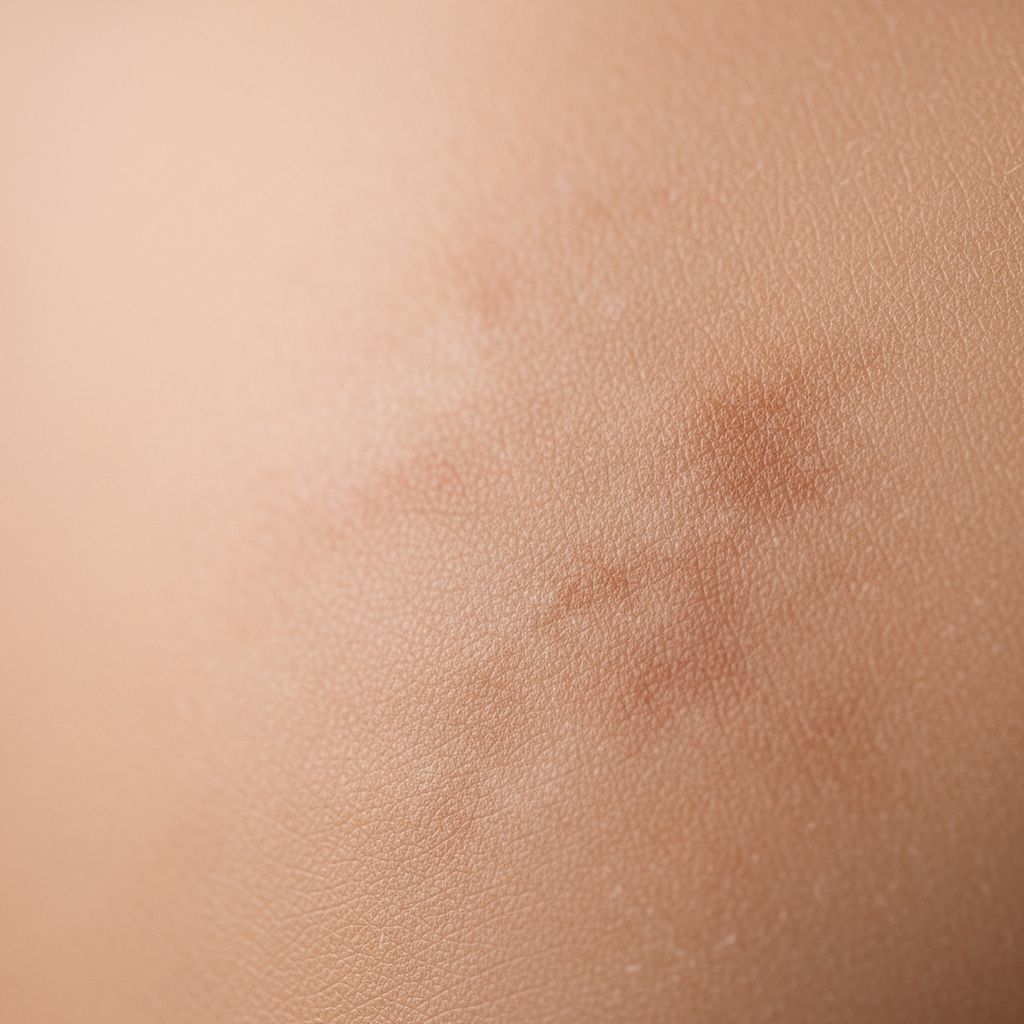
Tinea versicolor, also known as pityriasis versicolor, is a common fungal skin infection caused by an overgrowth of Malassezia yeast naturally present on the skin. It leads to discolored patches that are lighter or darker than surrounding skin, often on the trunk, arms, neck, or forehead. While not harmful or contagious, it can be cosmetically concerning and recurrent in warm, humid conditions. Treatment typically involves antifungal medications, with topical options preferred for their safety and efficacy. Skin color changes may persist for months even after the fungus is eradicated, but consistent therapy resolves the infection in most cases.
What Is Tinea Versicolor?
Tinea versicolor affects the outer layer of the skin, where Malassezia yeast shifts from a harmless form to hyphal growth, producing azelaic acid that inhibits melanin production and causes hypopigmentation or hyperpigmentation. It is most prevalent in adolescents and young adults in tropical climates due to factors like heat, humidity, oily skin, sweating, and immunosuppression. Unlike other fungal infections, it does not spread person-to-person. The condition is superficial, with characteristic fine scales and sharp-bordered patches that fail to tan in the sun.
Symptoms of Tinea Versicolor
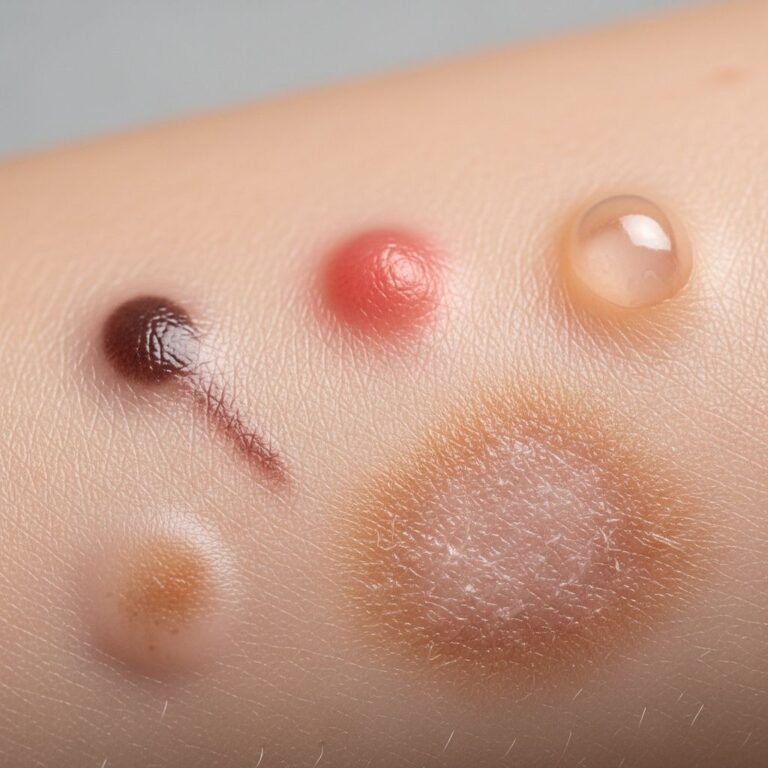
Symptoms include oval or irregular patches of skin discoloration, typically 1-3 cm in size, that may merge into larger areas. Common features are:
- Lighter or darker patches compared to normal skin, especially noticeable after sun exposure
- Fine, powdery scales on scraping
- Mild itching, worsened by heat or sweat
- Increased sweating and mild inflammation in affected areas
- Preference for oily body areas like the back, chest, upper arms, neck, and axillae; forehead in children
In people with darker skin tones, patches may appear hypopigmented or hyperpigmented. The infection thrives in warm environments, often flaring in summer.
Causes and Risk Factors
The primary cause is Malassezia species (e.g., M. globosa, M. furfur), a commensal yeast that overgrows under certain conditions. Risk factors include:
- Warm, humid weather
- Oily skin or excessive sweating
- Use of occlusive lotions or oils
- Hormonal changes in adolescence
- Immunosuppression (e.g., corticosteroids, pregnancy)
- Genetic predisposition
It is not caused by poor hygiene and affects all ages, though teens are most susceptible.
How Is Tinea Versicolor Diagnosed?
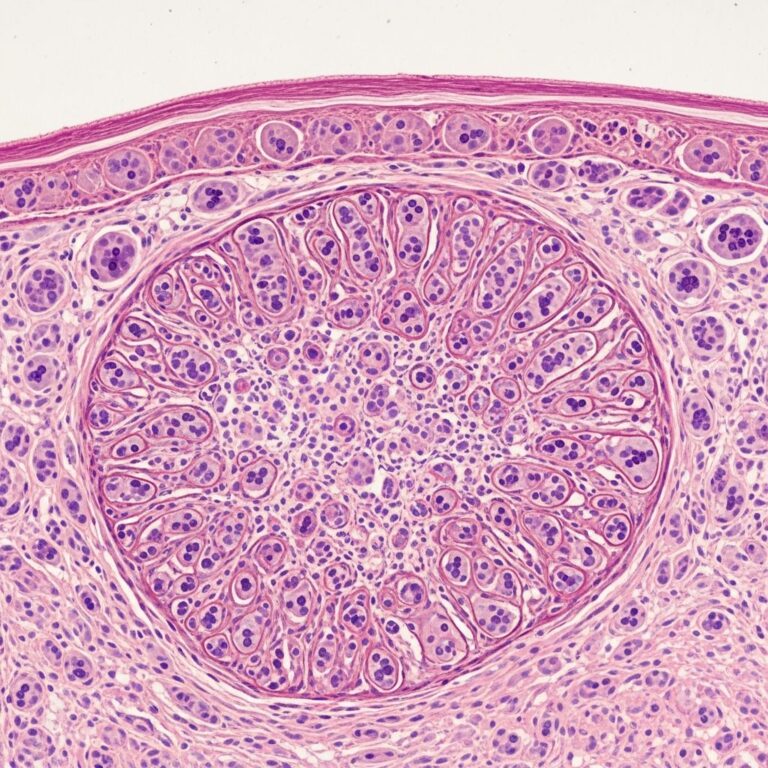
Diagnosis is clinical but confirmed via microscopy. Providers perform a KOH preparation of skin scrapings, revealing ‘spaghetti-and-meatballs’ hyphae and yeast under 10% potassium hydroxide. Wood’s lamp shows yellow-green fluorescence in hypopigmented lesions. Rarely, a PAS-stained biopsy identifies fungal elements. Differential diagnoses include vitiligo, pityriasis alba, and seborrheic dermatitis.
Tinea Versicolor Treatment Options
Most cases respond to topical antifungals, which are first-line due to low cost, minimal side effects, and high efficacy (cure rates 80-95% with NNT 1-3). Treatment duration is 1-4 weeks. Oral therapy is for extensive, recurrent, or refractory disease.
Topical Antifungal Treatments
These target the yeast directly with excellent safety profiles.
- Ketoconazole 2% cream/shampoo: Apply daily for 5-7 days or shampoo weekly for prevention. Cure rates ~88-96%.
- Selenium sulfide 2.5% shampoo/lotion: Most cost-effective; apply 10 minutes daily for 3-7 days.
- Terbinafine 1% cream: Twice daily for 1-2 weeks; mycological cure 96%.
- Clotrimazole cream: Effective and affordable; 96% clinical cure.
- Butenafine 1% cream: 91.7% effective response in 2 weeks.
- Zinc pyrithione 1% shampoo: 100% clearance in trials when left on 5 minutes daily for 2 weeks.
Related Stories



Side effects are rare: mild irritation or allergy.
Oral Antifungal Medications
Reserved for widespread involvement.
| Medication | Dosage | Cure Rate | Notes |
|---|---|---|---|
| Fluconazole | 300-400 mg weekly x 2-4 weeks | High | Preferred for extensive disease |
| Itraconazole | 200 mg daily x 5-7 days | High | Fewer drug interactions |
| Ketoconazole | 400 mg single dose or 200 mg daily x 5 days | ~90% | Rare hepatotoxicity risk |
Oral therapy relapses less but monitor liver function. Combination topical/oral for resistant cases.
Home Remedies and Over-the-Counter Options
OTC dandruff shampoos are frontline home treatments.
- Selenium sulfide or ketoconazole shampoo: Lather on affected areas 10 minutes daily x 1 week, rinse.
- Tea tree oil (diluted): Antifungal properties, but evidence limited; patch test.
- Aloe vera: Soothes irritation, adjunctive.
- Apple cider vinegar: Keratolytic, anecdotal use diluted 1:1 with water.
- Propylene glycol 50%: Daily for 2 weeks, 100% cure in small study.
Avoid if irritation occurs; consult a doctor for persistence.
Advanced and Alternative Therapies
Limited evidence supports:
- 308-nm excimer laser, UVB phototherapy, photodynamic therapy: Promising but needs RCTs.
- Cycloserine (transaminase inhibitor): Clears hyperpigmentation in preliminary study.
Not standard due to lack of large trials.
How Long Does It Take for Tinea Versicolor to Go Away?
Fungus clears in 1-4 weeks with treatment, but pigmentation normalizes in 1-6 months as skin renews. Persistence beyond 3 months warrants re-evaluation.
Prevention Tips for Tinea Versicolor
Recurrence is common (40-60% in 12 months). Strategies:
- Monthly prophylactic shampoo (selenium sulfide/ketoconazole) during summer.
- Wear breathable fabrics; shower after sweating.
- Avoid heavy oils/lotions.
- Use topical antifungals at season start.
Prophylaxis reduces relapses significantly.
When to See a Doctor
Seek care if OTC fails after 2 weeks, extensive rash, fever, or immunosuppression. Early treatment prevents spread.
Frequently Asked Questions (FAQs)
Is tinea versicolor contagious?
No, it is not person-to-person; caused by normal skin yeast overgrowth.
Does tinea versicolor go away on its own?
It may self-resolve but often persists or recurs without treatment.
Can I treat tinea versicolor with home remedies?
Yes, OTC shampoos work well; see a doctor if no improvement.
How long after treatment do skin patches fade?
1-6 months; scales disappear first, indicating cure.
Why does tinea versicolor recur?
Due to favorable conditions like heat/humidity; use prophylaxis.
References
- Tinea versicolor: an updated review — Elewski BE et al. PMC. 2022-11-14. https://pmc.ncbi.nlm.nih.gov/articles/PMC9677953/
- Tinea versicolor — MedlinePlus Medical Encyclopedia. NIH. 2024-10-14. https://medlineplus.gov/ency/article/001465.htm
- Pityriasis Versicolor (Formerly Tinea Versicolor) — American Academy of Pediatrics. AAP Red Book. 2024. https://publications.aap.org/redbook/book/755/chapter/14080458/Pityriasis-Versicolor-Formerly-Tinea-Versicolor
Similar Articles








Read full bio of medha deb