Tinnitus: Causes, Symptoms, and Management
Understanding tinnitus: Learn about causes, symptoms, and evidence-based management strategies.
What Is Tinnitus?
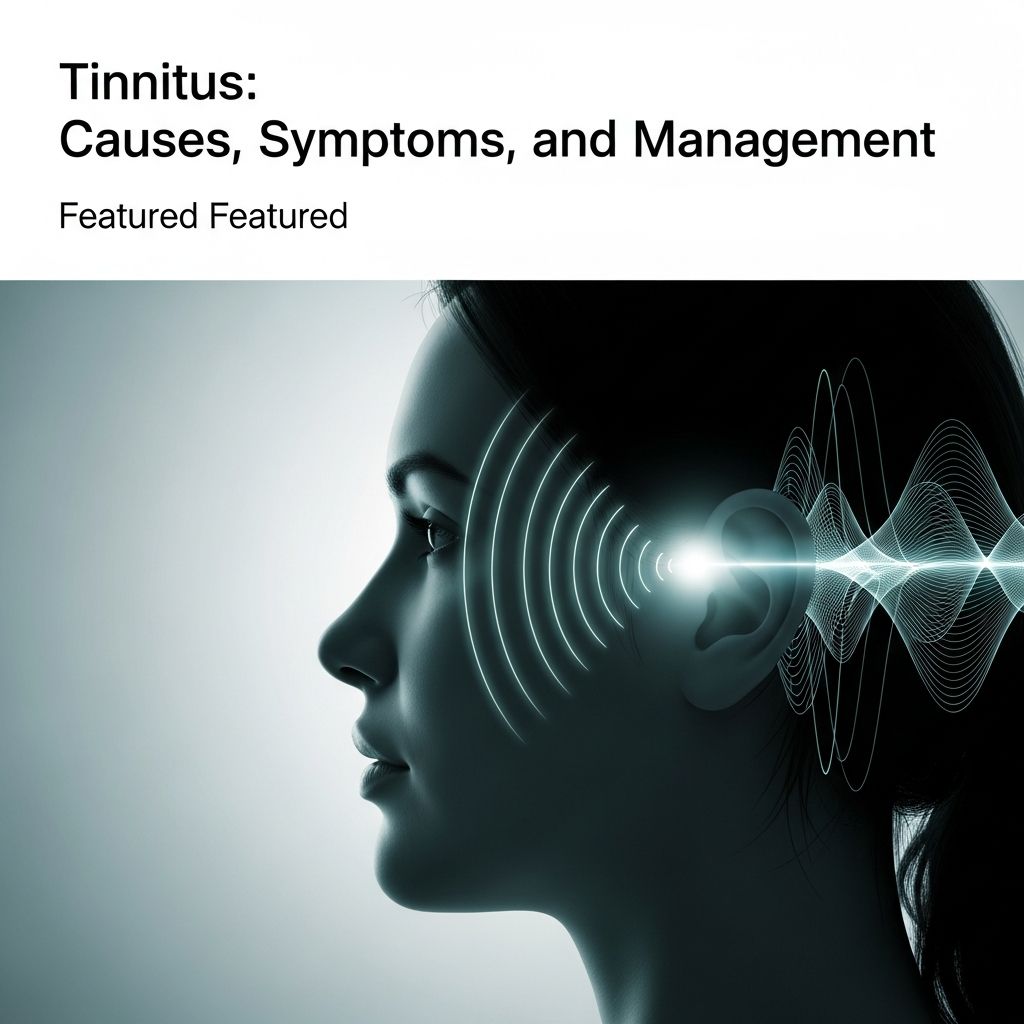
Tinnitus is the perception of sound when no external sound is present. It is commonly described as a ringing in the ears, but the sound can take many different forms. For more than 25 million people in the United States, tinnitus is a regular experience that affects their daily life and well-being. The condition can manifest as ringing, buzzing, whistling, hissing, roaring, whooshing, or even the sound of crickets. Some patients report experiencing multiple sounds simultaneously, and the condition can affect one ear or both ears.
While tinnitus is often perceived as a minor annoyance, for over 12 million people, the symptoms are severe enough to interfere with essential daily activities such as conversation, work, sleep, and concentration. The impact on quality of life can be significant, and many patients seek medical help to better understand and manage their condition.
Understanding the Prevalence and Impact
Tinnitus is remarkably common, affecting a substantial portion of the population. The condition can develop at any age, though it becomes more prevalent as people get older. The severity of tinnitus varies widely among individuals—some people experience mild symptoms that barely notice, while others find their tinnitus deeply distressing and life-altering.
The psychological and emotional impact of tinnitus should not be underestimated. Chronic tinnitus can lead to sleep disturbances, difficulty concentrating, anxiety, and depression. The constant presence of unwanted sound can make it challenging to maintain focus at work or school, enjoy social activities, or find moments of peace and quiet.
What Causes Tinnitus?
The precise cause of tinnitus is unknown and often mysterious. However, substantial evidence indicates that tinnitus results from plastic changes in the auditory system and altered neural activity patterns. Understanding potential contributing factors is an essential first step in managing the condition.
Hearing Loss as a Primary Factor
The most common cause of tinnitus is hearing loss. When the inner ear experiences damage or changes in function, the brain receives less auditory stimulation than it previously did. The brain, however, continues to attempt firing at the rate it always has. This mismatch between expected and actual auditory input can lead to spontaneous neural firing where no external stimulus exists—a phenomenon often compared to phantom limb syndrome experienced by amputees. When hearing recovers from temporary conditions such as upper-respiratory illness, the tinnitus often subsides as well.
Exposure to Loud Noise
Prolonged exposure to loud sounds, whether occupational or recreational, is a well-recognized cause of tinnitus. Individuals working in noisy environments, musicians, and those who frequently attend loud events face increased risk of developing tinnitus.
Age-Related Changes
As people age, natural changes occur in the auditory system that can contribute to tinnitus development. Age-related hearing loss, known as presbycusis, is common in older adults and can be accompanied by tinnitus.
Temporomandibular Joint Disorder
Research has established an association between disorders involving the temporomandibular joints, the muscles of mastication, and the teeth with tinnitus occurrence. A Cleveland Clinic study of 109 patients with temporomandibular disorder found that 36% experienced tinnitus, suggesting a notable connection between jaw and ear health.
Related Stories



Vascular and Neurological Conditions
Some cases of tinnitus are pulsatile in nature, meaning the sound synchronizes with the heartbeat. This type of tinnitus can result from vascular abnormalities, such as irregular blood flow through vessels near the ear. Certain neurological conditions and medications can also contribute to tinnitus development.
Other Contributing Factors
Additional causes and triggers of tinnitus include earwax impaction, ear infections, head or neck injuries, certain medications, high blood pressure, cardiovascular disease, and metabolic disorders. Viral infections, including upper-respiratory illnesses and conditions like COVID-19, can temporarily trigger or exacerbate tinnitus.
Recognizing Symptoms and Characteristics
Tinnitus symptoms extend beyond the simple perception of sound. Understanding the specific characteristics of your tinnitus can help healthcare providers identify underlying causes and develop appropriate management strategies.
Sound Characteristics
Tinnitus can present in various forms. The most common description is ringing, but patients also report buzzing, hissing, roaring, whooshing, humming, clicking, and even the sound of crickets or machinery. Some individuals experience pulsatile tinnitus, where the sound synchronizes with their heartbeat, creating a rhythmic sensation rather than constant noise.
Duration and Pattern
Tinnitus can be constant, present throughout the day and night, or intermittent, coming and going unpredictably. The pattern of occurrence can provide valuable diagnostic information about underlying causes.
Unilateral Versus Bilateral
Some people experience tinnitus in both ears simultaneously, while others perceive the sound in only one ear. Unilateral tinnitus (affecting one ear) warrants particular attention and should prompt medical evaluation, as it can indicate specific underlying conditions requiring treatment.
Red Flags and When to Seek Medical Attention
While many cases of tinnitus are benign, certain warning signs indicate the need for prompt medical evaluation. These red flags include unilateral tinnitus, pulsatile tinnitus, tinnitus associated with sudden hearing loss, tinnitus accompanied by pressure or fullness in the ears, tinnitus with associated vertigo or dizziness, or tinnitus that represents a significant change from the patient’s baseline experience.
Additionally, if tinnitus is accompanied by neurological symptoms, facial pain, headaches, or other concerning symptoms, professional medical evaluation is essential to rule out potentially serious underlying conditions.
Diagnosis and Evaluation
Proper diagnosis of tinnitus begins with a comprehensive evaluation by a healthcare professional, typically an audiologist or otolaryngologist.
Audiological Evaluation
The foundation of tinnitus assessment is a comprehensive audiological evaluation, commonly called a hearing test. This test must be current, typically completed within the last six months, to accurately assess the relationship between hearing loss and tinnitus. The audiogram helps identify the degree and pattern of hearing loss, which informs management strategies. For patients with both hearing loss and tinnitus, treatment of the hearing loss becomes an essential aspect of overall tinnitus management.
Detailed History and Physical Examination
A thorough clinical history documents the nature and chief complaint of tinnitus, including its location (unilateral or bilateral), duration, character (pulsatile, intermittent, or constant), quality (ringing, hissing, roaring, etc.), and associated symptoms such as vertigo or hearing loss. The physical examination may include assessment of the temporomandibular joints, palpation of masticatory and cervical muscles, cervical range of motion evaluation, and intraoral examination to identify potential dental or jaw-related contributors.
Imaging Studies
When indicated by clinical findings, imaging studies such as CT of the temporal bone, MRI of the head, MRA of the carotid artery, and CT venography may be performed to identify vascular abnormalities, tumors, or other structural causes of tinnitus. These noninvasive imaging techniques help rule out serious underlying conditions.
Management and Treatment Options
While there is no evidence-based cure for tinnitus, multiple management strategies exist to help patients control symptoms and improve their quality of life. Most patients benefit from one or a combination of management options tailored to their specific situation.
Hearing Aid Amplification
For patients with concurrent hearing loss, hearing aids represent an effective first-line treatment. By amplifying external environmental sounds, hearing aids reduce the relative perception of tinnitus. Clinical studies have demonstrated significant quality-of-life improvements in patients using hearing aids for tinnitus management.
Sound Therapy Approaches
Sound therapy encompasses various strategies designed to mask or habituate to tinnitus. White noise machines, background music, and specialized tinnitus masking devices can provide relief, particularly during sleep. The goal is to reduce the contrast between tinnitus and silence, making the condition less noticeable and distressing.
Cognitive Behavioral Therapy
Psychological approaches, including cognitive behavioral therapy, help patients change their relationship with tinnitus and reduce associated anxiety and depression. This approach recognizes that while the physical sensation of tinnitus may not change, the emotional response and psychological impact can be substantially improved through targeted interventions.
Multidisciplinary Management Approach
The most effective tinnitus management often involves a multidisciplinary team approach. Different healthcare professionals contribute specialized expertise: audiologists manage hearing and sound-based interventions, psychologists address emotional and behavioral aspects, neurologists evaluate neurological contributions, dentists assess temporomandibular factors, and physical therapists address cervical and muscular components.
Specialized Treatment for Pulsatile Tinnitus
For patients with pulsatile tinnitus caused by vascular abnormalities, specialized interventional procedures may offer relief. Transvenous embolization and other endovascular techniques have shown promise in treating specific vascular causes of pulsatile tinnitus, with some patients experiencing 85-90% symptom improvement. These procedures require careful patient selection and should be pursued after thorough diagnostic evaluation.
The Cleveland Clinic Tinnitus Management Model
Cleveland Clinic’s Tinnitus Management Clinic provides a comprehensive, evidence-based approach to tinnitus evaluation and management utilizing a structured care pathway. The program has served patients for more than 20 years and demonstrates how organized, multidisciplinary care delivery can effectively address tinnitus-related distress.
Structured Evaluation Process
The clinic’s evaluation begins with obtaining a current audiological evaluation to establish baseline hearing status and its relationship to tinnitus. This initial step provides essential information for all subsequent management decisions. Following the hearing test, patients undergo comprehensive medical and otologic evaluation to identify contributing factors and rule out serious underlying conditions.
Group Educational Sessions
Patients participate in virtual group educational sessions lasting approximately 90-120 minutes, led by audiologists specializing in tinnitus management. These sessions cover tinnitus prevalence, potential causes, relevant head and neck anatomy and physiology, and various management options. Importantly, the educational component highlights the roles of multiple healthcare disciplines—audiology, dentistry, neurology, psychology, and physical therapy—in comprehensive tinnitus management.
Individualized Treatment Plans
Based on comprehensive evaluation and patient preference, individualized treatment plans are developed to address each patient’s specific needs and circumstances. The program emphasizes time- and cost-effective interventions while maintaining quality, best-practice care standards.
Frequently Asked Questions
Q: Is there a cure for tinnitus?
A: Currently, there is no evidence-based cure for tinnitus. However, various management strategies can significantly reduce symptoms and improve quality of life. Treatment focuses on managing distress and reducing symptom perception rather than eliminating tinnitus entirely.
Q: Can hearing aids help with tinnitus?
A: Yes, hearing aids can be particularly beneficial for patients with concurrent hearing loss and tinnitus. By amplifying environmental sounds, hearing aids reduce the relative prominence of tinnitus and have been shown to improve quality of life in clinical studies.
Q: Does COVID-19 cause tinnitus?
A: COVID-19 and other upper-respiratory illnesses can trigger or worsen tinnitus, often through temporary hearing changes. However, research indicates that tinnitus associated with COVID-19 does not present differently from other causes. As hearing recovers, tinnitus often improves.
Q: When should I see a doctor about tinnitus?
A: You should seek medical evaluation if you experience unilateral tinnitus, pulsatile tinnitus, sudden hearing loss with tinnitus, tinnitus with dizziness or vertigo, or if tinnitus significantly interferes with daily activities. A comprehensive hearing test should be your first step.
Q: Can stress make tinnitus worse?
A: Yes, stress and anxiety can exacerbate tinnitus perception. Many patients report that their tinnitus seems louder or more bothersome during stressful periods. Stress management techniques and psychological support can help reduce tinnitus-related distress.
Q: Is pulsatile tinnitus treatable?
A: Pulsatile tinnitus caused by vascular abnormalities may be treatable through specialized interventional procedures. Patients with pulsatile tinnitus should seek evaluation from specialists experienced in diagnosing and treating vascular causes, as specific treatments can offer significant symptom relief.
References
- Tinnitus Management Clinic | Cleveland Clinic — Cleveland Clinic. Accessed December 2025. https://my.clevelandclinic.org/departments/head-neck/depts/tinnitus-management-clinic
- Tinnitus: Patients do not have to ‘just live with it’ — Cleveland Clinic Journal of Medicine, 2011. https://www.ccjm.org/content/78/5/312.full.pdf
- Case Study: Pulsatile Tinnitus From Emissary Veins Treated With Transvenous Embolization — Cleveland Clinic Consult QD. https://consultqd.clevelandclinic.org/case-study-pulsatile-tinnitus-from-emissary-veins
- The Tinnitus Management Clinic: The Cleveland Clinic Model — PubMed, 2024. https://pubmed.ncbi.nlm.nih.gov/40256373/
- Can COVID-19 Cause Tinnitus? — Cleveland Clinic Health. Accessed December 2025. https://health.clevelandclinic.org/can-covid-19-cause-tinnitus
- Tinnitus: 5 Strange Reasons for Ringing Ears — Cleveland Clinic Health. Accessed December 2025. https://health.clevelandclinic.org/tinnitus-5-strange-reasons-for-ringing-ears
- Managing Tinnitus: Quality of Life Outcomes for Two Sound Therapy Approaches — Cleveland Clinic Consult QD. https://consultqd.clevelandclinic.org/managing-tinnitus-quality-of-life-outcomes-for-two-sound-therapy-approaches
Similar Articles








Read full bio of medha deb