Tinnitus: Causes, Symptoms, and Treatment Options
Understanding tinnitus: Learn about causes, symptoms, diagnosis, and effective treatment strategies.
Understanding Tinnitus
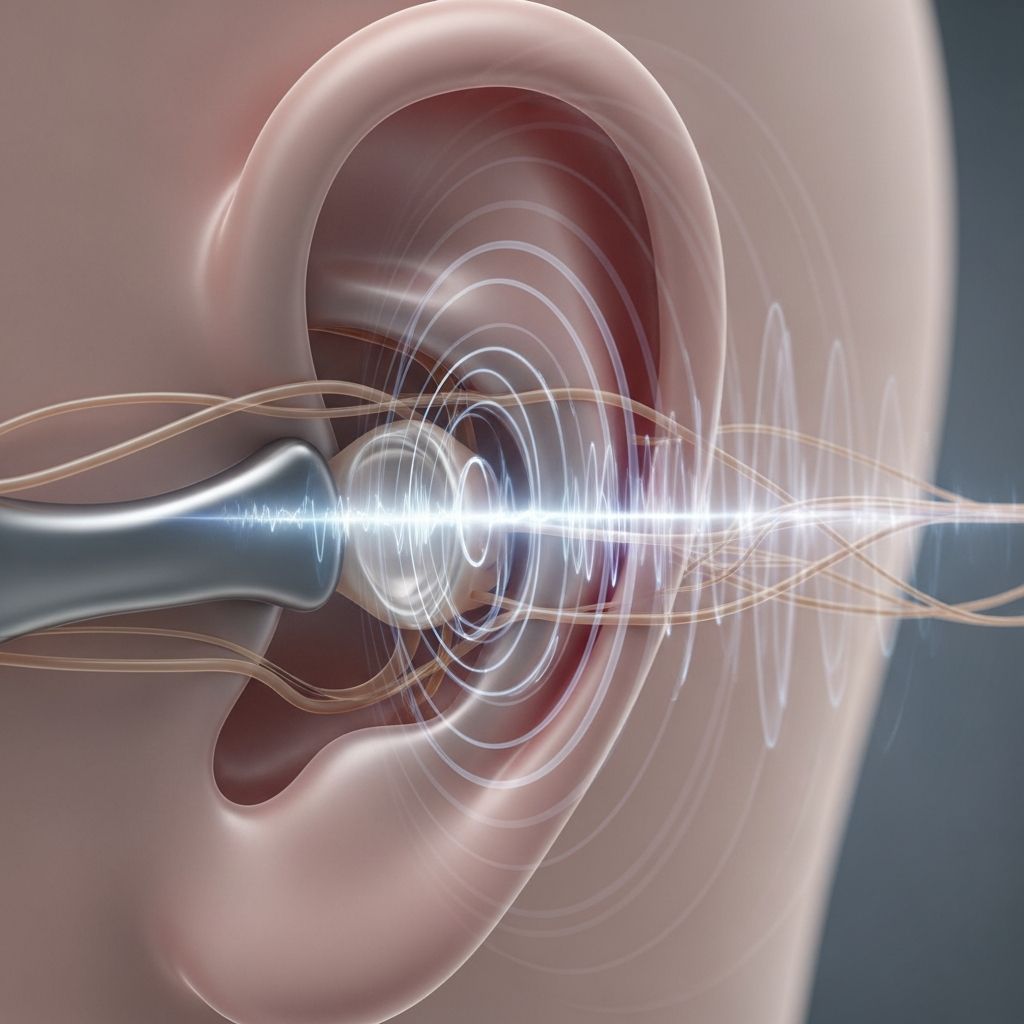
Tinnitus is a common auditory condition characterized by the perception of sound in the ears or head when no external sound is present. More than 30 million Americans report experiencing tinnitus, with severe tinnitus affecting approximately 5 to 10 million people. Many individuals with tinnitus describe a ringing sensation, though the perceived sound may also manifest as buzzing, humming, roaring, hissing, or whooshing noises. These internally generated sounds can significantly impact quality of life, affecting sleep, concentration, and emotional well-being. Understanding the causes, symptoms, and available treatment options is essential for individuals seeking relief from this persistent condition.
What Causes Tinnitus?
Tinnitus results from an internal dysfunction of the auditory system rather than an external sound source. The condition arises when there is damage to the auditory nerve or dysfunction in the hearing pathways. When damage occurs to the auditory nerve, there is a reduction in the reception of external sound. The brain, seeking stimulation that should come from the external environment, attempts to compensate and inadvertently creates its own sound. This neurological response explains why tinnitus is perceived as a very real sound despite having no external origin.
Common Risk Factors and Triggers
Several factors can increase the risk of developing tinnitus or exacerbate existing symptoms:
– Age-related hearing loss (presbycusis)- Exposure to loud noise or noise trauma- Head or neck injuries- Ear infections or cerumen impaction- Temporomandibular joint (TMJ) disorders- Cardiovascular disease or high blood pressure- Stress and anxiety- Certain medications, including aspirin and nonsteroidal anti-inflammatory drugs (NSAIDs)- Chemotherapy and ototoxic medications- Substance use, including caffeine and alcohol
Symptoms and Impact
Tinnitus symptoms vary widely among individuals in terms of pitch, loudness, and impact on daily functioning. Some people experience mild tinnitus that barely interferes with daily activities, while others suffer from severe, debilitating symptoms that significantly affect their quality of life. The subjective nature of tinnitus makes it challenging to measure objectively, as only the affected individual can perceive and describe the symptoms.
Associated Symptoms
Beyond the perception of sound, tinnitus can be accompanied by:
– Sleep disturbances and insomnia- Difficulty concentrating or maintaining focus- Anxiety and irritability- Depression and mood changes- Hearing loss or reduced auditory sensitivity- Sensitivity to sound (hyperacusis)- Ear fullness or pressure
Diagnosis and Evaluation
A comprehensive evaluation is essential for diagnosing tinnitus and identifying underlying causes. The diagnostic process typically includes:
Medical History and Physical Examination
An audiologist or otolaryngologist will conduct a thorough medical history to understand symptom onset, duration, and impact. A physical examination of the ears and hearing structures helps identify any visible abnormalities or cerumen impaction.
Audiological Testing
Audiological assessments measure hearing sensitivity and identify frequency-specific hearing loss patterns. Tests may include:
– Pure-tone audiometry to measure hearing thresholds across different frequencies- Tinnitus pitch and loudness matching to characterize the perceived sound- Measures of loudness discomfort levels- Speech discrimination testing- Tympanometry and acoustic reflex testing
Questionnaires and Functional Assessment
Standardized assessment tools help quantify tinnitus severity and functional impact:
– Tinnitus Questionnaire (TQ)- Tinnitus Functional Index (TFI)- Tinnitus Handicap Inventory (THI)- Visual Analog Scale (VAS) for tinnitus severity
Treatment Options and Management Strategies
While no curative treatment exists for tinnitus, various management strategies can significantly alleviate symptoms and reduce the condition’s impact on quality of life. The most effective approaches combine multiple treatment modalities tailored to individual needs and symptom severity.
Related Stories



Sound Therapy
Sound therapy uses external noise to reduce the severity and perception of tinnitus. This evidence-based approach works by providing acoustic stimulation that masks or distracts from the internally generated tinnitus sound. Sound therapy options include:
– Hearing aids: For individuals with concurrent hearing loss, hearing aids amplify external sounds while addressing both hearing impairment and tinnitus- Masking devices: Dedicated sound generators produce white noise, nature sounds, or other acoustic stimuli to mask tinnitus- Combination instruments: Devices that function as both hearing aids and maskers- Environmental sound enrichment: Strategic use of background sounds in the home or work environment
Tinnitus Retraining Therapy (TRT)
Tinnitus Retraining Therapy is an internationally recognized neurophysiology-based treatment approach that combines sound therapy with intensive tinnitus-specific educational counseling. TRT operates on the principle of habituation, aiming to reduce the patient’s negative emotional reaction to and awareness of tinnitus. The underlying model hypothesizes that tinnitus distress arises from abnormal activation of subconscious nonauditory mechanisms mediated primarily by the limbic and autonomic nervous systems.
The Tinnitus Retraining Therapy Trial (TRTT) was a rigorous randomized, double-blind, placebo-controlled multicenter trial that evaluated TRT’s efficacy compared to standard care. The trial enrolled 151 participants across six U.S. military hospitals with 18 months of follow-up. Results showed that about half of participants experienced clinically meaningful reductions in tinnitus’s effect on their lives across all treatment groups, including standard care. This finding suggests that while TRT provides benefit, the components of education and counseling play significant roles in treatment success.
Cognitive Behavioral Therapy (CBT)
Cognitive behavioral therapy and related psychological interventions help individuals develop coping strategies and modify negative thought patterns associated with tinnitus. These approaches focus on reducing anxiety, depression, and emotional distress related to tinnitus perception. Research indicates that acceptance and commitment therapy, a CBT-based approach, may demonstrate larger reductions in tinnitus’s effect compared to TRT alone.
Mind-Body Strategies
Complementary approaches including counseling, breathing exercises, meditation, and mindfulness-based stress reduction can help individuals manage the emotional and psychological impact of tinnitus. These strategies improve coping mechanisms and reduce anxiety-related exacerbation of symptoms.
Pharmacological Approaches
While no medications have demonstrated consistent, replicable long-term reduction of tinnitus impact exceeding placebo effects in rigorous trials, certain medications may provide symptomatic relief in specific circumstances. Emerging pharmacotherapies continue to be investigated, though clinical trials vary in methodological rigor and heterogeneity of tinnitus types complicates interpretation.
Medication-Related Tinnitus
Certain medications can cause or worsen tinnitus. Individuals should be aware of these ototoxic substances and discuss alternatives with their healthcare provider when possible:
– Aspirin (at high doses)- Nonsteroidal anti-inflammatory drugs (NSAIDs)- Chemotherapy agents- Some antibiotic classes- Certain cardiovascular medications- High-dose loop diuretics
Managing Tinnitus in Daily Life
Beyond formal treatment, several practical strategies can help individuals manage tinnitus symptoms:
Environmental Modifications
– Create a calm sleep environment with white noise machines- Reduce exposure to loud noise and use hearing protection when necessary- Limit caffeine and alcohol consumption- Manage stress through exercise and relaxation techniques
Hearing Protection
Protecting hearing from further damage is crucial for preventing tinnitus exacerbation. Wearing appropriate hearing protection in noisy environments and maintaining safe listening practices help preserve auditory function.
Sleep and Stress Management
Adequate sleep and effective stress management significantly influence tinnitus perception and severity. Regular exercise, relaxation techniques, and maintaining a consistent sleep schedule support overall well-being and tinnitus management.
Professional Support and Consultation
Individuals with tinnitus should consult appropriate healthcare professionals for comprehensive evaluation and treatment planning. Recommended specialists include:
– Audiologists: For hearing assessment and sound therapy options- Otolaryngologists (ENT specialists): For medical evaluation and rule-out of underlying conditions- Mental health professionals: For psychological support and counseling- Primary care physicians: For medication review and overall health management
When to Seek Help
Consultation with healthcare providers is recommended if tinnitus:
– Appears suddenly or changes character- Affects only one ear- Is accompanied by hearing loss or dizziness- Significantly impacts sleep, concentration, or emotional well-being- Persists for more than a few weeks- Follows head trauma or noise exposure
Prognosis and Outlook
The vast majority of people with tinnitus can be successfully treated and experience meaningful symptom improvement through appropriate management strategies. While tinnitus cannot always be cured, effective habituation, coping strategies, and symptom reduction are achievable goals for most individuals. Research continues to advance understanding of tinnitus pathophysiology and develop innovative treatment approaches, offering hope for improved outcomes and new therapeutic options in the future.
Frequently Asked Questions
Q: Is tinnitus a sign of a serious medical condition?
A: While tinnitus itself is not life-threatening, it can occasionally indicate an underlying medical condition such as hearing loss, high blood pressure, or vascular disease. A medical evaluation helps determine the cause and appropriate treatment.
Q: Can tinnitus go away on its own?
A: Some cases of sudden-onset tinnitus, particularly following noise exposure or stress, may resolve spontaneously. However, chronic tinnitus typically requires treatment to reduce its impact on quality of life.
Q: Are hearing aids effective for tinnitus?
A: Hearing aids can be beneficial for individuals with concurrent hearing loss, as they amplify external sounds and reduce the relative perception of tinnitus. Many modern hearing aids include tinnitus management features.
Q: How long does tinnitus treatment take to work?
A: Treatment response varies among individuals. Some people experience symptom improvement within weeks, while others require several months of consistent treatment. Following treatment protocols diligently and maintaining regular contact with healthcare providers optimizes outcomes.
Q: Can stress make tinnitus worse?
A: Yes, stress and anxiety often exacerbate tinnitus perception. Stress management techniques, including exercise, meditation, and counseling, help reduce tinnitus severity and improve coping.
Q: What role does diet play in tinnitus management?
A: While diet alone does not cure tinnitus, certain dietary modifications may help. Reducing caffeine, alcohol, and sodium can decrease tinnitus severity in some individuals. Maintaining adequate vitamin levels, particularly B vitamins and magnesium, supports auditory health.
References
- The Tinnitus Retraining Therapy Trial (TRTT): Study protocol for a randomized, double-blind, placebo-controlled, multicenter trial — Johns Hopkins University, Pure Research. 2014-10-15. https://pure.johnshopkins.edu/en/publications/the-tinnitus-retraining-therapy-trial-trtt-study-protocol-for-a-r-4
- Effect of Tinnitus Retraining Therapy vs Standard of Care on Tinnitus-Related Quality of Life — National Center for Biotechnology Information, PubMed Central. 2019. https://pmc.ncbi.nlm.nih.gov/articles/PMC6547112/
- Emerging pharmacotherapy of tinnitus — Johns Hopkins University, Pure Research. 2009-12. https://pure.johnshopkins.edu/en/publications/emerging-pharmacotherapy-of-tinnitus-7/
- Five Steps to Treating Tinnitus — Johns Hopkins University Press. 2025. https://www.press.jhu.edu/newsroom/five-steps-treating-tinnitus
- New Tinnitus Treatment Could Help Bring Relief — AARP Health. 2025. https://www.aarp.org/health/conditions-treatments/lenire-new-tinnitus-treatment/
Similar Articles








Read full bio of medha deb