Tinnitus Symptoms: 5 Common Sounds And When To Seek Help
Recognize the signs of tinnitus, from ringing and buzzing to associated issues like sleep problems and concentration difficulties.
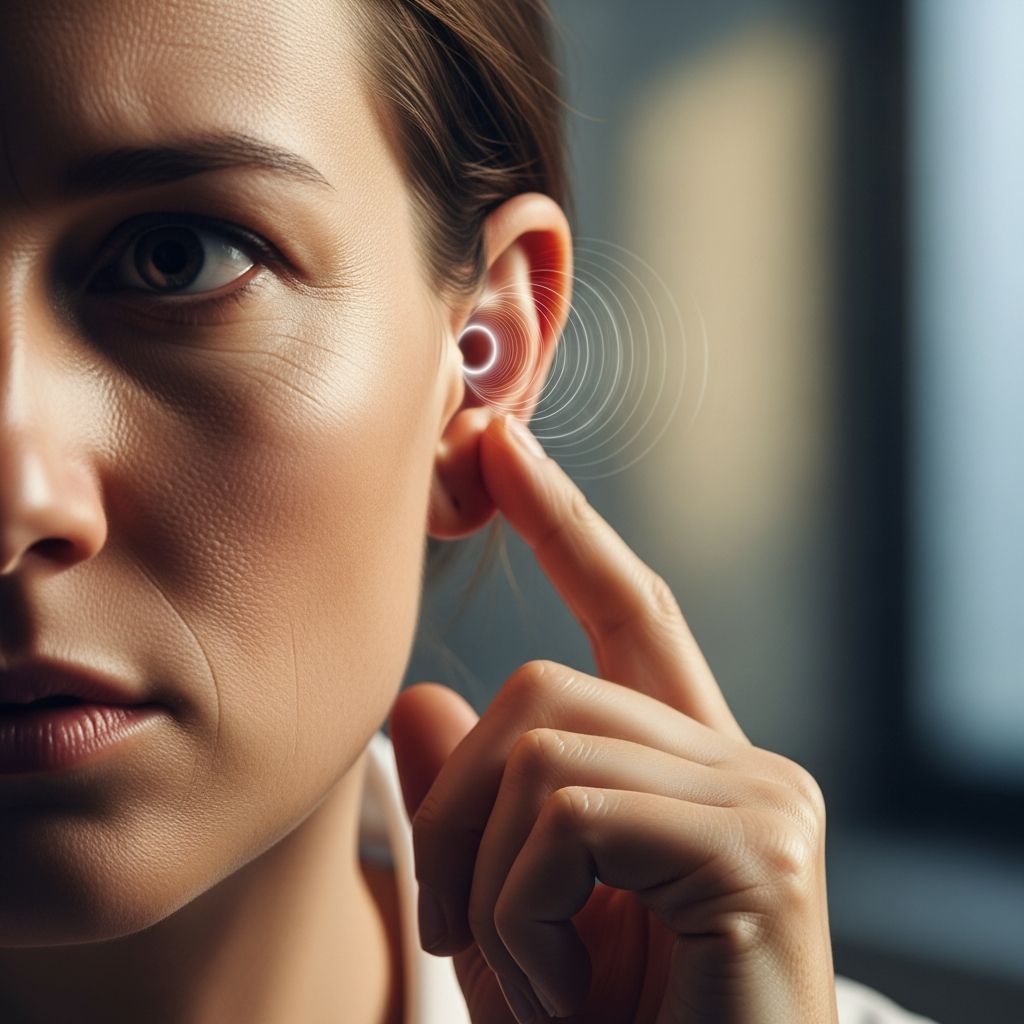
Tinnitus is the perception of noise or ringing in the ears without an external sound source, affecting millions worldwide. It manifests as various phantom sounds and can range from mild to severely disruptive.
What Is Tinnitus?
Tinnitus refers to the sensation of hearing sounds like ringing, buzzing, or whooshing in the absence of actual external noise. It is a symptom of an underlying condition rather than a disease itself, often linked to auditory pathway issues.
These phantom sounds result from abnormal neuronal activity in the subcortical auditory pathway, described by patients as cicadas, crickets, wind, or running engines. Unlike normal hearing, tinnitus persists independently of environmental sounds and can vary in pitch, volume, and intermittency.
Common Tinnitus Symptoms
The hallmark of tinnitus is hearing internal noises that others cannot perceive. Symptoms differ by individual but commonly include:
- Ringing: A high-pitched tone, most frequently reported.
- Buzzing or humming: Low-frequency vibrations resembling insects or machinery.
- Roaring: Deep, intense sounds, often in Meniere’s disease at 125-250 Hz.
- Whistling, hissing, or squealing: Sharp, piercing qualities.
- Clicking or pulsing: Rhythmic noises synced with heartbeat in pulsatile cases.
Sounds may be constant or intermittent, unilateral (one ear) or bilateral, and low roar to high squeal in pitch. Intensity is usually under 10 dB above hearing threshold but can drown out external noise.
Types of Tinnitus
Tinnitus is categorized by perception and origin:
- Subjective tinnitus: Most common, only the individual hears it, stemming from auditory nerve or brain issues.
- Objective tinnitus: Rare, audible to examiners, often vascular or muscular.
- Pulsatile tinnitus: Rhythmic pulsing with heartbeat, signaling vascular abnormalities near the ear.
- Somatic tinnitus: Modulated by body movements like jaw clenching or neck pressure.
- Noise-induced tinnitus: Tonal or complex from outer hair cell (OHC) damage.
| Type | Description | Prevalence |
|---|---|---|
| Subjective | Personal perception only | Most cases |
| Objective/Pulsatile | Heartbeat-synced, detectable by doctor | Rare |
| Somatic | Altered by head/neck movements | Common in TMJ cases |
Tinnitus and Hearing Loss
Up to 90% of tinnitus cases accompany hearing loss, where tinnitus pitch matches the frequency of greatest loss. Damaged cochlear hair cells leak random signals, interpreted as sound by the brain.
In central auditory processing disorders, tinnitus occurs despite normal audiograms, due to speech-in-noise difficulties. Middle ear issues like pressure imbalances or ossicular chain impedance also contribute, causing fullness sensations.
Associated Symptoms and Impact
Beyond phantom sounds, tinnitus triggers:
- Concentration difficulties: Interferes with focus and short-term memory.
- Insomnia: Anxiety hinders sleep onset and maintenance; noise monitoring persists during rest.
- Decreased speech discrimination: Especially in noise.
- Anxiety and depression: Annoyance correlates with psychological distress, not acoustic traits.
- Fullness or blockage: Common middle ear complaint.
Symptoms worsen in quiet environments, under stress, fatigue, or post-noise exposure. In Meniere’s, louder tinnitus links to greater annoyance.
Related Stories



Somatic and Pulsatile Tinnitus Symptoms
Somatic tinnitus changes with jaw clenching, eye turns, or head pressure, implicating neck/jaw muscles or bruxism. Louder upon waking suggests psychosomatic factors.
Pulsatile tinnitus, a whooshing with pulse, warrants urgent evaluation for treatable vascular issues like carotid artery problems.
When Tinnitus Symptoms Warrant a Doctor Visit
Seek care if tinnitus:
- Suddenly starts in one ear post-head/neck injury.
- Is pulsatile or objective.
- Accompanies hearing loss, dizziness, or vertigo (possible Meniere’s).
- Disrupts sleep, concentration, or mood.
- Follows noise exposure or medications.
Early intervention addresses underlying causes like earwax buildup, infections, or TMJ disorders.
Potential Causes Behind Tinnitus Symptoms
Common triggers include:
- Hearing loss: Age-related or noise-induced OHC/IHC discordance.
- Ear blockages: Wax, fluid from infections.
- Head/neck trauma: Affects inner ear or nerves.
- Meniere’s disease: Fluid pressure changes.
- TMJ disorders: Jaw joint issues.
- Vascular issues: Blood flow changes.
- Medications/otosclerosis: Ototoxic drugs or bone stiffening.
Spontaneous otoacoustic emissions (SOAEs) from unstable outer hair cells can also produce mild tinnitus.
Managing Tinnitus Symptoms
No universal cure exists, but strategies alleviate symptoms:
- Sound therapy: Masking with white noise.
- Hearing aids: Amplify external sounds for those with loss.
- Cognitive behavioral therapy (CBT): Reduces distress.
- Lifestyle changes: Avoid irritants like caffeine, stress management, protect ears from noise.
For pulsatile types, vascular treatments can eliminate symptoms.
Frequently Asked Questions (FAQs)
What does tinnitus sound like?
Tinnitus commonly sounds like ringing, buzzing, roaring, hissing, humming, clicking, whistling, or squealing, varying in pitch and volume.
Is tinnitus a sign of something serious?
Often benign, but pulsatile tinnitus or sudden onset with hearing loss may indicate vascular issues or tumors needing prompt care.
Does tinnitus always mean hearing loss?
No, but it’s linked in most cases; central processing issues can cause it with normal hearing.
Can stress worsen tinnitus symptoms?
Yes, emotional stress, fatigue, and quiet settings amplify annoyance and perception.
How is pulsatile tinnitus different?
It pulses with heartbeat, potentially from nearby blood vessel abnormalities, and is often treatable.
References
- Tinnitus: Characteristics, Causes, Mechanisms, and Treatments — National Center for Biotechnology Information (PMC). 2008-10-07. https://pmc.ncbi.nlm.nih.gov/articles/PMC2686891/
- Tinnitus: Symptoms, Causes, and Treatments — Audibel. Accessed 2026. https://www.audibel.com/hearing-loss-treatment/tinnitus-overview/
- Tinnitus – Symptoms and causes — Mayo Clinic. 2023-11-01. https://www.mayoclinic.org/diseases-conditions/tinnitus/symptoms-causes/syc-20350156
- Dealing With Tinnitus: An Expert Offers Guidance — UVA Health. 2023. https://www.uvahealth.com/healthy-balance/dealing-tinnitus-expert-offers-guidance
- Ringing in Your Ears Might Be a Sign of Hearing Loss — Health.mil. 2022-03-10. https://www.health.mil/News/Articles/2022/03/10/Ringing-in-Your-Ears-Might-Be-a-Sign-of-Hearing-Loss
Similar Articles








Read full bio of medha deb