Tioguanine Essential Guide: Dosage, Side Effects And Monitoring
Comprehensive guide to tioguanine: uses in leukaemia treatment, dosage, side effects, and patient monitoring for safe use.
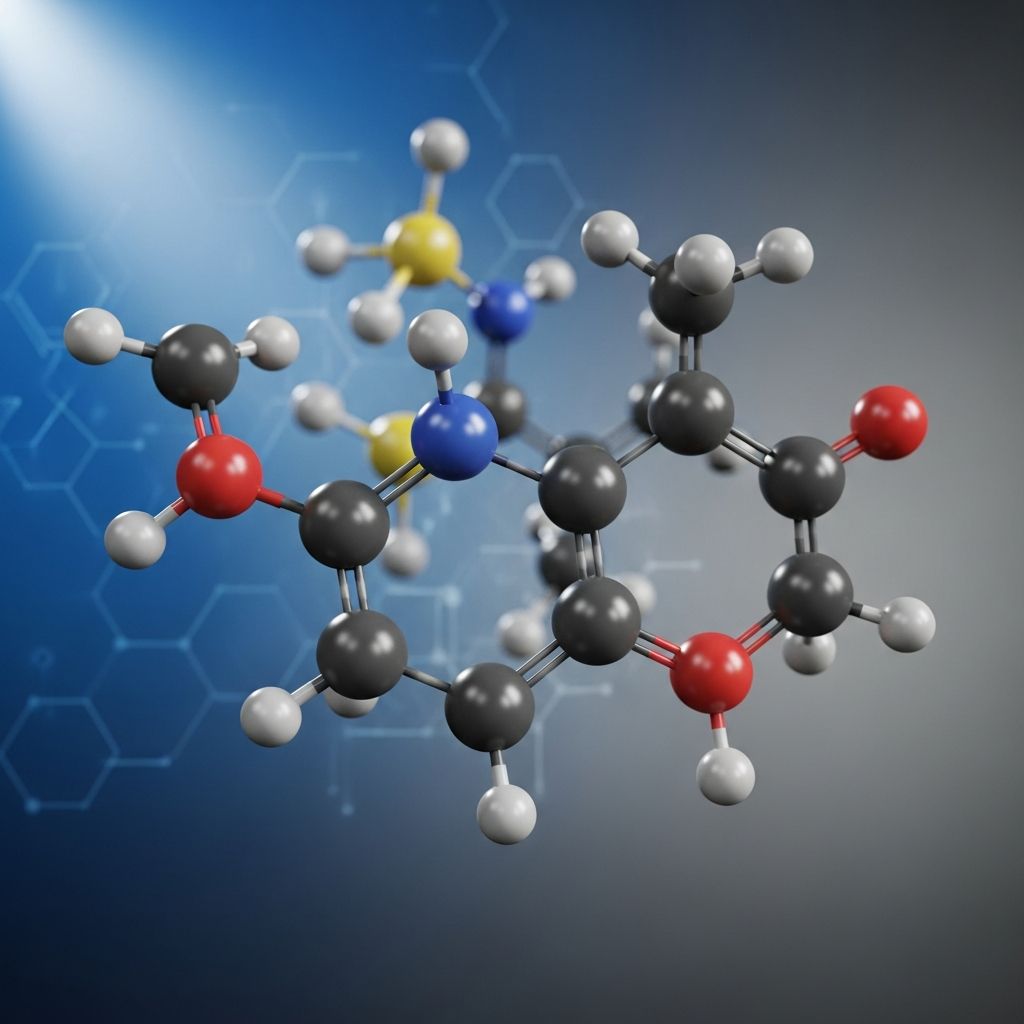
Tioguanine, also known as thioguanine (TG), is a chemotherapy medication primarily used to treat certain types of leukaemia, including acute myeloid leukaemia (AML), acute lymphoblastic leukaemia (ALL), and chronic myeloid leukaemia (CML). As a purine analogue antimetabolite, it interferes with DNA synthesis in rapidly dividing cancer cells, leading to their destruction.
About tioguanine
Tioguanine belongs to the class of thiopurines, which are antimetabolites that mimic natural purines essential for DNA and RNA production. In cancer cells proliferating uncontrollably, tioguanine is incorporated into nucleic acids, disrupting replication and triggering cell death. It is particularly effective against leukaemias where malignant white blood cells dominate the bone marrow.
Unlike conventional thiopurines like azathioprine or mercaptopurine, tioguanine is directly converted to its active metabolite, thioguanine nucleotides (TGN), by hypoxanthine phosphoribosyltransferase (HPRT), bypassing several intermediate steps that can cause toxicity. This pathway makes it a viable option for patients intolerant to other thiopurines.
Tioguanine is available as oral tablets, often under brand names like Tabloid or Lanvis, in greenish-yellow form. It requires prescription from specialists in oncology or haematology and is typically used in combination with other chemotherapies or targeted therapies.
Before taking tioguanine
Allergies
Inform your doctor if you have ever experienced an allergic reaction to tioguanine or other thiopurines. Symptoms of allergy may include rash, itching, swelling, severe dizziness, or trouble breathing. Although rare, hypersensitivity can occur and necessitates immediate discontinuation.
Pregnancy and breastfeeding
Tioguanine is contraindicated during pregnancy due to its potential to cause fetal harm, including teratogenic effects and developmental abnormalities observed in animal studies. Effective contraception is essential for both men and women during treatment and for at least 3-6 months afterward. Breastfeeding should be avoided as the drug passes into breast milk and may harm the infant.
Babies and children
Tioguanine is approved for use in pediatric patients with acute leukaemias, including AML and ALL. Dosing is weight-based or body surface area-based, similar to adults, but requires close monitoring due to higher risks of myelosuppression in children.
Other medicines
- Immunosuppressants: Concurrent use with other bone marrow suppressants increases myelotoxicity risk.
- Allopurinol: Inhibits tioguanine metabolism; dose reduction by 75% is recommended to avoid excessive toxicity.
- Anti-TNF agents: Used in combination for inflammatory conditions like IBD, but monitor for infections.
- Live vaccines: Avoid due to immunosuppression.
Household arrangements
Patients should follow strict hygiene to prevent infection spread, especially with low white blood cell counts. Caregivers must wash hands frequently and avoid close contact if ill.
Related Stories



How and when to take tioguanine
Dosage
The typical adult dose for remission induction in AML is 2 mg/kg body weight orally per day, often divided or as a single dose. For maintenance, doses range from 2-3 mg/kg/day. Pediatric dosing mirrors this on a mg/kg basis. In CML or ALL, it may be part of multi-agent regimens.
Doses are individualized based on body surface area (mg/m²), response, and tolerance. Treatment courses are short, typically 4-8 weeks for induction, with adjustments via blood tests.
Swallowing the tablets
Take tablets whole with water, with or without food. Do not crush or chew, as this can alter absorption and increase mucosal irritation. If swallowing is difficult, consult your doctor for alternatives.
Timing of dose
Administer at the same time daily to maintain steady levels. For divided doses, space evenly.
If you often forget doses
Set reminders or use a pill organizer. Do not double up; contact your doctor if you miss multiple doses, as this may affect efficacy.
If you take too much
Overdose can cause severe bone marrow suppression, nausea, vomiting, and diarrhea. Seek emergency care immediately; supportive treatment includes blood transfusions and monitoring.
Side-effects of tioguanine
Tioguanine commonly causes myelosuppression, affecting all blood cell lines. Regular monitoring is crucial.
Common side effects
These occur in more than 1 in 10 people:
- Low blood cell counts: Neutropenia (infection risk), thrombocytopenia (bruising/bleeding), anaemia (fatigue).
- Nausea and vomiting: Manage with antiemetics.
- Liver enzyme elevations: Monitor with weekly LFTs; may resolve on dose reduction.
- Diarrhea: Hydrate and report if severe.
Serious side effects
Occur in fewer than 1 in 100:
- Infections: Fever, sore throat—contact hospital immediately.
- Bleeding: Nosebleeds, blood in urine/stools.
- Liver toxicity: Jaundice, abdominal pain; nodular regenerative hyperplasia (NRH) rare, more in IBD use.
- Bowel perforation: Severe abdominal pain, vomiting—emergency.
- Secondary cancers: Long-term risk of skin or other malignancies.
| Side Effect | Frequency | Management |
|---|---|---|
| Neutropenia | Very common | Blood tests, antibiotics if infected |
| Thrombocytopenia | Common | Avoid injury, platelet transfusions |
| Liver changes | Common | Weekly LFTs, dose adjust |
| Diarrhea | Common | Antidiarrheals, hydration |
Understanding your blood test results
Weekly complete blood counts (CBC) and liver function tests (LFTs) are mandatory. Key parameters:
- WBC: Below 3.0 x 10^9/L indicates neutropenia; hold dose if <2.0.
- Platelets: <50 x 10^9/L requires caution.
- ALT/AST: Elevations >3x upper limit prompt dose reduction or cessation.
- Bilirubin: Rising levels signal hepatotoxicity.
In IBD studies, 13% discontinued due to adverse events, but long-term data shows good tolerability in thiopurine-intolerant patients.
Stopping tioguanine
Do not stop abruptly without medical advice, as this can lead to leukaemia relapse. Taper if discontinuing for remission. Post-treatment monitoring for secondary effects continues.
FAQs
Who prescribes tioguanine?
A specialist in cancer treatment, such as an oncologist or haematologist.
How long are treatment courses?
Short courses of 4-8 weeks for induction, longer for maintenance.
Does it cure leukaemia?
It induces remission but is often part of combination therapy; cure rates vary by leukaemia type and stage.
Can it be used in IBD?
Off-label for refractory IBD, with response rates of 59% at 6 months in studies, but monitor for NRH.
What if I get an infection?
Contact your hospital’s 24-hour line immediately for fever >37.5°C.
Tioguanine remains a cornerstone in leukaemia management, balancing efficacy with manageable risks through vigilant monitoring. Patients achieving remission often maintain treatment for years with dose adjustments.
References
- Thioguanine in inflammatory bowel disease: Long-term outcomes and safety — Ward MG et al. Journal of Crohn’s and Colitis. 2016-05-01. https://pmc.ncbi.nlm.nih.gov/articles/PMC5446138/
- Tioguanine — Macmillan Cancer Support. Accessed 2026. https://www.macmillan.org.uk/cancer-information-and-support/treatments-and-drugs/tioguinine
- Tioguanine – Treatment of AML, ALL & CML — Patient.info. Accessed 2026. https://patient.info/medicine/tioguanine
- Thioguanine (oral route) – Side effects & dosage — Mayo Clinic. Accessed 2026. https://www.mayoclinic.org/drugs-supplements/thioguanine-oral-route/description/drg-20066349
- Thioguanine (Tabloid) — National Community Oncology Dispensing Association. Accessed 2026. https://www.ncoda.org/pes/thioguanine/
- Thioguanine — Memorial Sloan Kettering Cancer Center. Accessed 2026. https://www.mskcc.org/cancer-care/patient-education/medications/adult/thioguanine
Similar Articles








Read full bio of medha deb