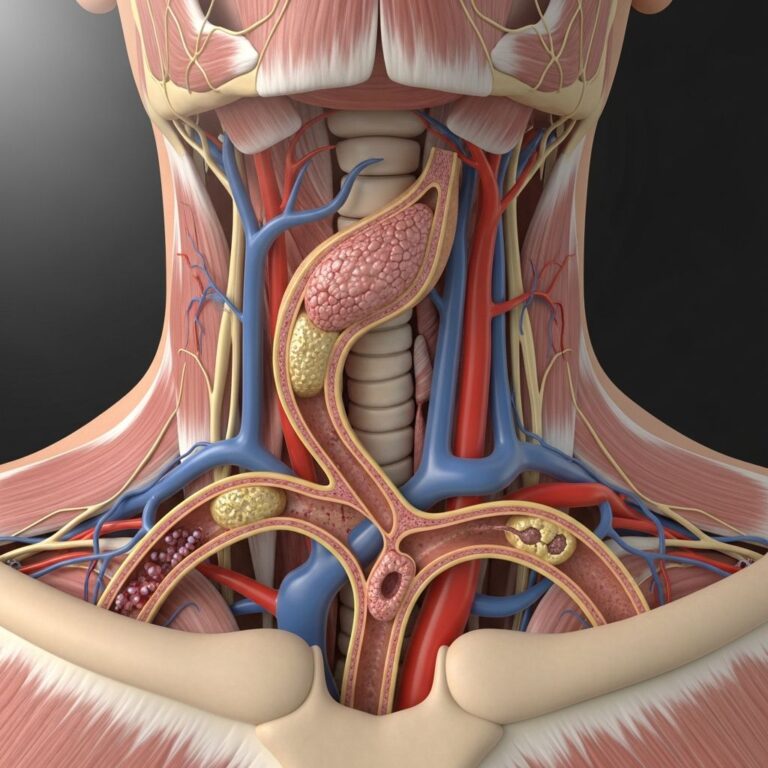
Tiotropium Inhaler: Your Guide To Uses, Dosing & Side Effects
Tiotropium inhaler for COPD and severe asthma: relieves breathlessness, cough and wheeze by opening airways for 24 hours.
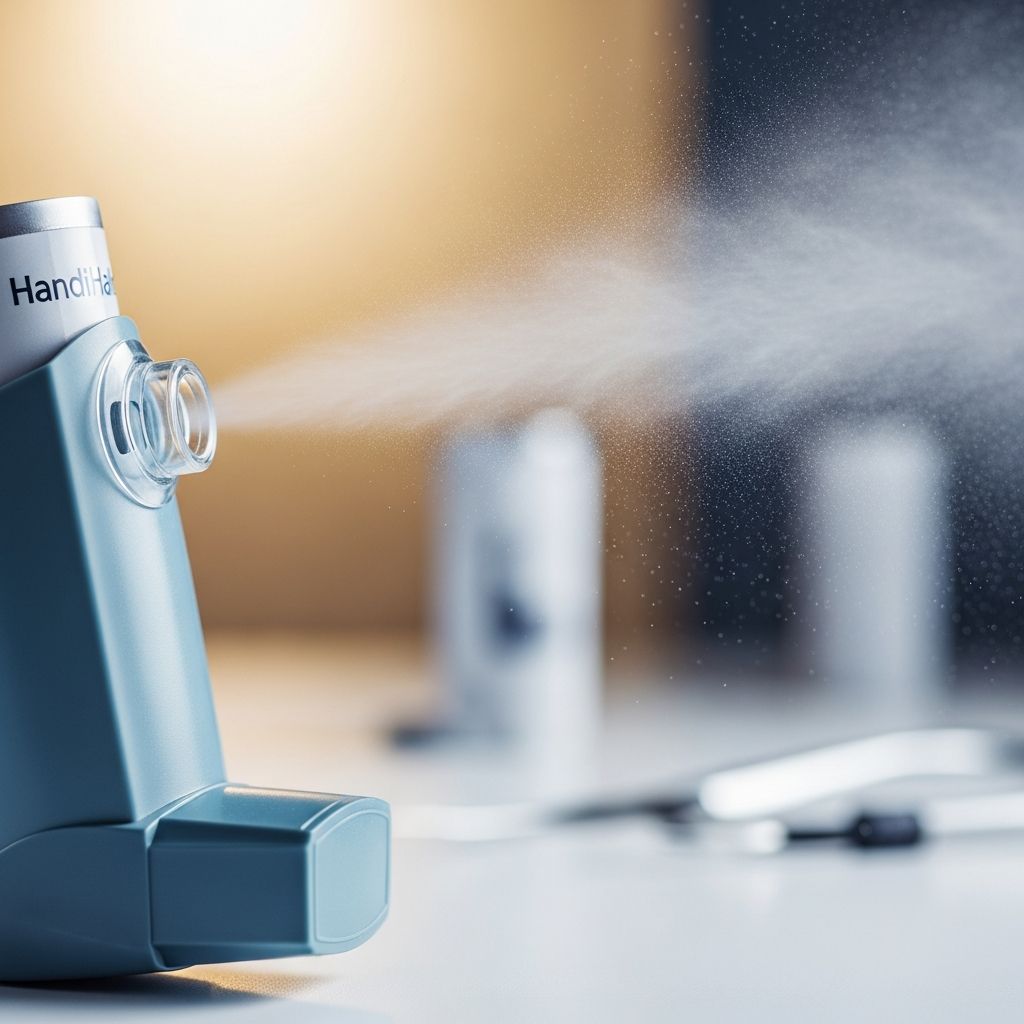
| Type of medicine | An antimuscarinic bronchodilator |
|---|---|
| Used for | Chronic obstructive pulmonary disease (COPD); severe asthma |
| Also called | Braltus®, Spiriva®, Tiogiva® |
| Available as | Dry powder inhaler (capsules for HandiHaler®); Metered dose inhaler (Respimat®) |
About tiotropium
Tiotropium is a long-acting bronchodilator medication classified as an antimuscarinic or anticholinergic agent. It is primarily prescribed to manage chronic obstructive pulmonary disease (COPD), which encompasses conditions like chronic bronchitis and emphysema, where airflow to the lungs is restricted, leading to symptoms such as cough, wheeze, and breathlessness. By blocking muscarinic receptors (particularly M3) in the airways, tiotropium relaxes smooth muscle, widens air passages, reduces mucus production, and promotes bronchodilation that lasts up to 24 hours, allowing once-daily dosing.
In addition to COPD maintenance therapy, tiotropium is FDA-approved for reducing bronchospasm, preventing exacerbations, and as add-on maintenance treatment for asthma in patients aged 6 years and older. It is not intended for acute relief of sudden breathlessness; instead, it serves as a preventive measure to improve daily lung function and quality of life. Clinical studies demonstrate its efficacy in reducing rescue bronchodilator use and exacerbations, particularly in moderate-to-severe cases.
Tiotropium is available in two main inhalation forms: dry powder capsules (18 mcg) used with a HandiHaler device (e.g., Spiriva HandiHaler) or soft-mist spray (2.5 mcg per puff, two puffs daily) via Respimat inhaler (e.g., Spiriva Respimat, Braltus, Tiogiva). This delivery ensures targeted action in the lungs with minimal systemic absorption.
How to use tiotropium inhalers
Correct inhaler technique is essential for tiotropium’s effectiveness. Always follow the patient information leaflet and consult your doctor or pharmacist for demonstrations.
Spiriva® HandiHaler® (dry powder capsules)
- Peel open one blister to remove a capsule immediately before use. Do not store capsules outside the blister.
- Hold the HandiHaler upright and insert the capsule into the chamber until it clicks.
- Press the green button fully and release (do not inhale during this step).
- Breathe out fully away from the device. Place the mouthpiece between your lips, close lips around it, and inhale strongly and deeply to pierce and aerosolize the capsule.
- Hold your breath for 10 seconds or as long as comfortable, then exhale away from the device.
- Repeat the inhale-hold-exhale process to empty the capsule. Most will feel gritty particles afterward.
- Remove and dispose of the used capsule. Keep the HandiHaler clean by brushing the mouthpiece weekly.
Use once daily at the same time. Capsules must stay dry; discard if exposed to moisture.
Respimat® soft-mist inhaler (Braltus®, Spiriva® Respimat, Tiogiva®)
- Remove the clear cap and twist the base until it clicks (first-time priming: repeat until spray is visible, up to 3 times).
- Breathe out fully away from the device.
- Close lips around the mouthpiece without biting it. Point the inhaler to the back of your throat.
- Press the dose release button while inhaling slowly and steadily (the mist travels slowly for better lung deposition).
- Hold breath for 10 seconds or as long as comfortable, then exhale slowly.
- Repeat for the second puff. Close the cap after use.
Related Stories



Prime weekly if not used, or if dropped/cleaned. Use once daily (two puffs).
Key tips for all inhalers: Rinse mouth after use to prevent oral thrush. Do not swallow capsules. If you miss a dose, take it as soon as remembered unless near the next dose—never double up. Track usage with a diary if advised.
Getting the most from your tiotropium inhaler
- Use regularly once daily, even if feeling well, for sustained benefits.
- Avoid smoking or quitting support if applicable; tiotropium complements but does not replace lifestyle changes.
- Use a spacer with metered-dose inhalers if coordination is difficult (consult pharmacist).
- Combine with pulmonary rehabilitation, exercise, and vaccinations (flu/pneumococcal) for optimal COPD management.
- Monitor peak flow if asthmatic; report drops to your doctor.
- Clean devices as instructed: HandiHaler weekly, Respimat as needed.
- If symptoms persist or worsen, seek medical review—may need add-on therapies like LABA or ICS.
If you forget to use it
Take the missed dose as soon as you remember, unless it’s almost time for the next one. Do not take extra doses to make up. Set reminders or use a blister pack for adherence.
If you use too much
Overdose is rare due to the wide therapeutic index, but symptoms include dry mouth, blurred vision, constipation, or rapid heartbeat. Seek urgent medical help; contact poison control or A&E. Anticholinergic toxicity is managed supportively.
Cautions when using tiotropium
Tiotropium is generally safe but contraindicated in known hypersensitivity to tiotropium or atropine derivatives. Use cautiously in:
- Glaucoma (risk of acute angle-closure; monitor for eye pain, halos, blurred vision).
- Prostatic hypertrophy or bladder outflow obstruction (urinary retention risk).
- Kidney disease (dose adjustment may be needed).
- Cystic fibrosis (increased side effects).
- Pregnancy/breastfeeding: Limited data; use only if benefits outweigh risks.
Inform your doctor of all medications to avoid interactions (e.g., other anticholinergics amplify effects).
Common questions about tiotropium inhalers
How long does it take to work? Bronchodilation starts within 30 minutes, peaks at 3-4 hours, lasts 24 hours.
Can I use it with other inhalers? Yes, often combined with LABA/ICS; follow sequence (e.g., SABA first if needed).
Does it interact with food/alcohol? No significant interactions.
Side-effects
Most side effects are mild and anticholinergic-related, affecting 5-10% of users.
| Common (1-10%) | Less common/rare | Serious (seek immediate help) |
|---|---|---|
| Dry mouth (most frequent; sip water, chew gum) | Constipation Blurred vision Headache Runny nose Upper RTI | Difficulty breathing/worsening bronchospasm Eye pain/swelling (glaucoma) Urinary retention Fast heartbeat Rash/swelling (allergy) QT prolongation |
Dry mouth improves over time; use alcohol-free mouthwash. Report persistent issues. Paradoxical bronchospasm (rare, <1%) requires discontinuation. Long-term use shows good tolerability.
For full UK safety info, see MHRA Yellow Card scheme.
Other things to know
- Driving/operating machinery: May cause blurred vision; avoid until effects known.
- Storage: Room temperature, dry place. Keep inhalers/capsules away from children.
- Travel: Carry in hand luggage; show prescription if needed.
- Monitoring: Regular lung function tests; watch for tolerance (rare).
Frequently Asked Questions (FAQs)
How does tiotropium differ from short-acting bronchodilators?
Tiotropium provides 24-hour control for maintenance, unlike salbutamol (rescue) which acts quickly but briefly.
Is tiotropium safe for long-term use?
Yes, approved for chronic use with sustained benefits and low overdose risk.
Can children use tiotropium?
Approved for asthma maintenance in ages 6+; COPD dosing per doctor.
What if I get no relief after 1-2 weeks?
Consult your doctor; technique check or therapy adjustment needed.
References
- Tiotropium – StatPearls — BJ Delgado, NCBI Bookshelf. 2022-08-08. https://www.ncbi.nlm.nih.gov/books/NBK541127/
- Tiotropium Oral Inhalation — MedlinePlus, NIH. 2023-10-15. https://medlineplus.gov/druginfo/meds/a604018.html
- Tiotropium: Uses, Interactions — DrugBank Online. 2024-05-20. https://go.drugbank.com/drugs/DB01409
- Tiotropium (inhalation route) — Mayo Clinic. 2024-02-01. https://www.mayoclinic.org/drugs-supplements/tiotropium-inhalation-route/description/drg-20066394
- About tiotropium inhalers — NHS UK. 2023-11-12. https://www.nhs.uk/medicines/tiotropium-inhalers/about-tiotropium-inhalers/
- Tiotropium – a bronchodilator — Patient.info. 2024-01-10. https://patient.info/medicine/tiotropium-a-bronchodilator-braltus-spiriva-tiogiva
- Tiotropium safety update — UK MHRA. 2023-06-15. https://www.gov.uk/drug-safety-update/tiotropium
Similar Articles








Read full bio of Sneha Tete